Have you noticed your cat throwing up right after grooming sessions? You might be wondering if constant grooming is the cause.
It’s frustrating to see your furry friend uncomfortable and to worry about their health. Understanding why this happens can help you take better care of your cat and keep them happy. You’ll discover the reasons behind this issue and what you can do to prevent it.
Keep reading to learn how to make grooming a pleasant experience for both you and your cat.

Credit: thegracecat.com
How Grooming Affects Cats
Grooming is an essential part of caring for cats. It helps keep their fur clean and healthy. Grooming also affects cats in many ways, both physically and emotionally. Understanding these effects can help prevent problems like vomiting after grooming sessions.
Physical Impact Of Grooming
Brushing removes loose fur and dirt from a cat’s coat. It can reduce hairballs by limiting the amount of fur they swallow. Grooming also stimulates blood flow and spreads natural oils across the skin. This keeps the coat shiny and healthy.
However, rough grooming or using the wrong tools can cause skin irritation. Over-brushing may lead to soreness or small cuts. Cats with sensitive skin might react badly to frequent grooming. Physical discomfort can make them uneasy during and after the process.
Stress And Anxiety In Cats
Many cats do not like being groomed. The experience can cause stress or anxiety. Cats may feel trapped or scared during grooming sessions. Loud sounds, unfamiliar tools, or forced handling increase tension.
Stress affects a cat’s digestive system. It may cause nausea or vomiting. Cats show different signs of anxiety, such as hiding or excessive meowing. Understanding their mood helps make grooming less stressful.
Common Reactions To Grooming
- Vomiting or gagging due to swallowed fur
- Restlessness or trying to escape
- Excessive licking or scratching
- Hiding or avoiding interaction
- Temporary loss of appetite
Recognizing these reactions helps adjust grooming techniques. Gentle brushing and short sessions reduce negative effects. Always watch your cat’s behavior and stop if they seem distressed.
Credit: pethelpful.com
Reasons Cats Throw Up After Grooming
Seeing your cat throw up after grooming can be alarming. Understanding why this happens helps you take better care of your furry friend. Several reasons might explain this behavior, ranging from something as simple as hair ingestion to more serious health concerns.
Hairballs And Fur Ingestion
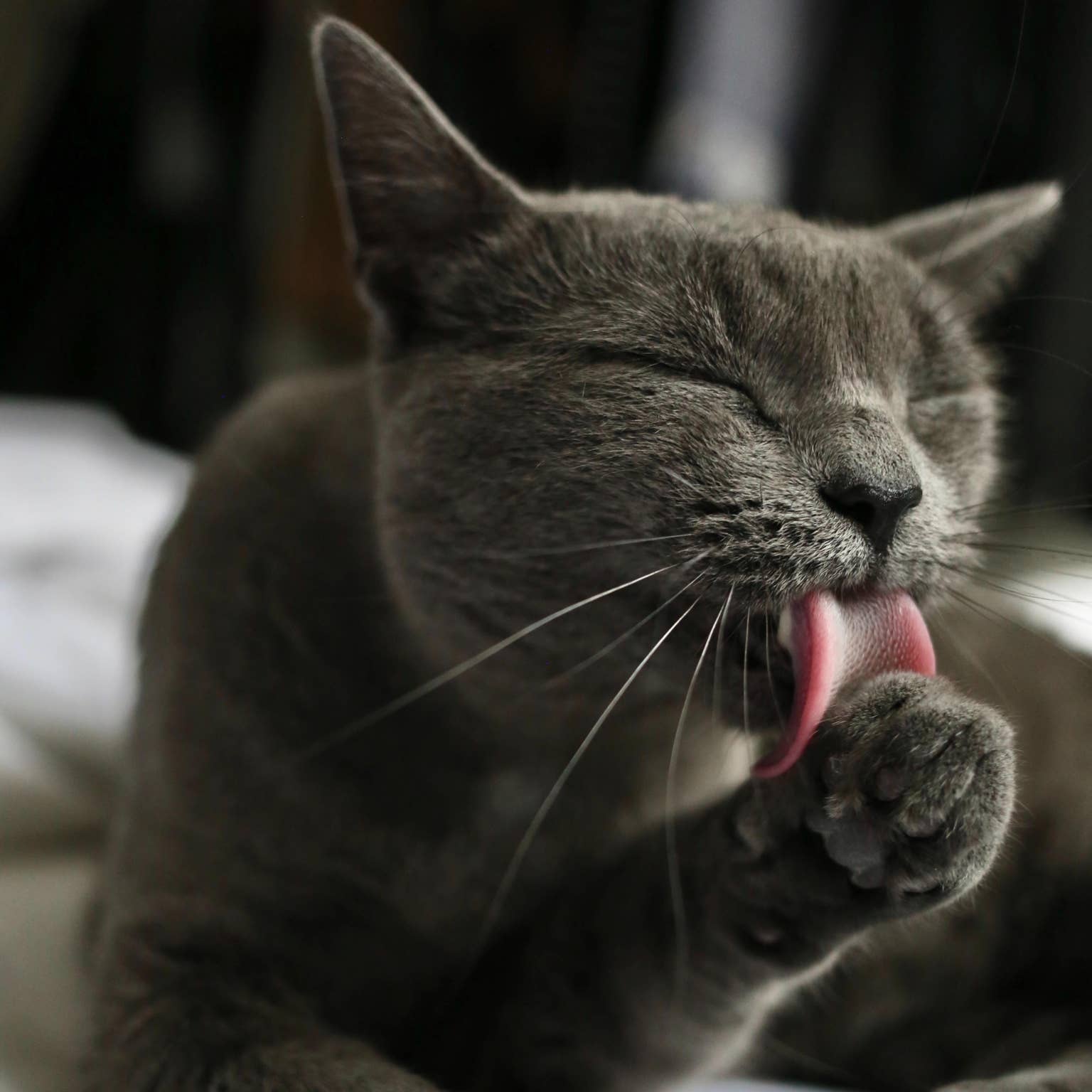
Cats naturally groom themselves by licking their fur, which leads to swallowing loose hair. This hair can form hairballs in their stomach, which they often vomit up to feel better. Grooming sessions increase the amount of loose fur your cat swallows, making hairball-related vomiting more likely.
Have you noticed your cat coughing or retching before vomiting? That’s a common sign of hairballs. Regular brushing can reduce the amount of loose fur your cat swallows and may help prevent this issue.
Allergic Reactions
Sometimes, the grooming products you use might cause an allergic reaction in your cat. Shampoos, conditioners, or sprays with harsh chemicals can irritate their stomach or skin, leading to vomiting. If your cat starts throwing up after a grooming session, check the ingredients of the products you use.
Switching to a hypoallergenic or natural product might make a big difference. Have you ever tested your grooming products on a small patch of fur before a full session? That quick test can prevent discomfort and surprises.
Motion Sickness Or Stress
Grooming isn’t always a relaxing experience for cats. Some become stressed or anxious during brushing or bathing, which can upset their stomach. Motion sickness is also possible if the grooming involves movement, like blow drying or traveling to a groomer.
Try to make grooming calm and slow. Speak softly and offer treats. Do you notice if your cat gags or vomits more during or after stressful grooming moments?
Underlying Health Issues
If vomiting happens frequently after grooming, it might signal a deeper health problem. Conditions like gastrointestinal infections, kidney disease, or pancreatitis can cause nausea. Grooming might simply trigger vomiting in cats already feeling unwell.
Keep a close eye on other symptoms like lethargy, loss of appetite, or diarrhea. When was the last time your cat had a full health check? Consulting your vet can rule out serious issues and keep your cat healthy.
Signs To Watch During Grooming
Watching your cat closely during grooming sessions can reveal important clues about why they might be throwing up. Identifying specific signs helps you understand whether grooming is the cause or if another issue is at play. Paying attention to behavior, physical symptoms, and the timing of vomiting can guide you toward the right solution.
Behavioral Changes
Does your cat suddenly seem anxious or restless when you bring out the brush? Notice if they try to escape or hide more than usual. A change in behavior like excessive meowing, growling, or even freezing can signal stress related to grooming.
Some cats might become unusually clingy or avoidant after grooming sessions. These shifts often indicate discomfort or nausea linked to the experience. Have you seen your cat act differently right before or after grooming?
Physical Symptoms
Look for signs like excessive drooling, pawing at the mouth, or gagging during grooming. These can be early warnings that your cat feels nauseous. Also, check for signs of skin irritation or hair pulling, which might trigger vomiting.
Other symptoms include lethargy and a lack of appetite following grooming. If your cat vomits consistently after being brushed, it may point to a physical reaction. Monitoring these symptoms closely gives you a clearer picture of their health.
Timing Of Vomiting Episodes
Track exactly when your cat throws up in relation to grooming. Is it immediately after, or does it happen hours later? Immediate vomiting could mean stress or motion sickness, while delayed episodes might suggest an underlying digestive issue.
Consider if vomiting only occurs after specific grooming activities like nail trimming or bathing. Pinpointing the timing helps you adjust your routine to reduce your cat’s discomfort. Are there patterns you’ve noticed that align with your cat’s vomiting?
Credit: www.confidu.com
Preventing Vomiting Related To Grooming
Cats often vomit due to grooming. This can worry pet owners. Understanding why this happens helps prevent it. Cats swallow loose fur during grooming. This can form hairballs. These hairballs may cause vomiting. Preventing this requires simple strategies.
Gentle Grooming Techniques
Brush your cat gently. Use slow, soft strokes. This reduces stress. It also helps remove loose fur before your cat swallows it. Groom regularly. This keeps your cat’s coat healthy. It also reduces the amount of fur your cat ingests.
Regular Hairball Control
Offer your cat hairball control treats. These treats help digest hairballs. They can prevent vomiting. You can also try a hairball control diet. These foods have extra fiber. Fiber helps move hair through the digestive system. This reduces hairball formation.
Calming Strategies For Cats
Keep your cat calm during grooming. A stressed cat may vomit more. Use soothing words. Pet your cat gently. Play calming music if needed. A relaxed environment helps reduce stress-related vomiting.
Choosing The Right Grooming Tools
Select the right grooming tools. Use a brush designed for your cat’s fur type. A good brush removes loose fur efficiently. It also massages the skin, promoting blood flow. This keeps your cat comfortable and healthy.
When To Consult A Veterinarian
Knowing when to seek veterinary help is crucial if your cat starts vomiting after grooming. Occasional hairball-related vomiting can be normal, but persistent or severe symptoms need attention. Recognizing the warning signs early can prevent a minor issue from turning into a serious health problem.
Persistent Vomiting
If your cat vomits repeatedly after grooming sessions, it’s a clear signal to consult a vet. Vomiting more than twice in a short period is not typical and may indicate an underlying issue like a hairball blockage or digestive upset.
Watch how your cat behaves between episodes. Is your cat eating and drinking normally? If vomiting continues beyond a day or worsens, don’t wait to get professional advice.
Other Concerning Symptoms
Sometimes vomiting is just one sign of a bigger problem. Pay attention if your cat shows:
- Lethargy or weakness
- Refusal to eat or drink
- Diarrhea or changes in stool
- Signs of pain, like hiding or vocalizing
These symptoms alongside vomiting can indicate infections, allergies, or even poisoning. Your vet can diagnose and treat these conditions before they worsen.
Professional Grooming Advice
Consulting a veterinarian also helps you get personalized grooming tips for your cat’s health. Some cats may need special shampoos or grooming routines to reduce stomach upset.
Your vet can recommend safe hairball remedies or dietary changes that make grooming less stressful for your cat. Don’t hesitate to ask for advice tailored to your cat’s breed, age, and health.
Frequently Asked Questions
Can Grooming Cause My Cat To Throw Up?
Yes, excessive grooming can lead to hair ingestion, causing vomiting. Cats swallow hair while grooming, which may form hairballs and trigger vomiting.
How Often Should I Groom My Cat Safely?
Groom your cat 2-3 times a week to reduce hair ingestion. Regular grooming prevents excessive hair buildup and lowers the chance of vomiting.
What Signs Indicate Grooming-related Vomiting In Cats?
Look for frequent vomiting, hairballs, and changes in appetite. If vomiting occurs after grooming, it may be related to hair ingestion.
How Can I Reduce My Cat’s Vomiting From Grooming?
Brush your cat gently and regularly to minimize loose hair. Provide hairball control food or supplements to help digestion and reduce vomiting.
Conclusion
Cats may throw up after grooming due to hairballs or stress. Regular brushing helps reduce loose fur and hairballs. Watch your cat’s behavior for signs of discomfort. Clean your cat gently and avoid over-brushing. If vomiting continues, check with a vet for health issues.
Keeping grooming calm and short can help your cat. A happy cat means gentle care and attention.



Leave a Reply