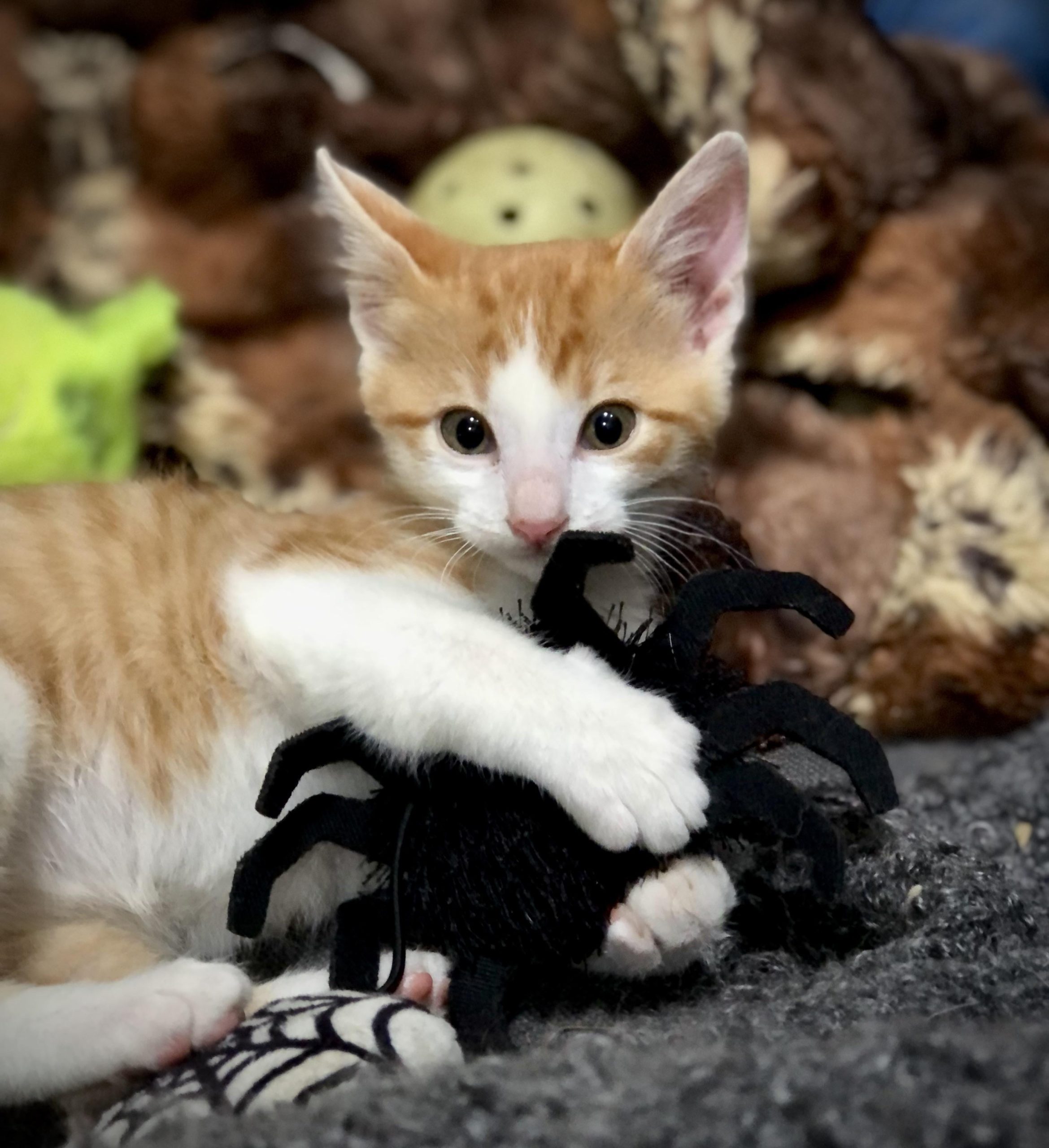
Have you ever noticed your cat suddenly freeze or jump back when they see a toy snake? It’s a curious sight that makes you wonder: are cats really scared of toy snakes?
Understanding your cat’s reaction can help you learn more about their instincts and behavior. You’ll discover why your furry friend might be wary of those slithering toys and what it means for their natural fears. Keep reading to unlock the surprising truth behind your cat’s reaction to toy snakes!
Cat Instincts And Fear
Cats rely heavily on their instincts to navigate the world safely. Fear plays a key role in protecting them from danger. Their reactions to objects like toy snakes often stem from these deep-rooted instincts. Understanding how cats sense threats and their predatory nature helps explain their behavior toward such toys.
How Cats Detect Threats
Cats use their senses to spot danger quickly. Their sharp eyes catch fast movements and unusual shapes. Their ears pick up faint sounds that humans might miss. The whiskers help them sense nearby objects without seeing them. This combination allows cats to react fast to any possible threat.
Cats also notice changes in their environment. A new object, like a toy snake, can trigger alertness. They watch it closely to decide if it is harmful or safe. This cautious behavior helps them avoid real dangers.
Role Of Predatory Instincts
Cats are natural hunters. Their instincts push them to chase and pounce on small, moving things. A toy snake’s shape and movement can trigger these hunting urges. Cats may see the toy as prey or a threat to investigate.
Their fear can come from the unknown or sudden movements. Predatory instincts mix with caution to guide their response. This blend of curiosity and fear keeps cats alert and ready to act.
Reactions To Toy Snakes
Toy snakes often spark a variety of reactions from cats. Some cats jump back, while others approach with curiosity. These responses reveal how cats perceive toy snakes as threats or playthings. Understanding these reactions helps pet owners gauge their cat’s comfort and behavior around unfamiliar objects.
Common Responses
- Startling or jumping away quickly
- Hissing or growling at the toy
- Batting or pawing cautiously
- Sniffing the toy to investigate
- Ignoring the toy completely
Factors Influencing Fear
Past experiences shape a cat’s fear level. Cats with little exposure to snakes may show stronger reactions. The toy’s size and movement also affect responses. Sudden motions often trigger fear, while still toys might not. The environment plays a role; a safe place reduces stress.
Behavioral Variations Among Cats
Each cat reacts uniquely to toy snakes. Some are naturally bold and curious. Others are shy and easily scared. Age matters too; kittens may be more playful than older cats. Personality and breed traits influence behavior as well. Observing your cat helps understand their specific reactions.
Visual And Sensory Triggers
Cats react strongly to what they see and sense around them. Their instincts help them detect threats or playthings. Toy snakes can trigger these instincts because of how they look and feel. Cats rely on visual and sensory clues to decide if something is scary or fun.
Impact Of Movement And Shape
Cats notice movement quickly. A toy snake that moves like a real snake grabs their attention. The shape also matters. Long, thin shapes resemble snakes and can make cats cautious. Sudden movements can startle cats, causing fear or curiosity. Slow, smooth moves might make cats more interested than scared.
Role Of Smell And Texture
Cats use their noses to explore new objects. A toy snake with no smell may seem less threatening. If it has a strange or strong scent, cats might avoid it. Texture also plays a part. Rough or rubbery surfaces feel different from real snakes. Cats often touch objects with paws to check texture before reacting.

Credit: www.amazon.ca
Comparing Real Snakes And Toys
Cats often react differently to toy snakes compared to real ones. Some cats may show fear, while others are curious or indifferent. The toy’s size, movement, and smell can influence a cat’s response.
Comparing Real Snakes and Toys Cats have fascinating instincts when it comes to snakes. While some cats may panic at the sight of a toy snake, others may find it a source of endless amusement. It’s intriguing to see how cats react differently to real snakes compared to their toy counterparts.Differences In Cat Behavior
A real snake can trigger a cat’s survival instincts. Many cats will exhibit cautious behavior when confronted with a real snake, often opting to keep a safe distance. In contrast, a toy snake might be seen as a harmless plaything, inviting them to pounce and bat it around. Cats may react to the texture and movement of a toy snake more than its appearance. The unpredictable wiggle of a toy snake can mimic the movements of a real one, provoking a playful response. Yet, some cats remain indifferent, seeing it as just another object in their territory.Why Some Cats Are More Cautious
Not all cats are the same when it comes to fear of snakes. Some cats have more cautious personalities due to their past experiences or natural disposition. A cat that has encountered a real snake might be more wary of anything resembling it. You might notice your cat approaching a toy snake with a mix of curiosity and caution. This behavior can be influenced by their age, breed, and even their environment. Do you observe your cat hesitating before swatting at a toy snake? Understanding why your cat reacts the way it does can help you cater to its comfort and enjoyment. Whether your cat is a fearless hunter or a cautious observer, respecting its behavior can strengthen your bond.Benefits Of Using Toy Snakes
Toy snakes offer more than just a moment of curiosity for your cat. They bring several benefits that can enhance your pet’s daily life. Using these toys can keep your cat engaged and promote healthier behaviors.
Stimulating Play And Exercise
Toy snakes trigger your cat’s natural hunting instincts. Their realistic movement and shape make cats want to chase and pounce. This encourages physical activity, helping your cat stay fit and agile.
Regular play with toy snakes can prevent boredom, which often leads to destructive behavior. Have you noticed how your cat perks up when a toy snake slithers across the floor? That excitement turns into valuable exercise.
Reducing Anxiety And Stress
Introducing toy snakes can also ease your cat’s anxiety. Engaging with a familiar but challenging toy distracts them from stressors like loud noises or changes in routine.
Playing with toy snakes offers a sense of control and comfort. This helps reduce nervous energy and calms your cat down after a stressful day. Could a simple toy snake be the key to a more relaxed feline friend?

Credit: www.reddit.com
Tips For Introducing Toy Snakes
Introducing toy snakes to your cat can be a fun way to stimulate their natural hunting instincts. However, it’s important to proceed thoughtfully to ensure your cat feels safe and enjoys the new toy. Here are some tips to help you introduce toy snakes in a way that promotes positive play and comfort.
Safe Play Practices
Always choose toy snakes made from non-toxic materials that are durable enough to withstand biting and scratching. Avoid toys with small parts that could be swallowed or cause choking. Keep the play area clear of hazards so your cat can focus on the toy without distractions or dangers.
Introduce the toy snake gradually by placing it near your cat’s favorite resting spot. Let your cat sniff and observe the toy without forcing interaction. You might notice your cat pawing gently or cautiously approaching, which is a good sign they’re curious but not scared.
Observing Cat Comfort Levels
Watch your cat’s body language closely during play. Signs like puffed-up fur, flattened ears, or hissing mean your cat is feeling threatened or stressed. If you see these, give your cat some space and try again later with a softer approach.
Notice if your cat starts batting the toy snake or carrying it around. These behaviors suggest they’re comfortable and engaged. You can then increase playtime gradually, mixing in other toys to keep things interesting.
Have you ever noticed your cat’s unique way of exploring new toys? Paying attention to these subtle cues helps you support your cat’s confidence and enjoyment. What other toys has your cat warmed up to slowly?

Credit: www.amazon.co.uk
Frequently Asked Questions
Are Cats Naturally Afraid Of Toy Snakes?
Cats may instinctively react to toy snakes due to their shape and movement. This triggers their hunting or fear response. However, reactions vary among cats based on personality and experience.
How Do Cats Usually Respond To Toy Snakes?
Cats often show curiosity, cautiousness, or fear toward toy snakes. They may paw, stalk, or avoid them. These responses depend on the cat’s temperament and past encounters.
Can Toy Snakes Cause Stress In Cats?
Yes, toy snakes can cause mild stress or anxiety in some cats. This happens if the toy resembles a real threat. Monitoring your cat’s behavior helps prevent prolonged fear.
Do Toy Snakes Help In Training Cats?
Toy snakes can be useful for training by stimulating natural instincts. They encourage play and mental engagement. Use them carefully to avoid causing fear or stress.
Conclusion
Cats often react to toy snakes with curiosity or caution. Some feel scared, while others show little interest. Their response depends on personality and past experiences. Toy snakes can mimic real threats, triggering natural instincts. Watching your cat’s behavior helps understand its feelings.
Use toy snakes carefully to avoid stress or fear. Overall, cats may or may not fear toy snakes, but each cat is unique. This simple toy can offer insight into your cat’s mind and play style.



Leave a Reply