Dealing with matted cat hair can be frustrating for both you and your furry friend. If you’ve noticed your cat’s fur looking tangled and clumpy, it’s important to act quickly to prevent discomfort and skin problems.
You might wonder how to carefully remove those mats without hurting your cat or making the situation worse. You’ll discover simple, effective steps to groom matted cat hair at home. By following these tips, you’ll help your cat feel comfortable and keep their coat healthy and shiny.
Keep reading—you and your cat will thank you!

Credit: www.angiesmobilepetstyling.com
Causes Of Matted Cat Hair
Matted cat hair forms when fur tangles and clumps together. This can cause discomfort and skin problems for your cat. Understanding the causes helps prevent mats and keeps your cat’s coat smooth and healthy.
Common Triggers
- Poor grooming habits, especially in older cats.
- Outdoor dirt and debris sticking to fur.
- Excessive moisture from baths or rain.
- Friction from collars or rough surfaces.
- Shedding fur that sticks to other hairs.
Breed And Coat Factors
Certain cat breeds have fur that mats easily. Long-haired cats like Persians and Maine Coons need more care. Their thick, dense fur tangles faster than short-haired breeds. Cats with curly or wavy coats can also develop mats quicker.
Health Issues Impacting Fur
Some health problems affect a cat’s ability to groom. Arthritis or obesity can reduce mobility. Skin infections and parasites cause itching and damage fur. Dental pain may stop cats from grooming their face and neck. These conditions increase matting risk.
Credit: felinefancy.co.uk
Tools For Grooming Matted Fur
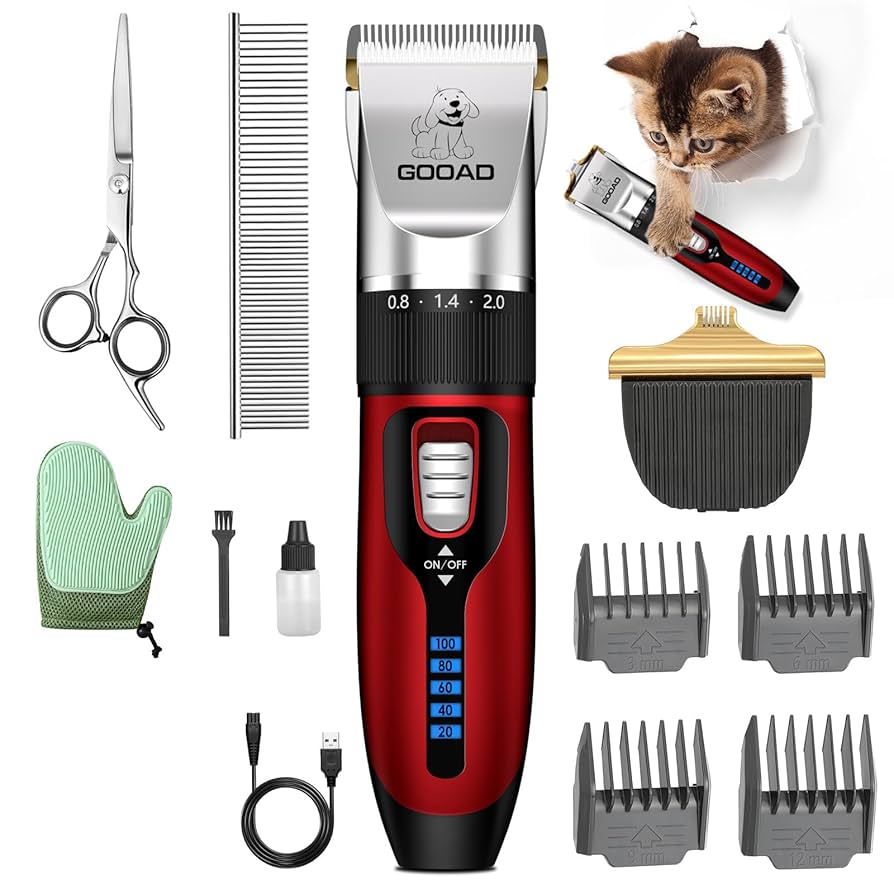
Grooming matted cat fur requires the right set of tools to make the process smoother and less stressful for both you and your feline friend. Having the proper equipment helps you tackle tangles gently and efficiently, reducing discomfort and the risk of skin irritation. Let’s look at the essential tools you should keep handy for grooming matted fur.
Best Brushes And Combs
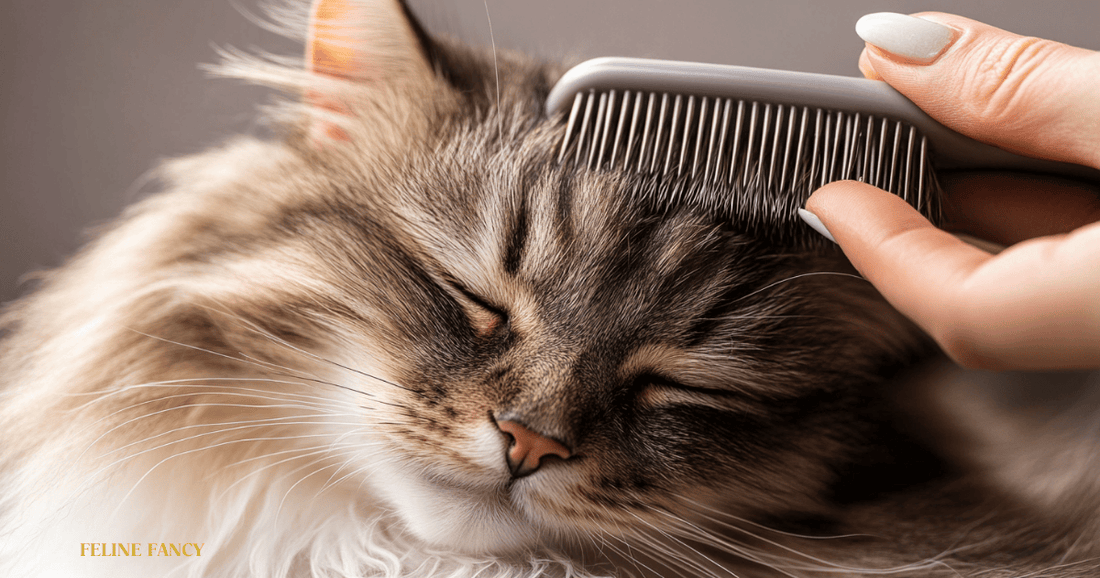
Choosing the right brush or comb is crucial when dealing with mats. Slicker brushes with fine, tightly packed wires work well to loosen knots without pulling too hard. Wide-toothed combs are excellent for gently detangling and breaking up mats without causing pain.
Try to avoid brushes with sharp or stiff bristles, as they can hurt your cat’s sensitive skin. Instead, opt for tools designed specifically for cats with long or thick fur. Have you noticed how certain brushes glide through your cat’s fur while others cause resistance? That difference can make all the difference in your grooming sessions.
Detangling Sprays And Conditioners
Detangling sprays and conditioners can soften matted fur, making it easier to comb through. These products reduce friction and help loosen stubborn knots. Look for formulas that are safe for cats and free from harsh chemicals.
Applying a bit of detangling spray before brushing can save you and your cat a lot of discomfort. Have you ever tried a spray that not only detangles but also leaves your cat’s coat shiny and healthy? That’s a bonus worth seeking out.
Protective Gloves And Scissors
Protective gloves shield your hands from scratches during grooming, especially if your cat is nervous or resistant. They give you better grip and confidence to handle tricky mats without hurting your pet.
Sharp scissors are sometimes needed to carefully cut out mats that are impossible to brush out. Use scissors with rounded tips to avoid accidental cuts to your cat’s skin. Remember, cutting should be a last resort and done with extreme caution—have you prepared yourself with the right scissors just in case?
Preparing Your Cat For Grooming
Preparing your cat for grooming is a crucial step to ensure the process goes smoothly and safely. Cats can be sensitive and anxious, especially when dealing with matted hair, so setting the stage right will help both you and your feline friend. Taking the time to prepare not only reduces stress but also helps you identify any underlying skin issues that might need attention.
Creating A Calm Environment
Choose a quiet room where your cat feels comfortable and safe. Avoid loud noises or sudden movements that might startle your cat. Soft lighting and familiar scents can help your cat relax before you begin grooming.
You might want to play gentle music or use a pheromone diffuser to create a soothing atmosphere. Have all your grooming tools within reach so you don’t have to leave your cat unattended. Have you noticed how your cat reacts to different sounds or spaces? Use that knowledge to create the best environment possible.
Handling Techniques
Start by gently petting your cat to build trust and calm its nerves. Use slow, deliberate movements to avoid triggering fear or aggression. If your cat allows, softly lift the areas with matted hair to check them without pulling.
Support your cat’s body comfortably, holding it close to prevent sudden movements. Speak softly to reassure your cat throughout the process. Remember, patience is key—rushing can make your cat resist future grooming sessions.
Checking Skin And Fur Condition
Before you tackle the mats, examine your cat’s skin for redness, bumps, or sores. Matted hair can hide infections or parasites, so look carefully. If you find any wounds, consult your vet before proceeding with grooming.
Assess the fur’s overall texture and thickness to understand how tangled it is. This will help you decide whether you need specialized tools or professional help. Have you ever noticed subtle changes in your cat’s coat that indicated health problems? Paying attention now can prevent bigger issues later.
Step-by-step Detangling Process
Grooming matted cat hair requires patience and care. A step-by-step detangling process helps maintain your cat’s comfort and coat health. Follow these simple steps to make the process easier and stress-free for both you and your cat.
Starting With Small Sections
Begin by isolating small sections of your cat’s fur. This makes detangling more manageable. Focus on one area at a time. Separate the matted area gently. Use your fingers to feel for knots and tangles. Work on these small sections to avoid overwhelming your pet. This approach reduces stress and discomfort.
Using The Right Tools Gently
Select the right grooming tools for the task. A wide-tooth comb works well on matted fur. You may also need a dematting tool for stubborn knots. Start by combing gently from the tips towards the skin. Avoid pulling or yanking. Be patient and gentle to prevent hurting your cat. A calm approach encourages cooperation from your furry friend.
Dealing With Stubborn Mats
Some mats can be tough to handle. In these cases, use a dematting tool carefully. Slide the tool under the mat and work through slowly. If the mat is too tight, consider cutting it out. Use blunt-end scissors to avoid injury. When in doubt, consult a professional groomer for assistance. Never force or rush the process.
Preventing Future Mats
Preventing future mats in your cat’s fur is key to keeping them comfortable and healthy. Mats don’t just look messy—they can cause skin irritation and restrict movement. Taking simple, consistent steps can save both you and your cat from the hassle of dealing with painful tangles later.
Regular Brushing Routine
Brushing your cat’s fur regularly is the best way to stop mats before they start. Depending on your cat’s coat type, aim for brushing at least a few times a week, or even daily if they have long hair.
Use the right tools for your cat’s fur—slicker brushes work well for long-haired cats, while short-haired cats may do fine with a grooming glove. Pay special attention to areas where mats tend to form, like behind the ears and under the legs.
Have you noticed your cat’s fur feels extra thick or tangled? That’s your cue to brush more frequently. Making brushing a calm, positive experience helps your cat cooperate and even enjoy the routine.
Diet And Hydration Tips
Good nutrition plays a surprising role in your cat’s coat health. A balanced diet rich in omega-3 and omega-6 fatty acids supports shiny, strong fur that’s less likely to mat.
Hydration matters too. Cats often don’t drink enough water, which can lead to dry skin and brittle hair. Try adding wet food to your cat’s meals or offering fresh water in multiple spots around your home.
Consider supplements only after discussing with your vet. Sometimes, simple changes in diet can make a visible difference in your cat’s coat texture and overall grooming ease.
Professional Grooming Options
Even with the best home care, some cats benefit from professional grooming. Groomers have the right tools and experience to safely remove mats without hurting your cat.
Scheduling regular appointments can prevent mats from becoming severe and reduce your grooming workload. If your cat hates brushing or develops mats quickly, a groomer’s help is often worth the investment.
Would you rather spend time playing with your cat than untangling knots? A professional groomer can give you that freedom while keeping your cat’s coat healthy and mat-free.
When To Seek Veterinary Help
Knowing when to seek veterinary help for your cat’s matted hair can save your furry friend from discomfort and serious health issues. While some mats can be managed at home, others require professional care to avoid pain and skin problems. Understanding the warning signs and risks helps you act quickly and keep your cat comfortable.
Signs Of Skin Damage
Look closely at your cat’s skin beneath the mats. If you notice redness, swelling, sores, or scabs, these are clear signs of skin damage. Your cat might also scratch or bite the area frequently, indicating irritation or pain.
Pay attention if your cat shows sensitivity when you touch certain spots. This can mean the mats are pulling on the skin or causing infections. These symptoms call for a vet’s evaluation to prevent worsening conditions.
Severe Matting Risks
Severe matting can trap moisture and dirt, creating a perfect environment for bacteria and fungi. This often leads to infections that are hard to treat without professional help. Mats can also restrict your cat’s movement and blood flow, causing discomfort and even injuries.
Ask yourself: Is your cat’s movement limited or do they seem unusually lethargic? These could be signs that matting is affecting their overall health. Don’t ignore large, tight mats that won’t come out with gentle brushing.
Medical Grooming Solutions
Veterinarians offer safe grooming solutions that protect your cat’s skin while removing mats. They may use special tools or sedation to minimize stress and pain during the process. In some cases, shaving may be necessary to fully remove mats and allow the skin to heal.
After grooming, your vet can recommend products or routines to keep mats from returning. This might include medicated shampoos or regular professional grooming appointments. Remember, getting help early prevents bigger problems down the line.

Credit: www.amazon.com
Frequently Asked Questions
How Do I Safely Remove Matted Cat Hair?
Use a wide-tooth comb or dematting tool gently. Hold the fur close to the skin to avoid pulling. Work slowly to prevent hurting your cat. If mats are severe, consider professional grooming to avoid skin damage and stress.
Can I Use Scissors To Cut Matted Cat Hair?
Scissors are risky and should be used cautiously. Use rounded-tip scissors to avoid cutting the skin. Trim small mats only when combing fails. For large mats, professional grooming is safer to prevent injury.
How Often Should I Groom A Cat To Prevent Mats?
Groom your cat at least once a week. Long-haired cats need daily brushing to avoid mats. Regular grooming removes loose fur and prevents tangles. Consistent care keeps your cat’s coat healthy and mat-free.
What Causes Matting In Cat Fur?
Matting occurs due to dead fur, dirt, and moisture. Lack of regular grooming lets fur tangle and knot. Cats with long or thick coats are more prone. Health issues or obesity can also reduce grooming ability.
Conclusion
Grooming matted cat hair takes patience and care. Use gentle tools and work slowly to avoid hurting your cat. Regular brushing helps prevent mats from forming again. Stay calm and calm your cat too. If mats are too tight, a vet can help safely remove them.
Keeping your cat’s coat clean makes them happier and healthier. Small steps each day make a big difference in grooming. Your cat will thank you with a soft, shiny coat. Keep grooming simple and kind for best results.




Leave a Reply