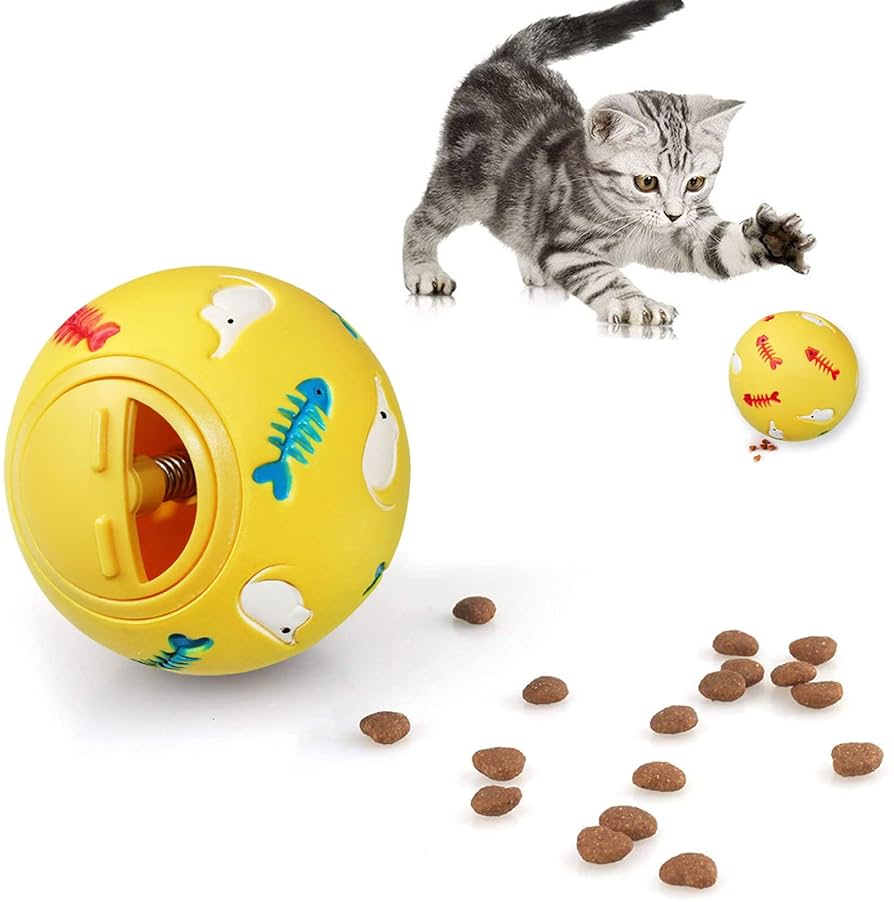
If you want to keep your cat entertained and mentally sharp, training them to use a toy ball feeder is a great idea. You might wonder how to get your furry friend interested and actually use this fun feeding tool.
The good news is, with a little patience and the right steps, you can teach your cat to enjoy mealtime in a playful way. Keep reading, and you’ll discover simple techniques to make this training easy and rewarding for both you and your cat.

Credit: www.reddit.com
Choosing The Right Toy Ball Feeder
Choosing the right toy ball feeder for your cat is more important than you might think. The right feeder can keep your cat engaged, slow down eating, and even encourage exercise. But with so many options available, how do you pick one that fits your cat’s needs and personality?
Types Of Toy Ball Feeders
There are several types of toy ball feeders designed to challenge your cat in different ways. Some have simple rolling balls that release food as they move, while others feature more complex mazes or puzzles your cat must solve.
Think about your cat’s activity level and problem-solving skills. A more active cat might enjoy a feeder with fast-moving balls, while a shy or older cat might prefer something less challenging.
Material And Size Considerations
The material of the feeder affects durability and safety. Plastic feeders are lightweight and easy to clean, but they can break or get scratched over time. Wooden or silicone feeders often last longer and may be gentler on your cat’s claws.
Size matters too. If the feeder is too large, your cat might lose interest; if it’s too small, your cat could get frustrated. Measure your cat’s paws and mouth size to find a feeder that’s a comfortable fit.
Safety Features To Look For
Safety should never be an afterthought. Look for feeders with smooth edges and non-toxic materials to prevent injury or poisoning. Avoid feeders with small parts that could come loose and be swallowed.
Also, consider how easy it is to clean the feeder. Bacteria buildup can harm your cat’s health, so a feeder that you can disassemble and wash thoroughly is best.
Preparing Your Cat For Training
Preparing your cat for training with a toy ball feeder is crucial. Cats need time to adjust to new objects in their space. Patience helps build trust and interest in the feeder. Understanding your cat’s mood and comfort level sets the stage for successful training.
Creating A Comfortable Environment
Choose a quiet spot for the feeder, away from loud noises. Make sure the area is clean and safe. Place familiar items nearby, like your cat’s bed or favorite blanket. This makes the new feeder less intimidating. Keep the lighting soft to avoid startling your cat.
Introducing The Feeder Slowly
Let your cat see and sniff the feeder without forcing interaction. Place it near their usual eating spot for easy access. Offer small treats around the feeder to create positive feelings. Avoid rushing; allow your cat to explore at their own pace. Repeat this for several days before expecting play.
Observing Your Cat’s Behavior
Watch how your cat reacts to the feeder. Look for signs of curiosity, like sniffing or pawing. Notice if your cat seems scared or avoids the feeder. Respect their feelings and give more time if needed. Adjust your approach based on your cat’s comfort and interest levels.
Step-by-step Training Process
Training your cat to use a toy ball feeder takes patience and clear steps. The process helps your cat learn to enjoy the feeder while getting treats. Small, simple actions build your cat’s confidence. Consistent practice turns this into a fun activity for both of you.
Using Treats To Encourage Interaction
Start by placing a few treats near the toy ball feeder. Let your cat sniff and explore the area without pressure. Use treats to draw your cat’s attention to the feeder. Reward any curious behavior, like touching or pawing the ball. This builds a positive link between treats and the feeder.
Demonstrating How The Feeder Works
Show your cat how the ball moves and releases treats. Roll the ball gently so treats fall out. Let your cat watch closely. Repeat this several times to create interest. Your cat starts to understand the cause and effect between the ball and treats.
Reinforcing Positive Behavior
Praise your cat each time it interacts with the feeder. Use a soft voice and gentle petting as a reward. Give treats right after your cat uses the toy correctly. This encourages your cat to repeat the behavior. Avoid scolding or forcing your cat near the feeder.
Gradually Increasing Difficulty
Make the feeder a bit harder to use over time. Adjust the ball so treats come out only after more effort. Watch your cat’s reaction and support it through challenges. This keeps the game stimulating without causing frustration. Slowly, your cat will become skilled and confident using the feeder.
Troubleshooting Common Issues
Cats may ignore the toy ball feeder at first. Gently encourage them by placing treats inside and showing how it works. Patience helps your cat learn and enjoy the feeder over time.
Training your cat to use a toy ball feeder can be a rewarding experience, but it’s not always smooth sailing. Some cats might face hurdles that require a bit of troubleshooting. Whether your feline friend shows disinterest, exhibits frustration, or you need to tweak your training methods, understanding and addressing these issues can make all the difference.Dealing With Disinterest
A cat uninterested in a new toy ball feeder can be a common hiccup. Try incorporating their favorite treats or kibble into the ball to spark their curiosity. Make sure the feeder is accessible and placed in a familiar, comfortable area to encourage interaction. Sometimes, your cat might simply need more time to adjust. Gradually introduce the toy during playtime, allowing them to explore at their own pace. Remember, patience is key, and positive reinforcement can help increase their engagement.Handling Frustration Or Fear
Cats may become frustrated or even fearful when they struggle to get food from the feeder. Observe your cat closely. If they appear stressed, take a step back and reassess the situation. Consider reducing the challenge by making the feeder easier to manipulate. Start with a feeder that dispenses food with minimal effort and gradually increase the difficulty. Always reassure your cat with gentle words and petting to build their confidence.Adjusting Training Techniques
If your initial approach isn’t yielding results, don’t hesitate to adjust your techniques. Experiment with different types of toy ball feeders to see which design your cat prefers. You might need to adjust the size of the treats or kibble to ensure they fit and come out smoothly. Pay attention to your cat’s reactions and be willing to pivot your strategy based on their feedback. Have you considered varying the times you introduce the feeder? Sometimes, a simple change in timing can make a significant impact. Observing your cat’s natural playtime and aligning the training sessions accordingly can enhance their interest and participation.Benefits Of Using A Toy Ball Feeder
Using a toy ball feeder offers many benefits for cats and their owners. It turns mealtime into a fun and rewarding activity. Cats enjoy the challenge of getting food from the toy, which keeps them busy and happy. This tool helps improve a cat’s overall well-being in several ways.
Mental Stimulation For Cats
The toy ball feeder encourages problem-solving skills. Cats must think and plan to get the food out. This mental exercise reduces boredom and stress. It keeps their minds sharp and alert. Regular mental challenges can prevent behavioral problems.
Physical Exercise Advantages
Playing with the ball feeder promotes movement and activity. Cats push, bat, and chase the toy to release food. This physical exercise helps maintain a healthy weight. It strengthens muscles and supports joint health. Active cats are often happier and healthier.
Promoting Healthy Eating Habits
The toy ball feeder slows down fast eaters. Cats eat smaller amounts over a longer time. This prevents overeating and aids digestion. It also encourages portion control and mindful eating. Healthy eating habits contribute to better long-term health.
Credit: www.chewy.com
Maintaining The Toy Ball Feeder
Maintaining the toy ball feeder is key to keeping your cat engaged and healthy. A well-kept feeder lasts longer and continues to challenge your cat effectively. Neglecting maintenance can lead to hygiene issues and mechanical problems that frustrate both you and your pet.
Cleaning Tips
Regular cleaning prevents bacteria buildup and keeps the feeder safe for your cat. Use warm water and mild soap to wash all parts thoroughly. Avoid harsh chemicals that might leave harmful residues or scents that deter your cat from using the feeder.
Make it a habit to clean the feeder at least once a week. If your cat has a tendency to drool or leaves food residue, increase cleaning frequency. Dry all parts completely before reassembling to avoid mold growth.
Regular Inspection For Wear
Check the toy ball feeder regularly for any signs of damage or wear. Look for cracks, loose parts, or areas where the ball may not roll smoothly. These issues can stop the feeder from working properly and reduce your cat’s interest.
Think about how your cat uses the feeder. If the ball gets stuck or parts don’t move as they should, it’s time to inspect. Early detection of wear prevents bigger problems and keeps playtime fun.
Replacing Parts When Needed
Some parts of the toy ball feeder may wear out faster than others, especially if your cat is very active. Replace worn-out balls or broken pieces promptly to maintain smooth operation. Using original or compatible parts ensures the feeder works as intended.
Have spare parts ready if possible. It saves you from waiting and losing your cat’s interest. Remember, a well-functioning feeder keeps your cat motivated and encourages healthier eating habits.

Credit: www.walmart.com
Frequently Asked Questions
How Long Does It Take To Train A Cat With A Toy Ball Feeder?
Training usually takes 1 to 2 weeks. Consistent daily sessions of 10-15 minutes help your cat learn quickly. Patience and positive reinforcement speed up the process.
What Treats Work Best With A Toy Ball Feeder?
Small, soft treats or dry kibble pieces work best. Use your cat’s favorite snacks to keep them motivated. Avoid large or hard treats that can get stuck inside the feeder.
How Do I Encourage My Cat To Use The Toy Ball Feeder?
Start by showing your cat how the feeder works. Roll the ball gently to release treats. Praise and reward your cat each time they interact with the feeder.
Can Toy Ball Feeders Help Reduce My Cat’s Overeating?
Yes, toy ball feeders promote slow feeding by making your cat work for treats. This helps prevent overeating and keeps your cat mentally stimulated.
Conclusion
Training your cat to use a toy ball feeder takes time and patience. Keep sessions short and fun to hold your cat’s interest. Use treats and praise to encourage good behavior. Watch your cat learn and enjoy the challenge. This activity helps keep your cat active and mentally sharp.
Small steps lead to big progress. Enjoy bonding with your pet through this simple training. Your cat will thank you with playful energy and happiness.



Leave a Reply