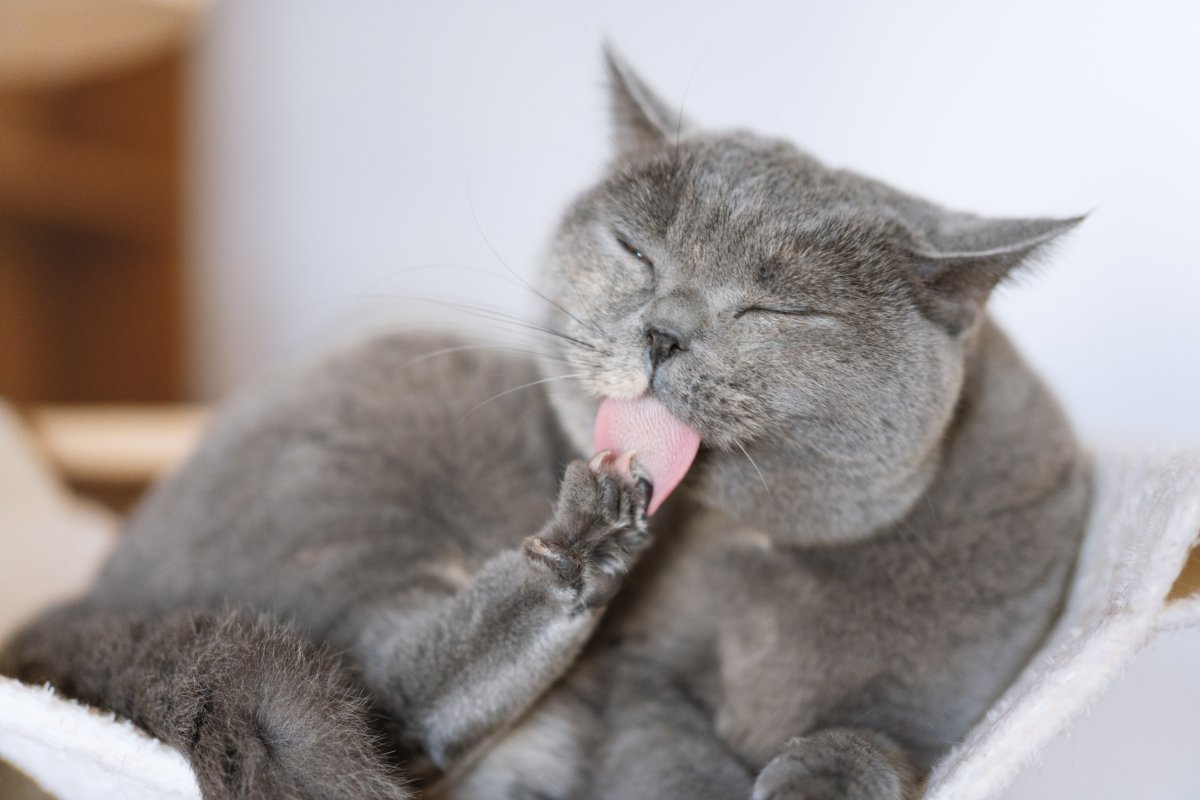
Have you ever watched your cat stop what they’re doing and start grooming right in front of you? It might seem like a simple, everyday action.
But there’s more to this behavior than meets the eye. When your cat grooms themselves around you, they’re actually sending you important messages—about trust, comfort, and even their mood. Understanding why your feline friend does this can deepen the bond you share.
Keep reading, and you’ll discover what your cat’s grooming really means and how it affects your relationship.
Cat Grooming Basics
Watching a cat groom itself can be surprisingly calming and even a little fascinating. Understanding the basics of cat grooming helps you appreciate why your feline friend spends so much time cleaning its fur. Grooming is more than just keeping clean—it’s a vital part of your cat’s health and well-being.
Why Cats Groom Themselves
Cats groom themselves to keep their fur clean and free of dirt, parasites, and loose hair. This behavior helps regulate body temperature by spreading natural oils over their coat, making it water-resistant and shiny.
Have you noticed your cat licking its paws and then rubbing its face? This isn’t just about looking neat; it’s about comfort and stress relief. Grooming can calm anxious cats and even help them focus.
Common Grooming Behaviors
- Licking:Cats use their rough tongues to clean their fur and remove loose hair.
- Biting or nibbling:Helps remove tough dirt or mats from the coat.
- Paw licking:They wet their paws and use them to wipe hard-to-reach areas like the face and ears.
- Stretching:Often happens while grooming to reach different parts of the body.
One time, I saw my cat stop mid-groom to stare at me, tongue out and fur slightly ruffled. It made me realize grooming is also about trust—your cat feels safe enough to focus on itself around you.
Next time your cat grooms in front of you, watch closely. Which behavior stands out most? Understanding these subtle actions can deepen your connection with your pet and help you spot any grooming problems early.
Grooming As A Sign Of Comfort
Cats grooming themselves in front of you shows they feel calm and relaxed. Grooming is a natural behavior that helps cats stay clean and healthy. When they do this openly, it means they trust their surroundings and the people near them.
Feeling Safe Around You
Grooming is a sign cats feel safe. Cats only groom when they are comfortable and not worried about danger. If your cat cleans itself near you, it means your presence makes them feel secure. They do not see you as a threat. This calm behavior shows they trust you.
Building Trust Through Grooming
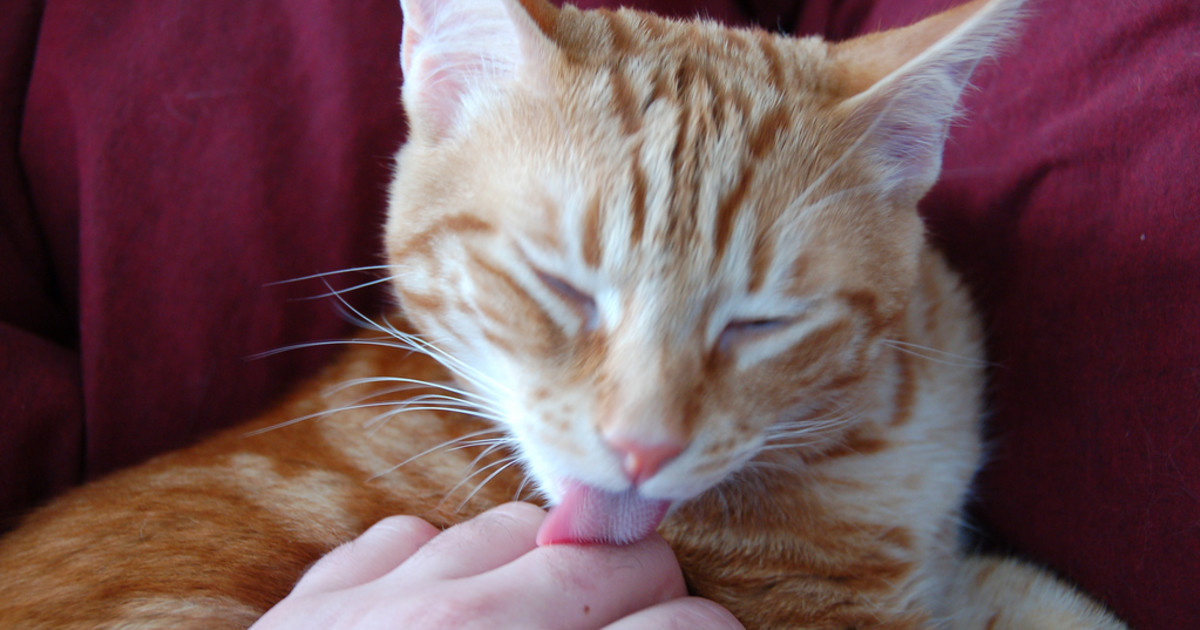
Grooming in front of you helps build trust between you and your cat. It shows your cat accepts your company. This trust grows over time with gentle care and attention. Cats may even groom you back as a sign of friendship and bonding. Watching your cat groom can deepen your connection.
Grooming And Social Bonds
Grooming is more than just a way for cats to stay clean. It plays a vital role in building and maintaining social bonds. When your cat grooms in front of you, it’s not just about hygiene—it’s a sign of trust and connection.
Mimicking Social Grooming
Cats often groom each other to strengthen their social ties. When your cat grooms itself near you, it’s similar to this behavior. It’s like they’re including you in their social circle.
This action can be seen as your cat’s way of saying, “I feel safe with you.” It’s a subtle invitation to share a moment of calm and closeness. Have you noticed your cat pauses and looks at you while grooming? That’s their way of checking in.
Strengthening Your Relationship
Watching your cat groom in your presence can deepen your bond. It shows they trust you enough to relax and be vulnerable. You can gently respond by petting them during or after grooming to reinforce this connection.
Try to create a peaceful environment when your cat grooms—soft lighting and quiet sounds help them feel secure. This encourages more of these bonding moments. How often do you take time to just observe your cat’s grooming rituals?

Credit: www.katdootje.nl
Stress And Grooming Patterns
Understanding your cat’s grooming patterns can reveal a lot about its well-being. Cats often groom themselves to relax and stay clean. Yet, changes in grooming can signal stress. Recognizing these patterns helps maintain your cat’s health and happiness.
Overgrooming As A Stress Signal
Overgrooming is a common sign of stress in cats. You may notice bald spots or irritated skin. This behavior can be due to anxiety, environmental changes, or health issues. Frequent grooming might also indicate boredom or a lack of stimulation. Observing these patterns helps identify stress sources. Address the root cause to improve your cat’s comfort.
Calming Effects Of Grooming
Grooming has a soothing effect on cats. It releases endorphins, reducing stress and anxiety. This self-care ritual helps cats manage their emotions. Regular grooming ensures a calm and balanced demeanor. Encourage your cat’s grooming habits by providing a peaceful environment. Maintain a consistent routine to minimize stress triggers.
Health Clues From Grooming Habits
Cats are known for their fastidious grooming habits. These habits reveal a lot about their health and well-being. Observing how your cat grooms can give important clues about its physical condition. Changes in grooming patterns often signal health problems early. Understanding these signs helps in taking timely action to keep your cat healthy.
Changes In Grooming And Illness
A healthy cat grooms regularly to keep its fur clean and smooth. Sudden changes like less grooming or over-grooming may indicate illness. Cats with pain might avoid grooming certain body parts. Over-grooming can cause bald spots or skin wounds. These signs may point to skin allergies, infections, or stress. Cats with dental pain might stop grooming their face. Poor grooming often links to arthritis or other chronic conditions. Watch for:
- Mattes or greasy fur
- Bald patches or sores
- Excessive licking or biting
- Changes in grooming frequency
When To Consult A Vet
Seek veterinary help if grooming changes last more than a few days. Immediate vet visits are necessary if your cat shows wounds or hair loss. Also, consult a vet if your cat appears lethargic or loses appetite. Early diagnosis improves treatment success for many diseases. Keep notes on grooming habits to share with your vet. This information helps identify the underlying cause quickly. Regular check-ups can catch problems before grooming changes appear.

Credit: www.express.co.uk
Grooming And Territory Marking
Cats grooming themselves is more than just cleaning. It is a way to share their scent and mark their territory. This behavior helps cats feel safe and connected to their surroundings, especially near their favorite humans.
Scent Distribution Through Grooming
When cats lick their fur, they spread natural oils and scents. These scents come from glands located in their skin. Grooming helps mix these scents with their fur, creating a unique smell. This scent marks their body and space as familiar and safe.
This scent acts like a signature, telling other cats and animals about their presence. It also comforts the cat by reinforcing their identity. Grooming in front of you means they share their scent with you, showing trust.
Claiming Space Near You
Grooming near you means your cat feels secure and claims the area as theirs. Cats see their owners as part of their territory. By grooming close, they mix their scent with yours.
This behavior signals that you belong to their safe zone. It also reduces stress and helps build a stronger bond. Cats feel calm and protected when they mark their space near trusted people.
Reading Your Cat’s Grooming Signals
Reading your cat’s grooming signals helps you understand their mood and needs. Cats use grooming not just to stay clean but to communicate. Observing their grooming habits reveals feelings like comfort, stress, or contentment. Paying attention to these signals builds a stronger bond with your pet. It also helps spot changes in behavior early, which can signal health issues.
Body Language During Grooming
Watch your cat’s posture and movements during grooming. A relaxed cat will have soft, slow motions. Their eyes might be half-closed, showing trust. If your cat grooms quickly and looks around nervously, it may feel anxious. Flattened ears or a twitching tail indicate discomfort or irritation. Grooming in a curled-up position suggests your cat feels safe. Sudden stops or shaking the head can mean something bothers them.
Interpreting Timing And Context
Timing of grooming offers clues about your cat’s feelings. Grooming after waking shows they feel calm and ready for the day. Grooming during or after a stressful event helps calm nerves. Frequent grooming in a short time might mean stress or skin irritation. Grooming near you often means your cat feels secure. If your cat grooms itself before eating, it might be preparing or calming itself. Noticing these patterns helps understand their emotional state better.
Credit: pethelpful.com
Frequently Asked Questions
Why Do Cats Groom Themselves In Front Of Owners?
Cats groom in front of owners to show trust and comfort. It indicates they feel safe and relaxed in your presence. Grooming also helps maintain cleanliness and reduce stress for cats, strengthening the bond between you and your pet.
Is Grooming A Sign Of A Healthy Cat?
Yes, grooming is a strong sign of a healthy cat. Regular grooming helps cats keep their fur clean and skin healthy. Lack of grooming may indicate illness, stress, or discomfort, so consistent self-grooming reflects good physical and emotional health.
How Often Do Cats Groom Themselves Daily?
Cats typically groom themselves for 30-50% of their waking hours daily. This frequent grooming keeps their fur clean, reduces parasites, and regulates body temperature. Grooming is a vital part of their daily routine for hygiene and comfort.
Can Grooming Behavior Indicate A Cat’s Mood?
Yes, grooming behavior can reflect a cat’s mood. Calm and relaxed cats groom gently, while stressed cats may over-groom or stop grooming. Observing grooming patterns helps understand your cat’s emotional state and well-being.
Conclusion
Cats grooming themselves in front of you shows trust and comfort. They feel safe and relaxed around you. This behavior helps them stay clean and healthy. Watching your cat groom can also be calming for you. It’s a small way they show love and care.
Enjoy these quiet moments with your furry friend. Understanding this habit brings you closer to your cat. Keep giving them a peaceful space to groom freely. Your bond will grow stronger every day.




Leave a Reply