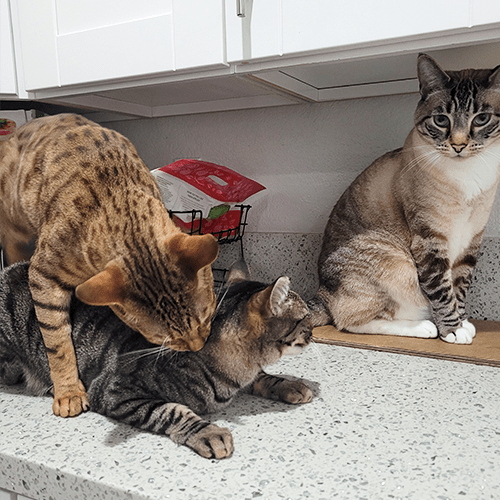
Have you ever watched your cats grooming each other, only to suddenly see them bite or snap? It can be confusing and even a little worrying.
You might wonder, “Why do my cats bite each other when grooming? ” Understanding this behavior is key to keeping your furry friends happy and safe. You’ll discover the surprising reasons behind these bites and learn how to help your cats enjoy their grooming time without conflict.
Keep reading—your cats’ peace of mind depends on it!

Credit: www.reddit.com
Grooming Behavior In Cats
Cats spend a lot of time grooming themselves and each other. This behavior is natural and serves many purposes. Grooming keeps their fur clean and helps them stay healthy. It also plays a role in their social life and communication.
Social Bonding Through Grooming
Grooming is a way cats build trust and friendship. When one cat licks another, it shows care and affection. This action strengthens their bond and reduces tension. Cats that groom each other usually feel safe and relaxed together. Grooming helps maintain peace in a group of cats.
Typical Grooming Patterns
Cats often groom hard-to-reach spots on each other. Common areas include the head, neck, and behind the ears. They use their tongue to clean fur and remove dirt or loose hair. Grooming sessions can last a few minutes or longer depending on the cats. Sometimes, a cat may bite gently to get attention or stop the grooming.
Common Triggers For Biting
Cats often groom each other as a sign of bonding and trust. Yet, biting can interrupt this peaceful behavior. Understanding common triggers for biting helps to keep harmony. These triggers often involve feelings and signals cats exchange during grooming sessions.
Overstimulation During Grooming
Grooming can sometimes overwhelm a cat’s senses. Too much touching in one spot may cause discomfort. Cats may bite to tell their companion to stop. This reaction is a quick way to end overstimulation. Watch for signs like twitching tails or flattened ears.
Territorial Disputes
Cats are naturally territorial animals. Grooming can turn tense if one cat feels its space is invaded. Biting may happen to claim dominance or protect territory. This behavior usually happens between cats that are not fully comfortable with each other. Keeping separate spaces can reduce fights.
Miscommunication Signals
Cats communicate with body language and sounds. Sometimes, signals get misunderstood during grooming. A gentle bite might be seen as aggression by another cat. This confusion can lead to defensive biting. Learning to read these subtle signals helps prevent conflict.
Health And Pain Factors
Understanding the health and pain factors behind your cats biting each other during grooming can help you address the issue effectively. Sometimes, what looks like playful or aggressive behavior might actually be a reaction to discomfort or pain. Paying close attention to their physical condition and how they respond to touch can reveal hidden problems that need your care.
Hidden Injuries Or Skin Issues
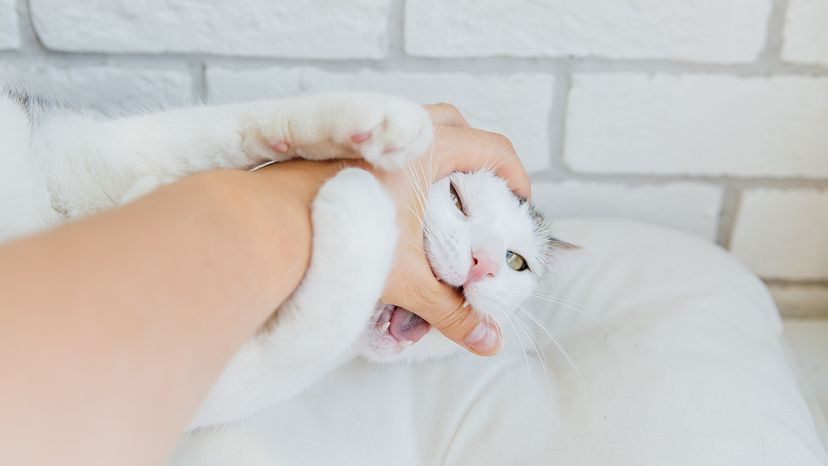
Cats are masters at hiding pain, so a small injury or skin problem might go unnoticed until it triggers biting. Even minor wounds, insect bites, or irritated skin can make grooming uncomfortable or painful for your cat. If one cat bites another during grooming, it might be because the groomed cat is reacting to a sore spot.
Check your cats carefully for:
- Redness or swelling
- Scabs or scratches
- Patches of missing fur
- Signs of fleas or ticks
Identifying and treating these issues early can reduce biting incidents and improve their grooming experience.
Sensitivity To Touch
Some cats have areas on their bodies that are more sensitive than others. Grooming can sometimes involve touching spots that your cat finds uncomfortable, like the belly or tail base. This sensitivity might make your cat snap or bite as a way to protect itself.
Observe your cats’ reactions during grooming:
- Does one cat bite only when certain areas are touched?
- Are there specific grooming behaviors that trigger biting?
Respecting these boundaries can help reduce tension. You might need to guide your cats gently or redirect their grooming to less sensitive areas. Have you noticed if your cats avoid grooming certain spots? That could be your clue.
Credit: animals.howstuffworks.com
Personality And Relationship Dynamics
Cats may bite each other during grooming to set boundaries or show mild irritation. This behavior helps them communicate and maintain their social balance. Understanding their personalities reveals why gentle grooming can sometimes turn into playful or defensive nips.
Understanding the personality and relationship dynamics of your cats can offer valuable insights into their behavior, especially when they start biting each other during grooming sessions. Cats, much like humans, have unique personalities and complex social structures. These interactions can be influenced by various factors such as dominance, hierarchy, and individual temperaments.Dominance And Hierarchy
In a multi-cat household, establishing a hierarchy is often inevitable. You might notice one cat taking the lead during play or meals, which can extend into grooming behaviors. Biting can be a way for the dominant cat to assert control, reminding the other of their place in the pecking order. Observing which cat initiates the grooming and which one bites back can help you identify the leader in your feline pack. Sometimes, this behavior is not about aggression but about reinforcing bonds in their unique way. Have you ever noticed how one cat will groom the other and then suddenly switch to a quick nip? This can be a gentle reminder of who’s in charge or simply a playful interaction.Individual Temperaments
Just like people, cats have their own temperaments. Some are more laid-back, while others might be more energetic or even a bit feisty. This can influence how they interact during grooming sessions. A cat with a more playful or aggressive nature might be quicker to bite, even if the intention isn’t to harm. On the other hand, a mellow cat may simply tolerate the grooming without much fuss, only resorting to biting if they feel overwhelmed. Understanding these individual traits can help you manage their interactions better. Have you ever considered observing your cats’ body language during these sessions? It might reveal whether the biting is playful or a sign of discomfort. By paying attention to these dynamics, you can foster a more harmonious environment for your furry friends. So next time you see them biting during grooming, take a closer look. What is the bite really saying?Preventing Grooming Bites
Preventing grooming bites between cats helps keep peace in your home. Biting during grooming often signals discomfort or overstimulation. Learning how to reduce these bites improves your cats’ relationship. It also makes grooming time calmer for everyone.
Creating Positive Interactions
Encourage gentle grooming by rewarding calm behavior. Use treats or soft petting when cats groom without biting. This teaches them to associate grooming with good feelings.
Provide plenty of toys and playtime to reduce stress. A relaxed cat is less likely to bite during grooming. Create quiet spaces where your cats can retreat and feel safe.
Monitoring And Intervening Early
Watch closely when your cats start grooming each other. Notice signs of irritation like tail flicks or growls. Step in calmly before biting begins to avoid escalation.
Distract your cats with a toy or gentle noise if biting starts. Separate them briefly to cool down if needed. Keep grooming sessions short and positive to prevent frustration.
When To Seek Veterinary Advice
Knowing when to seek veterinary advice is key for your cats’ well-being. Biting during grooming can be normal, but it may also signal deeper problems. Watch closely for unusual signs. Early help can prevent bigger issues. Your vet can guide you through health and behavior concerns.
Signs Of Stress Or Aggression
- Hissing or growling while grooming
- Swatting with claws out
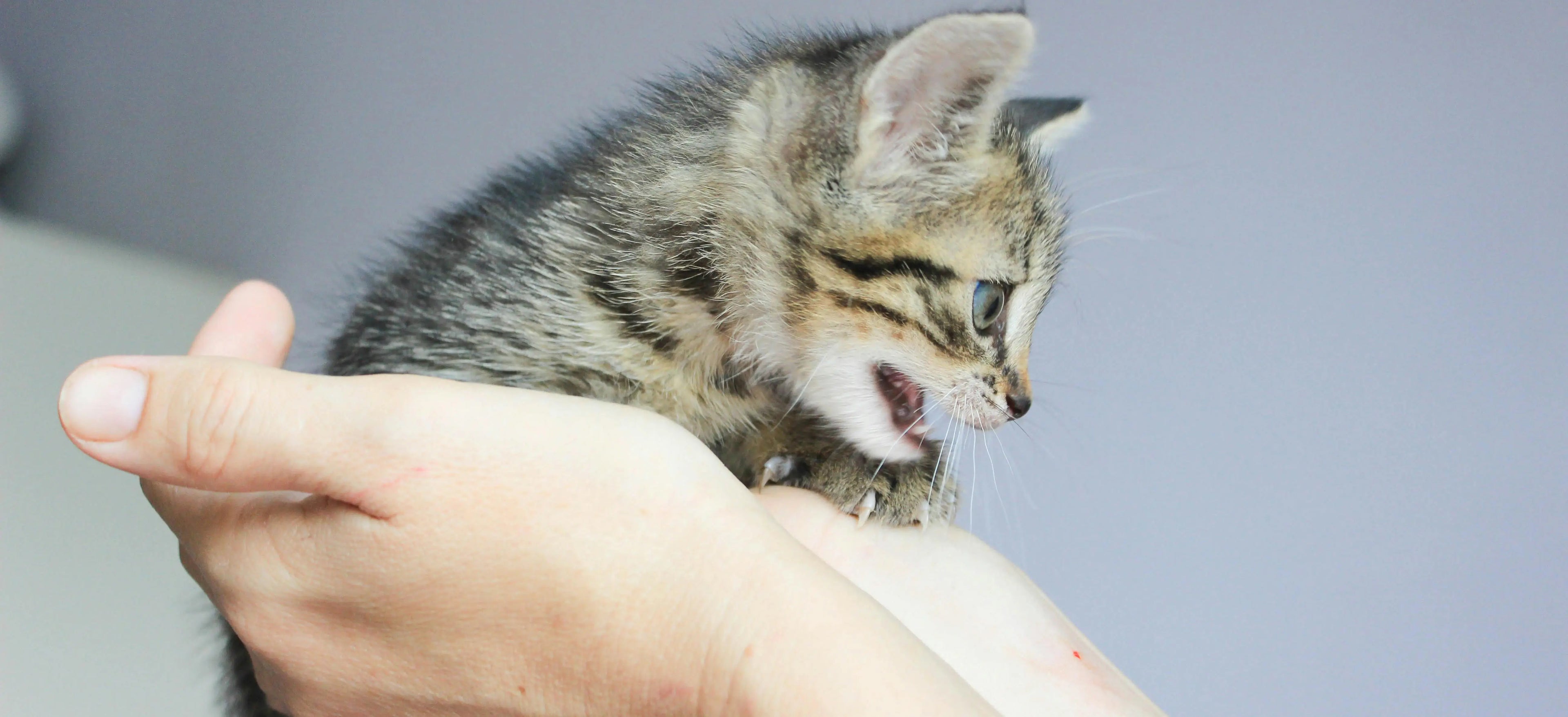
- Sudden, intense biting instead of gentle nibbles
- One cat hiding or avoiding the other
- Repeated fights or chasing after grooming
These signs show tension or fear. Your cats may not enjoy grooming anymore. Stress can harm their health and happiness.
Health Concerns Affecting Behavior
- Skin infections or irritations causing pain
- Dental problems making biting uncomfortable
- Arthritis or joint pain limiting movement
- Neurological issues impacting behavior
- Parasites like fleas causing discomfort
Health problems can make cats grumpy or aggressive. Your vet can check for these conditions. Treating health issues often improves behavior quickly.
Credit: tryfurgo.com
Frequently Asked Questions
Why Do Cats Bite While Grooming Each Other?
Cats bite during grooming to establish boundaries or communicate discomfort. It’s a way to show affection or mild irritation. Sometimes, biting helps them clean hard-to-reach spots. This behavior is natural but varies by individual cat’s temperament and social dynamics.
Is Biting During Grooming Normal Cat Behavior?
Yes, biting during grooming is normal and common among cats. It helps maintain social bonds and signals when one cat wants to stop. Gentle biting is usually harmless, but aggressive biting may indicate stress or dominance issues that need attention.
How Can I Stop Cats From Biting When Grooming?
To reduce biting, observe their body language and intervene early. Provide separate grooming sessions if needed. Use distractions like toys or treats. Ensure each cat feels safe and stress-free. Consulting a vet or behaviorist can help address persistent biting.
Do Cats Bite Each Other Due To Grooming Stress?
Yes, grooming can cause stress leading to biting. If a cat feels overwhelmed or threatened, it may bite to stop the grooming. Stress-related biting indicates discomfort, so providing breaks and a calm environment is essential.
Conclusion
Cats biting each other while grooming is often normal behavior. They show affection and set boundaries this way. Sometimes, it means play or slight irritation. Watch their body language to understand better. If bites become harsh or frequent, intervene gently.
Helping cats feel safe reduces biting during grooming. Patience and observation make a big difference. Each cat pair has its own style. Respect their signals and give them space when needed. This helps keep their bond strong and peaceful.




Leave a Reply