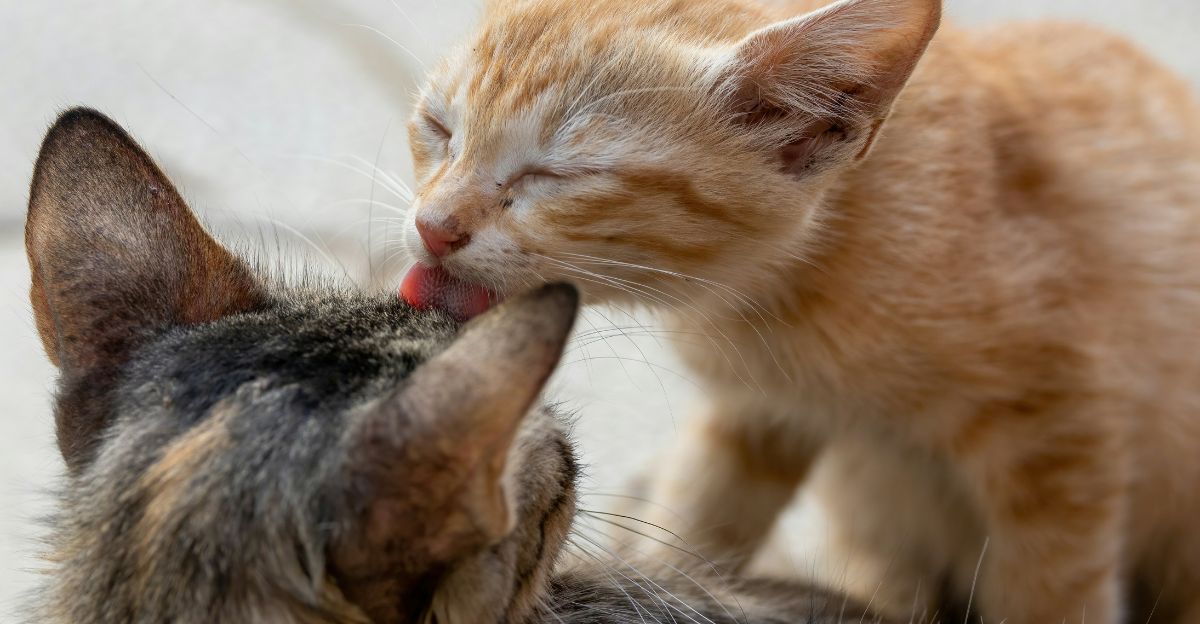
Have you ever caught your cat grooming non-stop and wondered why? It can seem like your furry friend spends hours licking and cleaning themselves every day.
But is this normal, or is there something more going on? Understanding why your cat is always grooming can help you keep them happy and healthy. You’ll discover the surprising reasons behind this behavior and what it means for your cat’s well-being.
Keep reading to learn how to tell if your cat’s grooming is a sign of good care or a hidden problem you need to address.
Normal Grooming Habits
Cats groom themselves often. It is a natural and normal habit. Grooming helps cats stay clean and healthy. Understanding their grooming habits can explain why they spend much time licking their fur.
Daily Grooming Routine
Cats groom several times a day. They use their tongue to lick their fur. This removes dirt and loose hair. Grooming also spreads natural oils across their coat. It keeps their fur soft and shiny. Cats may lick their paws and face too. This keeps sensitive areas clean.
Benefits Of Grooming
- Removes dirt and parasites from the fur
- Prevents matting and tangles
- Helps regulate body temperature
- Strengthens the bond between cats when grooming each other
- Reduces stress and provides comfort
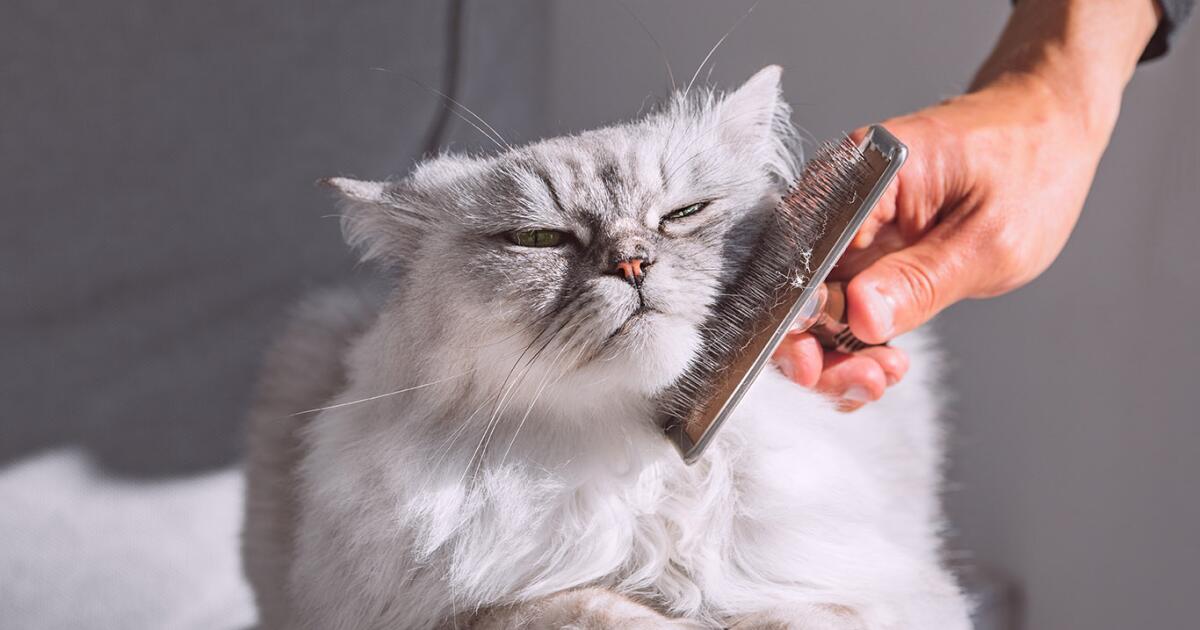
Grooming is not just for cleanliness. It also helps cats feel calm and safe. This habit is important for their overall well-being.
Credit: www.latimes.com
Stress And Anxiety
Stress and anxiety can deeply affect your cat’s behavior, often showing up in ways you might not expect. One common sign is excessive grooming, which can signal that your feline friend is trying to manage feelings of unease. Understanding the root causes of this behavior helps you support your cat’s emotional well-being and improve their quality of life.
Signs Of Stress In Cats
You might notice your cat acting differently before the grooming becomes excessive. Look for changes like:
- Hiding more than usual
- Reduced appetite or changes in eating habits
- Unusual vocalizations or increased meowing
- Restlessness or pacing around the room
- Aggression or irritability towards people or other pets
Have you caught your cat suddenly avoiding their favorite spots or acting jumpy? These small clues can tell you that stress is building up.
Grooming As A Coping Mechanism
Grooming releases endorphins in cats, which help calm their nerves. When your cat feels anxious, they might groom more to soothe themselves, much like humans might fidget or bite their nails. This behavior can become repetitive and intense, even causing bald patches or skin irritation.
If your cat’s grooming seems out of control, it’s worth asking: what is triggering their stress? Changes in the household, new pets, or loud noises could be the cause. Offering a calm environment, interactive play, and consistent routines can help reduce your cat’s anxiety and cut down on over-grooming.
Health Issues
When your cat spends a lot of time grooming, it might seem like just normal behavior. But sometimes, excessive grooming signals underlying health issues. Understanding these health concerns can help you decide when to seek veterinary advice and how to support your feline friend effectively.
Skin Allergies And Irritations
Skin allergies often cause cats to groom more than usual. Allergens like pollen, dust, or certain foods can irritate your cat’s skin, making them lick or scratch persistently.
You might notice redness, hair loss, or scabs where your cat grooms the most. Have you checked if your cat’s environment or diet has changed recently? Identifying and removing allergens can reduce their discomfort significantly.
Parasite Infestations
Fleas, mites, and other parasites are common reasons for excessive grooming. These pests cause itching, prompting your cat to lick or bite at affected areas.
Even if you don’t see fleas, your cat’s behavior might indicate their presence. Regular parasite prevention and close inspection of your cat’s fur can help catch infestations early.
Pain Or Discomfort
Sometimes, grooming is a way for cats to soothe pain in a specific spot. Arthritis, wounds, or internal discomfort might lead your cat to focus grooming on one area.
If your cat grooms a particular spot excessively or seems restless, it could be a sign of pain. Don’t ignore this behavior—getting a vet’s opinion can uncover hidden issues before they worsen.
Environmental Factors
Environmental factors play a significant role in your cat’s grooming habits. Changes around them can cause stress or boredom, leading to more frequent licking or cleaning. Understanding these triggers can help you create a more comfortable space for your feline friend.
Changes In Surroundings
Has your cat started grooming excessively after moving to a new home or rearranging furniture? Cats are creatures of habit and sudden changes in their environment can unsettle them.
Even small shifts, like new smells or unfamiliar sounds, can make your cat feel insecure. This insecurity often leads to increased grooming as a way to self-soothe. Observing your cat’s behavior when changes occur can help you identify stress points.
Try to introduce changes gradually. Keeping familiar items like blankets or toys in new spaces can provide comfort. Have you noticed if your cat grooms less when their environment feels stable?
Lack Of Stimulation
Your cat might be grooming more because they’re bored or understimulated. Without enough mental or physical activity, cats often turn to grooming to fill the gap.
Think about your cat’s daily routine. Are they getting enough playtime and interaction? A lack of stimulation can lead to restless energy, which your cat might express through constant licking.
Adding toys, climbing shelves, or regular play sessions can redirect this behavior. Have you tried interactive toys that challenge your cat’s mind? These can reduce excessive grooming by keeping your cat engaged and happy.
Behavioral Concerns
Cats groom themselves to stay clean and healthy. But sometimes, grooming can become a behavior problem. This can happen for different reasons. Understanding these reasons helps you care better for your cat. Behavioral concerns often cause cats to groom too much. This can hurt their skin or make their fur patchy.
Compulsive Grooming
Compulsive grooming is when a cat grooms too much without stopping. It is like a habit that they cannot control. Stress or anxiety often causes this behavior. Cats may lick or bite the same spot repeatedly. This can cause sores or hair loss. Watch for signs like bald patches or red skin. This behavior needs attention to prevent harm.
Boredom And Attention Seeking
Sometimes cats groom more because they are bored. Lack of play or stimulation can make them feel restless. Grooming becomes a way to pass time. Cats also groom to get your attention. If they feel ignored, they may groom to make you notice. Giving your cat toys and playtime helps reduce this behavior. Spend time with your cat to keep them happy and calm.
Credit: www.latimes.com
When To See A Vet
Cats are known for their grooming habits. Yet, excessive grooming can signal a problem. As a cat owner, knowing when to consult a vet is crucial. Understanding the signs of excessive grooming helps determine the need for professional advice.
Excessive Grooming Signs
Excessive grooming can cause noticeable fur loss or bald spots. Your cat may have red, irritated skin or scratches from over-grooming. Licking or biting a specific spot constantly indicates a problem. A visit to the vet is necessary if these signs persist.
Professional Diagnosis And Treatment
A vet can diagnose the cause of excessive grooming. They may perform tests to rule out allergies or skin infections. If stress is the cause, they suggest behavioral therapies. Medications might be prescribed for allergies or infections. The vet tailors the treatment to your cat’s specific needs.

Credit: www.latimes.com
Frequently Asked Questions
Why Does My Cat Groom Itself So Often?
Cats groom to clean their fur, remove dirt, and control body temperature. Frequent grooming also helps reduce stress and spread natural oils, keeping their coat healthy and shiny.
Can Excessive Grooming Indicate Health Problems?
Yes, excessive grooming can signal allergies, skin infections, or parasites. It may also indicate stress or anxiety. Consult a vet if your cat grooms excessively or develops bald spots.
How Does Grooming Benefit My Cat’s Health?
Grooming removes loose fur and dirt, preventing matting and skin infections. It also stimulates blood flow and helps cats regulate their body temperature efficiently.
Is Grooming A Way Cats Show Affection?
Yes, cats groom themselves and others to bond and show trust. Mutual grooming strengthens social connections and provides comfort and reassurance among cats and their owners.
Conclusion
Cats groom themselves to stay clean and healthy. Excessive grooming can show stress or health issues. Watch your cat’s behavior for any changes. Regular grooming helps their skin and fur stay strong. If grooming seems too frequent, a vet visit is wise.
Understanding your cat’s habits helps you care better. Keep your pet happy with love and attention. Grooming is normal, but balance is important too.




Leave a Reply