Have you ever noticed your cat breathing faster than usual and wondered if something’s wrong? Knowing how to tell if your cat is breathing hard can make all the difference in keeping your furry friend safe and healthy.
You’ll learn simple ways to spot signs of heavy breathing in your cat and understand when it’s time to act. Keep reading to discover how you can protect your cat and give yourself peace of mind.
Normal Cat Breathing
Understanding normal cat breathing is important for any pet owner. Cats breathe quietly and smoothly when healthy. Their breathing rate and pattern show how well their lungs work. Observing these signs helps spot any problems early.
Typical Breathing Rate
A healthy cat breathes 20 to 30 times per minute. This rate is slower when the cat is resting or sleeping. Faster breathing may happen after exercise or excitement but should slow down soon.
Counting breaths means watching the rise and fall of the chest. Do this for 15 seconds and multiply by four. This gives an accurate count without disturbing the cat.
Breathing Patterns To Expect
- Breathing is smooth and even, with no pauses.
- The chest and belly move gently and regularly.
- Breaths are quiet; no wheezing or coughing sounds.
- Breathing remains steady during rest and sleep.
These patterns show normal lung function and no distress. Changes may signal health issues needing attention.
Signs Of Hard Breathing
Noticing if your cat is breathing hard can be tricky, but recognizing the signs is crucial for their well-being. Cats often hide discomfort, so you need to be attentive to subtle clues. These signs tell you when their breathing is off and when it’s time to act.
Rapid Breathing
One clear sign of hard breathing is a sudden increase in your cat’s breathing rate. Normally, a resting cat breathes about 20-30 times per minute. If you count noticeably more breaths—like over 40 per minute—it’s a red flag.
Watch your cat while they’re calm. If their chest rises and falls quickly even when they’re resting or sleeping, it could mean they’re struggling to get enough air.
Open Mouth Breathing
Cats usually breathe through their noses. If you catch your cat panting with an open mouth, it’s unusual and often a sign of distress. Open mouth breathing indicates your cat is working harder to breathe, which is not normal.
Think about how often you see your cat with their mouth open just to breathe. If this becomes frequent, it’s a warning you shouldn’t ignore.
Noisy Breathing
Listen closely for sounds like wheezing, coughing, or raspy breathing. These noises can mean your cat’s airways are irritated or blocked. Healthy cats breathe quietly, so any strange sounds deserve attention.
Does your cat’s breathing sound like a soft whistle or a harsh cough? This might indicate a problem with their lungs or throat that needs checking.
Visible Chest Movement
Normally, a cat’s chest moves gently and evenly. If you see exaggerated or uneven chest movements, it might mean your cat is using extra muscles to breathe. Sometimes, their sides may even appear to suck in with each breath.
Pay attention to whether the chest or belly moves more than usual. This visible effort is a clear sign your cat is struggling to breathe comfortably.
Causes Of Hard Breathing In Cats
Hard breathing in cats can signal serious health issues. Understanding the causes helps in recognizing the problem early. Several factors can make a cat breathe hard. Some relate to their lungs and airways, others to the heart or stress. Knowing these causes guides proper care and timely vet visits.
Respiratory Infections
Respiratory infections often cause hard breathing. Cats may have sneezing, coughing, or nasal discharge. Common infections include feline herpesvirus and calicivirus. These infections inflame the airways and lungs. The inflammation narrows breathing passages, making it harder to breathe. Left untreated, infections can worsen quickly.
Heart Problems
Heart problems also lead to hard breathing. Conditions like heart failure cause fluid buildup in the lungs. This fluid makes it difficult for cats to get enough oxygen. Cats may breathe rapidly or with effort. Heart disease symptoms include coughing and lethargy. Immediate veterinary care is important for these cases.
Stress And Anxiety
Stress and anxiety can cause temporary hard breathing in cats. Loud noises, new environments, or unfamiliar people trigger stress. Cats breathe faster when scared or anxious. This type of hard breathing usually stops once the cat calms down. Watching your cat’s behavior helps identify stress causes.
Environmental Factors
Environmental factors affect a cat’s breathing too. Poor air quality, smoke, dust, or strong odors irritate the lungs. Allergens like pollen can cause breathing difficulties. Hot weather raises breathing rate as cats try to cool down. Keeping a clean, safe environment supports healthy breathing.
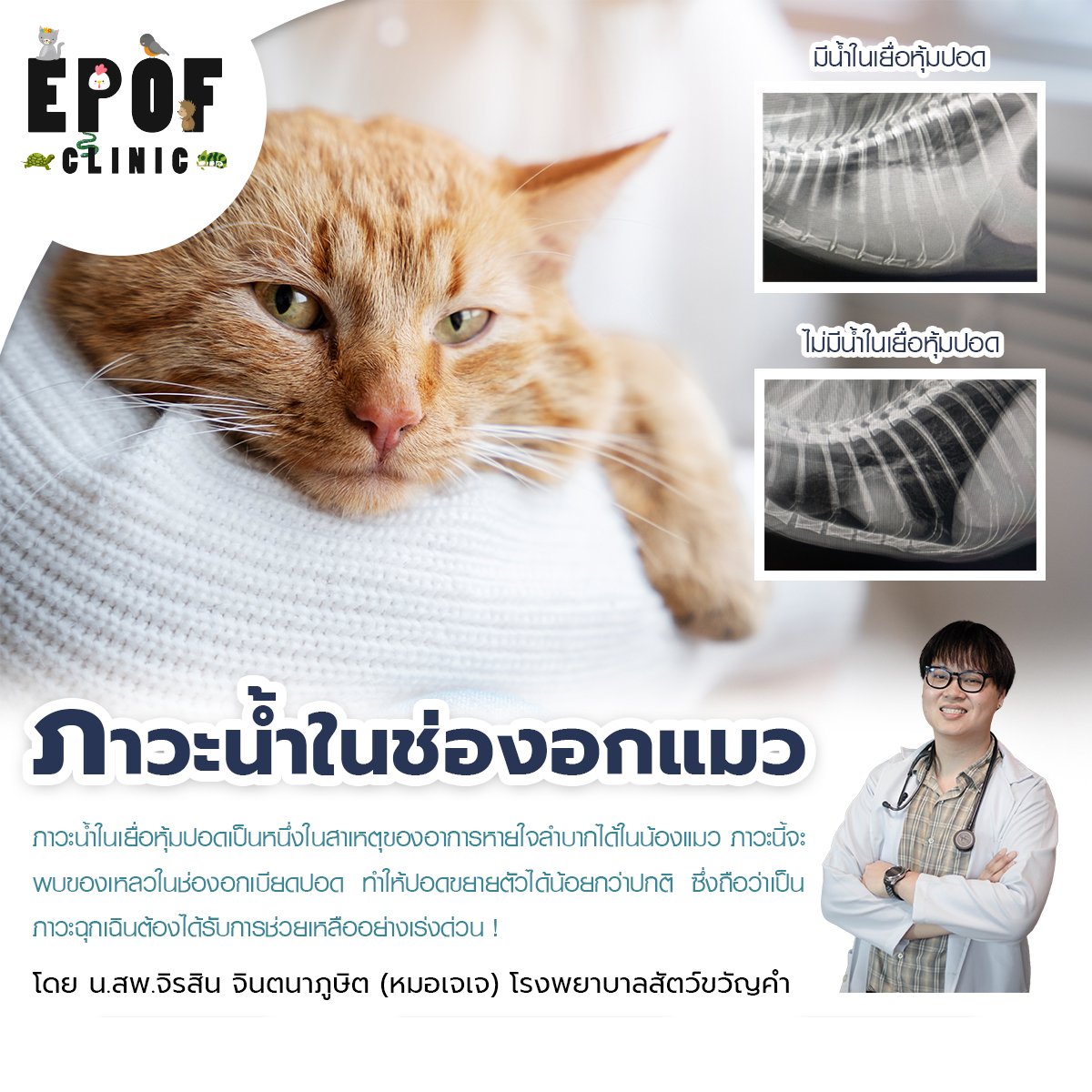
Credit: www.epofclinic.com
How To Monitor Your Cat’s Breathing
Watching your cat’s chest rise and fall helps spot heavy breathing. Notice if breaths are faster or labored, signaling possible health issues. Quiet, steady breaths mean your cat is likely comfortable and relaxed.
Monitoring your cat’s breathing is essential for ensuring their health and well-being. Cats are masters at hiding discomfort, so subtle signs of labored breathing can often go unnoticed. By knowing how to observe and measure your cat’s breathing, you can detect potential issues early and seek the necessary veterinary care.Observing At Rest
The best time to monitor your cat’s breathing is when they are at rest. A calm and relaxed environment provides a more accurate reading of their natural breathing patterns. Notice if your cat is breathing with their mouth open or if there’s any noticeable rise and fall in their abdomen. I once noticed my cat, Whiskers, breathing with a slight wheeze while lounging, which led us to discover an underlying respiratory issue.Counting Breaths Per Minute
To count your cat’s breaths per minute, simply watch their chest rise and fall. Each rise and fall counts as one breath. Set a timer for 30 seconds and multiply the number of breaths you count by two. A normal rate for cats is usually between 15 to 30 breaths per minute. If you notice anything outside this range, it might be time to consult your vet.Using A Stethoscope
If you’re keen to get a closer listen, consider using a stethoscope. This tool can provide a clearer understanding of your cat’s internal breathing sounds. Place it gently on their chest or side, and listen for any irregularities or wheezing. This method can be particularly helpful if your cat has a history of respiratory issues. Remember, your vet is always the best resource for interpreting any unusual sounds. Taking these steps not only helps in identifying potential issues but also strengthens your bond with your feline friend. Have you ever noticed a change in your cat’s breathing? It could be a sign that your attentive care is needed.When To Seek Veterinary Care
Knowing when to seek veterinary care is vital for your cat’s health. Hard breathing can signal serious problems. Quick action can save your pet’s life. Watch closely for signs that need urgent care. Some symptoms show a clear emergency. Others mean the issue is ongoing and needs a vet’s help. Recognizing these signs helps you act fast and wisely.
Emergency Symptoms
- Gasping for air or open-mouth breathing
- Blue or pale gums
- Collapse or loss of consciousness
- Severe coughing or choking sounds
- Rapid breathing over 60 breaths per minute
These signs require immediate veterinary attention. Do not wait or try home remedies. Your cat’s life may depend on fast care.
Persistent Breathing Issues
- Breathing remains fast or labored for more than 24 hours
- Wheezing or noisy breathing continues
- Reluctance to move or play
- Fatigue or weakness with breathing problems
- Appetite loss with breathing difficulty
Persistent issues need a vet to find the cause. Early diagnosis prevents worsening health.
Additional Warning Signs
- Swelling around the neck or chest
- Frequent coughing or gagging
- Weight loss with breathing troubles
- Sudden behavior changes or hiding
- Excessive drooling or nasal discharge
These signs may show underlying illness. Veterinary evaluation ensures proper treatment.

Credit: trudellanimalhealth.com
Preventive Measures For Healthy Breathing
Preventive measures help keep your cat’s breathing smooth and healthy. Simple daily habits can reduce risks of breathing problems. These steps protect your cat from infections and stress that cause heavy breathing.
Maintaining Clean Environment
Keep your home clean to avoid dust and allergens. Vacuum floors and furniture often. Wash your cat’s bedding regularly. Use air purifiers to reduce airborne irritants. Avoid smoking or using strong chemicals near your cat.
Regular Vet Checkups
Schedule vet visits at least twice a year. Early exams catch breathing issues before they worsen. Vaccinations protect against respiratory infections. Ask your vet about any changes in your cat’s breathing or behavior.
Managing Stress
Stress can cause your cat to breathe hard. Provide a quiet, safe space for rest. Play gently to keep your cat relaxed. Maintain a regular feeding and sleeping routine. Avoid loud noises or sudden changes in the environment.
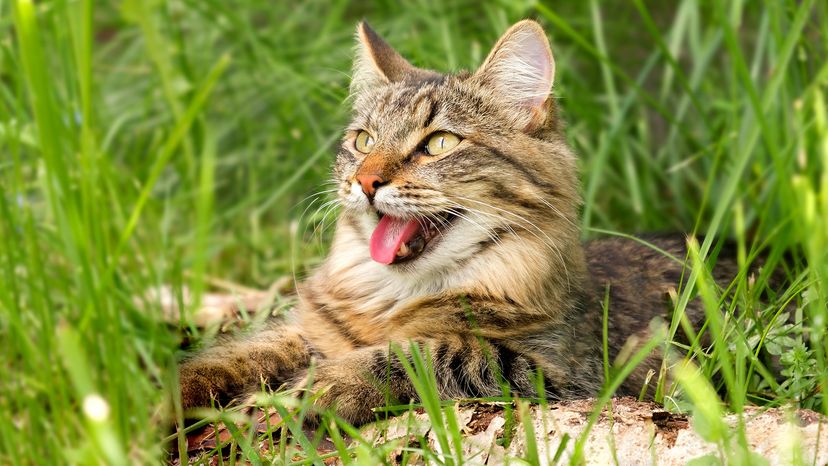
Credit: animals.howstuffworks.com
Frequently Asked Questions
How To Tell If A Cat Is Breathing Hard?
Observe your cat’s chest or belly rising rapidly. Count breaths per minute; normal is 20-30. Hard breathing means faster, shallow breaths.
What Causes Heavy Breathing In Cats?
Heavy breathing may result from stress, overheating, pain, illness, or heart and lung problems. Immediate vet check is advised if persistent.
When Should I Worry About My Cat’s Breathing?
Seek urgent vet care if your cat breathes over 40 times per minute, shows distress, or has blue gums or lethargy.
Can Toys Help Monitor A Cat’s Breathing?
Certain interactive toys can calm cats, reducing stress-related heavy breathing. However, toys don’t directly measure breathing rates.
Conclusion
Watching your cat closely helps you know if it breathes hard. Notice quick or shallow breaths. Listen for unusual sounds like wheezing or coughing. Check for other signs like tiredness or blue gums. Acting fast can protect your cat’s health.
Visit a vet if breathing seems difficult or changes suddenly. Your care makes a big difference in your cat’s life. Stay calm and observe often. This simple step keeps your pet safe and happy.



Leave a Reply