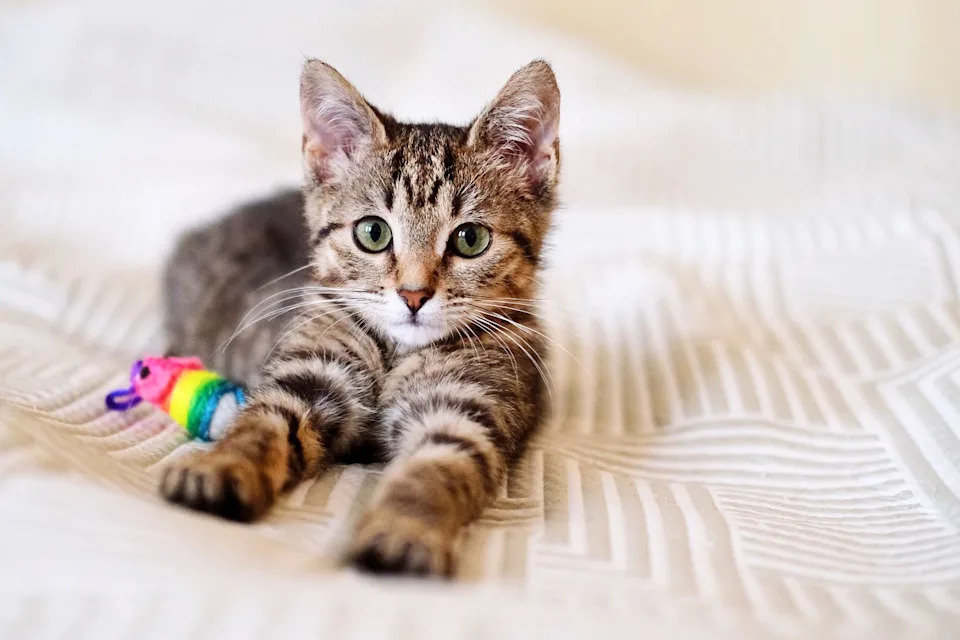
Have you ever noticed how simply petting a cat can make your worries fade away? If you’re looking for a natural way to boost your mood and reduce stress, cats might be exactly what you need.
Their gentle purring, playful antics, and quiet companionship do more than just brighten your day—they can actually improve your mental health. Keep reading to discover how having a cat can help you feel calmer, happier, and more connected every single day.

Credit: www.aol.com
Cats And Stress Relief
Spending time with cats can have a noticeable effect on your stress levels. Their calm presence and gentle nature often bring a sense of peace that’s hard to find elsewhere. You might not realize it, but your cat’s simple behaviors can actively reduce the tension you carry throughout the day.
How Cats Lower Cortisol Levels
Cortisol is the hormone your body produces when you’re stressed. High levels can make you feel anxious, tired, and overwhelmed. Studies show that interacting with cats can help lower these levels.
Petting a cat releases feel-good hormones like oxytocin while reducing cortisol. This means your blood pressure drops, and your mood improves. Even a few minutes of stroking your cat’s fur can calm your mind and body.
Think about the last time you sat quietly with your cat. Did you notice a shift in your breathing or heart rate? Those small moments might be more powerful than you think.
The Role Of Purring In Relaxation
Purring isn’t just a sign that your cat is happy—it also has soothing effects on you. The vibrations from a cat’s purr occur at a frequency known to promote healing and reduce stress.
These gentle sounds can lower anxiety and help you feel grounded. Some people find that listening to their cat purr helps them sleep better or focus during stressful tasks.
Next time your cat curls up and starts purring, try to pause and really listen. How does it make you feel? This simple sound might be your body’s way of finding calm.
Boosting Mood With Feline Companionship
Having a cat as a companion can significantly lift your spirits and improve your mental health. The simple presence of a feline friend offers comfort and joy, turning ordinary moments into sources of happiness. Understanding how cats influence your mood can help you appreciate the small but powerful ways they contribute to your well-being.
Cats And The Release Of Oxytocin
Interacting with cats triggers the release of oxytocin, often called the “love hormone.” This hormone promotes feelings of trust and bonding, helping to reduce stress and anxiety. When you pet your cat or hear its gentle purring, your brain releases oxytocin, which creates a calming effect and makes you feel more connected.
Think about the last time you stroked a cat and felt a sense of calm wash over you. That moment is your brain responding to oxytocin. It’s not just a feel-good hormone; oxytocin also lowers your blood pressure and heart rate, which can help you manage anxiety symptoms more effectively.
Combatting Loneliness Through Cat Interaction
Loneliness can deeply affect your mental health, but cats provide consistent companionship that eases feelings of isolation. Their presence fills quiet spaces and offers a sense of purpose, especially when you care for them daily. This interaction can create a routine, giving your day structure and something to look forward to.
When you come home to a cat that greets you or curls up in your lap, it reminds you that you’re not alone. This connection helps to reduce feelings of loneliness and provides emotional support. Have you noticed how even a brief moment with your cat can shift your mindset and brighten your day?
Routine And Responsibility Benefits
Having a cat brings more than just companionship; it introduces routine and responsibility into your daily life. These elements can play a crucial role in improving your mental health. When you care for a pet, your day gains structure, and that structure can provide a sense of stability and purpose.
Creating Structure With Cat Care
Feeding your cat at the same times each day sets a rhythm for your schedule. This simple act helps you build a consistent daily routine, which many mental health experts say is key to managing stress and anxiety.
Regular tasks like cleaning the litter box or playing with your cat become anchors in your day. They encourage you to step away from worries and focus on the present moment. Have you noticed how even small routines can make your day feel more manageable?
How Responsibility Enhances Mental Stability
Taking care of a cat means you are responsible for another living being’s well-being. This responsibility can boost your self-worth and give you a meaningful reason to get up in the morning.
It’s not just about the tasks; it’s about knowing your actions directly affect your cat’s happiness and health. This connection can improve your mood and reduce feelings of loneliness or helplessness.
Many people find that caring for a pet helps them stay grounded. What small responsibilities in your life give you a similar sense of control and accomplishment?

Credit: www.justfur-babies.com
Sensory Comfort And Emotional Support
Cats provide sensory comfort and emotional support. Their presence helps soothe anxiety and stress. Their soft fur and gentle purring create a calming atmosphere. Cats offer a unique form of companionship that nurtures mental well-being. They offer nonjudgmental support and understanding. This bond enhances emotional stability and resilience.
The Calming Effect Of Cat Touch
Touching a cat can be incredibly soothing. The soft texture of their fur provides tactile comfort. Stroking a cat helps lower blood pressure and reduce stress levels. The warmth of their bodies offers a sense of safety and peace. Cats often curl up beside you, providing warmth and companionship. This physical closeness fosters a sense of belonging.
Cats As Nonjudgmental Listeners
Cats are excellent listeners. They don’t interrupt or criticize. Sharing your thoughts with a cat can be therapeutic. Their quiet presence encourages open expression of feelings. Cats often sit quietly, gazing at you with understanding eyes. This nonverbal communication helps build trust and emotional release. Their attentive nature offers solace during tough times.
Cats In Therapy And Mental Health Programs
Cats play a special role in therapy and mental health programs. Their calm presence helps people feel safe and relaxed. Many therapists include cats to support emotional healing. Cats offer comfort without judgment. They bring joy and reduce feelings of loneliness. Their gentle nature makes them ideal companions in therapy settings.
Animal-assisted Therapy With Cats
Animal-assisted therapy uses cats to improve mental health. Therapists guide interactions between cats and clients. This helps reduce stress and anxiety quickly. Petting a cat lowers heart rate and blood pressure. Cats encourage social interaction and improve mood. Their soft purring creates a soothing atmosphere. Sessions with cats increase feelings of calm and happiness. Many programs use cats in hospitals, nursing homes, and counseling centers.
Success Stories And Research Findings
Research shows cats help reduce depression and stress. Studies find people who spend time with cats feel less lonely. Many report improved sleep and less anxiety after therapy with cats. Success stories include people recovering from trauma and grief. Cats help clients open up and share feelings more easily. Therapists see faster progress in sessions with cats present. These findings support the growing use of cats in mental health care.
Choosing The Right Cat For Mental Wellness
Choosing the right cat for your mental wellness is more than picking a cute face. It means finding a companion whose behavior and care needs fit your lifestyle and emotional needs. This choice can shape your daily mood and long-term mental health in surprising ways.
Personality Traits That Aid Calmness
Look for cats that are naturally calm and affectionate. Cats who enjoy gentle petting and quiet companionship can help lower your stress levels.
Some breeds, like Ragdolls or British Shorthairs, tend to be more relaxed and cuddly. However, individual personality matters more than breed.
Pay attention to how a cat reacts to new people and environments. A calm cat won’t add anxiety to your life but can offer steady comfort instead.
Considering Cat Care Needs
Think about how much time and energy you can realistically give to a cat. Some cats need more playtime and grooming than others.
Kittens and high-energy breeds might require more attention, which could become overwhelming if you’re managing mental health challenges. Older or low-maintenance cats might be better if you want a more predictable routine.
Also, consider your living situation. Does your space support an active cat, or would a quieter, less demanding cat be a better match?
Choosing a cat that fits your lifestyle helps avoid added stress and lets you enjoy the benefits of companionship fully. What kind of cat personality do you think would help you feel most at ease?
Credit: prezi.com
Frequently Asked Questions
How Do Cats Improve Mental Health?
Cats reduce stress and anxiety by providing companionship. Their purring calms the nervous system. Interacting with cats boosts serotonin and dopamine levels, enhancing mood and emotional well-being.
Can Cat Ownership Reduce Depression Symptoms?
Yes, owning cats offers emotional support and reduces feelings of loneliness. Their presence encourages routine, responsibility, and social interaction, which help alleviate depression symptoms effectively.
Why Is Cat Purring Beneficial For Mental Health?
Cat purring creates soothing vibrations that lower stress hormones. These vibrations promote relaxation and healing, improving overall mental health and reducing anxiety and emotional distress.
How Do Cats Help With Anxiety Relief?
Cats provide comfort through their affectionate behavior and calming presence. Petting cats releases oxytocin, a hormone that reduces anxiety and fosters a sense of safety and calmness.
Conclusion
Cats bring comfort and calm to our busy minds. Their gentle purring soothes stress and anxiety. Playing with cats lifts our mood and sparks joy. These furry friends offer quiet company without judgment. They help us feel less lonely and more connected.
Caring for cats builds daily routine and purpose. Small moments with cats create big mental health benefits. Everyone can find peace in a cat’s simple presence.



Leave a Reply