Have you noticed your cat isn’t grooming as much as usual? It might seem like a small change, but it can say a lot about your furry friend’s health and happiness.
When your cat stops cleaning itself regularly, it could be a sign that something is wrong—whether it’s stress, illness, or discomfort. Understanding why your cat’s grooming habits have changed is key to helping them feel better and stay healthy. Keep reading to find out what might be causing this change and what you can do to support your cat right now.
Credit: www.pumpkin.care
Common Grooming Habits
Cats are known for their meticulous grooming habits, which keep their coats clean and healthy. Understanding what normal grooming looks like can help you spot when something might be wrong with your furry friend. Let’s take a closer look at what typical grooming behavior involves and what changes you should watch for.
Normal Grooming Patterns
Most cats spend about 30-50% of their waking hours grooming themselves. They use their tongues to clean their fur, remove loose hair, and spread natural oils that keep their coat shiny. Grooming also helps cats relax and reduces stress, so it’s a regular, calming activity for them.
Typically, you’ll notice your cat licking its face, paws, and body in a steady, rhythmic way. Younger cats and those with longer fur may groom more often to prevent matting. If your cat suddenly stops this regular routine, it could indicate discomfort or other issues.
Signs Of Reduced Grooming
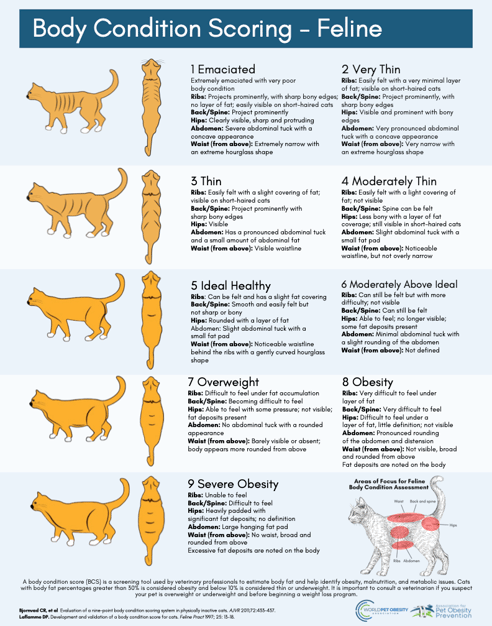
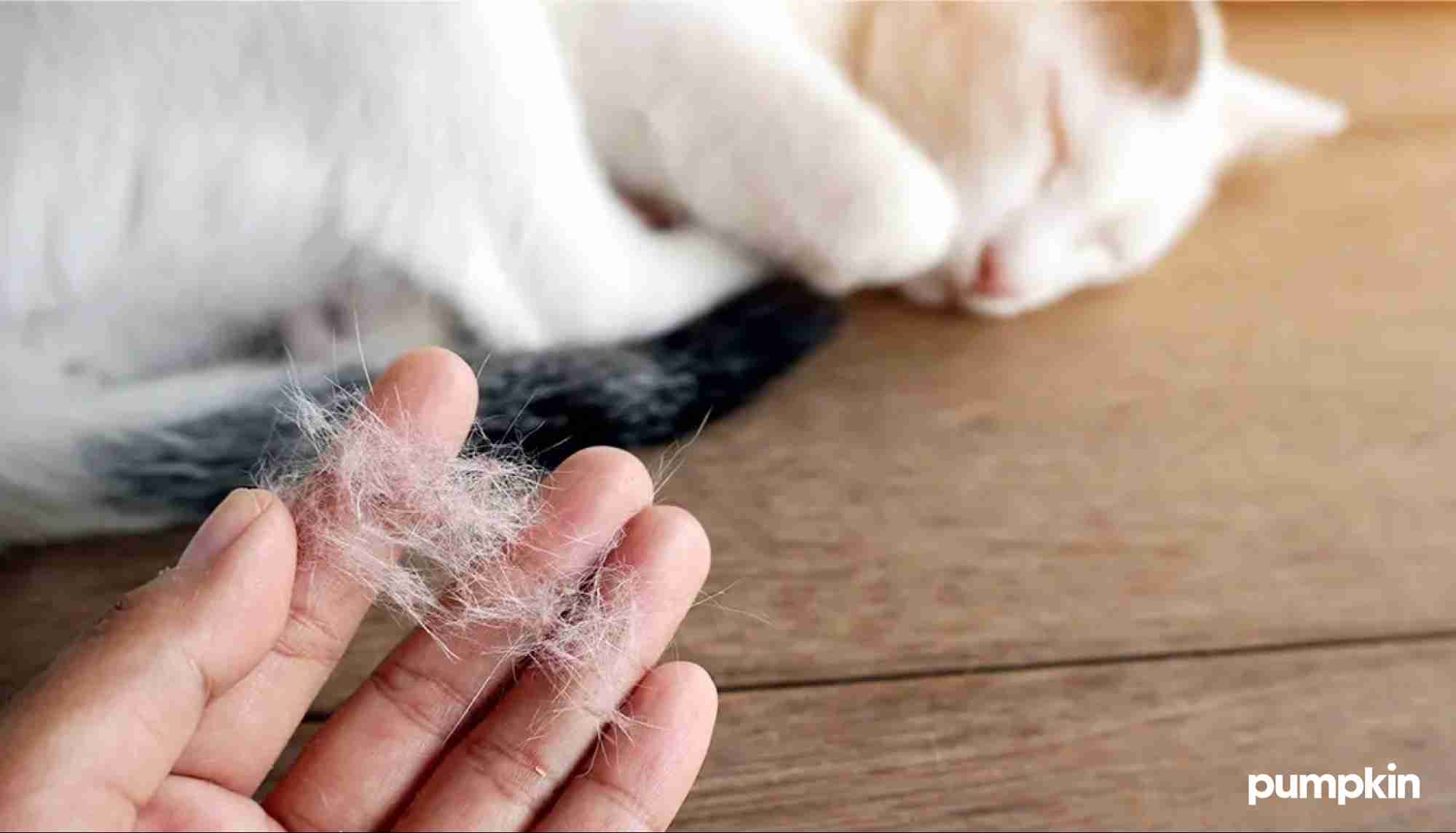
Have you noticed your cat’s fur looking dull, greasy, or matted? These are common signs that your cat is grooming less than usual. Reduced grooming might also cause flaky skin, bad odor, or increased shedding.
Other clues include your cat avoiding licking certain body areas or showing signs of irritation and redness. Sometimes, a cat’s grooming habits change because of pain, illness, or stress. If your cat’s behavior seems off, it’s a good idea to observe closely and consult your vet.
)
Credit: www.northroadvet.com.au
Health Issues Affecting Grooming
When your cat suddenly stops grooming as much, it’s not just about laziness or change in mood. Health issues often play a big role in this behavior shift. Understanding these health problems can help you spot when your feline friend needs medical attention.
Skin Problems
Skin issues like allergies, parasites, or infections can make grooming painful or uncomfortable for your cat. You might notice redness, sores, or excessive scratching instead of the usual smooth grooming routine. If your cat avoids licking certain spots, it’s a clear sign that the skin there hurts or feels irritated.
Dental Pain
Your cat’s mouth health directly affects grooming habits. Dental problems such as tooth decay or gum disease cause pain while cleaning the face or head. If your cat is avoiding grooming around the face or shows signs of drooling, it could be due to dental pain that needs a vet’s check.
Arthritis And Mobility
Older cats, or those with joint issues, often struggle with flexibility. Arthritis can make bending and reaching hard, so grooming becomes a challenge. Have you noticed your cat skipping spots or grooming less overall? This could mean their joints are hurting, and gentle care or medication might help.
Internal Illnesses
Sometimes, the cause isn’t visible on the outside. Internal illnesses like kidney disease or diabetes can drain your cat’s energy, leading to less self-care. If your cat looks tired or loses interest in grooming, it’s worth consulting your vet to rule out these deeper health problems.
Behavioral Causes
Behavioral causes often affect a cat’s grooming habits. Cats rely on grooming for comfort and health. When their behavior changes, grooming may decrease. Understanding these behavioral issues helps improve your cat’s wellbeing.
Stress And Anxiety
Stress makes cats feel uneasy and restless. It can come from loud noises, new people, or other pets. Stressed cats may stop grooming because they feel unsafe. Grooming requires calm and focus, which stress interrupts.
Signs of stress include hiding, aggression, or excessive meowing. Reducing stress can help your cat return to normal grooming habits.
Depression In Cats
Cats can experience sadness or depression too. Loss of a companion or changes in routine can trigger this. Depressed cats may lose interest in grooming and playing.
They might sleep more and eat less. Not grooming properly can worsen their health. Paying attention to mood changes is important to help your cat feel better.
Changes In Environment
Moving to a new home or rearranging furniture can confuse cats. They rely on familiar smells and sights for comfort. A new environment may cause them to groom less.
Introducing new pets or people also disrupts their routine. Cats need time to adjust before they resume normal grooming. Creating a calm space helps them settle faster.

Credit: tryfurgo.com
Age-related Grooming Changes
Cats are known for their grooming habits. They spend hours cleaning themselves. As cats age, grooming habits change. Older cats may groom less frequently. This change can worry pet owners. Understanding age-related grooming changes helps. It ensures your cat remains healthy and comfortable.
Grooming In Senior Cats
Senior cats often groom less. Their bodies change with age. Arthritis can make grooming painful. Limited mobility reduces grooming ability. Dental issues also impact grooming. Cats use their mouths for cleaning. Painful teeth or gums hinder this. Older cats need more help from owners. Regular brushing supports their grooming needs.
Energy Levels And Grooming
Energy levels decline with age. Older cats have less energy for grooming. They prioritize rest over cleaning. This change is normal. Owners can assist by grooming their cats. Brushing helps remove loose fur. It also keeps their skin healthy. Pay attention to your cat’s coat. Regular checks prevent matting and skin issues.
Quick Fixes To Encourage Grooming
If your cat isn’t grooming as much as usual, it’s important to take quick action to encourage this essential behavior. Grooming keeps your cat clean, comfortable, and healthy, so spotting changes early can make a big difference. Let’s look at some straightforward ways you can support your cat’s grooming habits right away.
Regular Vet Checkups
Sometimes a drop in grooming is a sign your cat isn’t feeling well. Regular vet visits help catch health issues like dental problems, arthritis, or skin conditions that might make grooming painful or difficult.
Ask your vet to check for hidden issues that could be causing discomfort. Early detection can prevent bigger problems and get your cat back to its usual routine faster.
Improving Diet And Hydration
Your cat’s diet plays a huge role in its skin and coat health. Make sure your cat is eating high-quality food rich in omega fatty acids, which support shiny, healthy fur.
Hydration also matters. If your cat isn’t drinking enough water, try adding wet food or offering fresh water in different bowls. Have you noticed your cat drinking less lately? Small changes here can boost grooming motivation.
Creating A Calm Environment
Stress can stop your cat from grooming. Loud noises, new pets, or changes in routine may make your cat anxious and less likely to clean itself.
Try to create quiet, cozy spots where your cat feels safe. Sometimes, just a calm environment can encourage your cat to start grooming again on its own.
Assisting With Grooming
If your cat struggles to groom, you can help by brushing its fur regularly. This not only removes loose hair but also stimulates the skin and mimics natural grooming.
Use gentle strokes and observe your cat’s reactions. Would a soft brush or grooming glove work better? Helping your cat this way can keep its coat healthy and strengthen your bond at the same time.
Frequently Asked Questions
Why Is My Cat Grooming Less Than Usual?
Cats may groom less due to illness, pain, stress, or aging. Reduced grooming often signals health issues, so monitor behavior closely. Consulting a vet helps identify causes like skin problems or arthritis, ensuring your cat receives proper care and treatment.
Can Stress Cause My Cat To Stop Grooming?
Yes, stress can lead to decreased grooming in cats. Changes in environment, new pets, or loud noises cause anxiety. Stress affects their normal behavior, including self-care. Reducing stressors and providing a calm space helps restore grooming habits.
Does Aging Affect A Cat’s Grooming Habits?
Aging cats may groom less due to arthritis or reduced flexibility. Older cats find it harder to reach certain areas. They may also experience dental pain or vision loss, impacting grooming. Regular vet visits ensure aging cats stay healthy and comfortable.
Could My Cat’s Grooming Decline Signal Health Issues?
Yes, grooming decline often indicates health problems like skin infections or parasites. It can also mean pain or chronic illness. Early detection through observation and vet checks is crucial for timely treatment and maintaining your cat’s well-being.
Conclusion
Cats stop grooming for many reasons. Health problems, pain, or stress can cause this change. Watch your cat closely for other signs. A visit to the vet might be needed. Helping your cat feel safe and calm is important. Regular grooming can keep your cat happy and healthy.
Remember, your cat’s grooming habits show how they feel. Act quickly to support their well-being. Caring for your cat means understanding their needs every day.




Leave a Reply