
Are you thinking about breeding cats but unsure when the right time is? Knowing the right age to start breeding your cat is crucial—not just for her health, but for the well-being of her kittens too.
If you get it wrong, it could lead to serious problems down the road. You’ll discover exactly when your cat is ready to breed and what signs to watch for. Keep reading to make sure you’re giving your furry friend the best start possible.
Cat Breeding Basics
Breeding cats is a responsibility that requires more than just enthusiasm. Understanding the basic biology and timing is crucial to ensure the health and well-being of your cat and her kittens. Knowing when your cat is ready to breed helps you make informed choices and avoid potential health risks.
When Cats Reach Maturity
Cats usually reach sexual maturity between 5 to 12 months of age. However, this can vary widely depending on their breed, size, and overall health. Smaller breeds tend to mature faster, while larger breeds may take longer to develop fully.
It’s important to wait until your cat is physically mature, not just sexually mature. Early breeding can lead to health problems for both the mother and her kittens. Have you noticed how some cats seem younger but already show signs of heat? That’s a sign of early maturity, but it doesn’t mean they are ready for breeding.
Signs Your Cat Is Ready
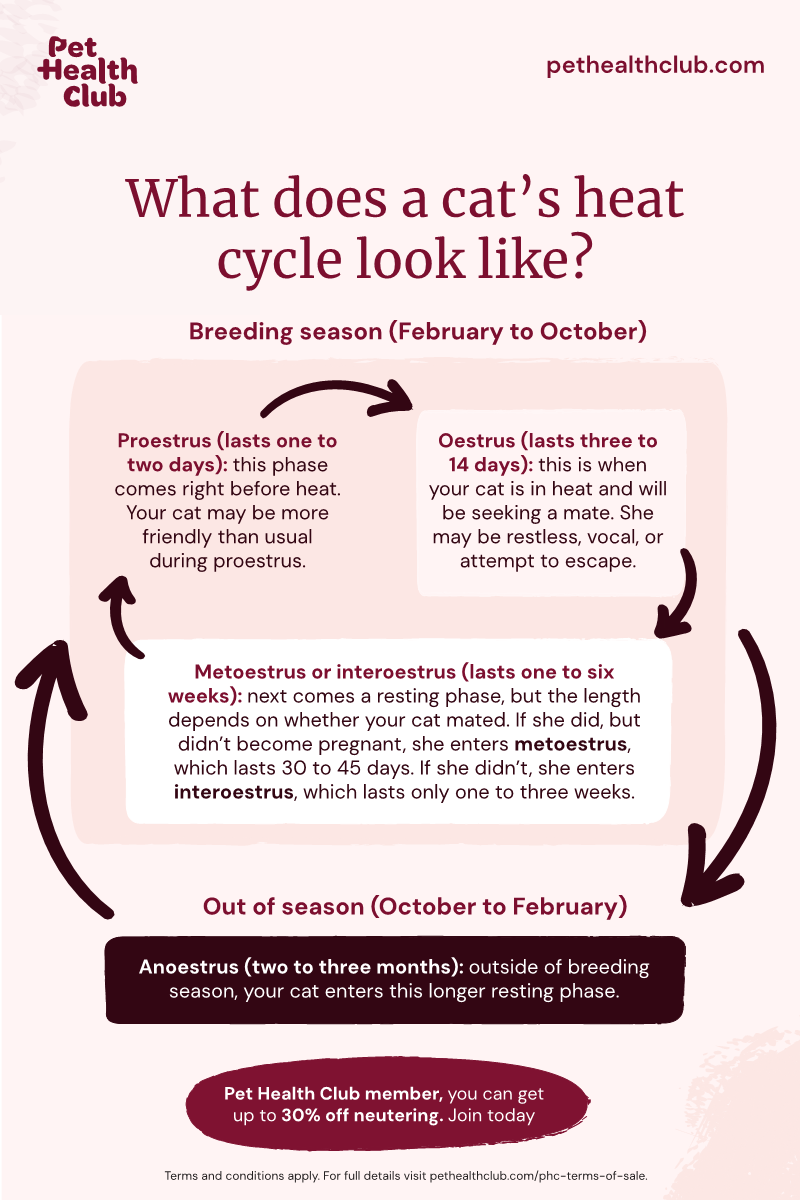
- Heat cycles:Your cat will have recurring periods of heat, usually lasting about a week.
- Behavior changes:Increased vocalization, restlessness, and affectionate behavior are common.
- Physical signs:Swelling of the vulva and increased grooming around the genital area.
Recognizing these signs helps you time breeding correctly. Relying on visible signs rather than just age can improve breeding success and reduce stress for your cat. Have you ever missed a heat cycle because you didn’t know what to look for?
Breed-specific Maturity Ages
| Breed | Typical Maturity Age |
|---|---|
| Persian | 9-12 months |
| Siamese | 5-8 months |
| Maine Coon | 12-18 months |
| Bengal | 8-12 months |
Different breeds mature at different rates, so a one-size-fits-all approach doesn’t work. For example, breeding a Maine Coon too early could cause complications because they develop more slowly. Are you taking your cat’s breed into account before planning breeding?
Credit: www.pethealthclub.com
Health Considerations
Breeding cats requires careful attention to their health. Poor health can harm both the mother and kittens. Checking your cat’s health before breeding helps avoid risks. Healthy cats are more likely to have strong, healthy kittens.
Pre-breeding Health Checks
Take your cat to the vet for a full health exam. The vet checks for diseases and overall condition. Blood tests can reveal hidden infections or organ problems. Make sure your cat is at a good weight and age before breeding. Avoid breeding cats with any signs of illness.
Vaccinations And Parasite Control
Keep your cat’s vaccinations up to date. Vaccines protect against serious diseases like feline leukemia. Regular parasite control stops fleas, ticks, and worms. Parasites can harm both mother and kittens. Use vet-recommended treatments before and during pregnancy.
Genetic Testing Importance
Genetic tests identify inherited diseases in cats. Breeding without testing risks passing on health problems. Test for common breed-specific genetic issues. Avoid breeding cats with harmful gene mutations. This step helps keep future generations healthy and strong.
Female Cat Breeding Age
Female cats can start breeding around six months old, but waiting until they are one year old is healthier. Early breeding may cause health problems and affect kittens’ growth. Proper care and timing ensure strong, healthy cats.
Understanding the ideal age for breeding female cats is crucial for their health and well-being. Breeding too early or too late can have implications on the health of both the mother and the kittens. So, when exactly is the best time to start breeding your female cat?Ideal Age Range
The ideal age range for breeding a female cat is between 1 and 5 years. Cats reach sexual maturity between 5 to 9 months, but waiting until they’re fully grown ensures they’re physically and mentally ready for the demands of motherhood. Breeding within this age range also maximizes the chances of healthy litters.Risks Of Early Breeding
Breeding a cat too early can pose significant health risks. Young cats are still growing, and the physical demands of pregnancy can stunt their development. Complications during birth are more common in younger mothers, which can endanger both the mother and her kittens.First Heat Cycle Timing
Your cat’s first heat cycle can occur as early as 5 months. However, this does not mean she is ready to breed. During this time, it’s important to monitor her health and behavior. Waiting until after her first or second heat cycle to breed ensures her body is mature enough to handle pregnancy. Breeding cats is a serious responsibility. Are you prepared for the potential challenges and rewards?Male Cat Breeding Age
Understanding the right age to start breeding your male cat is essential for healthy and successful breeding. Male cats reach fertility at different times depending on breed, health, and environment. Knowing when your male cat is ready helps you avoid complications and supports better care for both the cat and potential kittens.
When Males Become Fertile
Male cats usually become fertile between 6 to 12 months old. Some breeds, especially larger ones, may take longer to mature sexually. Early fertility means your cat can father kittens, but physical and emotional maturity might not be fully developed yet.
Have you noticed your young male cat exhibiting territorial behavior or spraying? These are often signs that he’s reaching sexual maturity and becoming fertile.
Optimal Breeding Age
The best age to start breeding a male cat is generally between 1 and 3 years old. At this stage, most males are fully grown and in peak health, which improves breeding success. Breeding too early can stress your cat, while breeding too late might reduce fertility.
Think about your cat’s health history and energy levels before deciding. A well-timed breeding plan supports stronger offspring and helps your cat stay healthy long-term.
Signs Of Fertility In Males
Recognizing fertility signs in your male cat helps you know when he’s ready to breed. Common signs include:
- Increased vocalization and restlessness
- Spraying or marking territory
- Mounting behavior, even with objects or other cats
- Strong, musky odor from the skin and glands
Noticing these signs doesn’t mean your cat is automatically ready for breeding. It’s important to also check his overall health and consult with a vet to ensure he’s fit for breeding.
Breeding Preparation Tips
Preparing to breed cats requires more than just knowing the right age to start. You need to create an environment where your cats feel safe and comfortable, provide the best nutrition to support their health, and understand if they’re behaviorally ready. These preparation steps can make a big difference in the success and well-being of both the parents and their kittens.
Creating A Safe Environment
Your breeding cats need a space that feels secure and stress-free. Choose a quiet area away from loud noises and heavy foot traffic. Make sure the room is warm, clean, and well-ventilated.
Add soft bedding and hideaways where your cats can retreat if they feel overwhelmed. Safety means minimizing risks of injury and illness, so keep harmful objects and toxic plants out of reach.
Have you thought about how your cats react to new surroundings? Observing their comfort level can help you adjust the space before breeding begins.
Nutrition For Breeding Cats
Good nutrition is the foundation for healthy kittens and strong mothers. Switch your cats to a high-quality diet rich in protein, vitamins, and minerals at least a few weeks before breeding.
Consider adding supplements like taurine and omega-3 fatty acids, which support reproductive health. Always consult your vet before making diet changes or adding supplements.
Remember, underfeeding or overfeeding can both cause problems. Monitor your cats’ weight and energy levels closely to keep them in optimal condition.
Behavioral Readiness
Not all cats are ready to breed just because they reach a certain age. Look for signs of maturity such as calmness, social behavior, and the ability to handle stress.
Observe how your cats interact with each other and with you. If they show aggression or anxiety, it might be best to wait longer before breeding.
Ask yourself: Is your cat comfortable with handling and being around other cats? Their mental readiness is just as important as physical health.

Credit: www.petscare.com
Common Breeding Challenges
Breeding cats involves more than just pairing a male and female. Many challenges can arise that affect success. Understanding common breeding challenges helps prepare breeders for the process. These challenges include biological, behavioral, and environmental factors that impact cat reproduction.
Dealing With Infertility
Infertility is a frequent issue in cat breeding. Some cats may not produce viable eggs or sperm. Age, health, and genetics play a role in fertility problems. Regular veterinary check-ups can help detect fertility issues early. Sometimes, infertility may be temporary due to stress or illness.
Managing Heat Cycles
Female cats have heat cycles that vary in length and frequency. Knowing when a cat is in heat is crucial for successful breeding. Signs include vocalizing, restlessness, and affectionate behavior. Heat cycles can be irregular, making timing challenging. Keeping a heat cycle calendar helps track the best breeding days.
Stress And Its Effects
Stress negatively affects a cat’s ability to breed. Changes in environment or routine can cause stress. Loud noises and unfamiliar animals increase anxiety. Stress can delay or stop heat cycles and reduce fertility. Creating a calm and safe space supports healthy breeding conditions.
Legal And Ethical Factors
Knowing the right age to start breeding cats involves more than biology. Legal and ethical factors play a big role. These factors protect the health of cats and the well-being of their kittens. Understanding these rules and responsibilities helps breeders make safe and kind choices.
Breeding Regulations
Different places have laws about cat breeding. These laws set the minimum age for breeding cats. They also require health checks before breeding. Licensing may be needed to breed cats legally. Following these rules avoids penalties and ensures animal safety.
Responsible Breeding Practices
Good breeders focus on the cat’s health and comfort. They wait until cats are fully mature before breeding. This helps prevent health problems in mother cats and kittens. Responsible breeders also do health tests to avoid passing diseases. They keep cats in clean, safe environments.
Avoiding Overpopulation
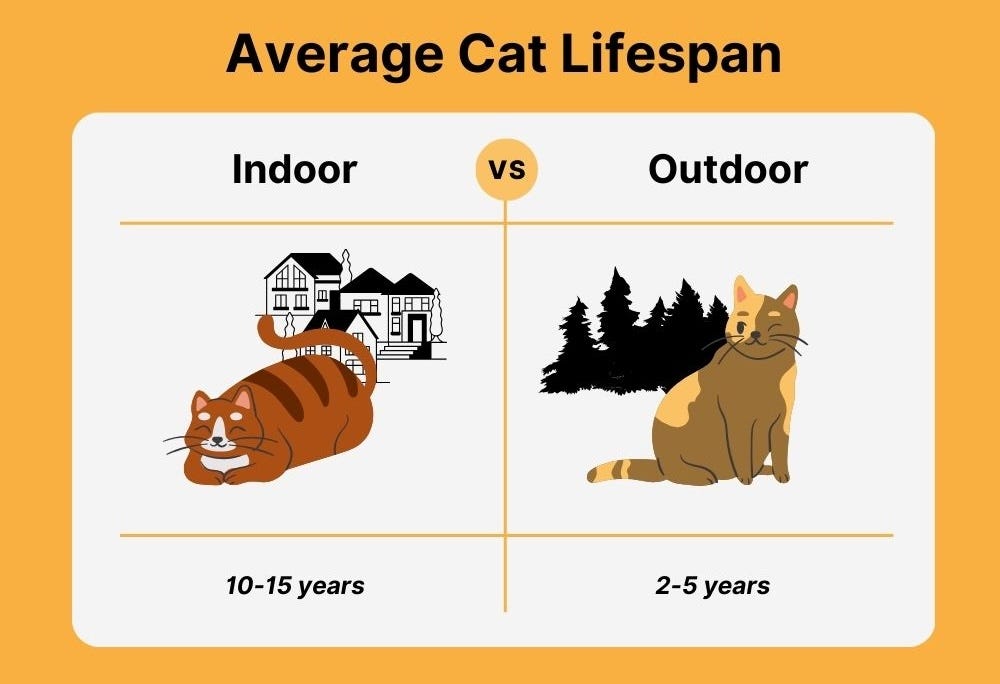
Too many cats can cause big problems. Overpopulation leads to more stray and homeless cats. Breeders should plan carefully to avoid adding to this issue. Only breed cats when there is a good reason. Support shelters and adopt instead of breeding unnecessarily.
Credit: greensafaris.com
Frequently Asked Questions
At What Age Can Cats Safely Start Breeding?
Cats can safely start breeding from about 1 year old. This ensures they are physically mature and healthy enough to handle pregnancy and birth. Breeding too early can harm the cat and her kittens.
How Long Is A Cat’s Gestation Period?
A cat’s gestation period lasts approximately 63 to 65 days. During this time, the mother’s health and nutrition are critical for healthy kitten development.
What Signs Show A Cat Is Ready To Breed?
Signs include regular heat cycles, good health, and maturity. Female cats typically show restlessness, vocalization, and affectionate behavior when in heat.
Should I Spay My Cat Before Breeding?
Spaying before breeding prevents unwanted litters and health risks. If you plan to breed, wait until your cat is fully mature and healthy.
Conclusion
Breeding cats at the right age helps keep them healthy and happy. Most cats can start breeding around one year old. But waiting longer lets them grow stronger. Always check with a vet before you begin. Good care and timing make a big difference.
Healthy cats have healthier kittens. Patience and knowledge protect your pets. Remember, breeding is a serious choice. Plan carefully and respect your cat’s needs. That way, you support their well-being and future.



Leave a Reply