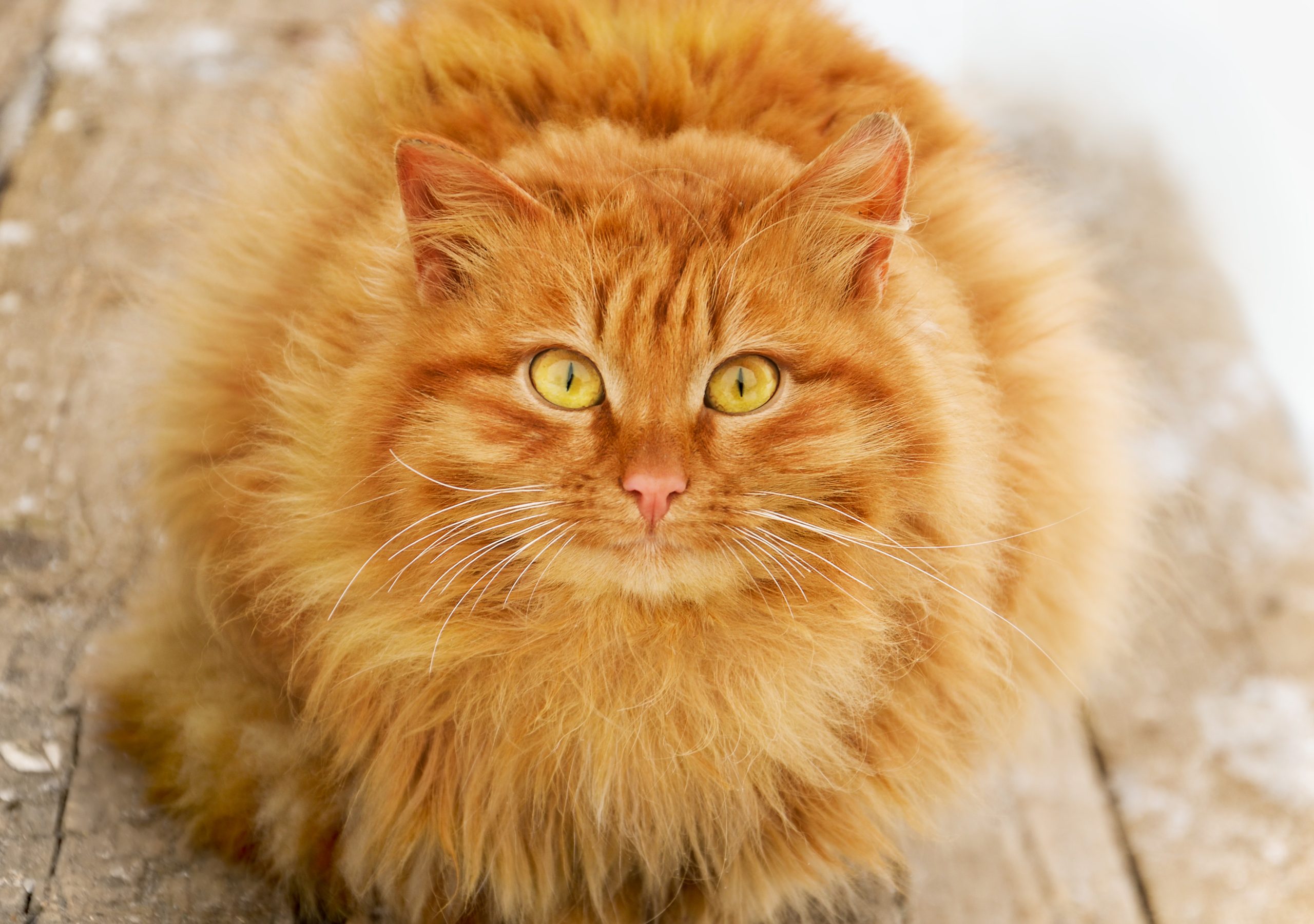
Is your cat spending hours licking and grooming, to the point it seems unhealthy? You might be worried about their skin, fur, or even their comfort.
Excessive grooming isn’t just a quirky habit—it can signal stress, allergies, or other problems your furry friend needs help with. You’ll discover simple, effective ways to understand why your cat grooms too much and how you can gently stop it before it causes harm.
Keep reading to protect your cat’s well-being and bring back their happy, healthy self.
Causes Of Excessive Grooming
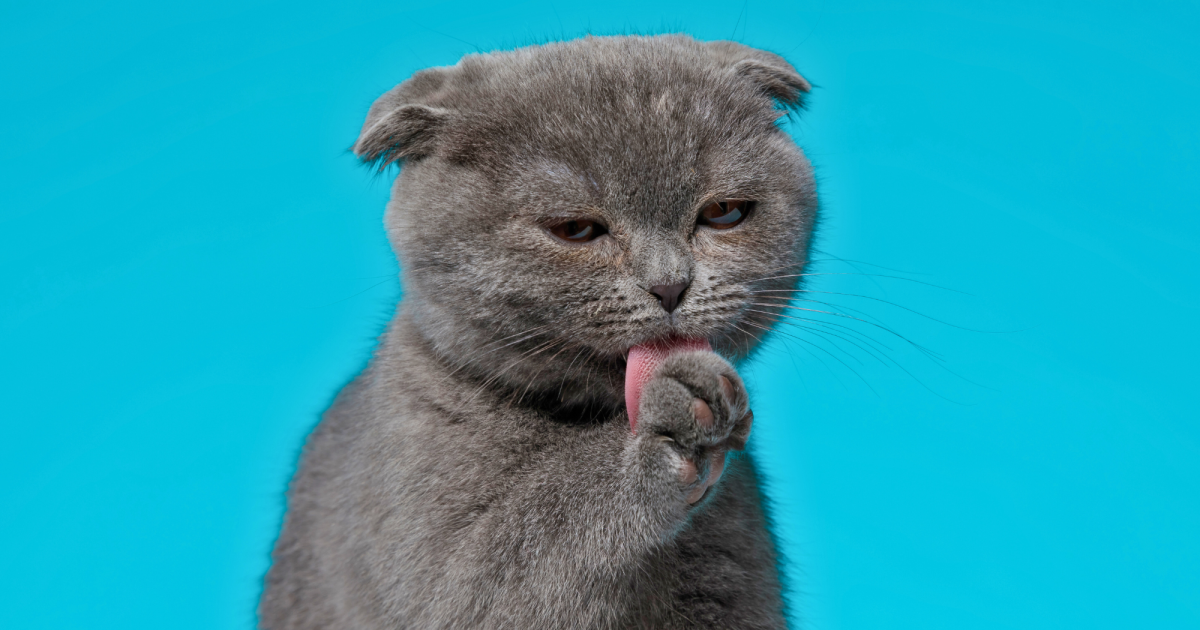
Excessive grooming in cats can signal various underlying problems. Understanding these causes helps address the behavior effectively. Cats groom to stay clean, but too much grooming leads to skin issues and discomfort.
Several factors trigger this behavior. Some relate to health, while others involve the cat’s emotional state or environment. Identifying the root cause is key to stopping excessive grooming.
Medical Issues
Health problems often cause a cat to groom excessively. Skin infections, parasites, or wounds can make the cat lick or scratch more. Pain or discomfort from arthritis or injuries also leads to over-grooming. A vet checkup can rule out medical causes.
Stress And Anxiety
Stress makes cats groom to calm down. Changes in the home, new pets, or loud noises can cause anxiety. Grooming becomes a way for cats to soothe themselves. Reducing stressors and creating a calm space helps control this behavior.
Allergies And Irritants
Allergies can cause itching and irritation. Food, pollen, dust mites, or flea bites may trigger this reaction. Cats scratch or lick to relieve the itch. Identifying and removing allergens reduces excessive grooming.
Boredom And Lack Of Stimulation
Bored cats groom to fill time and distract themselves. Without enough play or mental challenges, grooming becomes a habit. Providing toys, interaction, and activities keeps cats busy and less focused on grooming.
Signs To Watch For
Noticing your cat grooming excessively can be worrying. It’s important to keep an eye out for specific signs that indicate your feline friend might be overdoing it. These signs help you decide if it’s time to consult a vet or try some home remedies to ease your cat’s discomfort.
Bald Patches
Look closely at your cat’s fur for areas where the hair is thinning or completely missing. Bald patches usually show up on the belly, legs, or near the tail. If you see these, it means your cat is likely licking or biting those spots too much, which can cause skin damage.
Have you noticed your cat’s fur changing in certain places? Catching bald patches early can prevent infections and help your cat feel better faster.
Red Or Irritated Skin
Check your cat’s skin for redness, swelling, or inflammation. These are clear signs that grooming has gone beyond normal and is causing irritation. Sometimes, the skin might even look raw or have small sores.
Pay attention to how your cat reacts when you touch these areas. If they pull away or seem uncomfortable, it’s a sign that the skin is painful and needs attention.
Behavioral Changes
Excessive grooming often comes with changes in your cat’s behavior. Your cat might become more restless, hide away, or seem anxious without a clear reason. You might also notice them grooming more when you’re not around.
Ask yourself if your cat’s mood or habits have shifted recently. Behavioral changes paired with physical signs can point to stress or allergies, both of which need addressing to stop over-grooming.
Veterinary Care And Diagnosis
Veterinary care plays a crucial role in addressing excessive grooming in cats. This behavior often signals an underlying health issue or stress that needs professional attention. Understanding when to seek help and what to expect from your vet visit can make a big difference in your cat’s recovery and comfort.
When To See A Vet
If your cat is grooming so much that you notice bald patches, sores, or redness, it’s time to visit a vet. Changes in behavior, such as sudden restlessness or hiding, can also indicate distress linked to over-grooming.
Ask yourself: Is your cat licking constantly for hours or focusing on one spot? If yes, don’t wait. Early intervention prevents complications and reduces your cat’s discomfort.
Common Tests And Treatments
Your vet will start by examining your cat’s skin and fur closely. They might recommend tests like skin scrapings, allergy testing, or blood work to find infections, parasites, or allergies causing the problem.
Treatment often involves medications such as anti-inflammatory drugs, antibiotics, or special shampoos. In some cases, your vet may suggest environmental changes or stress reduction techniques to help your cat feel secure.
- Medicated baths or topical treatments
- Diet adjustments to rule out food allergies
- Behavioral therapy or calming supplements
Have you noticed if certain triggers, like new pets or loud noises, coincide with your cat’s grooming? Sharing these details with your vet can guide personalized treatment plans that work best for your furry friend.
Environmental Changes
Excessive grooming in cats can be a sign of stress or allergies. Creating a calm environment helps. Provide interactive toys and a balanced diet to reduce anxiety and improve well-being.
Cats are meticulous groomers, but when grooming becomes excessive, it can lead to skin irritation or bald patches. Often, the underlying issue is environmental. Making certain changes can help your cat feel more comfortable and reduce over-grooming.Reducing Stressors
Stress can trigger excessive grooming in cats. Identify and minimize stressors in your home. Ensure your cat has a quiet space away from loud noises, like a room where they can retreat when guests visit. If you have multiple pets, make sure each one has its own resources such as food bowls and litter boxes to avoid competition. Sometimes, simple changes like these can have a significant impact on your cat’s behavior.Enriching The Cat’s Environment
Enrichment is vital for a cat’s mental and physical health. Provide toys that stimulate your cat’s hunting instincts, like feather wands or laser pointers. Create vertical spaces with shelves or cat trees to give your cat more territory to explore. Rotate toys regularly to keep your cat engaged. Have you considered setting up a window perch? Watching birds outside can be a great source of entertainment for your feline friend. These small changes can make a big difference in reducing compulsive grooming behaviors. What steps will you take today to make your cat’s environment more enriching?Diet And Nutrition Adjustments
Adjusting your cat’s diet can play a crucial role in reducing excessive grooming. What your cat eats affects their skin, coat, and overall comfort. Small changes in nutrition might ease irritation and calm your cat’s urge to over-groom.
Food Allergies
Food allergies can cause itching and discomfort, leading your cat to groom too much. Common allergens include beef, dairy, fish, and wheat. Have you noticed your cat scratching more after certain meals?
Try switching to a hypoallergenic diet or limited ingredient food to see if symptoms improve. Keep a food diary to track any changes in grooming behavior. Sometimes, a simple diet change can make a big difference in your cat’s skin health.
Supplements For Skin Health
Adding supplements can support your cat’s skin and reduce excessive grooming. Omega-3 and Omega-6 fatty acids are known to improve coat shine and lower inflammation. Adding fish oil or flaxseed oil supplements can soothe irritated skin.
Probiotics also promote a healthy gut, which is linked to better skin condition. Consider discussing with your vet about including supplements in your cat’s diet. Have you noticed how a healthier coat makes your cat more comfortable and less likely to over-groom?

Credit: petcube.com
Behavioral Interventions
Behavioral interventions help reduce excessive grooming by changing your cat’s habits. These techniques focus on keeping your cat mentally and physically engaged. They also teach your cat to focus on positive activities instead of grooming.
Interactive Play
Interactive play keeps your cat busy and distracted. Use toys like feather wands or laser pointers. Play sessions should last 10 to 15 minutes several times a day. This helps burn energy and reduces stress. A tired cat grooms less.
Distraction Techniques
Distraction works by redirecting your cat’s attention away from grooming. Offer new toys or puzzles. Change the environment by moving furniture or adding climbing shelves. Use treats or sounds to interrupt grooming bouts. This breaks the cycle of over-grooming.
Positive Reinforcement
Reward your cat for calm, non-grooming behavior. Use treats, petting, or gentle praise. Give rewards immediately after good behavior. This helps your cat associate less grooming with positive outcomes. Avoid punishment as it can increase stress and grooming.
Using Protective Gear
Using protective gear can be a practical way to stop your cat from grooming too much, especially if the behavior is causing skin irritation or hair loss. These tools act as physical barriers, preventing your cat from reaching certain areas. Choosing the right protective gear requires understanding your cat’s comfort and the severity of their grooming habit.
Collars And Clothing
Elizabethan collars, often called “cone collars,” are a common solution. They stop your cat from licking or biting specific spots by creating a physical barrier around the head. Some cats tolerate these collars well, while others find them stressful, so watch your cat’s behavior closely after introducing one.
Soft fabric collars or inflatable collars can be less intimidating and more comfortable. They allow more mobility but still protect vulnerable areas. If your cat resists collars, consider lightweight clothing like bodysuits or shirts designed for cats, which cover the affected skin and reduce access to it.
Have you noticed your cat’s reaction when trying on a collar or clothing? Patience is key here. Let them get used to the gear gradually, and always ensure it fits properly—not too tight or loose.
Safe Alternatives
Beyond traditional collars and clothing, there are other safe options that might suit your cat better. For instance, bandages or wraps can protect small areas, but they must be monitored closely to prevent discomfort or restricted movement.
Some pet owners use bitter sprays on their cat’s fur to discourage licking. These sprays are safe but effective because cats dislike the taste. However, consult your vet before applying any substance to avoid irritation or allergic reactions.
Have you thought about distraction techniques combined with protective gear? Toys, interactive play, or puzzle feeders can divert your cat’s attention away from excessive grooming. This approach not only protects the skin but also addresses the underlying boredom or anxiety causing the behavior.
Credit: pethelpful.com
When To Seek Professional Help
Excessive grooming can signal deeper issues in your cat’s health or wellbeing. Sometimes home care is not enough. Recognizing when professional help is needed protects your cat’s health.
Watch for signs such as bald patches, wounds, or constant licking. Changes in behavior like hiding or aggression can also indicate stress. Persistent grooming that disrupts daily life requires expert advice.
Animal Behaviorists
Animal behaviorists study why cats act the way they do. They help identify stress, anxiety, or boredom causing over-grooming. Behaviorists create plans to reduce your cat’s stress and improve behavior.
They use gentle techniques to change habits. Their advice often includes environmental changes and enrichment ideas. Professional guidance helps your cat feel calm and secure.
Specialized Treatments
Veterinarians offer treatments for medical causes of over-grooming. Skin infections, allergies, or parasites may need medication. Some cats require special shampoos or diets to ease irritation.
In some cases, vets prescribe medicines to control anxiety. They may also recommend calming products or supplements. Early treatment prevents wounds and keeps your cat comfortable.

Credit: brooklynpetspa.com
Frequently Asked Questions
Why Is My Cat Grooming Excessively?
Excessive grooming can indicate stress, allergies, or skin infections. It may also signal boredom or pain. Observe your cat’s behavior and consult a vet for proper diagnosis and treatment.
How Can I Reduce My Cat’s Over-grooming?
Provide environmental enrichment, reduce stress, and use calming products. Regular vet check-ups help identify medical causes. Ensure your cat has a balanced diet and plenty of playtime.
Can Allergies Cause Cats To Groom Too Much?
Yes, allergies to food, pollen, or fleas often trigger over-grooming. Identifying and eliminating allergens can reduce symptoms. Your vet can recommend allergy tests and suitable treatments.
When Should I See A Vet For Grooming Issues?
If grooming causes hair loss, sores, or skin irritation, consult a vet. Persistent or worsening behavior needs professional evaluation to rule out medical or psychological causes.
Conclusion
Too much grooming can hurt your cat’s skin and fur. Watch your cat closely for signs of stress or allergies. Provide a calm space and regular playtime to reduce anxiety. Use vet-approved treatments if needed to protect your cat’s health.
Patience and care help your cat feel safe and happy. Remember, small changes make a big difference in stopping over-grooming. Keep learning about your cat’s needs for a strong bond. Your cat deserves comfort and love every day.



Leave a Reply