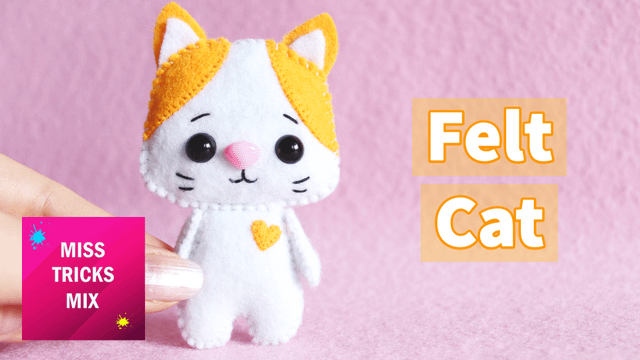
Do you want to create a fun, tiny toy that your cat will love? Making a felt cat toy is easier than you think, and it takes just a few simple materials.
Imagine your furry friend playing happily with a cute, handmade toy that you made yourself. You’ll discover step-by-step how to make a tiny felt cat toy that’s safe, soft, and perfect for endless playtime. Keep reading, and you’ll be surprised how quickly you can craft something special for your cat!
Materials Needed
Gathering the right materials is key to making a tiny felt cat toy. Careful selection helps create a safe, fun, and durable toy. The materials should be soft, non-toxic, and easy to work with. Below are the main categories to prepare before starting your craft.
Choosing Felt Fabric
Pick felt that is soft and sturdy. Wool felt works best for durability and safety. Avoid synthetic felt that may shed or irritate cats. Choose bright colors to catch your cat’s attention. Thin felt is easier to sew but may tear quickly. Thick felt lasts longer but can be harder to handle.
Essential Tools
- Sharp scissors for clean cuts
- Needle suitable for hand sewing
- Strong thread in matching colors
- Stuffing material like polyester fiberfill
- Fabric glue for quick fixes
- Pins to hold pieces together while sewing
Optional Decorative Items
- Small bells for sound
- Embroidery floss for simple designs
- Non-toxic fabric paint for patterns
- Buttons or beads (ensure they are securely attached)
- Ribbon scraps for tails or bows

Credit: www.youtube.com
Preparing The Felt Pieces
Preparing the felt pieces is the first important step in making your tiny cat toy. This step ensures the toy looks neat and holds together well. Taking time here saves you trouble during assembly. Choose felt colors that match your cat toy design. Soft, durable felt works best for a pet toy.
Cutting The Shapes
Start by cutting the felt into the shapes needed for the toy. Use sharp scissors for clean edges. Small, simple shapes like circles, triangles, or rectangles work well. Trace the shapes on the felt with a pencil or fabric chalk before cutting. Keep pieces small and proportional to create a cute toy size.
- Cut two main body pieces for front and back.
- Cut smaller pieces for ears, tail, and paws.
- Make sure all pieces align before cutting.
Marking Features
Marking features on the felt helps guide sewing and decorating. Use a fabric pen or chalk for light, erasable marks. Mark eyes, nose, mouth, and any patterns like stripes or spots. Place marks on the front piece only. Keep marks simple and clear for easy stitching and gluing.
- Mark eye positions with small circles.
- Draw a tiny triangle for the nose.
- Add simple lines for whiskers or stripes.
Sewing The Toy
Sewing the tiny felt cat toy brings your creation to life. It connects all parts securely and shapes the toy. Sewing also allows room for stuffing, making the toy soft and fun. Simple stitches work well for this project. Keep your stitches small and even for a neat look.
Basic Stitch Techniques
Use the running stitch to sew straight lines quickly. Push the needle in and out evenly along the edge. The whip stitch is perfect for closing the toy after stuffing. Wrap the thread around the edge, pulling tight each time.
The blanket stitch decorates the edges and keeps pieces strong. It loops over the fabric edge, adding a neat finish. Choose a thread color that matches or contrasts for a fun look.
Joining Felt Pieces
Align the felt pieces carefully before starting to sew. Pin or clip them to hold in place. Begin sewing from one corner, keeping stitches close together. Leave a small gap to add stuffing later.
Stuff the toy lightly with cotton or felt scraps. Push the stuffing evenly to avoid lumps. After filling, sew the gap shut with small, tight stitches. Check all edges for any loose threads or gaps.
Stuffing And Finishing
Use soft stuffing to fill the tiny felt cat toy gently. Sew the opening tightly to keep the filling inside. Finish by smoothing the seams for a neat look.
Stuffing and finishing your tiny felt cat toy is where it all comes together. This stage is crucial for giving your toy its shape and character. It’s also the perfect opportunity to add a touch of creativity and personalization. Whether you’re making it as a gift or for your own furry friend, these finishing touches make all the difference.Adding Filling
Start by gently stuffing your felt cat toy with polyester fiberfill or any soft stuffing of your choice. A small spoon or a chopstick can help you push the filling into the tiny corners without tearing the fabric. Be careful not to overstuff, as this can distort the shape and make it look lumpy. Aim for a firm but squeezable toy that will withstand a playful paw without losing form.Closing The Toy
Once your toy is stuffed to perfection, it’s time to close it up. Align the open edges and use a simple ladder stitch to sew them together. This stitch is nearly invisible if done correctly, giving your toy a seamless look. Make sure your stitches are tight and secure to prevent the filling from escaping during playtime.Adding Final Touches
Now comes the fun part—adding those little details that make your felt cat toy unique. Consider stitching on eyes, a nose, or even a tiny collar for character. You can use embroidery thread to add whiskers or other playful features. Think about your cat’s personality—would they enjoy a toy with a bell inside or a sprinkle of catnip? These little additions can make the toy more enticing and special for your feline friend. Remember, it’s the small details that transform a simple toy into something truly special. So, get creative and let your imagination run wild!Safety Tips For Cat Toys
Keeping your cat safe while playing with toys is just as important as making the toys themselves. A tiny felt cat toy can be fun, but it also needs to be safe to prevent accidents. Paying close attention to the materials and design will protect your furry friend from harm and let you enjoy watching them play worry-free.
Check For Small Parts That Can Be Swallowed
Loose beads, buttons, or tiny sewn-on eyes can easily come off and become choking hazards. Always use securely attached or embroidered details instead of glued pieces. Ask yourself if your cat could pull off any part and swallow it—if yes, redesign the toy.
Use Non-toxic Materials Only
Cats often chew their toys, so using safe, non-toxic felt and thread is crucial. Avoid synthetic fibers that might irritate your cat’s mouth or cause allergies. Natural wool felt and cotton threads are great choices that won’t harm your cat if ingested in small amounts.
Avoid Loose Threads And Sharp Edges
Loose threads can wrap around a cat’s claws or limbs, causing injury. Trim any excess thread carefully and double-knot your stitches. Also, check for any sharp edges on the toy’s stuffing or wire frames that could poke or scratch your cat.
Size Matters: Make It Big Enough To Prevent Swallowing
Tiny toys can be tempting, but if they are too small, your cat might swallow them whole. Design your felt toy to be larger than your cat’s mouth opening. This simple step reduces the risk of choking and makes the toy last longer.
Regularly Inspect And Replace Worn Toys
Toys take a beating during playtime and may break down over time. Set a routine to check your cat’s toys for damage or loose parts. If you spot any wear and tear, replace or repair the toy immediately to keep your cat safe.

Credit: www.youtube.com
Customizing Your Toy
Customizing your tiny felt cat toy makes it special for your furry friend. Personal touches can catch your cat’s eye and make playtime more fun. Small changes can create a big difference in how your cat enjoys the toy.
Using Different Colors
Choose bright or soft colors to match your cat’s personality. Cats see some colors better, like blue and green. Use contrasting colors for parts of the toy to make it stand out. Mixing colors keeps the toy interesting and fun to chase.
Adding Catnip
Catnip makes toys more exciting for many cats. Sprinkle dried catnip inside the toy before sewing it closed. Use a small pouch or fill the toy’s core with catnip. This scent encourages your cat to play and pounce more often.
Creative Variations
Try different shapes like balls, mice, or fish. Add small bells or feathers for extra sound and movement. Sew on little eyes or whiskers using thread for a cute look. Changing textures with soft or rough felt can keep your cat curious.
Benefits Of Diy Cat Toys
Making your own tiny felt cat toys offers more than just a fun craft project. It gives you the chance to create something tailored specifically for your cat’s preferences and needs. Plus, it can be a cost-effective and rewarding way to keep your furry friend entertained.
Cost Savings Compared To Store-bought Toys
Buying cat toys regularly can add up quickly, especially if your cat goes through them fast. DIY felt toys use inexpensive materials like scrap fabric and simple stuffing, which can save you money over time. You can make multiple toys at a fraction of the cost of store-bought ones.
Customization For Your Cat’s Preferences
Every cat has unique tastes—some love to chase, others prefer batting or pouncing. When you make toys yourself, you can adjust the size, shape, and even add catnip or bells based on what excites your pet most. Have you noticed what type of toy gets your cat moving? Use that insight to design toys they’ll adore.
Encourages Creativity And Mindfulness
Crafting tiny felt cat toys encourages you to focus and be creative. It’s a calming activity that also gives you a sense of accomplishment. Plus, you get to think about your cat’s personality and needs while you work, making the process more meaningful.
Eco-friendly And Safe Materials
Many commercial toys use plastics or materials that can be harmful if chewed apart. When you make toys from felt and natural stuffing, you control the safety of what your cat plays with. Using recycled or leftover fabric also reduces waste, making your toys better for the environment.
Strengthens Your Bond With Your Cat
Giving your cat a toy you made just for them shows care and attention. Watching them enjoy your creation can be deeply satisfying and helps build trust. Have you ever seen your cat’s excitement when you bring out a new toy? That joy is a great reward for your effort.

Credit: ratfactor.com
Frequently Asked Questions
What Materials Do I Need For Tiny Felt Cat Toys?
You need felt sheets, scissors, needle, thread, stuffing, and optional catnip. These simple supplies help create safe, soft toys your cat will love.
How Do I Sew Tiny Felt Cat Toys By Hand?
Cut felt pieces into shapes, sew edges with small stitches, leaving a gap. Stuff with filling, then stitch closed securely to finish the toy.
Can I Add Catnip To Felt Cat Toys Safely?
Yes, adding dried catnip inside felt toys enhances playtime. Use small amounts to avoid overstimulation and ensure the toy is sealed tightly.
How Long Does It Take To Make One Tiny Felt Cat Toy?
Making a tiny felt cat toy usually takes 15 to 30 minutes. Time varies based on design complexity and your sewing skills.
Conclusion
Making a tiny felt cat toy is fun and simple. You only need a few materials and some patience. Crafting this toy can bring joy to both you and your cat. Handmade toys often last longer and feel special. Try different shapes and colors to keep your cat interested.
Enjoy the process and watch your pet play happily. Keep practicing to improve your skills. Small projects like this can brighten your day. Give it a try and see the smiles it brings!




Leave a Reply