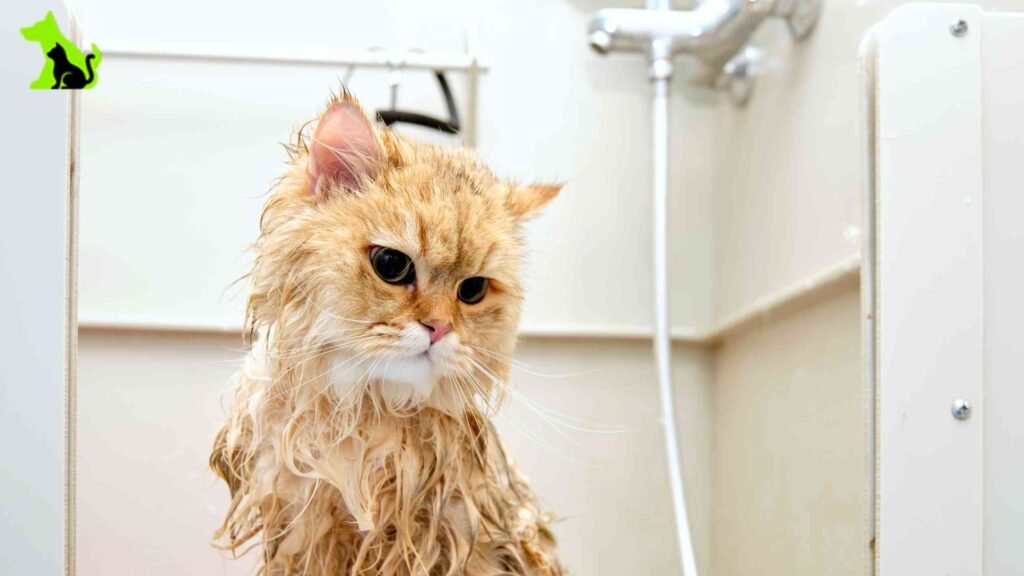
If you have a furry cat, you know how important grooming is to keep their coat healthy and shiny. But grooming can sometimes feel like a challenge, especially if your cat isn’t a big fan of brushes or baths.
What if you could make grooming easier and even enjoyable for both you and your cat? You’ll discover simple, effective tips to groom your furry friend with confidence. By the end, you’ll have everything you need to keep your cat looking and feeling their best—without the stress.
Ready to make grooming a breeze? Let’s dive in!

Credit: vocal.media
Choosing The Right Tools
Choosing the right tools is key to making grooming a pleasant experience for both you and your furry cat. The right equipment not only helps maintain your cat’s coat but also reduces stress during grooming sessions. Understanding which brushes and supplies suit your cat’s specific coat type can save you time and keep your pet looking their best.
Brush Types For Different Coats
Your cat’s coat texture and length affect the type of brush you should use. Cats with long, thick fur benefit from a slicker brush. Its fine wires help remove tangles and loose hair without hurting the skin.
Short-haired cats usually do well with a bristle brush. It smooths the coat and distributes natural oils, giving your cat a healthy shine. If your cat has curly or wiry fur, a comb with wide teeth can gently detangle knots without pulling.
Do you notice your cat shedding a lot? A de-shedding tool might be what you need. It reaches under the topcoat to remove loose hair before it ends up all over your furniture.
Essential Grooming Supplies
Beyond brushes, having a few essential grooming supplies makes a big difference. Nail clippers designed for cats are necessary to keep claws trimmed and prevent scratching. Pair them with a styptic powder just in case you accidentally trim too close.
Keep pet-safe wipes or a gentle cat shampoo handy for occasional baths or quick clean-ups. A soft towel or grooming mat provides a comfortable spot for your cat during grooming sessions, making the process less stressful.
Have you ever tried brushing your cat without treats or toys nearby? A few treats can turn grooming into a positive experience and keep your cat cooperative. What small changes could you make today to improve your grooming routine?
Preparing Your Cat
Preparing your cat before grooming is key to a smooth experience. Cats can feel nervous or scared during grooming sessions. Taking time to prepare them helps reduce stress and makes grooming easier for both you and your cat.
Creating the right mood sets the stage. Handling your cat with care builds trust. Both steps improve cooperation and comfort during grooming.
Creating A Calm Environment
Choose a quiet room with no loud noises. Soft lighting works best to keep your cat relaxed. Remove any distractions like other pets or toys. Sit on the floor at your cat’s level. Speak softly and use gentle movements. Keep all grooming tools within reach to avoid interruptions.
Handling Techniques For Comfort
Start by petting your cat in favorite spots. Use slow, steady strokes to calm them. Hold your cat gently but firmly to prevent sudden moves. Support their body so they feel safe. Watch for signs of discomfort like tail flicking or ears back. Pause often and give breaks if needed. Praise your cat with soft words to build positive feelings.
Brushing Techniques
Brushing your furry cat is more than just a routine task; it’s a way to connect and ensure their coat stays healthy and beautiful. The right brushing techniques can make grooming easier and more enjoyable for both you and your cat. Let’s focus on how you can effectively brush your cat to keep tangles and mats at bay, and understand how often and how long you should spend on this important activity.
Removing Tangles And Mats
Tangles and mats can be uncomfortable for your cat and even cause skin problems if left untreated. Start by gently feeling through your cat’s fur with your fingers to locate any knots. Use a wide-toothed comb to carefully tease apart the tangles, working from the edges inward to avoid pulling your cat’s skin.
If you find a stubborn mat, hold the fur close to the skin to reduce discomfort and slowly cut it out with blunt-tipped scissors if necessary. Always be patient and calm; rushing can stress your cat and make grooming a negative experience. Have treats ready to reward your cat for staying calm during this process.
Brushing Frequency And Duration
How often you brush your furry cat depends on their coat type and lifestyle. Long-haired breeds usually need daily brushing to prevent mats, while short-haired cats might do well with two or three sessions a week. Pay attention to your cat’s shedding patterns; more brushing during heavy shedding seasons can reduce loose hair around your home.
Keep each brushing session short but consistent—around 5 to 10 minutes works well for most cats. If your cat is new to brushing, start with just a few minutes and gradually increase as they get more comfortable. Would you expect your cat to sit still for hours? Probably not, so short, frequent sessions work best.

Credit: m.youtube.com
Bathing Tips
Bathing your furry cat can feel like a daunting task, but with the right approach, it becomes manageable and even enjoyable. Knowing when and how to bathe your cat ensures their coat stays clean without causing unnecessary stress. Let’s dive into some practical bathing tips that will help both you and your feline friend.
When To Bathe Your Cat
Not all cats need frequent baths. Most cats groom themselves well enough to stay clean.
Consider bathing your cat if they get into something sticky, dirty, or smelly that they can’t clean off. Also, cats with certain medical conditions or very long fur may benefit from occasional baths.
Ask yourself: Is your cat visibly dirty or does their fur feel oily? If yes, it’s time for a bath.
Safe Bathing Practices
Prepare everything before you start. Use a small tub or sink with warm water, about the temperature you would use for a baby’s bath.
Use a cat-specific shampoo that is gentle and free from harsh chemicals. Human shampoos can irritate their skin.
- Brush your cat thoroughly to remove tangles and loose hair before the bath.
- Keep water levels low to avoid overwhelming your cat.
- Speak softly and move slowly to keep your cat calm.
- Use a cup or gentle sprayer to wet and rinse your cat carefully, avoiding the face and ears.
Dry your cat quickly with a soft towel, and offer treats to make the experience positive. Have you noticed how patience and calmness can change your cat’s reaction?
Maintaining Coat Health
Maintaining your furry cat’s coat health goes beyond regular brushing. The shine and softness of their fur reflect their overall well-being. Paying attention to diet and hydration can make a noticeable difference in how your cat’s coat looks and feels.
Diet And Nutrition
Your cat’s coat depends heavily on what they eat. High-quality protein sources like chicken, turkey, or fish provide essential amino acids that build strong, healthy fur. If you’ve ever noticed your cat’s fur looking dull or patchy, it might be a sign that their diet needs improvement.
Omega-3 and Omega-6 fatty acids are particularly important. These fats help reduce inflammation and promote skin health, resulting in a shiny, soft coat. You can find these in fish oils or specially formulated cat foods.
- Choose cat food with real meat as the first ingredient
- Avoid fillers like corn and wheat that offer little nutritional value
- Consider foods rich in vitamins E and A for extra skin support
Hydration And Supplements
Proper hydration is often overlooked but is crucial for your cat’s skin and coat. Cats naturally have a low thirst drive, so encourage water intake by providing fresh water daily or using a cat water fountain. Wet food can also boost hydration levels.
Supplements like fish oil capsules can enhance coat health if your cat’s diet lacks essential fats. I once added a small dose of fish oil to my cat’s meals and noticed his fur become noticeably softer within weeks. Always check with your vet before starting supplements to ensure safety and correct dosage.
- Offer wet food several times a week
- Provide multiple water sources around your home
- Consult your vet about omega fatty acid supplements
Have you noticed changes in your cat’s coat after tweaking their diet or hydration? Sometimes small adjustments can lead to big improvements in their appearance and comfort.

Credit: petradioshow.com
Dealing With Shedding
Grooming a furry cat requires regular brushing to manage shedding effectively. Choose a brush suitable for your cat’s coat type. This helps reduce loose fur and keeps your home cleaner.
Dealing with shedding is a common task for cat owners. Cats naturally shed fur to maintain a healthy coat. For furry cats, this process can be more noticeable and challenging. Regular grooming can help manage shedding and keep your home cleaner. Understanding shedding patterns and controlling loose fur indoors makes life easier for both you and your cat.Seasonal Shedding Patterns
Furry cats often shed more during certain seasons. In spring and fall, shedding increases as cats prepare for temperature changes. During these times, extra grooming helps remove dead hair. Use a quality brush to reach the thick undercoat. Daily brushing can prevent fur from matting and reduce shedding. Keep an eye on any changes in shedding patterns, as it might indicate a health issue.Reducing Loose Fur Indoors
Keeping your home fur-free is possible with some simple steps. Regular vacuuming is essential to tackle fur on carpets and furniture. Opt for a vacuum designed for pet hair. Consider using a lint roller on clothes and upholstery. Place washable covers on furniture to catch loose fur. Setting up a grooming station in a specific area can contain the mess. Encourage your cat to use a scratching post or mat. It helps remove loose fur naturally.Signs Of Skin Problems
Spotting signs of skin problems early can save your furry cat from discomfort and more serious health issues. Your cat’s skin is a good indicator of overall health, and changes can signal underlying problems. Paying close attention to these signs helps you act quickly and keep your cat comfortable.
Common Skin Issues
Furry cats often face several skin issues that might seem minor but can quickly worsen if ignored. Watch out for:
- Redness and inflammation:This might show up as patches where the skin looks irritated or swollen.
- Excessive scratching or licking:If your cat is constantly scratching or licking a specific area, it could mean itching caused by fleas, allergies, or infections.
- Dry or flaky skin:Dandruff or flaky spots can indicate dryness or fungal infections.
- Hair loss:Bald patches or thinning fur often point to skin problems or parasites.
- Scabs or sores:Open wounds or scabs can develop from persistent scratching or bites.
- Unusual lumps or bumps:Not all lumps are harmless; some need veterinary attention.
Have you noticed your cat grooming more than usual or seems restless? These subtle behaviors often hint at discomfort you might otherwise miss.
When To Consult A Vet
It’s tempting to wait and see if a skin issue resolves on its own, but some signs demand immediate veterinary advice. Contact your vet if you observe:
- Persistent itching or scratching lasting more than a few days.
- Open sores, bleeding, or swelling that doesn’t improve.
- Rapid hair loss or spreading bald patches.
- Signs of pain or distress when touching certain areas.
- Changes in your cat’s behavior, like hiding or reduced appetite, alongside skin symptoms.
Early vet visits can prevent minor problems from turning serious. Remember, your cat can’t tell you when something hurts, so your vigilance makes a big difference.
Professional Grooming Options
Professional grooming can be a game changer for your furry cat’s comfort and appearance. It offers specialized care that many pet owners find hard to provide at home. If your cat’s coat is thick, prone to mats, or if your feline friend is anxious during grooming, a professional might be the best choice.
Choosing A Groomer
Finding the right groomer means looking beyond just price and location. Ask about their experience with cats, especially long-haired breeds. A groomer who understands feline behavior can make the process less stressful for your pet.
Visit the grooming salon beforehand. Check if the environment is clean, quiet, and cat-friendly. Don’t hesitate to ask for references or read online reviews to see how other cat owners feel about their service.
Grooming Services To Consider
Not all grooming services are the same, so think about what your cat really needs. Basic services include brushing, bathing, and nail trimming. Some cats also benefit from specialty treatments like de-shedding or flea treatments.
- De-matting:Professional groomers can safely remove painful mats that you shouldn’t try to cut off yourself.
- Anal gland expression:This can prevent discomfort and infection, especially in cats with thick fur.
- Ear cleaning:Keeps infections at bay and removes buildup that’s hard to reach at home.
- Haircuts:A summer trim or a lion cut can reduce heat stress and matting in long-haired cats.
Have you ever felt overwhelmed trying to groom your cat? A professional groomer might just ease that burden while keeping your cat happy and healthy.
Frequently Asked Questions
How Often Should I Groom My Furry Cat?
Groom your furry cat at least once a week. Regular brushing reduces mats, hairballs, and shedding. Long-haired cats may need daily grooming to stay comfortable and healthy.
What Tools Are Best For Grooming A Furry Cat?
Use a slicker brush, wide-tooth comb, and grooming gloves. These tools help remove loose fur and detangle mats gently without hurting your cat.
How Can I Prevent Mats In My Cat’s Fur?
Regular brushing is key to prevent mats. Focus on areas like behind ears and under legs. Keeping fur clean and dry also reduces mat formation.
Is It Necessary To Bathe A Furry Cat?
Bathing is rarely needed unless your cat is dirty or has skin issues. Use cat-specific shampoo and warm water for safe, effective baths when necessary.
Conclusion
Grooming a furry cat keeps them healthy and happy. Regular brushing stops mats and reduces shedding. Use gentle tools and be patient with your cat. Check their skin and coat often for any changes. Make grooming a fun time for both of you.
Clean ears and trim nails carefully to avoid problems. A well-groomed cat looks great and feels comfortable. Small daily efforts bring big benefits. Start today and enjoy a closer bond with your furry friend.

Leave a Reply