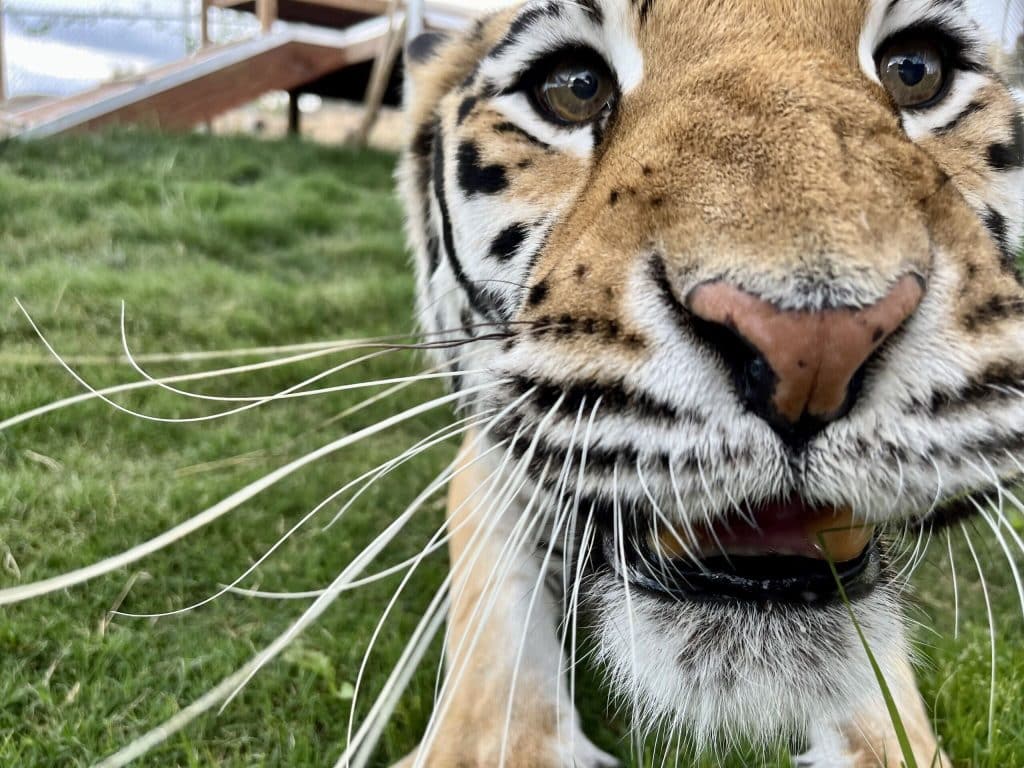
Have you ever wondered what health problems big cats like lions, tigers, and leopards face? These powerful animals might seem strong and unstoppable, but they deal with many hidden health challenges.
Understanding these issues can change the way you see them and highlight why protecting their well-being is so important. Keep reading to discover the surprising health risks big cats encounter and how they affect their survival. You’ll gain insights that every wildlife lover should know.
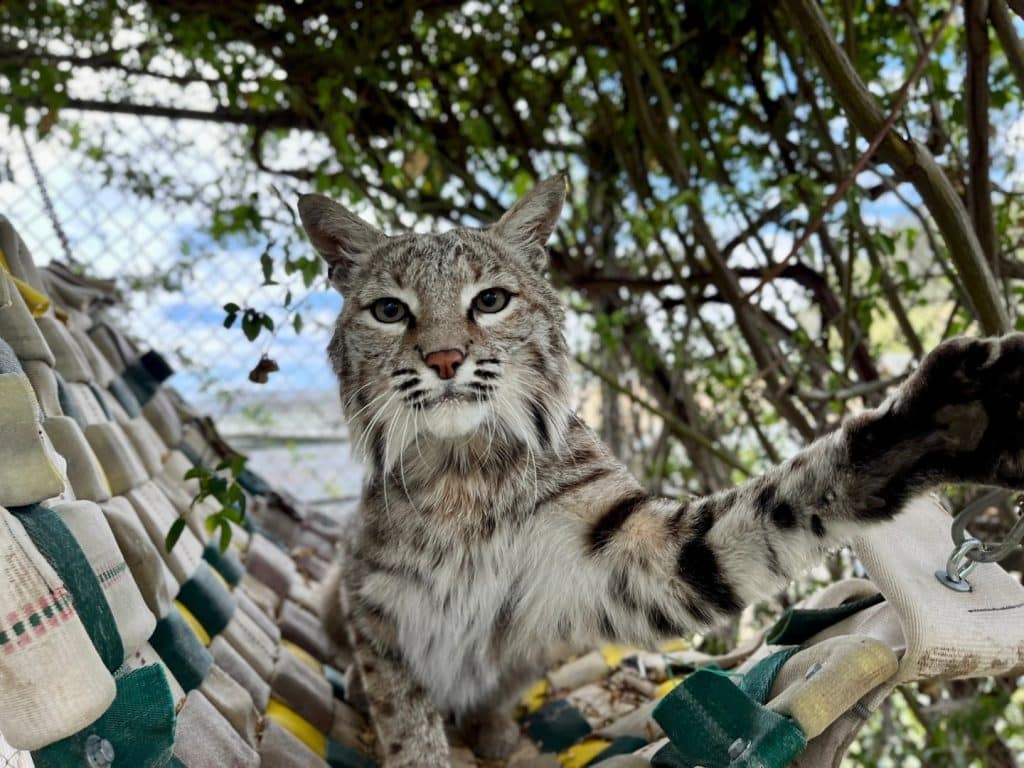
Credit: www.lionstigersandbears.org
Common Diseases In Big Cats
Big cats face various health problems that affect their survival. These diseases can impact their strength, hunting skills, and lifespan. Understanding common diseases helps in protecting these majestic animals. Many infections spread quickly in wild and captive big cats. Awareness of these illnesses supports conservation efforts and animal care.
Viral Infections
Viruses cause serious health issues in big cats. Feline Immunodeficiency Virus (FIV) weakens the immune system. It makes cats vulnerable to other diseases. Canine Distemper Virus (CDV) affects the brain and lungs. It spreads from other animals like dogs. Rabies is another deadly viral infection. It causes severe brain damage and death. Vaccination programs help reduce viral infections in captive big cats.
Parasitic Threats
Parasites harm big cats by feeding on their blood or tissues. Ticks and fleas cause irritation and skin infections. Internal parasites like worms affect digestion and nutrition. They lead to weight loss and weakness. Protozoan parasites, such as Toxoplasma, infect organs and cause illness. Parasite control is essential for big cat health. Regular checks and treatments reduce parasite problems.
Bacterial Illnesses
Bacterial infections can cause wounds and internal diseases. Pasteurella bacteria often infect bite wounds, causing swelling. Tuberculosis affects the lungs and spreads slowly. Leptospirosis spreads through contaminated water and soil. It causes kidney and liver damage. Antibiotics treat many bacterial infections effectively. Early diagnosis and care improve recovery chances.
Impact Of Habitat Loss
Habitat loss is one of the biggest threats to big cats. Their homes shrink due to farming, logging, and urban growth. This loss affects their health deeply. It changes how they live, hunt, and stay safe. Many health problems start with habitat loss. Big cats face more stress, poor nutrition, and more fights with humans. These issues weaken their bodies and lower their chances to survive.
Stress And Immunity
Big cats feel more stress when their habitat shrinks. They must travel longer to find food. This constant stress lowers their immunity. A weak immune system means they get sick more often. Stress also affects their ability to heal from wounds. It makes them less able to fight infections. This cycle makes it hard for big cats to stay healthy.
Nutritional Deficiencies
Habitat loss reduces the number of prey animals. Big cats struggle to find enough food. This leads to poor diets and nutrient shortages. Without proper nutrition, their bodies weaken. They lose muscle strength and energy. Nutritional deficiencies also affect their reproduction. Cubs may be born weaker and less likely to survive.
Increased Human Conflict
Smaller habitats bring big cats closer to humans. This causes more conflicts and danger. Big cats might attack livestock for food. Farmers often respond by harming or killing them. These fights cause injuries and death. Stress from these encounters also harms their health. Human conflict is a growing threat to big cat survival.
Genetic Disorders And Inbreeding
Genetic disorders and inbreeding pose serious challenges for big cats. These animals often live in small, isolated populations. This isolation reduces their chances to breed with unrelated mates. Such conditions increase the risk of passing harmful genes to offspring. It weakens the population’s overall health and survival chances.
Reduced Genetic Diversity
Big cats in isolated groups have less genetic diversity. This means fewer different genes are available in the population. Low diversity makes them more vulnerable to diseases and environmental changes. It also lowers their ability to adapt over time. Inbreeding, or mating between close relatives, worsens this problem. It leads to a smaller gene pool and more genetic weaknesses.
Inherited Health Problems
Many health problems in big cats come from inherited genes. Inbreeding increases the chance that harmful genes pair up. This can cause birth defects, weak immune systems, and reduced fertility. Common inherited issues include:
- Heart defects
- Eye problems
- Bone deformities
- Immune disorders
These problems reduce life expectancy and quality of life. Protecting genetic diversity helps prevent these inherited disorders.
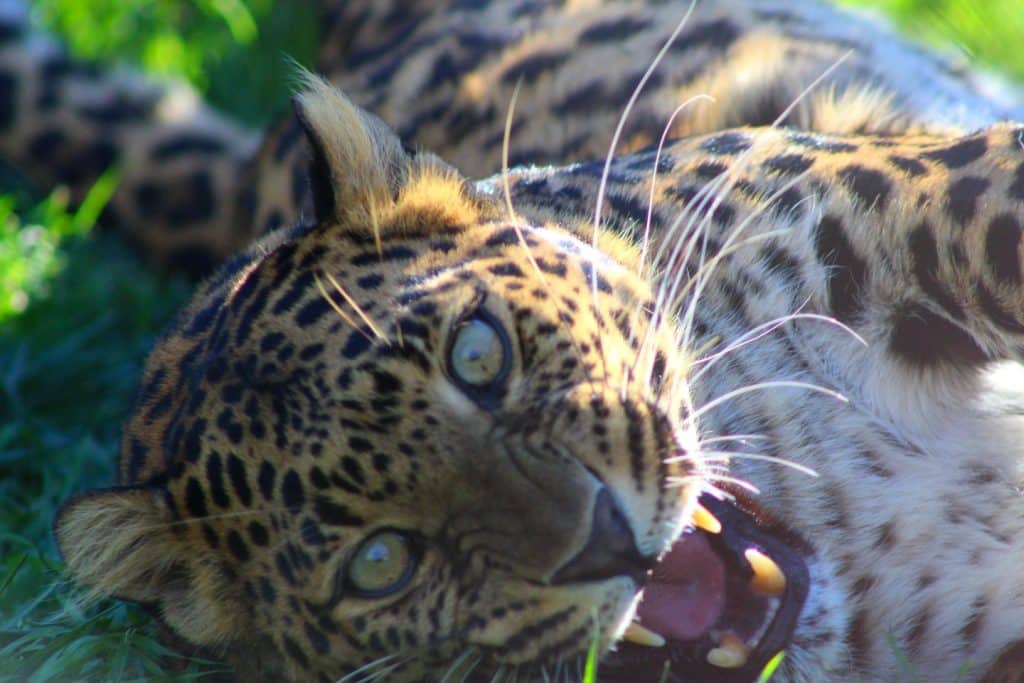
Credit: www.lionstigersandbears.org
Injuries And Physical Trauma
Big cats often suffer injuries from fights or hunting accidents. These wounds can lead to infections and long-term health problems. Physical trauma affects their ability to move and hunt effectively.
Injuries and physical trauma can be a significant concern for big cats in the wild. These majestic creatures, while often seen as invincible predators, are not immune to the harsh realities of their environment. Understanding the causes of these injuries can help you appreciate the challenges big cats face in their natural habitats.Territorial Fights
Big cats are fiercely territorial, and conflicts over territory can lead to serious injuries. Lions, tigers, and other big cats often engage in aggressive battles to protect their domain or expand their territory. These fights can result in deep wounds, broken bones, and even death. Imagine a lion defending its pride against an intruding male. The clash can be brutal, leaving both cats with scars and potentially life-threatening injuries. It’s a reminder of the intense competition these creatures face just to survive.Accidents In The Wild
Accidents in the wild are another source of injuries for big cats. From falls while hunting to unexpected encounters with larger animals, these incidents can cause significant harm. A leopard, for instance, might sustain injuries from a high-speed chase or from falling while attempting to capture prey in a tree. Consider how a cheetah, known for its incredible speed, might misjudge a run and tumble, leading to sprains or worse. These accidents highlight the constant risks big cats endure as they navigate their unpredictable environment. Have you ever thought about the resilience needed to overcome such injuries? Each scar tells a story of survival and the relentless pursuit of life in the wild. It’s a testament to the challenges big cats face and their remarkable ability to endure.Effects Of Pollution And Toxins
Pollution and toxins in the environment pose serious threats to the health of big cats. These majestic animals often live near human activity zones, exposing them to harmful substances that can affect their well-being. Understanding these effects helps you recognize the hidden dangers these predators face daily.
Chemical Exposure
Big cats can absorb dangerous chemicals through their skin, breathing, or food. Pesticides and industrial chemicals used near wildlife habitats often accumulate in their bodies over time.
These toxins can lead to weakened immune systems, reproductive problems, and even cancer. Imagine a tiger struggling to reproduce because of invisible poisons in its system—this is a reality many wild cats face.
Have you ever thought about how the chemicals we use in farming could ripple through the food chain and harm apex predators? Reducing chemical runoff near forests can make a difference for these animals.
Contaminated Water Sources
Water is life, but for big cats, contaminated water sources become a source of illness. Industrial waste, sewage, and chemical spills often pollute rivers and lakes where these animals drink and hunt.
Drinking tainted water exposes them to heavy metals and pathogens, causing gastrointestinal diseases and organ damage. A lion drinking from a polluted waterhole might suffer silently, affecting its ability to hunt and survive.
What steps can you take to support cleaner water in natural habitats? Supporting conservation efforts that monitor water quality can help ensure big cats have access to safe, clean water.
Challenges In Captivity
Big cats face unique challenges when held in captivity that can seriously affect their health. Unlike the wild, where they roam vast territories and hunt regularly, captive environments often limit their natural behaviors. This can lead to a range of physical and mental health problems that you might not expect.
Diet And Exercise Issues
Captive big cats often receive diets that don’t fully match what they would eat in the wild. This can cause nutritional imbalances, leading to obesity or deficiencies. Without enough space or stimulation to exercise, they may become lethargic, weakening their muscles and joints.
Imagine a tiger that used to run miles daily now confined to a small enclosure. The lack of movement can cause serious health problems like arthritis and heart disease. How can caretakers ensure these cats get enough activity to stay healthy?
Psychological Stress
Big cats are intelligent and solitary hunters by nature. Captivity often forces them into unnatural social settings or isolation, creating stress and anxiety. This psychological strain can lead to pacing, over-grooming, or other repetitive behaviors that indicate poor mental health.
Stress also weakens the immune system, making these animals more vulnerable to illness. Have you ever noticed how stress impacts your own health? The same principle applies to big cats, sometimes even more intensely.
Disease Transmission
Close quarters with other animals and humans increase the risk of disease spreading among captive big cats. Pathogens that rarely affect them in the wild can become common problems. Respiratory infections, parasites, and zoonotic diseases are examples of health threats that flourish in captivity.
Regular veterinary care and strict hygiene protocols are essential to prevent outbreaks. But it raises an important question: how can facilities balance safety with providing a natural, enriching environment?
Conservation Efforts And Health Monitoring
Conservation efforts and health monitoring play a vital role in protecting big cats. These animals face many health problems due to habitat loss, poaching, and disease. Careful monitoring helps detect issues early and guides actions to keep populations strong. Conservation projects aim to improve living conditions and reduce health risks for these majestic creatures.
Wildlife Veterinary Care
Wildlife veterinarians provide essential care for injured and sick big cats. They perform health checks and treat diseases in both wild and captive animals. Mobile veterinary units bring care to remote areas where big cats live. Vaccinations and parasite control help prevent outbreaks. This care supports the survival of endangered species.
Habitat Restoration
Restoring natural habitats improves the health of big cats. Healthy forests and grasslands supply food and shelter. Efforts include planting native trees and removing harmful plants. Clean water sources reduce disease risks. Restored habitats create safe spaces for breeding and hunting, boosting population growth.
Public Awareness
Educating the public helps protect big cats and their health. Awareness campaigns explain the threats these animals face. People learn how to avoid conflicts and reduce poaching. Community programs encourage local support for conservation. Informed communities contribute to safer environments for big cats.
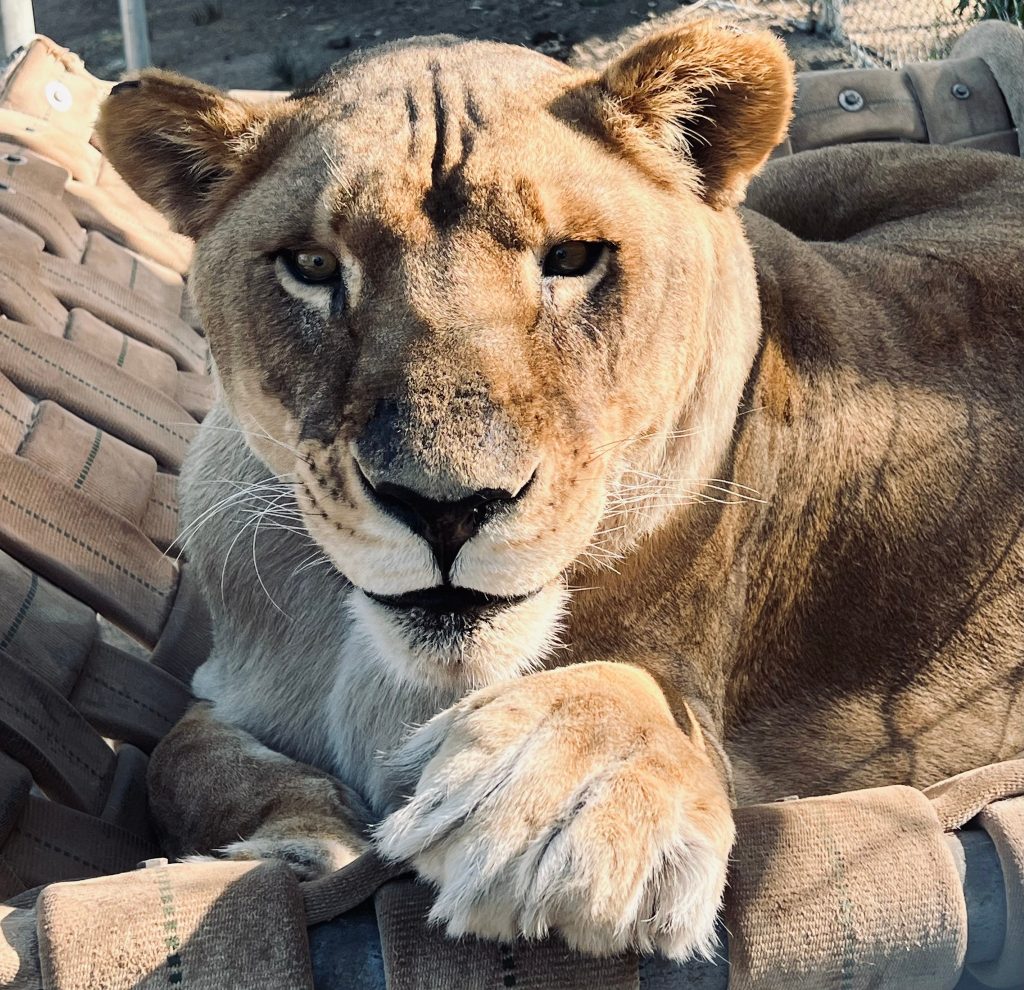
Credit: www.lionstigersandbears.org
Frequently Asked Questions
What Common Diseases Affect Big Cats In The Wild?
Big cats often face diseases like feline leukemia, tuberculosis, and mange. These illnesses weaken their immune system and reduce survival chances. Parasites and viral infections also pose significant threats in their natural habitats.
How Does Habitat Loss Impact Big Cats’ Health?
Habitat loss stresses big cats, leading to malnutrition and increased disease risk. Reduced territory causes fights and injuries. It also limits prey availability, impacting their overall health and reproduction rates.
What Role Does Diet Play In Big Cats’ Health?
A balanced diet is crucial for big cats’ strength and immunity. Lack of proper nutrition leads to weakened bones, poor growth, and vulnerability to infections. Prey scarcity directly affects their dietary intake and health.
How Do Big Cats Get Treated For Injuries In The Wild?
Injured big cats rely on natural healing and rest. They avoid predators and conserve energy during recovery. However, serious injuries often reduce hunting ability and survival chances.
Conclusion
Big cats face many health challenges in the wild and captivity. Diseases, injuries, and poor diets harm their well-being. Protecting their habitats helps reduce these risks. Regular check-ups and proper care improve their chances of survival. Understanding these health issues supports better conservation efforts.
Every small action counts to keep big cats strong and safe. Their health reflects the health of our planet too. Caring for them means caring for nature’s balance.



Leave a Reply