Are you worried about allergies but still want the joy of having a cat? You’re not alone.
Many people think all cats cause allergies, but that’s not entirely true. Some cat breeds are considered hypoallergenic, meaning they’re less likely to trigger your sneezes and itchy eyes. If you’ve ever wondered which cats might be a better fit for your sensitive home, this article is for you.
Keep reading to discover the breeds that could bring you the comfort and companionship you crave—without the allergy hassle.
Hypoallergenic Cat Traits
Hypoallergenic cats have unique traits that make them better for allergy sufferers. These cats produce fewer allergens or shed less fur. Their coats may have different textures that trap allergens. Some breeds have lower levels of the protein that triggers allergies. Understanding these traits helps in choosing a cat that fits your needs.
What Makes Cats Hypoallergenic
Hypoallergenic cats often produce less of the Fel d 1 protein. This protein is the main cause of cat allergies. Some breeds shed less hair, so fewer allergens spread around the home. Others have coats that trap dander and reduce airborne particles. Regular grooming also helps control allergens in hypoallergenic cats.
Common Allergens In Cats
- Fel d 1 Protein:Found in saliva, skin, and urine. It sticks to fur and skin flakes.
- Dander:Tiny skin flakes that cause allergic reactions. More shedding means more dander.
- Saliva:When cats groom, saliva dries and spreads allergens.
- Urine:Contains allergens that can become airborne when dried.

Credit: www.thepioneerwoman.com
Top Hypoallergenic Cat Breeds
Choosing a hypoallergenic cat breed can make a big difference if you or someone in your home struggles with allergies. These breeds tend to produce fewer allergens, which might help you enjoy feline companionship without constant sneezing or itchy eyes. Here’s a look at some of the top hypoallergenic cat breeds and what makes them special.
Siberian Cats
Siberian cats are known for their thick, beautiful coats, but surprisingly, they produce fewer allergenic proteins than many other breeds. Their natural charm and playful nature make them a favorite among allergy sufferers. Have you noticed how their fur feels softer and less irritating compared to other cats?
Balinese Cats
Often called the “long-haired Siamese,” Balinese cats have a silky coat that sheds less dander. Their vocal and affectionate personality means they often form strong bonds with their owners. If you want a talkative companion who won’t trigger your allergies as much, the Balinese might be perfect for you.
Oriental Shorthair Cats
Oriental Shorthairs have sleek, short coats that require minimal grooming, reducing allergen buildup around your home. Their curious and energetic demeanor keeps life exciting. Could their low-maintenance fur fit well with your busy lifestyle?
Russian Blue Cats
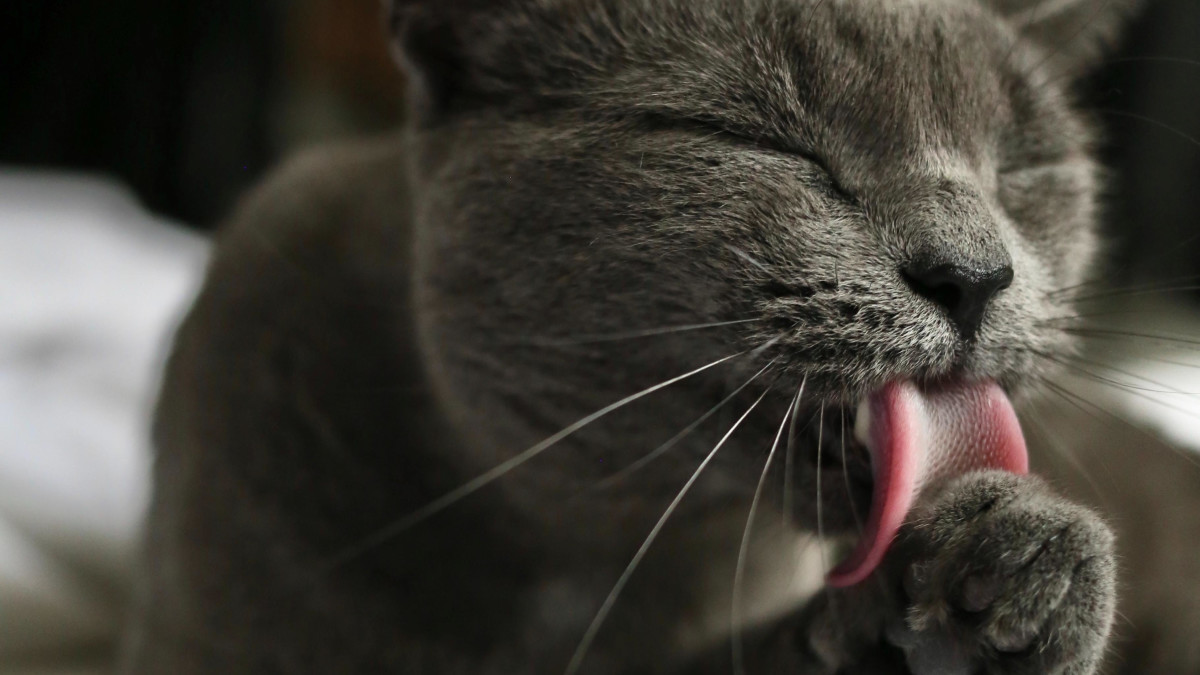
Russian Blues are famous for their dense, plush blue-gray coats and gentle personalities. They produce less of the Fel d 1 protein, the main allergen in cats. You might find their calm presence and lower allergen levels a great combination for your living space.
Cornish Rex Cats
The Cornish Rex stands out with its soft, wavy coat that lacks the typical guard hairs found in other cats. This unique fur texture means less dander spreads around your home. If you want a playful and agile cat that’s easier on your allergies, the Cornish Rex could be a great match.
Devon Rex Cats
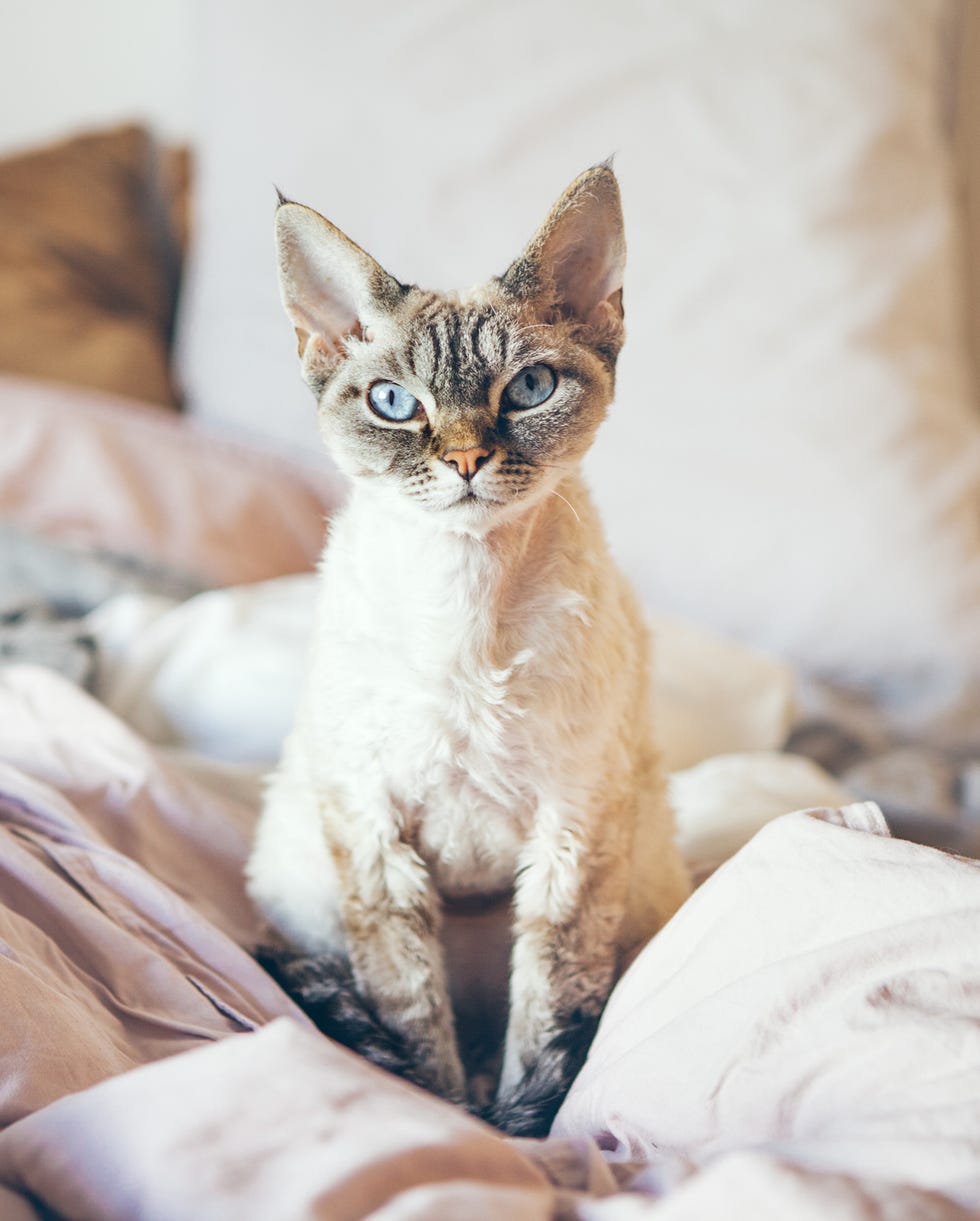
Devon Rex cats have a curly, short coat and a mischievous attitude that many owners adore. Their coats shed less, which helps keep allergen levels down. Do you enjoy a cat with a quirky personality and a hypoallergenic edge?
Sphynx Cats
Sphynx cats are hairless but not allergen-free, as they still produce oils and proteins on their skin. However, regular bathing reduces allergens and makes them suitable for many allergy sufferers. Their unique look and affectionate nature can be a rewarding choice if you’re ready for the extra care.
Choosing The Right Hypoallergenic Cat
Choosing the right hypoallergenic cat involves more than just picking a breed. You need to consider your daily routine, allergy sensitivity, and how much time you can dedicate to care. Making a thoughtful choice now can save you from frustration and ensure a happy home for both you and your feline friend.
Lifestyle Considerations
Think about your living space and activity level before selecting a hypoallergenic cat. Some breeds, like the Siberian, are energetic and require plenty of playtime, while others, such as the Cornish Rex, are more laid-back. If you work long hours, a low-maintenance breed might be better suited for your lifestyle.
Also, consider if you have other pets or children. Certain breeds adapt better to busy households. Your choice should fit seamlessly into your daily life to avoid stress for both you and your cat.
Allergy Testing Tips
Before bringing a hypoallergenic cat home, test your allergy response carefully. Spend time around the breed you’re interested in at shelters or breeders to see how your body reacts. Remember, hypoallergenic doesn’t mean allergy-free; individual reactions vary widely.
Try to observe your symptoms over a few hours or days, not just a quick visit. This approach helps you avoid surprises and ensures you truly tolerate the breed. Have allergy medication on hand during testing as a precaution.
Grooming And Care
Regular grooming can reduce allergens significantly, regardless of breed. Breeds like the Balinese need weekly brushing to keep dander levels down. Others, such as the Sphynx, require frequent skin cleaning because they lack fur to absorb oils.
Consider your ability to maintain this routine before choosing a cat. Grooming isn’t just about appearance; it’s a key factor in managing allergies. The right care can make your hypoallergenic cat experience much smoother and more enjoyable.

Credit: www.thepioneerwoman.com
Living With Hypoallergenic Cats
Certain cat breeds like the Siberian, Balinese, and Sphynx produce fewer allergens. These hypoallergenic cats suit people with mild allergies. Choosing the right breed helps enjoy pet companionship without constant sneezing or itching.
Living with hypoallergenic cats can be a game-changer for those who adore felines but suffer from allergies. These special breeds produce fewer allergens, making them a more suitable choice for sensitive cat lovers. Imagine enjoying the companionship of a cat without the constant sneezing and itchy eyes.Reducing Allergens At Home
Creating an allergy-friendly environment is crucial. Regular cleaning can significantly reduce allergens. Vacuum frequently, focusing on areas where your cat spends most of their time. Consider investing in a HEPA air purifier. It can help filter out dander and other irritants. Also, grooming your cat regularly can minimize shedding.Health Benefits Of Hypoallergenic Cats
Living with a hypoallergenic cat doesn’t just ease your allergies. It can also have surprising health benefits. Studies suggest that pet ownership can reduce stress and improve heart health. Cats provide companionship, which can boost your mental well-being. Their presence can reduce feelings of loneliness. Isn’t it fascinating how a little furball can enhance your life in multiple ways? Have you ever thought about how your lifestyle might change with a hypoallergenic cat? The possibilities are endless, and the rewards are profound.
Credit: shamelesspets.com
Frequently Asked Questions
What Breeds Of Cats Are Considered Hypoallergenic?
Breeds like the Siberian, Balinese, and Sphynx are often hypoallergenic. They produce fewer allergenic proteins, causing less allergic reaction. Each breed varies, so individual reactions may differ. Choosing these cats may help sensitive owners enjoy feline companionship with fewer allergy issues.
Are Hypoallergenic Cats Completely Allergy-free?
No, hypoallergenic cats are not completely allergy-free. They produce fewer allergens but still have some proteins causing reactions. Hypoallergenic breeds reduce symptoms but may not eliminate allergies entirely. Allergy sufferers should spend time with the cat before adopting to test their sensitivity.
Which Hypoallergenic Cat Breed Has The Least Shedding?
The Sphynx cat sheds the least because it has little to no fur. This reduces allergen spread through shedding. Other low-shedding breeds include the Russian Blue and Cornish Rex. Less shedding generally means fewer allergens in the environment, helping allergy sufferers.
Can Hypoallergenic Cats Live Indoors Safely?
Yes, hypoallergenic cats can live indoors safely. Indoor living limits allergen exposure and keeps cats safe. It also reduces contact with outdoor allergens. Regular cleaning and grooming further minimize allergens inside the home, making indoor environments comfortable for allergy-sensitive individuals.
Conclusion
Hypoallergenic cat breeds offer great options for allergy sufferers. These cats shed less and produce fewer allergens. Breeds like the Siberian, Balinese, and Sphynx are popular choices. Each has unique traits and personalities. Choosing the right breed can make living with cats easier.
Remember to spend time with a cat before adopting. This helps ensure a good match for your home. Enjoy the comfort and joy a hypoallergenic cat can bring.


Leave a Reply