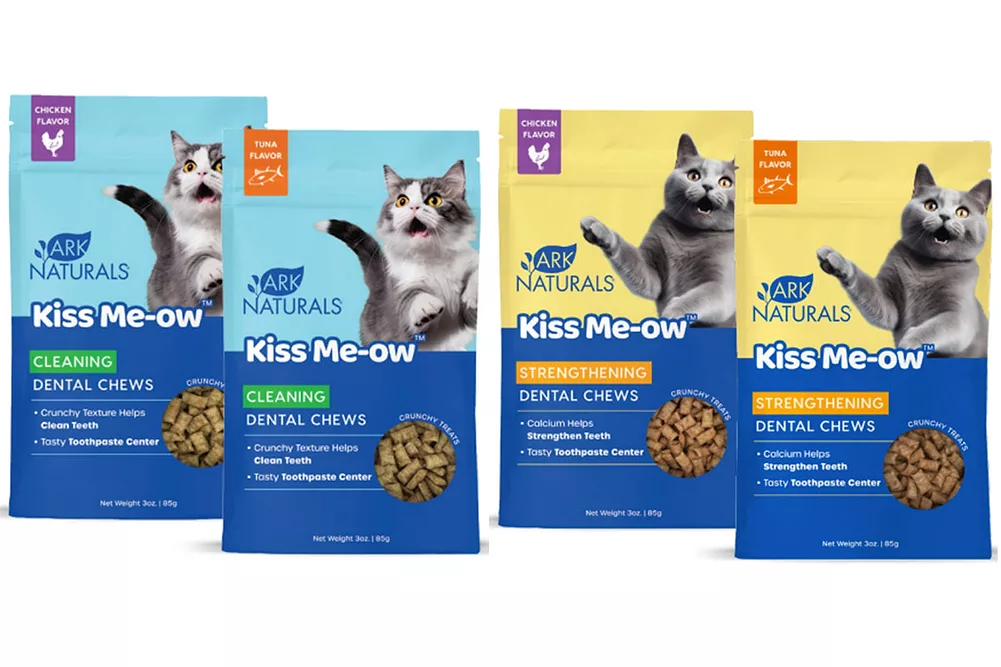
Your cat’s smile is more than just adorable—it’s a sign of their overall health. But did you know that what you feed your cat plays a huge role in keeping their teeth strong and their breath fresh?
If you want to avoid costly vet visits and painful dental problems, understanding the right diet for your feline’s dental health is key. Keep reading to discover simple, effective ways to feed your cat that support their teeth and keep them purring happily for years to come.

Credit: justcatsclinic.com
Importance Of Dental Health In Cats
Maintaining your cat’s dental health is more than just keeping their teeth clean. It plays a crucial role in their overall well-being and comfort. Poor dental care can lead to pain, infections, and even affect vital organs.
Common Dental Issues
Cats often suffer from dental problems like plaque buildup, gingivitis, and tooth resorption. These issues can cause bad breath and difficulty eating.
Many cat owners overlook these signs until their pet shows clear discomfort. Regular check-ups and monitoring your cat’s mouth can help catch problems early.
Impact On Overall Health
Dental disease doesn’t stay confined to the mouth. Bacteria from infected gums can enter the bloodstream and affect the heart, kidneys, and liver.
Have you ever noticed your cat losing weight or becoming less active? Sometimes, hidden dental pain is the cause.
Protecting your cat’s teeth can prevent serious health complications down the line and improve their quality of life.
Best Foods For Healthy Teeth
Choosing the best foods for your cat’s dental health helps prevent plaque and tartar build-up. Good nutrition supports strong teeth and fresh breath. Some foods naturally clean teeth while feeding. Understanding different food types aids in making smart choices for your cat’s mouth care.
Dry Vs. Wet Food Benefits
Dry food can help scrape plaque from teeth while eating. Its texture encourages chewing that cleans teeth surfaces. Dry food also stays on teeth longer, reducing bacteria growth. Wet food keeps cats hydrated and is easier to eat. It does not clean teeth as well as dry food. Combining both types can balance nutrition and dental benefits.
Role Of Crunchy Kibble
Crunchy kibble acts like a toothbrush during mealtime. Cats chew each piece slowly, which scrapes off food particles. This action reduces plaque accumulation and helps prevent gum disease. Kibble with special dental formulas often contains ingredients to control bacteria. Feeding crunchy kibble regularly supports daily dental hygiene.
Natural Chewing Aids
Natural chewing aids include treats and toys designed for teeth cleaning. Raw bones or dental sticks encourage chewing that massages gums. Chewing helps remove plaque and strengthens teeth naturally. Some cats enjoy chewing on safe plants like cat grass. These aids complement regular feeding and improve oral health without chemicals.
Special Dental Diets And Treats
Special dental diets and treats can play a key role in keeping your cat’s teeth healthy. These products are designed to reduce plaque and tartar buildup while freshening breath. Choosing the right options can make dental care easier for both you and your feline friend.
Veterinary-recommended Formulas
Your vet can guide you toward diets specifically made to support dental health. These formulas often have a unique kibble texture that helps scrape away plaque as your cat chews. They may also contain ingredients that reduce bacteria and promote gum health.
Brands like Hill’s Prescription Diet and Royal Canin offer dental-specific options backed by research. Feeding your cat these diets regularly can lower the risk of periodontal disease. Have you noticed how some cats prefer certain textures? Trying these vet-approved formulas can help if your cat is picky about food.
Dental Treats That Work
Not all dental treats are equally effective. Look for treats approved by the Veterinary Oral Health Council (VOHC), which meet strict standards for plaque and tartar control. These treats are designed to clean teeth mechanically and contain ingredients to fight bacteria.
Giving dental treats a few times a week can boost your cat’s oral hygiene efforts. Keep in mind, treats should complement—not replace—regular brushing and dental checkups. What treats does your cat enjoy that also help keep their teeth clean?
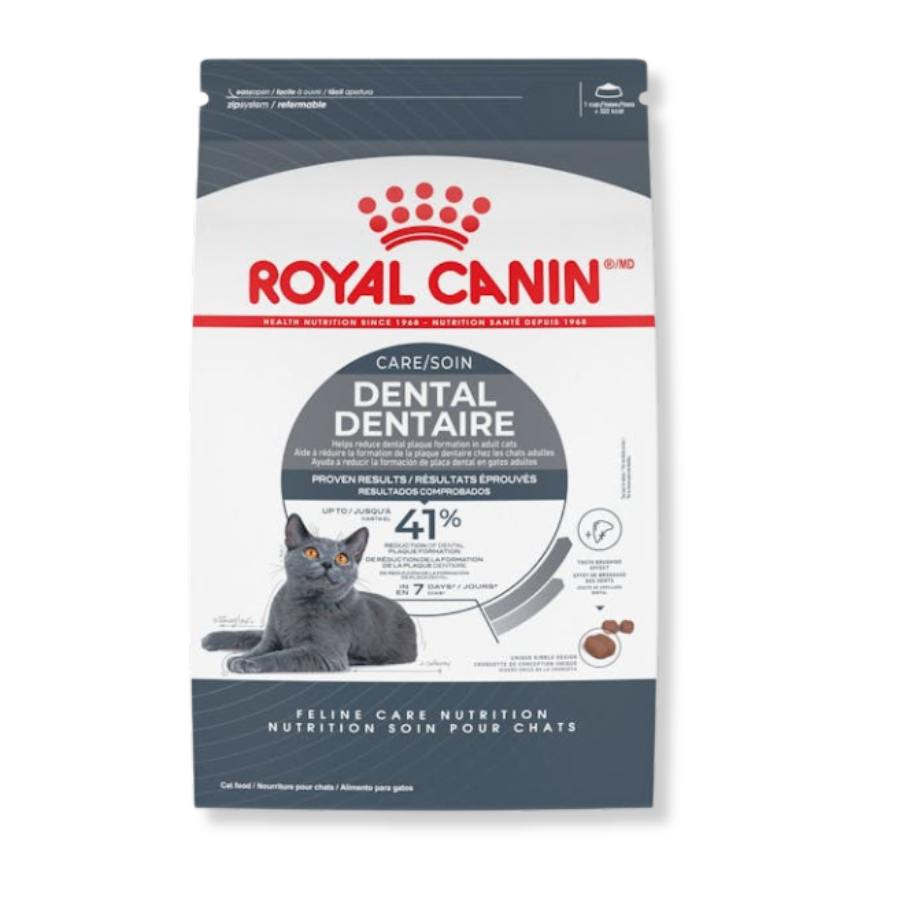
Credit: www.brindlepets.ca
Supplements For Dental Care
Feeding cats crunchy treats and dental-specific supplements helps reduce plaque and keeps teeth strong. Including vitamins like Vitamin C supports gum health naturally. Good nutrition plays a key role in preventing dental problems in cats.
Caring for your cat’s dental health goes beyond regular brushing and professional cleanings. Supplements can be a valuable addition to your cat’s diet to maintain strong teeth and healthy gums. These simple additives can work wonders in preventing plaque buildup and ensuring your feline friend has a bright, healthy smile. But which supplements should you choose? Let’s dive into some effective options that cater to your cat’s dental needs.Enzymatic Additives
Enzymatic additives are a great choice for cat owners looking to boost dental health. These products contain enzymes that can break down plaque and reduce tartar formation. You can find them in powders that can be sprinkled on your cat’s food, making it an easy addition to their daily routine. Have you considered how this simple step could save you from costly dental procedures in the future?Vitamins And Minerals
Vitamins and minerals play a crucial role in maintaining dental health. Calcium is essential for strong teeth, while Vitamin C supports healthy gums. Products containing these nutrients can be a game-changer for your cat’s oral care. Look for supplements specifically designed for feline dental health to ensure they get the right balance of these important nutrients. Isn’t it amazing how a small change in diet can lead to such significant health benefits for your pet? Adding these supplements is not just about improving dental health; it’s about enhancing your cat’s overall well-being. By choosing the right additives, you’re taking proactive steps to prevent dental issues and ensure your cat enjoys their meals without discomfort. So, why not start today? Your feline friend deserves it!Feeding Habits That Support Oral Health
Feeding habits play a crucial role in maintaining your cat’s oral health. What and how often you feed can either help prevent dental issues or contribute to plaque buildup and bad breath. Adjusting these habits can make a big difference without adding extra effort to your daily routine.
Meal Frequency And Timing
Feeding your cat multiple small meals throughout the day helps reduce the amount of food residue left in their mouth. This lowers the chance for bacteria to grow and cause dental problems.
Try dividing the daily food allowance into three or four portions instead of one or two large meals. This keeps your cat’s mouth cleaner for longer periods.
Also, avoid free feeding where food is available all day. It encourages constant nibbling, which increases plaque formation.
Avoiding Sugary And Sticky Foods
Sugary and sticky treats can cling to your cat’s teeth and gums, creating an ideal environment for bacteria. These types of foods increase the risk of cavities and gum disease.
Check the ingredient labels on treats and avoid those with added sugars or syrups. Even some natural fruit-based treats can have hidden sugars.
If your cat loves snacks, choose crunchy options designed to help clean teeth or raw meaty bones (sized appropriately and under supervision) to reduce plaque naturally.
At-home Dental Care Tips
Keeping your cat’s teeth clean at home is key to preventing dental problems. Regular care can reduce plaque buildup and freshen your cat’s breath. It might seem tricky at first, but with the right approach, you’ll both get used to it quickly.
Brushing Techniques
Start by choosing a soft-bristled toothbrush designed for cats or a finger brush. Use pet-safe toothpaste—never human toothpaste, as it can harm your cat. Begin gently by letting your cat taste the toothpaste and get comfortable with the brush in short sessions.
Hold your cat securely but gently, and lift the lips to expose the teeth. Brush in small, circular motions, focusing on the outer surfaces where plaque builds up most. Don’t worry about brushing every tooth perfectly; consistency matters more than perfection.
Have you noticed how quickly your cat adapts when you keep sessions brief but frequent? Even a few seconds of brushing a day can make a big difference over time.
Using Dental Gels And Rinses
Dental gels and rinses can be a great addition if your cat resists brushing. These products help reduce bacteria and freshen breath without the need for brushing. Apply gels directly to the teeth and gums with a finger or a cotton swab.
Rinses often mix with your cat’s drinking water, making daily use effortless. Check labels to ensure they are safe for cats and don’t contain harmful ingredients like alcohol. Have you tried adding a dental rinse to your cat’s water bowl? It’s an easy step that many owners overlook.
Combining brushing with gels or rinses creates a powerful routine to protect your cat’s dental health right at home.
When To See The Vet
Knowing when to visit the vet is key for your cat’s dental health. Regular check-ups help catch problems early. Cats often hide pain well, so watching for signs matters. Quick action can prevent serious dental diseases. Here’s what to watch for and what vets can do.
Signs Of Dental Problems
- Bad breath that won’t go away
- Difficulty eating or dropping food
- Red or swollen gums
- Excessive drooling or pawing at the mouth
- Loose or missing teeth
- Visible tartar buildup on teeth
- Weight loss or decreased activity
Notice any of these signs? A vet visit is important. Early detection helps keep your cat comfortable and healthy.
Professional Cleaning And Treatments
Vets perform thorough dental cleanings under anesthesia. This removes plaque and tartar below the gum line. They check for tooth decay, infection, and gum disease.
Treatments may include tooth extraction or medication. Regular cleanings prevent pain and further damage. Your vet can recommend the best care plan for your cat’s needs.
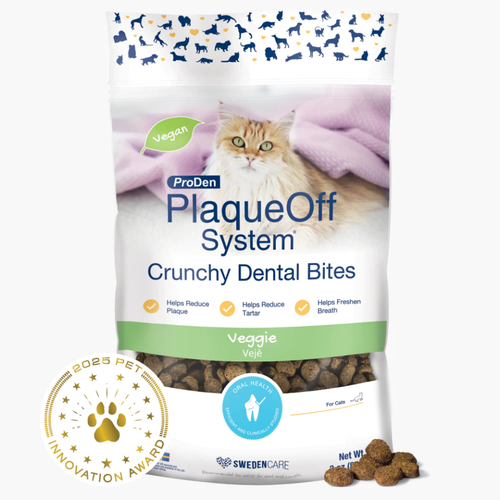
Credit: us.swedencare.com
Frequently Asked Questions
What Foods Promote Good Dental Health In Cats?
Dry kibble, dental treats, and raw meaty bones help clean cats’ teeth. These foods reduce plaque and tartar buildup naturally. Including them supports overall oral hygiene and fresh breath.
Can Wet Food Affect My Cat’s Dental Health?
Wet food is less abrasive, so it doesn’t clean teeth well. It can contribute to plaque buildup if not paired with dental care. Regular brushing or dental treats are needed alongside wet food.
Are Dental Treats Effective For Cats’ Oral Care?
Yes, dental treats are designed to reduce plaque and tartar. They help mechanically clean teeth and freshen breath. Choose treats approved by veterinary dental associations for best results.
How Often Should I Brush My Cat’s Teeth?
Daily brushing is ideal for maintaining dental health. If daily isn’t possible, aim for at least 3-4 times weekly. Use a cat-specific toothbrush and toothpaste for safety and effectiveness.
Conclusion
Feeding your cat the right food helps keep their teeth strong. Dry food can reduce plaque build-up by gently scrubbing teeth. Special dental treats also support clean teeth and fresh breath. Avoid sticky or sugary foods that cause tooth decay.
Regular vet check-ups catch dental problems early. Good dental health means a happier, healthier cat. Simple changes in your cat’s diet make a big difference. Start today to protect your cat’s smile and overall health. Healthy teeth lead to a happy purring friend.



Leave a Reply