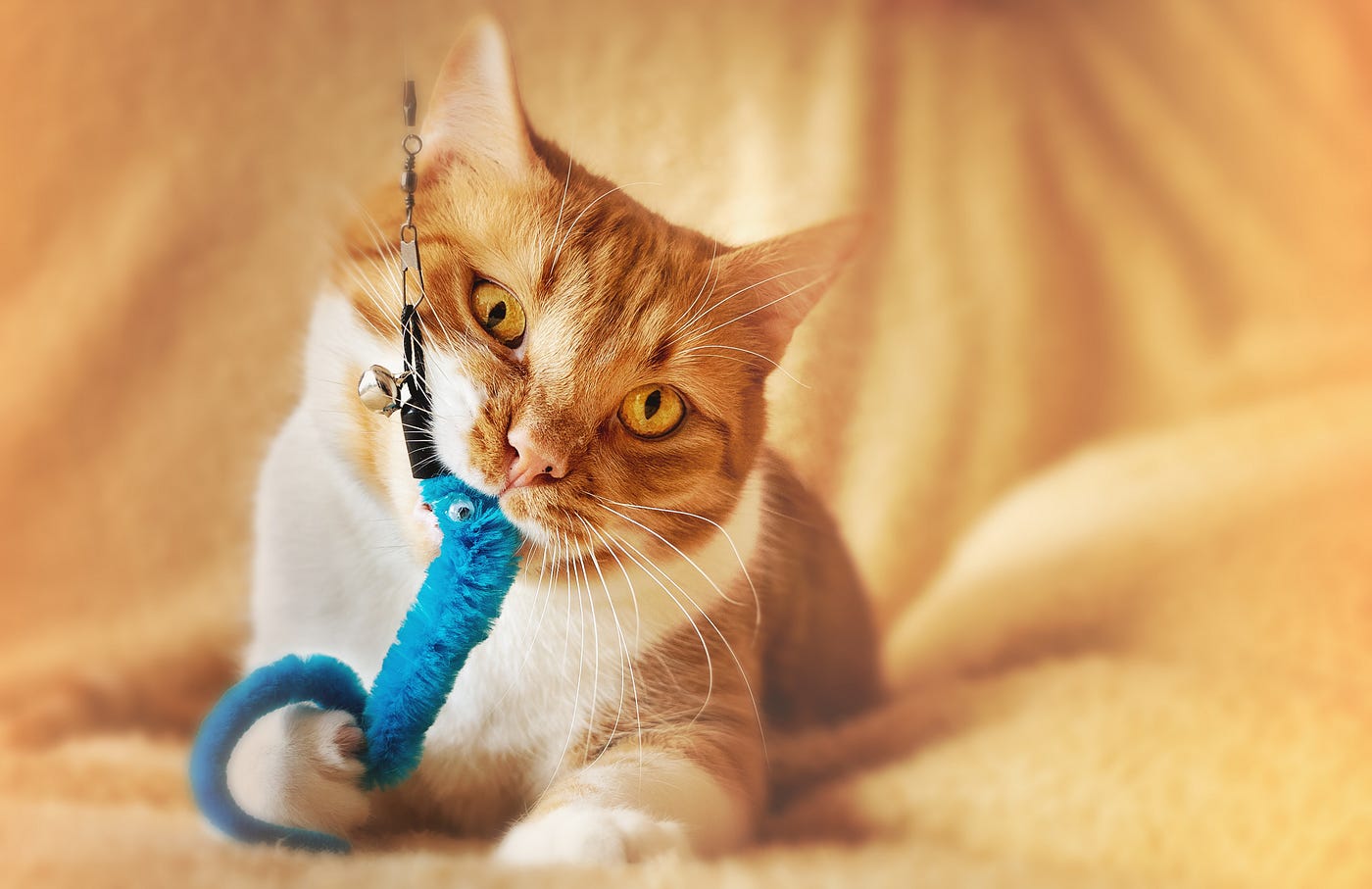
Have you ever wondered why your cat goes crazy over a simple toy? It’s not just about fun—there’s a lot more behind those playful pounces and endless chasing.
Understanding why cats love toys can help you keep your furry friend happy, healthy, and mentally sharp. You’ll discover the surprising reasons behind your cat’s obsession with toys and learn how to choose the best ones to boost their joy and well-being.
Keep reading, because what you learn could change the way you play with your cat forever.
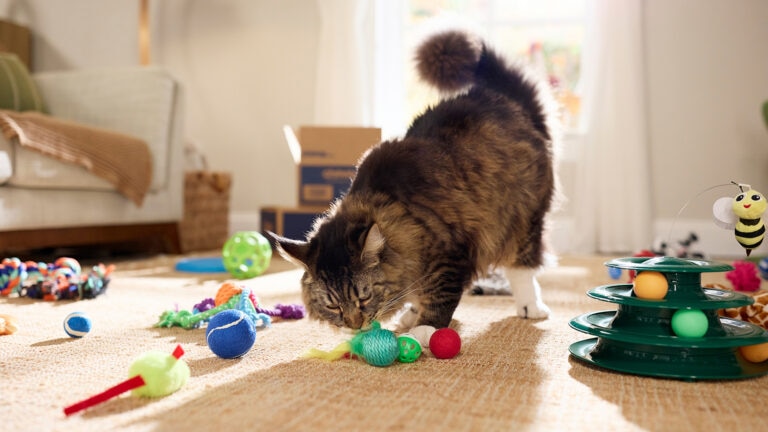
Credit: www.chewy.com
Instinctive Hunting Drive
Cats have an instinctive hunting drive that shapes much of their playful behavior. This natural urge pushes them to stalk, chase, and pounce—actions that are vital for survival in the wild. Even though your cat may live comfortably indoors, this deep-seated instinct still fuels their love for toys.
Predatory Behavior In Domestic Cats
Domestic cats retain many hunting behaviors from their wild ancestors. They often exhibit stalking, pouncing, and batting motions during play, mimicking the steps of hunting prey.
These actions aren’t just random—they serve to sharpen their reflexes and keep their minds alert. Have you noticed your cat crouching low or suddenly sprinting after a toy? That’s their predatory instincts at work, helping them stay mentally and physically fit.
How Toys Mimic Prey
Toys that move or resemble small animals trigger your cat’s hunting drive. Objects like feather wands, laser pointers, or small stuffed mice replicate the movements and size of typical prey.
When a toy darts away, your cat’s brain registers it as something to chase. This interaction satisfies their hunting urge and provides essential exercise.
Think about the last time your cat pounced on a toy mouse—did you see how focused and energized they became? Toys that mimic prey offer a safe way to engage these instincts without risking harm to real animals.

Credit: www.reddit.com
Mental Stimulation Benefits
Cats thrive on mental stimulation, and toys play a crucial role in keeping their minds sharp and engaged. Without enough mental challenges, your cat might develop behavioral issues or lose interest in their surroundings. Understanding the mental stimulation benefits of toys can help you choose the right ones to keep your feline friend happy and healthy.
Preventing Boredom
Boredom can lead cats to exhibit destructive behavior or become less active. Toys provide an outlet for their natural hunting instincts and curiosity. Have you noticed how your cat perks up when a new toy appears? That excitement is a sign their brain is being engaged.
Simple toys like feather wands or laser pointers can keep your cat entertained for hours. You can also rotate toys to keep things fresh and interesting. This prevents your cat from getting bored with the same old items.
Enhancing Problem-solving Skills
Toys that challenge your cat, such as puzzle feeders or treat-dispensing balls, encourage problem-solving. These toys require your cat to think and figure out how to get the reward inside. Watching my cat figure out a new puzzle toy reminded me how intelligent and curious they really are.
Introducing problem-solving toys not only entertains but also boosts your cat’s confidence. It gives them a sense of achievement when they succeed. You can start with easy puzzles and gradually increase the difficulty to keep your cat mentally fit and stimulated.
Physical Exercise Importance
Cats need physical exercise to stay healthy and happy. Toys help them move, jump, and stretch. This activity keeps their muscles strong and joints flexible. Exercise also helps cats avoid weight gain and related health problems. Playtime with toys mimics hunting, which is natural for cats. It keeps their minds sharp and bodies fit.
Maintaining Health And Agility
Regular play helps cats maintain good health. It strengthens their muscles and improves coordination. Agile cats can avoid injuries and move with ease. Exercise supports a healthy heart and lungs. It also helps prevent obesity, which can cause many diseases. Active cats often live longer, healthier lives.
Energy Outlet For Indoor Cats
Indoor cats have less space to run and explore. Toys give them a safe way to burn energy. Without enough activity, indoor cats can become bored or stressed. Playtime reduces anxiety and destructive behavior. Toys offer mental and physical challenges to keep cats engaged. This outlet helps them stay balanced and content indoors.
Emotional Comfort And Stress Relief
Cats have a natural instinct to seek emotional comfort. Toys play a significant role in providing this comfort. They serve as companions, reducing stress and offering a sense of security. When cats play, they release pent-up energy. This helps in managing anxiety and improving their mood.
Toys As Security Objects
Toys often become security objects for cats. They offer a sense of familiarity. Many cats form attachments to specific toys. These toys act like a comfort blanket for them. They provide reassurance during times of stress. For some cats, a favorite toy can be as comforting as a cuddle.
Reducing Anxiety Through Play
Playtime is more than just fun for cats. It is an essential part of their mental health. Playing helps in reducing anxiety levels. It distracts them from stressful situations. Engaging in play mimics hunting behaviors. This natural activity calms their nerves.
Interactive toys, like feather wands, stimulate their mind. They keep cats engaged and focused. This reduces the chance of anxiety building up. Regular play sessions can significantly improve a cat’s overall well-being.
Social Interaction And Bonding
Social interaction and bonding play a big role in why cats love toys. Toys create moments where cats connect with their owners and other pets. These connections help cats feel safe and loved.
Playing also keeps cats mentally active and emotionally happy. The shared experience builds trust and strengthens the relationship. This is important for both indoor and outdoor cats.
Playing With Owners
Cats enjoy playing with their owners because it mimics natural hunting behavior. Interactive toys like feather wands or laser pointers invite cats to chase and pounce. This shared activity creates fun and excitement.
Owners talking and moving with toys catch the cat’s attention. It encourages cats to come closer and engage. This regular playtime improves the bond and reduces stress for cats.
Toys Encouraging Group Play
Some toys are designed for multiple cats to enjoy together. Balls, tunnels, or puzzle feeders promote friendly competition and cooperation. This helps cats socialize and feel part of a group.
Group play with toys can reduce loneliness in homes with several cats. It also allows shy cats to join in safely. The shared fun builds positive relationships between pets.
Credit: www.mewoofun.com
Choosing The Right Toys
Choosing the right toys is key to keeping cats happy and healthy. Toys help cats stay active and use their natural hunting skills. Not all toys are safe or interesting for cats. Picking the best toys means thinking about materials and the types that attract cats the most.
Materials And Safety
Safe materials protect cats from harm. Avoid toys with small parts that cats can swallow. Soft fabrics, like cotton or felt, are gentle on paws and teeth. Hard plastics can break and cause cuts. Natural materials like wood or wool often last longer and are safer. Always check toys regularly for damage or loose pieces. Safety means fun without risk.
Types That Appeal To Cats
Cats love toys that move or make noise. Toys that mimic prey, like feathers or small balls, spark hunting instincts. Wand toys create interactive play and bond with owners. Catnip-filled toys excite many cats and encourage playtime. Puzzle toys challenge their minds and keep boredom away. Variety keeps cats curious and engaged.
Frequently Asked Questions
Why Do Cats Prefer Playing With Toys?
Cats instinctively chase and hunt moving objects. Toys mimic prey, satisfying their natural hunting instincts and providing mental stimulation. Play also relieves boredom and reduces stress, keeping cats healthy and happy.
How Do Toys Benefit A Cat’s Health?
Toys encourage physical activity, helping cats maintain a healthy weight. Playtime improves coordination, strengthens muscles, and reduces anxiety. Regular interaction with toys promotes mental sharpness and emotional well-being.
What Types Of Toys Do Cats Love Most?
Cats enjoy toys that move, make noise, or resemble prey. Wand toys, laser pointers, and feathered items engage their senses. Interactive toys boost their curiosity and provide rewarding play experiences.
Can Toys Reduce Destructive Behavior In Cats?
Yes, toys redirect a cat’s energy away from furniture or harmful habits. Regular play reduces boredom and frustration, decreasing the likelihood of destructive behavior. Engaged cats are generally calmer and more content.
Conclusion
Cats love toys because they keep them active and happy. Toys satisfy their natural hunting instincts. Playing helps cats stay healthy and strong. Toys also prevent boredom and reduce stress. A variety of toys keeps cats curious and engaged. Watching a cat play brings joy to owners too.
Giving cats toys shows you care about their well-being. Simple toys can create hours of fun and exercise. Every cat deserves toys to feel loved and entertained.



Leave a Reply