If you have an adult cat, you might have noticed they don’t seem as excited about toys as kittens do. But getting your cat interested in toys is easier than you think.
You just need the right approach to spark their curiosity and play instinct. Imagine your cat chasing, pouncing, and having fun again—it’s not only great for their health but also strengthens the bond between you. Keep reading, and you’ll discover simple, effective tips to make playtime exciting for your adult cat once more.

Credit: www.goodhousekeeping.com
Choosing The Right Toys
Choosing the right toys can make a big difference in an adult cat’s interest. Not all toys appeal to every cat. Picking toys that match your cat’s personality helps keep playtime fun and engaging. Safety and material quality also matter to protect your cat’s health. Understanding the types of toys cats prefer helps you find the perfect fit. Knowing the difference between interactive and solo play toys guides your choices.
Types Of Toys Cats Prefer
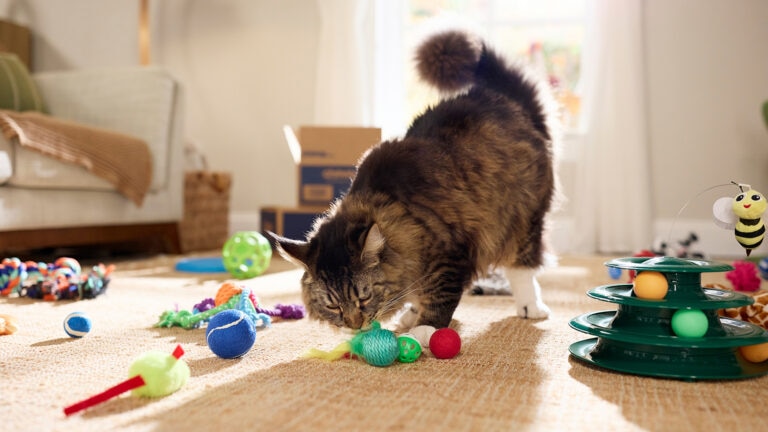
Cats often like toys that mimic prey. Small, lightweight toys that move or can be batted around catch their attention. Common favorites include:
- Feather wands
- Laser pointers
- Small balls or mice
- Catnip-filled toys
Some cats prefer soft toys to carry or bat. Others enjoy noisy toys with bells or crinkles. Watching your cat’s play style helps find the best toy type.
Materials And Safety Considerations
Toys must be safe and made of non-toxic materials. Avoid small parts that can be swallowed or cause choking. Look for:
- Durable fabrics
- Non-toxic dyes and fillings
- Secure stitching to prevent stuffing escape
- Plastic parts free of harmful chemicals
Regularly check toys for wear and tear. Replace damaged toys to keep your cat safe.
Interactive Vs Solo Play
Interactive toys require your involvement. Feather wands and laser pointers encourage movement and bonding. These toys stimulate your cat’s hunting instincts.
Solo play toys keep cats busy alone. Balls, catnip toys, and puzzle feeders entertain cats without your help. These help reduce boredom when you are busy.
Offering both types of toys balances playtime. It meets your cat’s needs for activity and comfort.
Introducing Toys Effectively
Introducing toys to an adult cat needs patience and care. Adults may not show immediate interest like kittens do. The key is to create a setting that invites curiosity and fun. Toys should feel like new and exciting objects. Using simple tricks can help catch your cat’s attention. Keep sessions short but frequent. This helps build a habit without stress.
Creating A Playful Environment
Choose a quiet, safe space for play. Remove distractions such as loud noises or other pets. Bright light can make toys more visible. Soft mats or rugs give a comfortable place to play. Keep toys within easy reach. Rotate toys often to keep things fresh. A playful place invites your cat to explore and engage.
Using Scent And Movement To Attract
Smell is very strong for cats. Rub toys with catnip or a bit of your scent. Move toys slowly to mimic prey. Use gentle, quick movements to spark interest. Drag toys across the floor or dangle them in the air. Small, sudden motions catch their eye. This triggers their natural hunting instincts.
Timing Play Sessions
Choose times when your cat feels active. Early morning or evening often works best. Keep sessions short, about 5 to 10 minutes. End play before your cat gets tired. Regular play times help your cat expect fun. This builds excitement and a positive routine. Watch your cat’s mood to find the best timing.
Encouraging Play Behavior
Encouraging play behavior in adult cats can seem tricky but is very rewarding. Play keeps cats active and healthy. It also reduces stress and boredom. To spark interest, use simple strategies that appeal to their natural instincts.
Incorporating Treats And Rewards
Treats motivate cats to engage with toys. Use small, tasty treats during play sessions. Reward your cat when it interacts with a toy. This positive feedback builds a strong connection. Treats can turn playtime into a fun experience. Remember to keep treats healthy and in moderation.
Mimicking Prey Movements
Cats are hunters by nature. Toys that move like prey attract their attention. Wiggle strings, drag feather toys, or bounce small balls. Move toys slowly at first, then speed up. Quick, unpredictable motions trigger hunting instincts. This makes playtime exciting and dynamic for your cat.
Engaging Multiple Senses
Use toys that stimulate sight, sound, and smell. Toys with crinkling sounds or bells catch their ear. Scented toys with catnip or silvervine add extra appeal. Bright colors and varied textures keep their eyes and paws busy. Combining senses makes play more interesting and enjoyable.

Credit: www.goodhousekeeping.com
Dealing With Disinterest
Adult cats may ignore toys out of boredom or habit. Try new textures, sounds, or interactive play to spark their interest. Small movements and treats can also encourage engagement.
Dealing with disinterest in toys can be puzzling for cat owners. Adult cats often show less enthusiasm for play. This can be frustrating, but understanding the reasons can help. Below are steps to rekindle your cat’s interest in toys.Identifying Possible Causes
Understanding your cat’s behavior is crucial. Some cats lose interest due to age. Health issues might also cause disinterest. Stress or changes in the environment can affect playfulness. Observe your cat’s behavior closely. Look for any signs of discomfort or anxiety. This will help identify the root cause.Changing Up The Routine
Variety is key in keeping your cat engaged. Introduce new toys regularly. Rotate toys to keep them fresh and exciting. Try different types of toys like feather wands or laser pointers. Short play sessions can be more effective. Set a consistent playtime to build anticipation. Engage with your cat during play to strengthen your bond.Consulting A Veterinarian
A vet can provide valuable insights. They can rule out any health issues. Ask about your cat’s diet and exercise needs. Discuss any behavioral changes you notice. Vets can recommend suitable toys for your cat’s age and health. Regular check-ups ensure your cat’s well-being.Maintaining Long-term Interest
Keeping an adult cat interested in toys takes patience and creativity. Cats can lose interest if toys remain the same all the time. Maintaining their curiosity helps keep them active and happy. Small changes can make a big difference in their play habits.
Rotating Toys Regularly
Switch toys every few days to keep things fresh. Put some toys away and bring them back later. This prevents boredom and makes old toys seem new. Rotate different types like balls, feathers, and puzzles.
Setting Consistent Playtimes
Choose specific times for play sessions each day. Cats enjoy routine and will start to expect these fun moments. Short sessions of 10-15 minutes work best. Play before mealtime can boost their excitement.
Social Play Opportunities
Play together using interactive toys like wand teasers. This strengthens your bond and makes play more exciting. Invite other cats or pets for group play if your cat enjoys company. Watch closely to ensure all animals are comfortable and safe.
Credit: www.chewy.com
Frequently Asked Questions
How Do I Introduce Toys To An Adult Cat?
Start by choosing toys with varied textures and sounds. Gently engage your cat using interactive play. Offer treats during play to build positive associations. Be patient and consistent to spark their interest over time.
What Types Of Toys Attract Adult Cats Most?
Adult cats prefer toys that mimic prey, like feather wands or laser pointers. Interactive toys that encourage hunting and pouncing are ideal. Soft, crinkly, or moving toys also keep them curious and entertained.
How Often Should I Play With My Adult Cat?
Daily play sessions of 10 to 15 minutes work best. Regular interaction helps maintain their physical and mental health. Short, frequent playtimes keep your cat engaged and prevent boredom.
Can Scent Or Treats Increase Toy Interest?
Yes, adding catnip or treats to toys can boost appeal. These scents stimulate your cat’s senses and encourage play. Rotate scented toys to maintain novelty and excitement.
Conclusion
Getting an adult cat interested in toys takes time and patience. Try different toys and watch what your cat enjoys most. Play with your cat often to build excitement. Use treats or catnip to make toys more fun. Change toys regularly to keep your cat curious.
Remember, every cat is unique and may prefer different play styles. Keep play sessions short but frequent for best results. Enjoy these moments to strengthen your bond and keep your cat active and happy.



Leave a Reply