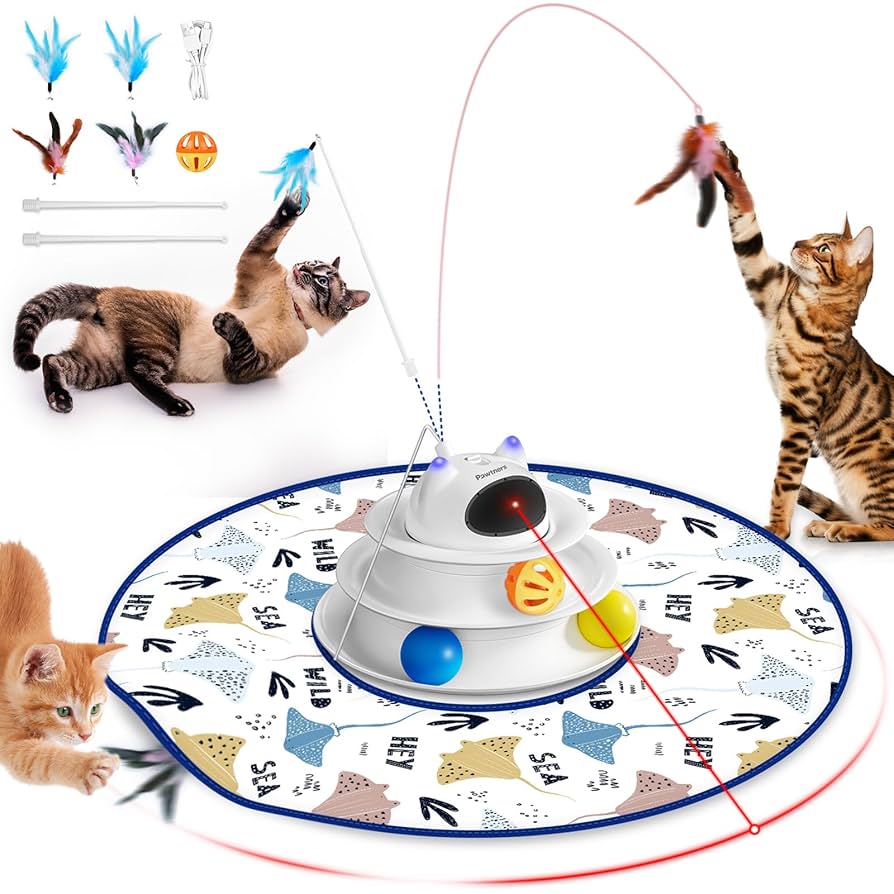
Are you wondering, “What cat toys should I hide?” You’re not alone. Cats are curious creatures, and sometimes the toys you leave out lose their magic quickly.
Hiding certain toys can make playtime exciting again and keep your furry friend entertained for longer. But which toys are worth stashing away, and how often should you switch them up? Keep reading to discover simple tricks that will bring back your cat’s playful spark and strengthen your bond every day.

Credit: www.amazon.com
Benefits Of Hiding Cat Toys
Hiding cat toys can greatly benefit your feline friend’s well-being. It sparks their curiosity and makes playtime more exciting. This simple trick helps cats stay active and happy. It also supports their natural behaviors in a fun way.
Encouraging Natural Instincts
Cats love to hunt and explore. Hiding toys triggers these natural instincts. They use their senses to find hidden toys, just like hunting prey. This keeps their mind sharp and their skills strong. It also satisfies their need to stalk and pounce.
Reducing Boredom And Anxiety
Hidden toys add variety to your cat’s day. They break up long periods of rest or boredom. This reduces stress and anxiety in cats. The challenge of finding toys keeps their mind busy. It helps prevent destructive behavior caused by boredom.
Promoting Exercise And Agility
Searching for hidden toys gets cats moving. They climb, jump, and crawl to reach them. This boosts their physical fitness and agility. Regular play helps maintain a healthy weight. It also strengthens muscles and joints.
Types Of Toys To Hide
Hiding toys for your cat can turn playtime into a thrilling treasure hunt. Choosing the right types of toys to hide keeps your cat curious and active. It also helps prevent boredom and encourages natural hunting behaviors.
Interactive Toys
Interactive toys are perfect for hiding because they invite your cat to engage and think. Toys like feather wands or laser pointers can be tucked away in drawers or behind furniture. When your cat discovers them, it sparks immediate interest and excitement.
These toys challenge your cat’s reflexes and keep their minds sharp. Have you noticed how your cat’s energy spikes when you pull out an interactive toy from an unexpected spot? That surprise factor is a game-changer.
Puzzle Feeders
Puzzle feeders combine play with treats, making them excellent candidates for hiding. You can hide these feeders in places where your cat must search and work to release the food inside. This not only slows down their eating but also stimulates their problem-solving skills.
Try hiding a puzzle feeder under a blanket or inside a box. Your cat will love the challenge and the reward. It’s a practical way to keep your cat busy and mentally engaged for longer periods.
Soft And Plush Toys
Soft and plush toys are comforting and often carry your scent, which makes them ideal to hide around the house. Cats love to find and cuddle with these toys, especially if they mimic prey like mice or birds. You can hide them in cozy spots like under cushions or near their favorite napping areas.
These toys encourage your cat to carry and “hunt” them, which can satisfy natural instincts. Have you tried hiding a plush toy in a box and watching your cat’s reaction? It’s a simple trick that can brighten their day.
Balls And Chasers
Balls and other chasing toys are easy to hide and great for active play. Small balls, especially those with bells inside, can be hidden in corners or under furniture where your cat can discover them unexpectedly. This encourages spontaneous bursts of play and exercise.
Rolling a ball out from a hidden spot can ignite your cat’s chasing instincts. You might find your cat spending more time on their paws, ready to pounce. Isn’t it satisfying to see your cat so lively and engaged?
Best Hiding Spots For Cat Toys
Finding the perfect spots to hide your cat’s toys can turn playtime into an exciting treasure hunt. Cats love the thrill of discovery, and hiding their favorite toys in clever places keeps them engaged and active. You want spots that are safe, accessible, and stimulate your cat’s natural instincts.
Under Furniture
Sliding toys under sofas or beds is a classic way to pique your cat’s curiosity. These spots mimic the feeling of chasing prey into tight spaces, which cats find irresistible. Just make sure the area is safe and free from anything that could hurt your cat or damage the toy.
I once hid a feather wand under the couch, and my cat spent hours trying to fish it out. It was a simple trick that turned a regular day into a playful adventure.
Inside Boxes Or Tunnels
Boxes and tunnels offer a cozy hideout for toys and cats alike. Cats love exploring these confined spaces, so slipping a small toy inside can encourage them to hunt and pounce. You can even rotate different toys in and out of boxes to keep the game fresh.
Think about the size of the toy and the box opening—too big, and the toy won’t stay hidden; too small, and your cat might get frustrated.
Behind Curtains
Hiding toys behind curtains adds an element of surprise for your cat. The movement of the curtain combined with a hidden toy can spark intense interest and playful batting. Just ensure the curtain is lightweight and won’t trap or harm your pet during play.
This spot works well if your cat enjoys stalking and ambushing. Have you noticed how they pause before pouncing on something just out of sight?
High Shelves
Placing toys on high shelves taps into your cat’s love of climbing and surveying their territory. They often enjoy retrieving toys from elevated places, which also encourages exercise. Use shelves that are easy for your cat to access but keep fragile items out of the way.
Try scattering a few small toys on a secure shelf and watch as your cat plans their climb. It’s a great way to combine play with physical activity.

Credit: www.amazon.com
How Often To Rotate Hidden Toys
Choose small, lightweight toys that are safe and easy to carry. Rotate hidden toys every few days to keep your cat curious and playful. Regular changes help maintain your cat’s interest and prevent boredom.
Rotating your cat’s toys keeps playtime fresh. Cats can lose interest if toys become too familiar. By hiding and rotating them, you maintain their curiosity. But how often should you switch out these toys? Typically, a weekly rotation works best. This frequency keeps toys novel and exciting. Observe your cat’s behavior. It can guide how often you rotate.Maintaining Interest
Cats are natural hunters. They love new challenges. Rotating toys mimics the hunt. It keeps them mentally engaged. New toys reignite their playful spirit.Preventing Toy Fatigue
Cats can get bored easily. Playing with the same toy daily tires them. Rotating toys prevents this fatigue. It offers fresh stimulation each time.Signs Your Cat Wants New Toys
Watch for changes in play behavior. Ignoring toys can signal boredom. Your cat might stare at you or meow more. These signs suggest it’s time for new toys.Safety Tips For Hiding Cat Toys
Hiding cat toys can make playtime exciting for your pet. It also keeps your home tidy. Safety is important when choosing spots to hide toys. This helps prevent accidents and keeps your cat healthy. Use these safety tips to make hiding toys safe and fun.
Avoiding Small Or Swallowable Parts
Choose toys without small parts that can break off easily. Small pieces can cause choking or blockages if swallowed. Avoid toys with buttons, beads, or loose strings. Look for sturdy toys made from safe materials. This keeps your cat safe during play and hiding.
Checking For Wear And Tear
Check toys often for damage or loose parts. Torn fabric or broken pieces can be dangerous. Replace toys that show signs of wear quickly. Worn-out toys can hurt your cat or cause accidents. Regular checks keep toys safe for hiding and playing.
Keeping Toys Clean
Clean toys regularly to remove dirt and germs. Dirty toys can cause infections or allergies. Use mild soap and warm water for cleaning. Let toys dry completely before hiding them again. Clean toys keep your cat healthy and happy.
Diy Hidden Toy Ideas
DIY hidden toy ideas can transform playtime into an exciting adventure for your cat. Hiding toys in clever spots encourages your cat to use their natural hunting instincts. It also keeps them mentally stimulated and physically active.
Creating Simple Toy Hiding Spots
Use everyday items to create easy hiding places for your cat’s toys. A small cardboard box with a few holes cut out can become a fun mystery for your cat to explore. You can also tuck toys under cushions or behind furniture where your cat can discover them.
Try hiding a small ball inside a folded towel or a paper bag. Your cat will enjoy pawing and digging to uncover the hidden prize. Have you noticed how cats love to investigate new nooks around the house? Use that curiosity to make playtime more engaging.
Using Household Items
Household items like empty toilet paper rolls or egg cartons make excellent toy containers. Fill these with small toys or crumpled paper to create a simple puzzle. Your cat will have to nudge and bat to retrieve the toy inside.
Another idea is to place toys inside a sock and tie the end loosely. This adds a new texture and challenge. You can even hang these from door handles or knobs for added fun. What common object in your home could become your cat’s next favorite toy holder?
Incorporating Treats
Adding treats to hidden toys makes the search even more rewarding for your cat. Place a treat inside a toy or inside one of the hiding spots you create. This motivates your cat to keep hunting and playing.
Try stuffing a small treat into a puzzle feeder or inside a crinkly ball. Your cat will learn that play leads to delicious rewards. Have you tried combining treats with toys to see how much more your cat enjoys playtime?

Credit: www.amazon.com
Frequently Asked Questions
What Types Of Cat Toys Should I Hide?
Hide small, interactive toys like mice, balls, and feather wands. These toys keep cats curious and engaged. Hiding them encourages natural hunting instincts and mental stimulation, reducing boredom and destructive behavior.
Why Is Hiding Cat Toys Beneficial?
Hiding toys promotes exercise and mental activity. It mimics hunting and problem-solving, which are essential for cats’ well-being. It also prevents toys from being overused or ignored, keeping playtime exciting and fresh.
How Often Should I Hide Cat Toys?
Rotate and hide toys every few days to maintain your cat’s interest. Frequent changes prevent boredom and encourage active play. This habit keeps your cat mentally sharp and physically active.
Which Cat Toys Are Unsafe To Hide?
Avoid hiding toys with small parts or strings that can cause choking or injury. Stay away from fragile or easily destroyed toys to ensure your cat’s safety during play.
Conclusion
Hiding cat toys can keep your cat active and happy. Choose small, safe toys that your cat enjoys. Change hiding spots to keep your cat curious. This helps stop boredom and unwanted behavior. Always check toys for damage to keep playtime safe.
A few hidden toys make playtime more fun and exciting. Your cat will thank you with more energy and joy. Try different toys and spots to find what works best. Playtime becomes a fun adventure for both of you.




Leave a Reply