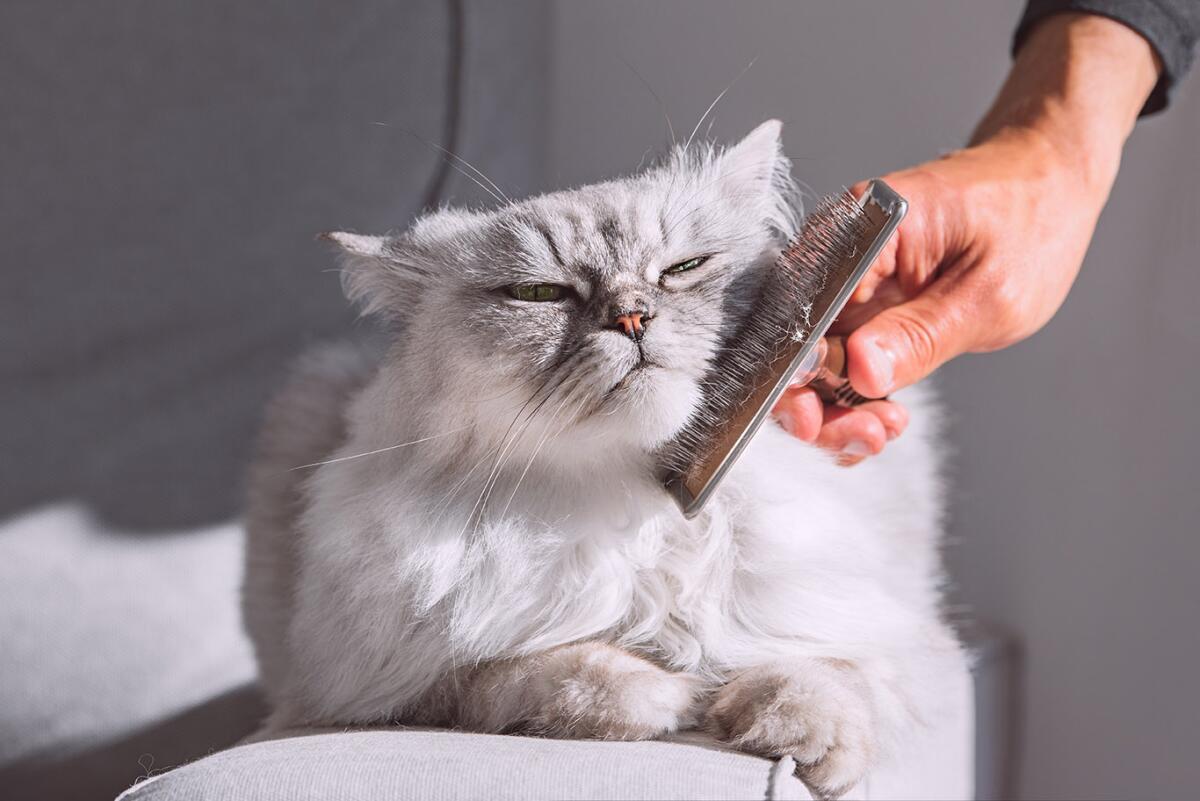
When you think about keeping your cat happy and healthy, grooming plays a bigger role than you might realize. But what exactly is grooming for cats, and why should you care?
If you want your furry friend to look great, feel comfortable, and avoid common health issues, understanding grooming is key. You’ll discover simple, effective ways to care for your cat’s coat, skin, and overall well-being. Ready to become your cat’s favorite caretaker?
Let’s dive in and explore everything you need to know about grooming for cats.
Cat Grooming Basics
Grooming your cat is more than just keeping them clean. It helps keep their skin and coat healthy. Grooming also reduces hairballs and prevents mats and tangles. Many cats enjoy the gentle touch, which strengthens your bond. Learning the basics makes grooming easier and more effective for both of you.
Why Grooming Matters
Grooming keeps your cat’s coat shiny and healthy. It removes dirt, loose fur, and dead skin. Brushing spreads natural oils, making fur soft and smooth. Grooming also helps spot health problems early, like bumps or skin issues. It lowers shedding and hairballs, keeping your home cleaner. Regular grooming reduces stress and calms your cat.
Types Of Cat Coats
Cats have different coat types. Each needs special care. Understanding your cat’s coat helps choose the right tools and methods.
- Short-haired:Smooth and easy to groom. Weekly brushing is usually enough.
- Long-haired:Thick and prone to tangles. Daily brushing prevents mats.
- Semi-long-haired:Between short and long. Brush several times a week.
- Curl-coated:Soft and wavy fur. Use gentle brushes and combs.
Credit: hellopetsinc.com
Tools For Grooming
Having the right tools makes grooming your cat easier and more effective. Each tool serves a specific purpose, helping maintain your cat’s coat, nails, and overall hygiene. Using proper grooming tools not only keeps your feline friend healthy but also strengthens your bond.
Brushes And Combs
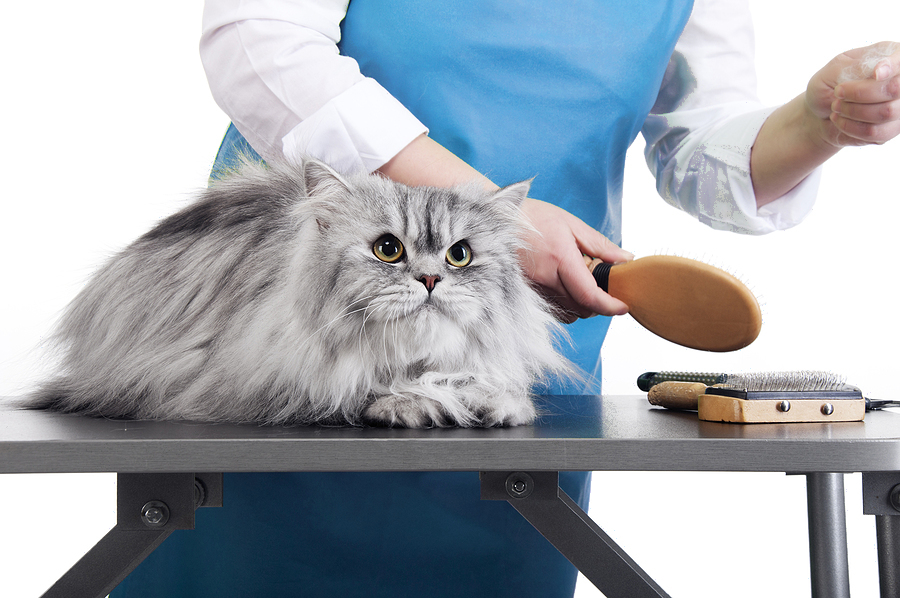
Brushes and combs are essential for keeping your cat’s fur clean and tangle-free. A slicker brush works well for removing loose hair and preventing mats, especially in long-haired breeds. Fine-toothed combs help you spot fleas or skin issues early, which could save you a vet visit later.
Have you noticed your cat enjoying the gentle strokes of a soft brush? This comfort encourages regular grooming sessions, making the process smoother for both of you.
Nail Clippers
Trimming your cat’s nails regularly prevents painful scratches and damage to furniture. Use a nail clipper designed specifically for cats to avoid splitting or crushing their nails. If your cat dislikes clippers, try wrapping them in a towel and clipping just one or two nails at a time to keep stress low.
Do you find your cat squirming during nail trims? Patience and small steps can turn nail clipping into a less stressful routine.
Shampoos And Wipes
Cats rarely need frequent baths, but when they do, using a cat-safe shampoo is crucial to avoid skin irritation. Waterless shampoos and grooming wipes offer a quick way to freshen your cat without the hassle of a full bath. These wipes are perfect for cleaning dirty paws or removing dander between grooming sessions.
Have you tried grooming wipes after your cat’s outdoor adventures? They can save you time and keep your home cleaner.
Brushing Techniques
Brushing cats is a key part of grooming. It keeps their coat clean and healthy. Good brushing removes loose fur and dirt. It also helps stop hairballs. Using the right brushing technique makes the process easy and pleasant for your cat.
Frequency And Timing
Brush your cat regularly. Short-haired cats need brushing once a week. Long-haired cats require brushing every day or every other day.
Choose a calm time for brushing. After your cat eats or rests is best. This helps them stay relaxed.
Handling Different Coat Types
Cats have different coat types. Each type needs a special approach to brushing.
- Short-haired cats:Use a soft-bristle brush or grooming glove. Brush gently to avoid skin irritation.
- Long-haired cats:Use a wide-toothed comb to detangle first. Follow with a slicker brush to smooth the coat.
- Curly or wiry coats:Use a fine-toothed comb to reach the undercoat. Brush slowly to avoid pulling fur.
Bathing Your Cat
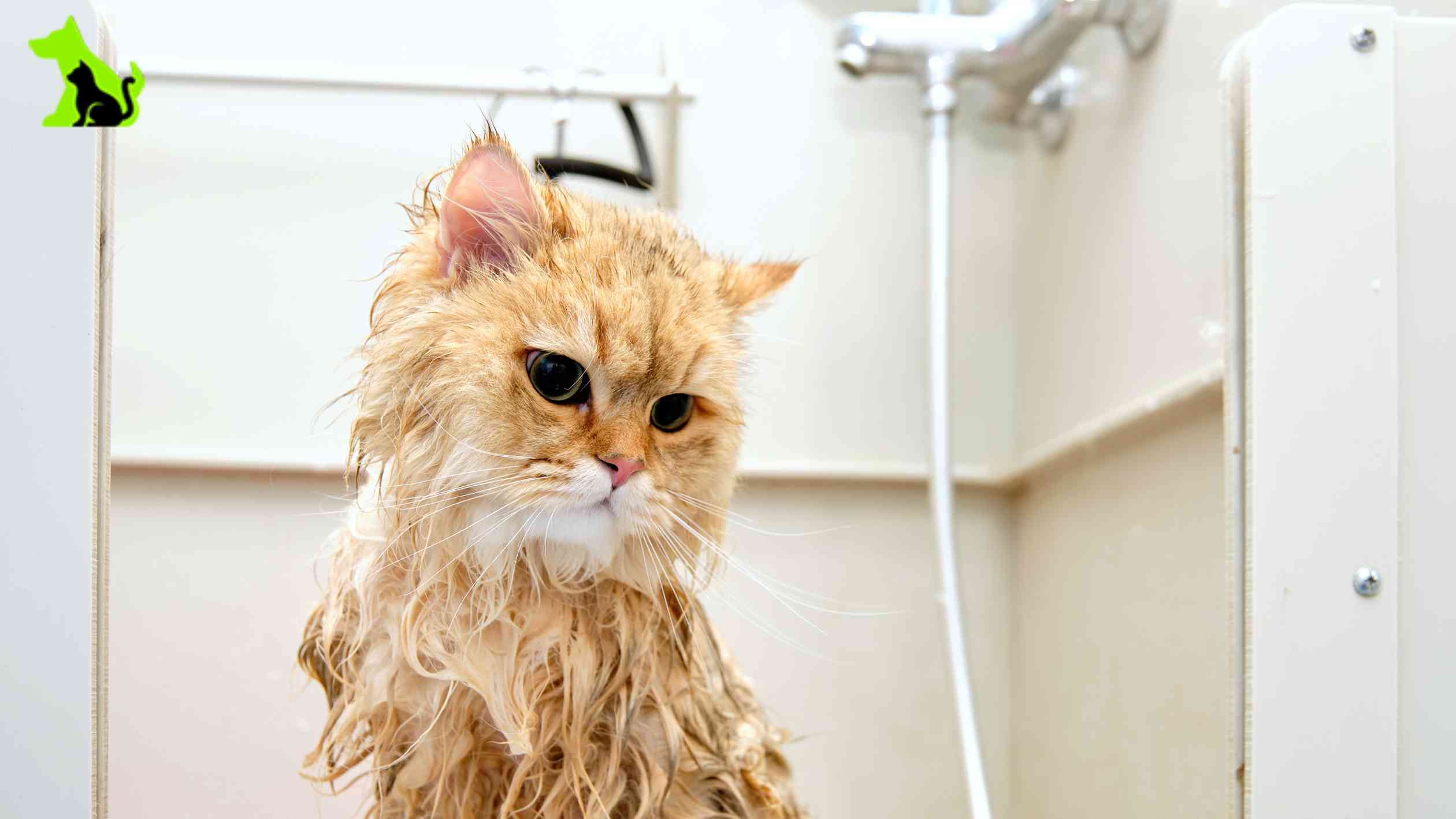
Grooming for cats involves regular cleaning and maintenance of their fur and skin. Bathing can be a part of this routine, ensuring a healthy and shiny coat. Proper grooming helps prevent matting, removes dirt, and reduces shedding, contributing to overall cat well-being.
Bathing your cat might seem like a daunting task, but with the right approach, it can be a manageable and even rewarding experience. Cats are naturally clean animals, often spending hours grooming themselves. However, there are times when a good bath becomes necessary. Whether it’s a muddy adventure in the garden or an encounter with something sticky, knowing when and how to bathe your cat is crucial.When To Bathe
Cats generally do not need frequent baths. Their grooming habits keep them relatively clean. However, if your cat gets into something particularly dirty or has a skin condition, a bath might be needed. Kittens and older cats may require more attention as their grooming efficiency can vary. If your cat is shedding excessively or has become oily, a bath can help maintain their coat’s health. Always consult your vet if you’re unsure about your cat’s bathing needs.Steps For A Safe Bath
- Gather Supplies:Have everything ready before you start—cat shampoo, a cup for rinsing, a towel, and a non-slip mat.
- Choose the Right Space:A sink or a small tub is ideal for better control and less mess.
- Prepare the Water:Use lukewarm water. Cats are sensitive to temperature, so make sure it’s comfortable for them.
- Gently Wet Your Cat:Use a cup or handheld sprayer, avoiding the face area to prevent stress.
- Apply Shampoo:Lather the cat-specific shampoo gently, focusing on the body and avoiding the face and ears.
- Rinse Thoroughly:Ensure all shampoo is washed out to prevent skin irritation.
- Dry Carefully:Use a towel to pat dry your cat. Avoid using a hairdryer unless your cat is accustomed to it.
Maintaining Healthy Skin
Maintaining healthy skin is key to your cat’s overall well-being. Good skin health prevents discomfort and supports a shiny, soft coat. Regular grooming helps remove dead skin cells and stimulates natural oils. These oils protect the skin and keep fur smooth. Watching your cat’s skin closely helps catch problems early. Healthy skin means a happier, more active cat.
Identifying Skin Issues
Look for signs like redness, bumps, or scabs. Dry, flaky patches can indicate skin dryness or allergies. Excessive scratching or licking may signal irritation or parasites. Check for bald spots or unusual odors. Early detection helps avoid serious infections. Regularly inspect your cat’s skin during grooming sessions.
Diet And Hydration
A balanced diet supports healthy skin and fur. Foods rich in omega-3 and omega-6 fatty acids improve skin condition. Fresh water keeps your cat hydrated, preventing dry skin. Avoid feeding low-quality or unbalanced meals. Proper nutrition strengthens the skin’s barrier against irritants. Monitor your cat’s eating habits and water intake daily.
Nail Care Tips
Taking care of your cat’s nails is an important part of grooming that many pet owners overlook. Proper nail care keeps your cat comfortable and prevents damage to your furniture—and your skin. It’s easier than you think to keep those claws in check with a few simple tips.
Trimming Basics
Start by choosing the right nail clippers designed for cats. Human nail clippers or scissors can cause splitting or crushing. Sit your cat in a calm, well-lit area and gently press the paw to extend the nails.
Trim only the sharp tip of the nail, avoiding the pink area called the quick—it’s where the nerves and blood vessels are. If your cat has dark nails, trim small bits at a time to avoid cutting the quick. Reward your cat with treats after each paw to make the experience positive.
Avoiding Common Mistakes
Don’t rush the process. Trying to trim all nails at once can stress your cat and increase the chance of injury. Instead, trim a few nails per session if needed and spread out the grooming over days.
Avoid pulling the nail or forcing your cat’s paw. This can cause pain and make future nail trims more difficult. If your cat struggles, pause and try again later or use nail caps as a temporary solution.
Have you noticed your cat hiding after a trim? This often happens when the quick is cut accidentally. Take it slow and keep your cat comfortable to build trust during nail care. Would you rather prevent this stress with a gentle approach?
Dealing With Shedding
Shedding is a natural process for cats, but it can quickly become overwhelming if not managed well. Understanding how and why your cat sheds helps you keep your home cleaner and your pet more comfortable. Let’s look at how shedding changes throughout the year and what you can do to reduce loose hair around your living space.
Seasonal Shedding Patterns
Cats usually shed more during spring and fall as they adjust their coats for changing temperatures. This means you might notice clumps of fur around your furniture or on your clothes during these times. Shedding helps them stay cool in summer and warm in winter, so it’s a sign your cat’s body is working properly.
Some breeds shed less, but nearly every cat will shed at some point. Have you ever wondered why your fluffy cat suddenly looks like a different animal by the end of a season? This natural cycle explains it.
Reducing Loose Hair
Regular grooming is your best weapon against excessive shedding. Brushing your cat daily removes dead hair before it falls off, reducing the amount of loose fur in your home. Choose a brush that suits your cat’s fur type to make grooming a pleasant experience for both of you.
Diet also plays a role. High-quality food with omega-3 and omega-6 fatty acids supports healthy skin and fur, which can decrease shedding. Have you checked your cat’s food label recently to ensure it contains these nutrients?
Here are a few simple tips to control shedding:
- Brush your cat gently but thoroughly, especially during peak shedding seasons.
- Keep your home clean by vacuuming regularly and using lint rollers on furniture.
- Provide plenty of fresh water to keep your cat hydrated, supporting skin health.
What small changes can you make today to reduce the fur tumbleweeds in your living room?
Credit: tipptotail.com
Handling Grooming Challenges
Grooming cats can be tricky. Some cats dislike being touched or brushed. Others may get scared or try to run away. Handling these challenges needs patience and care. Knowing how to calm your cat and when to ask for help makes grooming easier and safer for both of you.
Calming Anxious Cats
Start grooming in a quiet, calm room. Soft voices help your cat feel safe. Use gentle strokes and slow movements. Let your cat sniff the brush before using it. Take breaks if your cat seems stressed. Offer treats to create a positive link with grooming. Try to groom at the same time daily. This builds a routine your cat can trust.
When To Seek Professional Help
Some cats resist grooming no matter what. Signs of stress include hissing, biting, or hiding. If grooming causes injury or fear, call a vet or groomer. Professionals have tools and experience to handle tough cases. They can trim nails, remove mats, or clean ears safely. Regular professional grooming may reduce stress at home.

Credit: www.latimes.com
Frequently Asked Questions
What Is Cat Grooming And Why Is It Important?
Cat grooming involves cleaning and brushing a cat’s fur to remove dirt and loose hair. It helps prevent matting, reduces shedding, and keeps the skin healthy. Regular grooming also strengthens the bond between owner and cat and helps detect health issues early.
How Often Should I Groom My Cat?
The frequency depends on your cat’s coat type. Short-haired cats need grooming once a week, while long-haired breeds require daily brushing. Regular grooming prevents hairballs and keeps fur smooth, shiny, and tangle-free.
What Tools Do I Need For Grooming Cats?
Basic grooming tools include a soft-bristle brush, a comb, nail clippers, and grooming wipes. For long-haired cats, use a de-matting comb. These tools help maintain cleanliness and comfort without hurting your cat.
Can Grooming Prevent Health Problems In Cats?
Yes, grooming helps spot skin issues, parasites, and infections early. It also reduces hairballs, matting, and skin irritation. Regular grooming promotes healthy skin, improves circulation, and supports your cat’s overall well-being.
Conclusion
Grooming helps keep cats healthy and happy. It removes dirt and loose fur. Regular brushing prevents hairballs and skin problems. Cats feel calm and loved during grooming. It also strengthens the bond between you and your cat. Small daily care makes a big difference.
Start grooming early to build trust. Remember, clean and well-groomed cats live better lives. Simple steps keep your cat comfortable and clean. Make grooming a gentle, fun part of your routine.



Leave a Reply