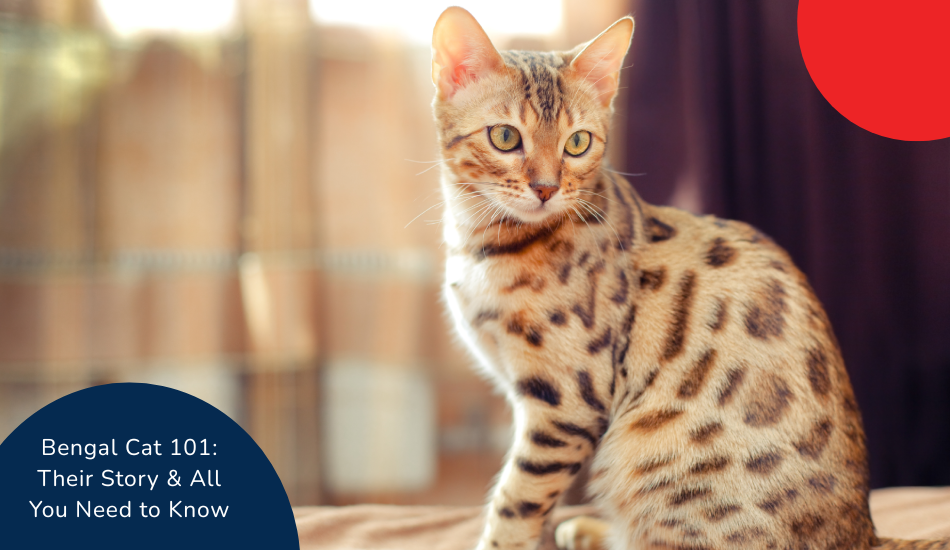
If you have a Bengal cat, you already know how stunning and lively they are. But keeping your Bengal’s coat shiny and healthy takes the right grooming routine.
You might wonder, “How often should I groom my Bengal? What tools do I need? Will my cat enjoy it? ” This guide will answer all your questions and show you simple steps to make grooming easy and enjoyable for both you and your furry friend.
Keep reading to discover how to keep your Bengal looking its best every day.
Bengal Cat Coat Traits
The Bengal cat’s coat is one of its most captivating features. Understanding its traits will help you groom your Bengal more effectively and keep its fur looking vibrant and healthy. Let’s dive into what makes the Bengal’s coat so special and what you need to know about its texture and shedding habits.
Unique Fur Patterns
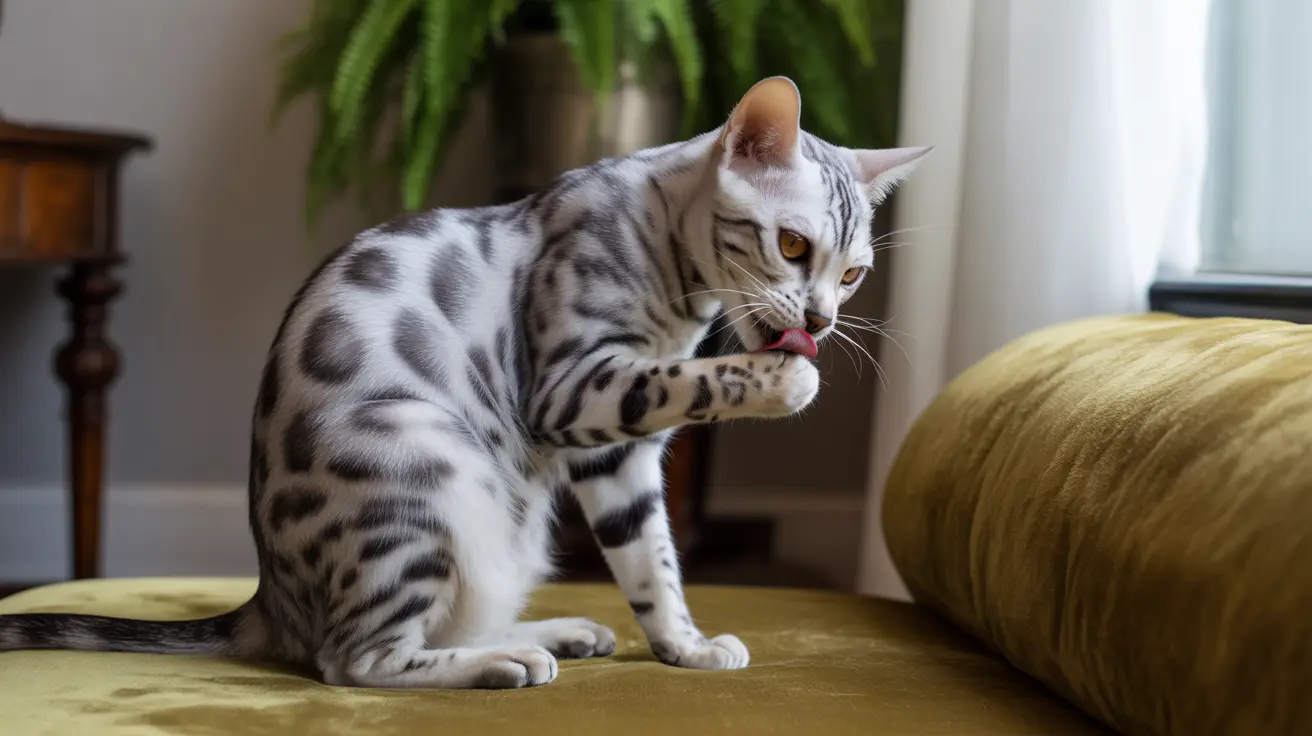
Bengal cats boast some of the most striking fur patterns in the feline world. Their coats typically feature rosettes, spots, or marbled swirls that resemble wild leopards. These patterns are not just beautiful but also vary widely from cat to cat, making each Bengal unique.
Have you noticed how the light plays on your Bengal’s fur? The coat often has a shimmering effect called “glitter,” which is rare in other breeds. This sparkle adds a layer of depth and gives the Bengal a lively, almost glowing appearance.
Coat Texture And Shedding
The texture of a Bengal’s fur is short, dense, and silky to the touch. You might be surprised by how soft and smooth it feels when you run your fingers through it. This texture makes grooming easier but also means you need to handle your cat gently to avoid damaging the fine fur.
Shedding in Bengals is generally moderate compared to other cats. They don’t shed excessively, but regular brushing helps to keep loose hairs under control and reduces hairballs. Think about brushing your Bengal at least once or twice a week to maintain that sleek look and keep your home cleaner.
Essential Grooming Tools
Grooming a Bengal cat requires the right tools to keep their coat healthy and shiny. Bengals have a short, dense coat that needs regular care. Using proper grooming tools makes the process easier and more comfortable for your cat. Good tools help remove loose hair, dirt, and prevent mats. They also improve blood circulation and strengthen the bond between you and your Bengal.
Brush Types For Bengals
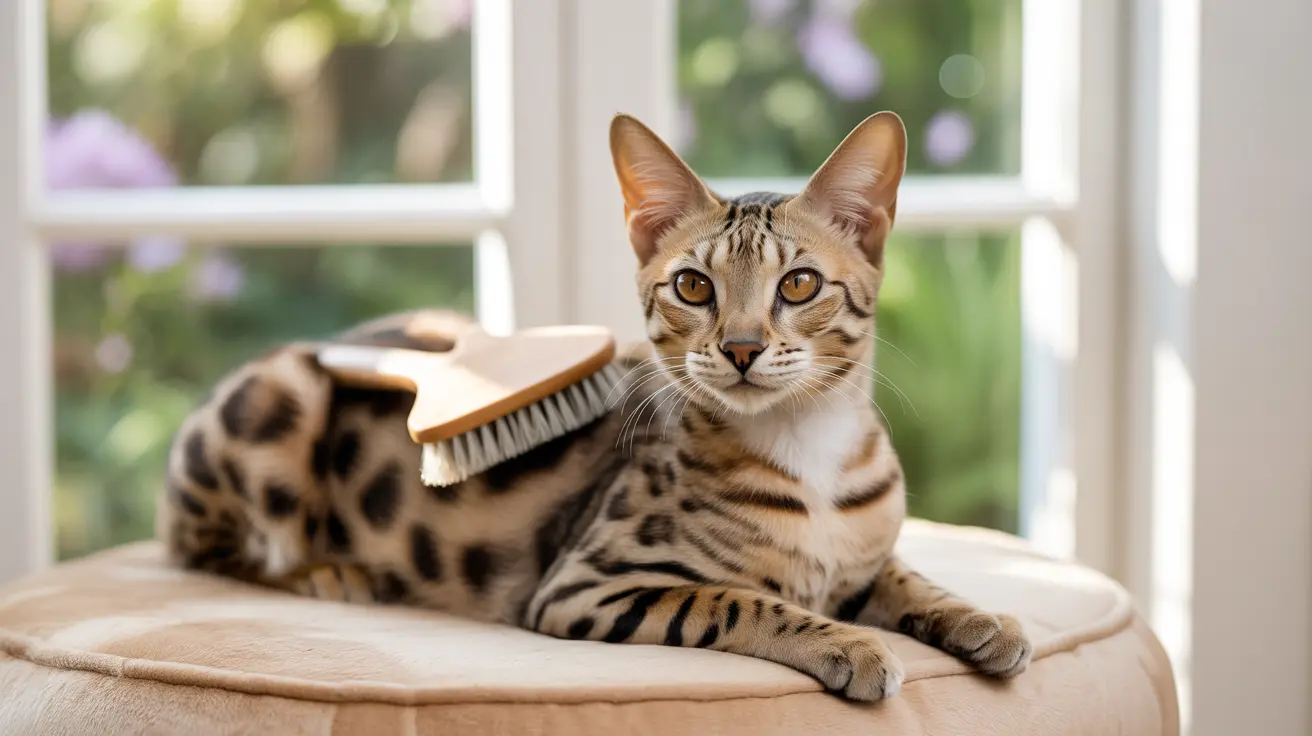
Choose brushes that suit the Bengal’s short fur. A slicker brush works well to remove loose hair and dirt. It also helps smooth the coat and reduce shedding. A bristle brush is gentle and adds shine to the fur. Use it after the slicker brush for a polished look. Avoid harsh brushes that can irritate the skin.
Choosing The Right Comb
A fine-toothed comb helps find small tangles and remove debris. It is useful for delicate areas like behind the ears and under the legs. A wide-toothed comb detangles tougher knots without pulling the hair. Use the comb gently to avoid hurting your Bengal. Regular combing keeps the coat smooth and healthy.
Additional Grooming Supplies
- Cat-safe nail clippers to trim claws carefully.
- Soft towels for drying after baths.
- Pet-friendly wipes to clean the face and paws.
- Ear cleaner to keep ears free from wax and dirt.
- Toothbrush and toothpaste designed for cats.
Having these supplies handy makes grooming easier and more effective. Keep tools clean and store them in a safe place.
Brushing Techniques
Brushing your Bengal cat keeps its coat healthy and shiny. It removes loose fur and dirt. Proper brushing also helps reduce hairballs and matting. Learning the right techniques makes grooming easier and more pleasant for your cat.
Frequency And Timing
Brush your Bengal cat two to three times a week. This frequency helps keep the fur smooth. Choose a quiet time when your cat feels calm. After meals or playtime often works well. Short brushing sessions of five to ten minutes suit most cats.
Handling Sensitive Areas
Some areas need gentle care, like the belly and tail. Approach these spots slowly and softly. Use a light touch to avoid discomfort. Watch your cat’s reactions closely. Stop if you see signs of stress or pain. Gradually, your cat will become more comfortable with brushing.

Credit: www.yahoo.com
Bathing Your Bengal
Bathing your Bengal cat ensures a shiny coat. Use lukewarm water and gentle pet shampoo. Rinse thoroughly to remove all soap.
Bathing your Bengal cat can be a rewarding experience. They are known for their playful nature and unique fur patterns. Regular baths help maintain their coat’s health and shine. But you must bathe them correctly to avoid stress or injury.When To Bathe
Bengal cats do not need frequent baths. Every few months is often enough. More frequent baths can dry out their skin. Only bathe them if they get very dirty or smelly. Noticeable dirt or odor indicates it’s time for a bath.Safe Bathing Methods
Prepare a shallow bath with warm water. Fill the tub with just a few inches of water. Use a non-slip mat to prevent slipping. Wet your Bengal slowly using a cup or spray nozzle. Avoid spraying their face directly. Massage the shampoo gently into their fur. Rinse thoroughly to remove all soap.Recommended Shampoos
Choose a cat-friendly shampoo for your Bengal. Avoid shampoos with harsh chemicals. Look for natural ingredients. Oatmeal-based shampoos are soothing. They work well for sensitive skin. Always read the label before use.Diet And Coat Health
Your Bengal cat’s coat is one of its most striking features. Keeping it healthy and shiny goes beyond regular brushing—it starts with what you feed your cat. Diet plays a key role in maintaining that sleek, vibrant coat you admire.
Nutritional Needs
Your Bengal needs a balanced diet rich in high-quality proteins. Cats are obligate carnivores, which means protein from meat is essential for their overall health and coat condition.
Look for foods with ingredients like chicken, turkey, or fish listed first. These provide the amino acids necessary for strong hair follicles and skin repair.
Fatty acids, especially omega-3 and omega-6, are crucial. They help keep the coat soft and reduce dryness or flaking. Have you checked if your cat’s food labels include these nutrients?
Supplements For Shine
If your Bengal’s coat looks dull, adding supplements might help. Fish oil capsules or liquid supplements can boost the shine and improve skin health.
Be cautious with dosages—too much can cause digestive upset. It’s best to consult your vet before starting any supplements.
Vitamin E is another supplement that supports skin health. You can find it in certain cat foods or as a standalone supplement.
Have you noticed that after switching to a food richer in omega fatty acids, your Bengal’s coat becomes noticeably softer and glossier? Sometimes small dietary changes make a big difference.
Credit: www.petscare.com
Managing Shedding And Hairballs
Managing shedding and hairballs is a key part of grooming your Bengal cat. These active felines shed regularly, and their grooming habits can sometimes lead to hairballs. Taking control of shedding not only keeps your home cleaner but also helps your Bengal feel comfortable and healthy.
Reducing Loose Fur
Regular brushing is your best tool for reducing loose fur. Use a soft-bristle or rubber brush designed for short-haired cats to gently remove dead hair.
Try brushing your Bengal at least three times a week. This can significantly cut down on the amount of fur your cat sheds around the house.
Feeding a balanced diet rich in omega-3 and omega-6 fatty acids supports a healthy coat. You might notice your Bengal’s fur becoming shinier and less prone to shedding after a few weeks on the right food.
Hairball Prevention Tips
Hairballs happen when your Bengal swallows loose fur while grooming. You can help prevent them by brushing often to catch loose hair before your cat does.
Give your cat plenty of fresh water. Hydration helps keep their digestive system moving smoothly, which reduces hairball buildup.
Specialized hairball control treats or supplements can also help. Look for products with natural ingredients that promote digestion and reduce hairball formation.
Have you noticed times when your Bengal grooms excessively? Sometimes stress or boredom can increase grooming and lead to more hairballs. Providing toys and interactive playtime can keep your cat mentally engaged and less likely to over-groom.
Skin Care And Health Checks
Proper skin care and health checks are vital for Bengal cats. Their short, dense coat needs regular attention to stay healthy. Checking the skin helps catch problems early. Healthy skin means a happy cat with a beautiful shine.
Spotting Skin Issues
Look for redness, bumps, or dry patches on your Bengal’s skin. These signs may show allergies or infections. Check for excessive scratching or hair loss. Fleas and ticks cause irritation and must be removed quickly. Watch for unusual odors or scabs. Early detection prevents serious problems.
Regular Vet Visits
Schedule vet visits at least once a year. The vet checks for skin infections and parasites. Vaccinations keep your Bengal protected from diseases. Blood tests can reveal hidden health issues. Your vet can recommend special shampoos or treatments. Regular checkups ensure your cat stays in top shape.
Credit: www.petscare.com
Creating A Grooming Routine
Creating a grooming routine for your Bengal cat helps keep its coat shiny and healthy. Regular care reduces shedding and skin problems. A routine also builds trust between you and your cat. Establishing a set schedule makes grooming easier for both of you.
Daily And Weekly Tasks
Daily grooming includes gentle brushing to remove loose hair. Bengal cats have short coats but still benefit from daily attention. Use a soft brush to avoid skin irritation. Check ears and eyes for dirt or signs of infection. Wipe away any debris with a damp cloth.
Weekly tasks involve a deeper grooming session. Use a fine-toothed comb to reach under the topcoat. Trim nails carefully to prevent scratches. Clean teeth with a cat-safe toothbrush or dental wipe. Bathing is rarely needed but can be done occasionally with cat shampoo.
Adapting As Your Cat Ages
Older Bengal cats may need gentler grooming. Their skin can become thinner and more sensitive. Reduce brushing pressure and frequency if your cat shows discomfort. Older cats might enjoy shorter grooming sessions to avoid stress.
Monitor your cat’s behavior and health closely. Adjust grooming tools and techniques based on their needs. Regular vet visits help catch any grooming-related health issues early. A flexible routine supports your Bengal’s well-being through all life stages.
Frequently Asked Questions
How Often Should I Groom A Bengal Cat?
Bengal cats need grooming once or twice a week. Regular brushing removes loose fur and reduces shedding. It also helps prevent hairballs and keeps their coat shiny and healthy.
What Tools Are Best For Grooming Bengal Cats?
Use a soft-bristle brush or grooming glove for Bengals. These tools gently remove loose hair without irritating their skin. Avoid harsh brushes to keep their coat smooth and comfortable.
Can Grooming Reduce Bengal Cat Shedding?
Yes, grooming significantly reduces shedding in Bengal cats. Weekly brushing removes dead hair before it falls off. This keeps your home cleaner and your cat more comfortable.
How To Handle Bengal Cats During Grooming Sessions?
Stay calm and gentle while grooming Bengals. Use slow movements and praise to keep them relaxed. Short, frequent sessions work best to build trust and comfort.
Conclusion
Grooming a Bengal cat keeps them healthy and happy. Regular brushing removes loose hair and dirt. It also helps you bond with your pet. Clean their ears and trim nails carefully. Watch for any skin problems while grooming. A clean coat shines and feels soft.
Spend time with your Bengal every day. This simple care makes a big difference. Your cat will thank you with love and purrs.



Leave a Reply