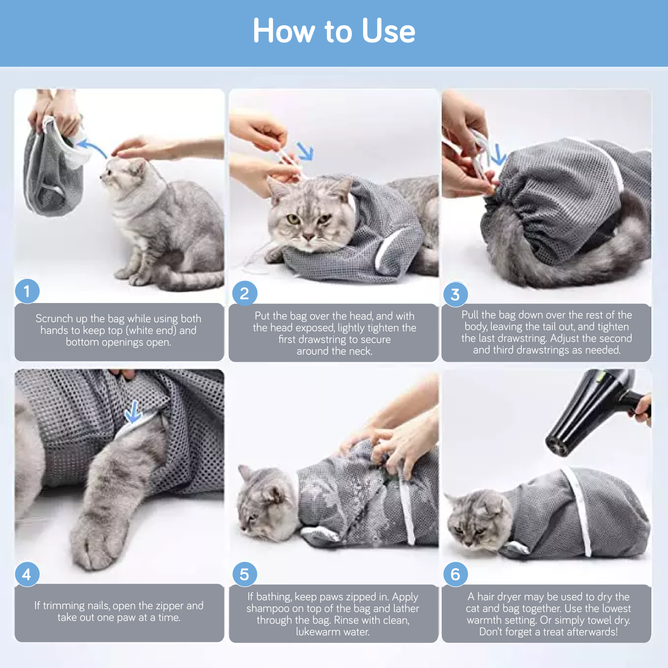
Grooming your cat can be a challenge, especially when they won’t sit still. You want to keep your furry friend clean and healthy, but the struggle to keep them calm can make the whole process stressful for both of you.
What if you could learn simple, effective ways to help your cat stay relaxed and still during grooming? Imagine turning those tense moments into calm, bonding time. Keep reading, and you’ll discover practical tips that make grooming easier and more enjoyable—for you and your cat.
Preparing Your Cat For Grooming
Preparing your cat for grooming is essential to make the experience smooth and stress-free for both of you. It’s not just about having the tools ready; it’s about timing, environment, and understanding your cat’s mood. Thoughtful preparation can help keep your cat calm and more cooperative during grooming sessions.
Choosing The Right Time
Pick a moment when your cat feels relaxed and not overly energetic. After a nap or a meal is often ideal since cats tend to be more docile then. Avoid grooming during playtime or when your cat is showing signs of stress or irritation.
Have you noticed how your cat behaves differently throughout the day? Use those natural rhythms to your advantage. Grooming when your cat is calm can reduce resistance and make the process faster.
Setting Up A Calm Environment
Create a quiet, comfortable space free from loud noises and distractions. Turn off the TV, close windows to block outside sounds, and dim the lights slightly if your cat prefers it. A familiar blanket or cushion can add comfort and security.
Consider playing soft, calming music or using pheromone sprays designed to reduce anxiety in cats. These subtle changes can transform a stressful task into a peaceful routine. Have you tried making grooming a quiet ritual your cat actually looks forward to?
Gathering Grooming Tools
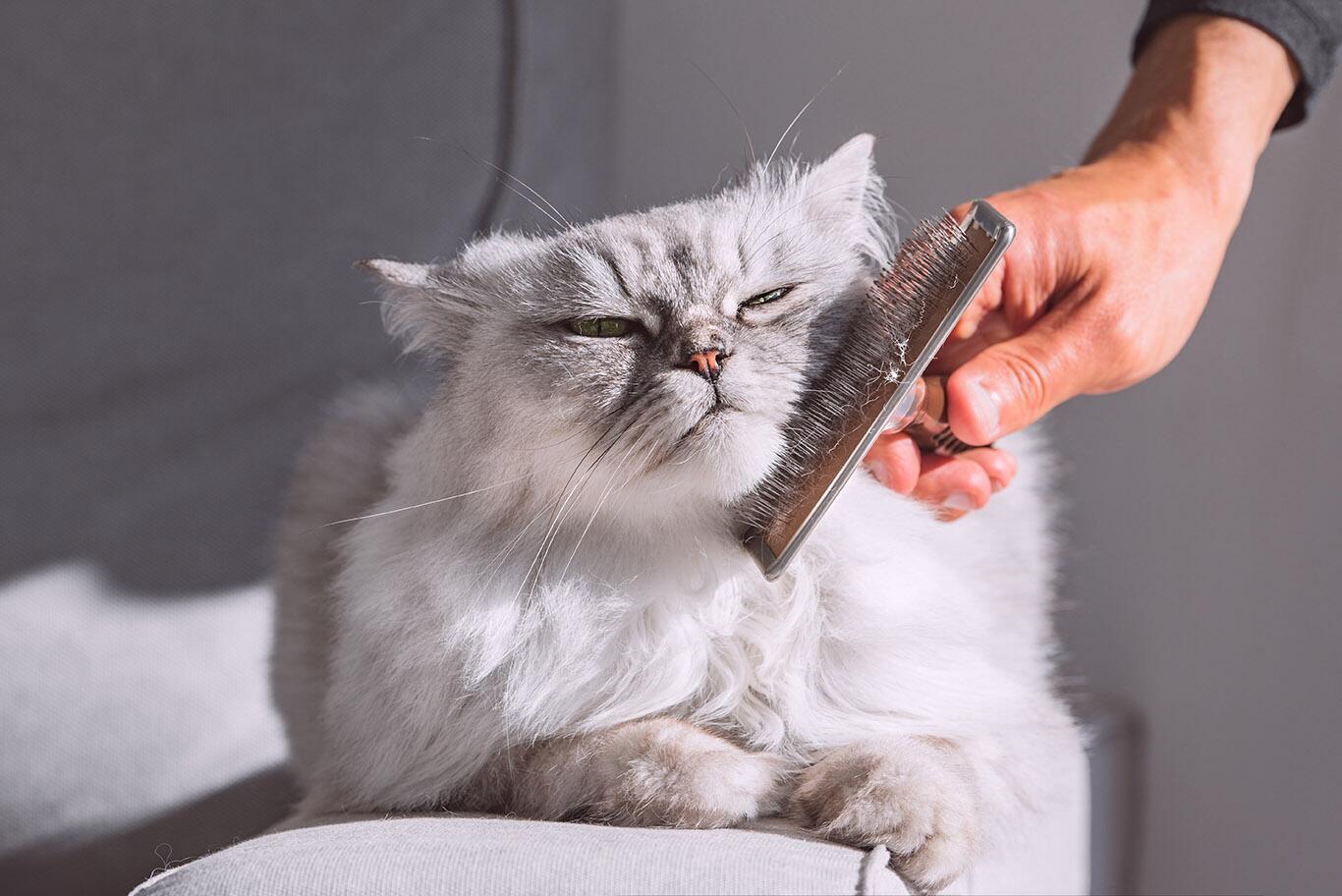
Prepare all necessary grooming items before you start to avoid interruptions. Essential tools usually include a brush or comb suited to your cat’s fur type, nail clippers, and grooming wipes. Having treats nearby can help reward your cat’s cooperation.
Organize these tools within easy reach on a small table or tray. This setup keeps you focused on your cat rather than searching for items. What grooming tools does your cat respond best to? Experiment to find the perfect match for a smoother experience.
Credit: www.latimes.com
Techniques To Keep Your Cat Calm
Keeping a cat calm during grooming helps make the process smooth. Calm cats stay still and feel safe. Using simple techniques eases their anxiety. Gentle handling and positive cues work well. Patience and care build trust over time.
Using Gentle Touches
Soft, slow strokes help your cat relax. Avoid sudden movements that might startle them. Use your fingers to pet gently around the head and neck. Light pressure feels safe and soothing. This approach reduces stress and keeps your cat still.
Speaking Softly And Reassuringly
Talk to your cat in a calm voice. Use short, kind words or gentle sounds. A steady tone can comfort and distract your pet. Avoid loud noises or sharp tones. Your voice signals safety and helps them stay calm.
Applying Treats And Rewards
Use small treats to reward calm behavior. Offer a bite after brushing a small area. This creates a positive connection with grooming. Treats encourage your cat to stay still willingly. Consistent rewards build good grooming habits.
Safe Restraint Methods
Keeping your cat calm and still during grooming is essential to make the process safe and stress-free for both of you. Safe restraint methods help prevent sudden movements that might lead to scratches or injuries. These techniques focus on comfort and control, allowing you to groom effectively without causing your cat anxiety.
Using Towels For Gentle Wrapping
Wrapping your cat in a towel creates a cozy, secure space that limits their movement without causing discomfort. Fold a soft towel and gently wrap it around your cat’s body, leaving the head exposed. This method works well for cats who get nervous or fidgety during grooming.
Try to keep the towel snug but not too tight. You want your cat to feel safe, not trapped. If your cat struggles, pause and speak softly to calm them before continuing.
Harnesses And Grooming Gloves
A harness designed for cats offers a controlled way to keep them steady, especially if they’re used to wearing one. Attach a leash to the harness and hold it gently to prevent sudden lunges. This approach gives you better control while allowing your cat some freedom of movement.
Grooming gloves are another tool that can help you stay in control. The rubber tips on these gloves allow you to brush your cat while keeping a gentle grip. This reduces slipping and makes your cat feel more comfortable during grooming.
Enlisting A Helper
Having a second person assist can make a big difference in managing your cat’s movements. One person can hold or soothe the cat while the other focuses on grooming. This teamwork reduces stress and ensures the grooming process is smoother and quicker.
Make sure your helper knows how to hold the cat gently but firmly, avoiding pressure points. Sometimes a calm voice and slow movements from both of you can make your cat more cooperative than you’d expect.
Handling Common Cat Behaviors
Grooming a cat can be challenging due to their varied behaviors. Understanding and handling these behaviors is key to a smooth grooming experience. Cats may scratch, bite, or become restless. Recognizing their stress signals is also crucial. With patience and the right approach, you can manage these challenges effectively.
Dealing With Scratching And Biting
Scratching and biting are common cat responses. To reduce these actions, trim your cat’s nails regularly. Use cat-safe nail clippers for this task. Another helpful tip is to offer a toy during grooming sessions. This can redirect their energy away from you. Speak softly to reassure them. A calm voice can soothe a stressed cat.
Managing Restlessness
Restlessness is often seen in cats during grooming. Create a calm environment to ease this behavior. A quiet room with no distractions works best. Short grooming sessions can help maintain their focus. Gradually increase the time as they become more comfortable. Praise your cat with gentle words and treats. Positive reinforcement encourages cooperation.
Recognizing Signs Of Stress
Recognizing stress in cats is essential for a successful grooming session. Look for signs like flattened ears or twitching tails. These indicate discomfort or anxiety. If your cat shows stress signals, pause the grooming. Allow them time to relax before continuing. This approach helps build trust between you and your cat.
Special Grooming Considerations
Grooming cats can be a challenge, especially when they have unique needs. Special grooming considerations help you keep your cat comfortable and calm during the process. Understanding these nuances makes grooming less stressful for both of you.
Grooming Long-haired Cats
Long-haired cats require extra attention because their fur mats easily. Use a wide-toothed comb before a finer brush to gently detangle knots without hurting your cat. Try breaking grooming into shorter sessions to prevent your cat from getting restless.
Have you noticed your long-haired cat avoiding grooming? Sometimes, mats can cause discomfort, making them resistant. Regular brushing not only keeps their coat shiny but also reduces painful tangles.
Handling Senior Or Ill Cats
Older or sick cats often have sensitive spots and limited mobility. Support their body gently and keep grooming tools soft and non-intimidating. Watch their reactions closely; if they show signs of pain, stop and try again later.
Do you think your senior cat can handle long grooming sessions? They usually can’t. Short, calm sessions help maintain their coat without stressing their fragile health.
Maintaining Regular Grooming Habits
Consistency is key to keeping your cat still during grooming. Set a specific time each day or week for brushing to build routine. Cats feel more secure when they know what to expect, making them more cooperative.
Try rewarding your cat with treats or gentle petting after grooming. This positive reinforcement makes them more willing to stay still next time. What small change can you make to your grooming schedule today?
Credit: hellopetsinc.com

Credit: www.latimes.com
Frequently Asked Questions
How To Calm A Cat Before Grooming?
Calm your cat by speaking softly and petting gently. Use treats to create positive associations. A relaxed cat stays still longer during grooming.
What Tools Help Keep A Cat Still While Grooming?
Use a grooming mat or towel to gently wrap your cat. This provides control and prevents sudden movements, making grooming safer and easier.
How Long Should Grooming Sessions Last For Cats?
Keep sessions short, around 5 to 10 minutes. Gradually increase time as your cat gets comfortable. Short sessions reduce stress and resistance.
Can Grooming Frequency Affect A Cat’s Behavior?
Yes, regular grooming helps cats feel more comfortable and less anxious. Consistency builds trust and makes future sessions easier and calmer.
Conclusion
Keeping your cat calm during grooming takes patience and care. Speak softly and move slowly to avoid startling them. Use gentle touches and short sessions to build trust. A calm cat stays still, making grooming easier for both. Remember, each cat is different; find what works best.
With practice, grooming can become a peaceful routine. Your cat will appreciate the kindness and attention. Stay calm, stay gentle, and enjoy the bonding time.



Leave a Reply