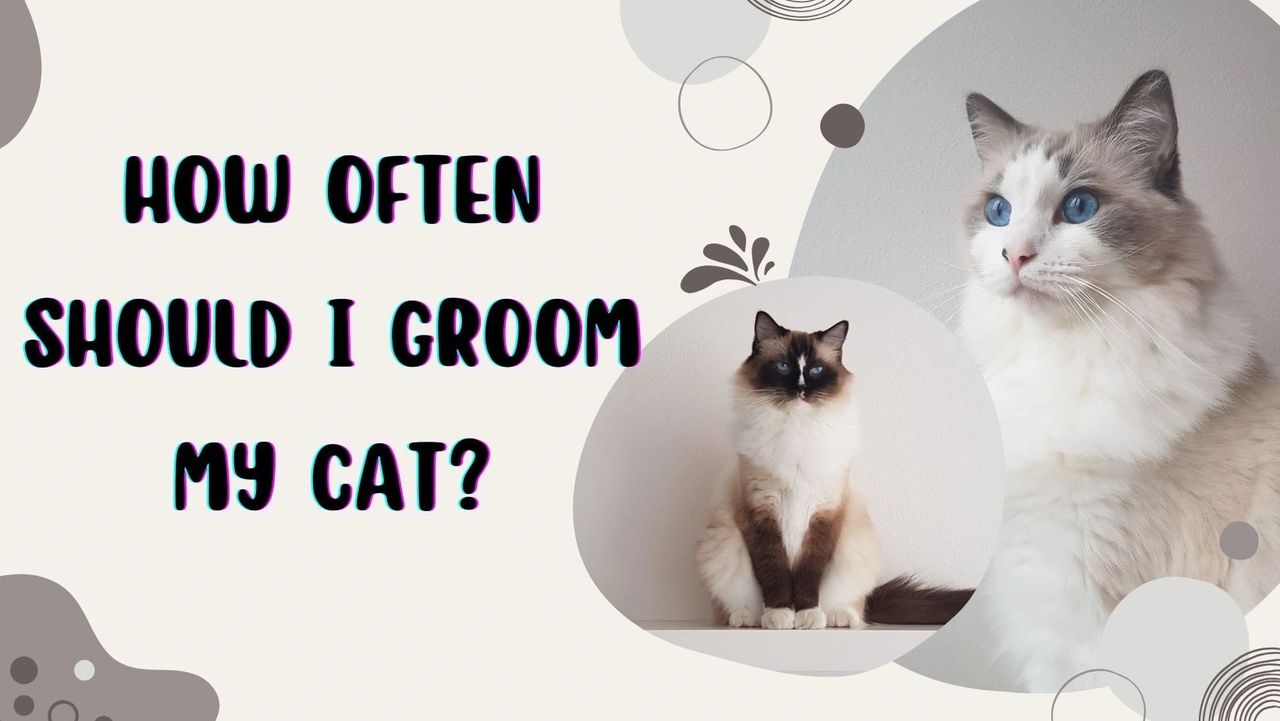
Are you wondering how often you should groom your cats to keep them healthy and happy? Grooming isn’t just about making your furry friend look good—it plays a big role in their comfort and well-being.
But how do you know the right balance? Too little grooming can lead to mats and discomfort, while too much might stress your cat out. You’ll discover simple, effective tips tailored to your cat’s needs. Keep reading to find out how often grooming should be part of your routine, so your cat stays sleek, clean, and content.

Credit: www.purina.com
Benefits Of Regular Grooming
Regular grooming is more than just keeping your cat looking good. It plays a key role in maintaining their overall health and happiness. By setting aside time to groom your cat, you can catch problems early and keep their coat and skin in top condition.
Improves Coat Health
Brushing removes dirt, debris, and dead hair that can build up and cause irritation. This helps prevent matting and tangles, which can be painful for your cat. I noticed my cat’s fur became softer and shinier once I started grooming him regularly.
Cleaning the coat also spreads natural oils throughout the fur. These oils keep your cat’s skin moisturized and protect against dryness and flakiness. You can help your cat’s coat stay healthy and vibrant with just a few minutes of grooming each day.
Reduces Shedding
Shedding can quickly take over your home if you don’t manage it. Regular grooming catches loose fur before it ends up on your furniture or clothes. It’s amazing how much less hair I found around the house after adding daily brushing sessions.
Less shedding also means fewer allergens in your environment. This can be a big relief if you or someone in your family is sensitive to pet dander. Have you ever thought about how much time you spend cleaning cat hair?
Prevents Hairballs
When cats groom themselves, they swallow loose fur that can form hairballs. These can cause discomfort, vomiting, or even blockages. By brushing your cat, you reduce the amount of fur they ingest.
Regular grooming means fewer hairballs to worry about and a happier, healthier cat. It’s a simple step that can prevent a lot of unnecessary discomfort for your feline friend.
Enhances Bonding
Grooming offers a quiet moment to connect with your cat. Most cats enjoy the attention and gentle touch, which can build trust between you. I found that these sessions became a special time where my cat would relax and purr contentedly.
Do you spend enough quality time with your cat each day? Grooming can be a way to strengthen your relationship while caring for their needs. It’s a win-win that benefits both of you.
Factors Influencing Grooming Frequency
Grooming frequency for cats depends on several key factors. These factors affect how often your cat needs brushing, bathing, or nail trimming. Understanding them helps keep your cat healthy and comfortable. Each cat is unique, and their grooming needs vary.
Breed And Fur Type
Different breeds have different coat types. Long-haired cats like Persians need daily brushing. Short-haired cats usually require grooming once a week. Cats with dense or curly fur may need special care. Fur type also affects shedding and matting risks.
Age And Health
Kittens need gentle grooming to get used to it. Older cats may groom less due to arthritis or illness. Cats with health problems may require more frequent grooming. Regular checks help spot skin issues or parasites early.
Indoor Vs Outdoor Cats
Outdoor cats face dirt, debris, and pests more often. They might need grooming several times a week. Indoor cats usually stay cleaner and need less grooming. Still, indoor cats benefit from regular brushing to reduce shedding.
Seasonal Changes
Cats shed more during spring and fall. Increased grooming helps manage loose fur and prevents mats. Winter may require less grooming but check for dry skin. Adjust grooming routines to your cat’s seasonal needs.
Grooming Schedules For Different Cats
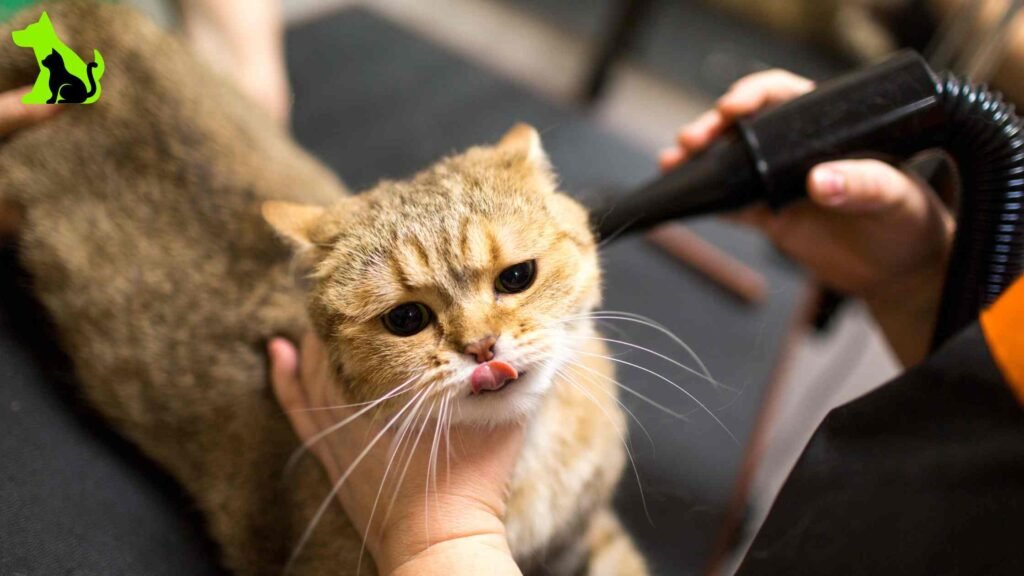
Different cats need different grooming routines. Their coat type, age, and health affect how often they need care. Setting a proper schedule keeps your cat healthy and happy. Regular grooming helps reduce hairballs and skin problems. It also strengthens the bond between you and your pet.
Short-haired Cats
Short-haired cats need grooming less often than long-haired cats. Brushing once a week usually works well. This removes loose fur and spreads natural oils. It keeps their coat shiny and healthy. Bathing is rarely needed unless your cat gets dirty.
Long-haired Cats
Long-haired cats need daily grooming to avoid mats and tangles. Use a wide-tooth comb and a soft brush. Regular grooming stops hair from matting and reduces shedding. Check for debris and dirt trapped in the fur. Bathing may be needed every few months to keep the coat clean.
Senior Cats
Older cats may groom less due to arthritis or dental issues. They benefit from more frequent brushing, about two to three times a week. Gentle grooming helps keep their skin healthy and fur clean. Watch for any lumps or skin changes during grooming sessions.
Kittens
Kittens need gentle grooming to get used to the process. Start with short sessions a few times a week. Use a soft brush to avoid hurting their delicate skin. Early grooming helps build trust and reduces fear of brushes. It also teaches good hygiene habits early on.
Credit: hellopetsinc.com
Essential Grooming Tools
Regular grooming keeps your cat’s coat healthy and reduces shedding. Use a brush or comb suited for your cat’s fur type to groom weekly or more often for long-haired cats.
Grooming your cat is not just about maintaining their appearance; it’s a vital part of keeping them healthy and happy. To make grooming sessions effective and enjoyable for both you and your feline friend, having the right tools is essential. Whether you’re tackling tangles or keeping claws in check, the right equipment can make all the difference.Brushes And Combs
Choosing the right brush or comb can transform grooming time. Cats with short hair may benefit from a bristle brush, while long-haired breeds might need a slicker brush or wide-toothed comb. Investing in a quality tool ensures you remove loose hair and prevent matting without causing discomfort.Nail Clippers
Trimming your cat’s nails is crucial to prevent overgrowth and potential injury. Opt for nail clippers designed specifically for cats, as they’re easier to handle and provide a clean cut. Regular trimming also helps to avoid scratches on your furniture and skin.Grooming Wipes
Grooming wipes are a quick solution for in-between baths. They help remove dirt and dander, leaving your cat’s coat fresh and shiny. These wipes are especially handy for cats that dislike water, offering a stress-free way to maintain hygiene.Detanglers And De-shedding Tools
If your cat’s fur tends to tangle or shed excessively, detanglers and de-shedding tools can be lifesavers. Products like detangling sprays or de-shedding combs help manage these issues efficiently. They reduce shedding and make brushing smoother, resulting in a healthier coat. Having these essential tools on hand can significantly simplify your grooming routine. Are there any grooming tools you find indispensable for your furry companion?Step-by-step Grooming Tips
Grooming your cat regularly helps keep their coat healthy and reduces shedding around your home. It also gives you a chance to check for any skin issues or unusual lumps. Let’s look at some practical tips that make grooming easier and more enjoyable for both you and your feline friend.
Brushing Techniques
Choose a brush suited to your cat’s fur type—slicker brushes work well for long-haired cats, while rubber brushes are great for short hair. Brush gently in the direction of hair growth to avoid hurting your cat.
Spend a few minutes each day brushing to prevent mats and reduce loose fur. Notice how your cat reacts; if they seem uncomfortable, try shorter sessions or different brush types until you find what works best.
Bathing Guidelines
Bathing cats isn’t always necessary, but some may need it if they get particularly dirty or have skin conditions. Use warm water and a shampoo made specifically for cats to avoid irritation.
Keep the bath calm—talk softly and use gentle motions. Rinse thoroughly to remove all shampoo, then dry your cat with a towel in a warm room to prevent chills.
Nail Trimming Safety
Trim your cat’s nails every two to three weeks to keep them from getting too sharp or breaking. Use a nail clipper designed for cats and avoid cutting the pink part called the quick—it’s sensitive and bleeds easily.
If you’re unsure where the quick ends, trim small amounts at a time. Having styptic powder nearby can stop bleeding if you accidentally cut too far.
Handling Mats And Tangles
Mats can cause discomfort and skin problems if left untreated. Use a dematting comb or your fingers to gently work through tangles, starting at the edges and moving inward.
If the mat is too tight, don’t pull hard—it’s better to seek help from a professional groomer or vet. Regular brushing helps prevent mats from forming in the first place.
)
Credit: www.northroadvet.com.au
Signs Your Cat Needs Extra Grooming
Knowing when your cat needs extra grooming can save you from bigger health issues and keep your furry friend comfortable. Cats are usually good at grooming themselves, but sometimes they need a little help. Watch for signs that suggest it’s time to step in and give your cat some extra care.
Excessive Shedding
If you notice clumps of fur around your home or your cat’s coat looks patchy, it might be shedding more than usual. This can happen due to stress, diet changes, or seasonal shifts. Regular brushing can reduce shedding and prevent hairballs, making your cat feel lighter and happier.
Skin Irritations
Red, flaky, or inflamed skin is a clear sign your cat needs attention. You might spot bald spots or scabs where your cat has been scratching. Extra grooming helps remove dirt and allergens that irritate the skin, and can also reveal any hidden wounds or parasites.
Unusual Odors
Have you noticed a strange smell coming from your cat? This often means dirt, oils, or infections are building up on their fur or skin. Giving your cat a gentle bath or a thorough brushing can freshen them up and improve their overall hygiene.
Behavioral Changes
When your cat starts hiding, becomes irritable, or stops grooming itself, it might be a sign they’re uncomfortable. These changes can indicate pain or stress related to their coat or skin. Extra grooming sessions can comfort your cat and help you catch any health issues early.
When To Seek Professional Help
Knowing when to seek professional help for cat grooming is important. Some grooming tasks need expert skills and tools. Professionals can handle tough situations safely and effectively. They also spot health issues early. Recognizing signs that require a groomer or vet can protect your cat’s well-being.
Grooming Challenges
Some cats resist grooming at home. They may scratch, bite, or hide during brushing. Mats and tangles can grow too thick to handle alone. Long-haired breeds need special care to prevent painful knots. Professionals use proper tools and techniques for stubborn fur problems. They also reduce stress for both cat and owner.
Health Concerns
Changes in your cat’s coat or skin may signal health problems. Bald spots, sores, or excessive shedding deserve attention. Cats with fleas or skin infections need treatment beyond normal grooming. A professional groomer can alert your vet to these issues. Early care avoids worsening conditions and discomfort.
Specialized Care
Senior cats and those with disabilities often require special grooming. They may have trouble standing or cleaning themselves. Groomers trained in animal care provide gentle handling and patience. Cats with thick coats or unique breeds benefit from tailored grooming plans. Professionals keep your pet comfortable and looking great.
Frequently Asked Questions
How Often Should I Groom My Short-haired Cat?
Short-haired cats benefit from weekly grooming. This removes loose fur and reduces shedding. It also prevents hairballs and keeps their coat healthy.
Does Long-haired Cat Grooming Require Daily Attention?
Yes, long-haired cats need daily grooming. Their fur tangles easily and mats can form quickly. Daily brushing prevents knots and keeps the coat clean.
Can Grooming Reduce Cat Hair Allergies?
Regular grooming can reduce allergens by removing loose fur and dander. It minimizes hair shedding around your home. Use a gentle brush designed for cats.
What Grooming Tools Work Best For Cats?
Use a soft-bristle brush for short hair and a wide-tooth comb for long hair. Nail clippers and ear cleaners are also essential for complete grooming.
Conclusion
Regular grooming keeps your cat healthy and happy. Short-haired cats need brushing once a week. Long-haired cats require daily grooming to avoid mats. Pay attention to your cat’s comfort and coat condition. Adjust grooming frequency based on your cat’s age and activity.
Grooming also helps you notice any skin problems early. Clean and gentle care builds trust between you and your cat. Keep grooming simple and consistent for the best results. Small efforts make a big difference in your cat’s well-being.



Leave a Reply