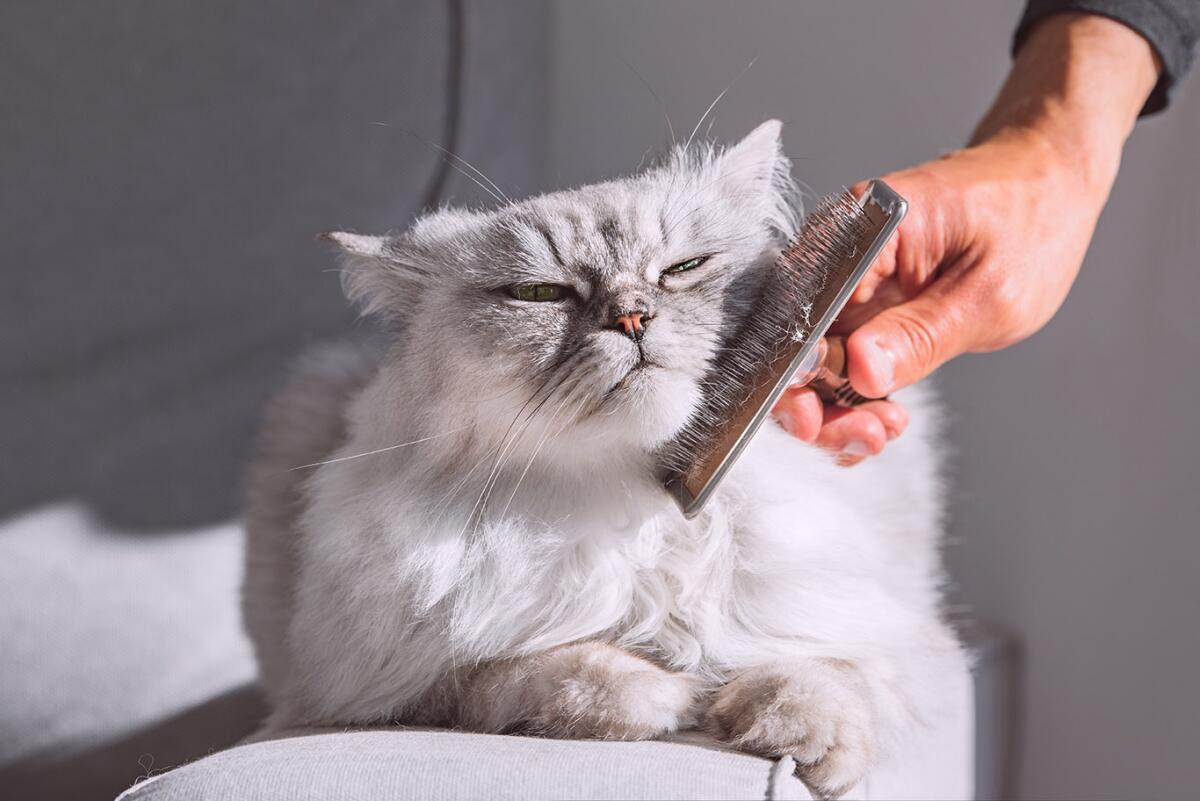
Have you ever wondered what grooming a cat really means and why it’s so important for your furry friend? Grooming isn’t just about making your cat look good—it’s a vital part of keeping them healthy and happy.
If you want to learn how to care for your cat’s coat, skin, and overall well-being, understanding grooming is the first step. Keep reading, and you’ll discover simple, effective ways to make grooming a positive experience for both you and your cat.
Benefits Of Cat Grooming
Grooming your cat is more than just keeping them looking neat. It plays a key role in their overall well-being. Regular grooming sessions can bring several benefits that improve your cat’s quality of life and help you stay connected with your furry friend.
Improving Coat Health
Brushing your cat removes loose fur and dirt that can cause mats and tangles. This helps their coat stay shiny and smooth. You might notice your cat’s fur feels softer and looks healthier after just a few grooming sessions.
Have you ever seen your cat scratching a lot? Grooming reduces irritation by distributing natural oils across their skin, which keeps it moisturized. This simple routine can prevent dry, flaky skin and make your cat more comfortable.
Preventing Hairballs
Hairballs happen when your cat swallows loose fur during self-grooming. Regular brushing cuts down on the amount of loose fur they ingest. This lowers the chances of hairballs forming in their stomach, which can be uncomfortable or even dangerous.
You can often spot the difference when you groom your cat frequently. They tend to have fewer coughs or gagging episodes related to hairballs. Think about how much stress you can save your cat by just spending a few minutes brushing them each day.
Detecting Health Issues Early
Grooming lets you closely check your cat’s skin, ears, eyes, and teeth. You can catch signs of health problems early, like lumps, bumps, or wounds. Spotting these issues sooner can make a big difference in treatment success.
Imagine finding a small sore or unusual bump during a regular grooming session. This could alert you to visit the vet before the issue worsens. Regular grooming puts you in a better position to protect your cat’s health every day.
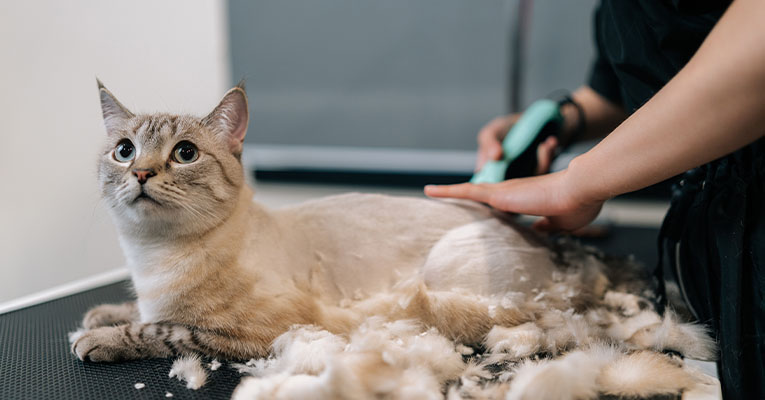
Credit: www.zoomzoomgroom.com
Tools For Grooming
Grooming a cat requires the right tools to keep their coat healthy and clean. Each tool serves a specific purpose and helps maintain your cat’s comfort and hygiene. Choosing the proper grooming tools makes the process easier and more effective.
Choosing The Right Brush
Select a brush based on your cat’s fur type. Short-haired cats do well with a soft-bristle brush. Long-haired cats need a slicker brush to remove tangles and mats. A comb with wide and narrow teeth works well for sensitive areas. Brush gently to avoid hurting your cat’s skin.
Nail Clippers And Trimmers
Trim your cat’s nails to prevent scratches and damage. Use clippers made specifically for cats. Scissor-style clippers are good for precision. Guillotine-style clippers are easy to use for quick trims. Always cut small amounts to avoid cutting the quick, which causes pain and bleeding.
Other Useful Accessories
- Deshedding tools help reduce loose fur and shedding.
- Pet wipes clean dirty paws and face between baths.
- A grooming glove removes loose fur and massages the skin.
- Ear cleaners keep ears free from wax and debris.
- Toothbrushes and toothpaste maintain good oral hygiene.
Grooming Techniques
Grooming your cat is more than a routine; it’s a way to keep them healthy and comfortable. Different grooming techniques target specific needs, from maintaining their coat to ensuring their ears and eyes stay clean. Understanding these techniques helps you provide the best care for your feline friend.
Brushing Methods
Brushing removes loose fur and prevents mats, especially in long-haired cats. Use a slicker brush for thick coats and a soft-bristle brush for short-haired breeds. Brush gently in the direction of hair growth to avoid hurting your cat.
Try to brush your cat daily or at least several times a week. Notice how your cat reacts—some prefer short sessions, while others tolerate longer brushing. A calm environment makes the process easier and more enjoyable for both of you.
Bathing Tips
Bathing cats isn’t always necessary, but some situations call for it, like dirt buildup or skin issues. Use a mild, cat-specific shampoo to avoid irritation. Fill the sink or tub with just a few inches of lukewarm water before bringing your cat in.
Keep your cat calm by speaking softly and moving slowly. Rinse thoroughly to remove all shampoo, as residue can cause itching. Dry your cat quickly with a towel, and avoid using a hairdryer unless your cat is comfortable with the noise.
Cleaning Ears And Eyes
Checking your cat’s ears and eyes regularly helps spot infections early. Use a soft, damp cloth or cotton ball for cleaning. Never insert anything into the ear canal—just wipe the outer ear gently.
For the eyes, wipe away discharge with a clean, damp cloth from the inner corner outward. If you see redness, swelling, or persistent discharge, consult your vet. Your careful attention prevents discomfort and keeps your cat feeling their best.

Credit: www.latimes.com
Frequency And Timing
Regular grooming keeps a cat’s coat healthy and clean. Choose a quiet time when your cat feels calm for best results. Brushing several times a week helps reduce shedding and prevents mats.
Grooming a cat isn’t just about keeping your feline friend looking their best; it’s about maintaining their overall health and happiness. The frequency and timing of grooming sessions can make a significant difference in your cat’s well-being. But how often should you really be grooming your cat, and does the season affect this routine?Daily Vs. Weekly Grooming
Cats are naturally clean animals, but they still benefit from regular grooming. Long-haired breeds might require daily grooming to prevent matting and tangles. Short-haired cats, on the other hand, can usually get by with weekly sessions. Daily grooming can be a bonding experience. Just a few minutes with a brush can help you catch any skin issues early, like fleas or ticks. This routine also helps reduce shedding and hairballs, keeping your home cleaner and your cat more comfortable.Seasonal Grooming Changes
As the seasons change, so should your cat’s grooming routine. During spring and fall, cats often shed more as they transition between their winter and summer coats. This means you might need to increase grooming frequency to manage the extra fur. In winter, indoor heating can dry out a cat’s skin, so regular grooming can help distribute natural oils. In summer, brushing can help keep your cat cool by removing excess fur. Ask yourself, how does your cat respond to grooming changes with the seasons? Observing their behavior can guide you to adjust your routine for maximum comfort and health.Handling Difficult Cats
Handling a difficult cat during grooming can feel like a challenge. Some cats resist brushing or nail trimming, making the process stressful for both you and your pet. Understanding how to calm your cat and use safe restraint can make grooming smoother and safer.
Calming Strategies
Start by creating a quiet and comfortable space for grooming. Speak softly and move slowly to avoid startling your cat.
Try using gentle petting or brushing in short bursts, rewarding your cat with treats afterward. This builds positive associations with grooming.
If your cat gets anxious, pause and let them relax before continuing. Have you noticed that some cats respond well to a warm towel wrapped around them? Experiment with different calming techniques to find what works best for your cat.
Safe Restraint Methods
Sometimes, you need to hold your cat firmly but gently to prevent scratches or sudden movements. Use a soft towel to wrap your cat securely, leaving their head exposed.
- Keep one hand behind their head to support and control movement.
- Hold their body close to yours to make them feel secure.
- Never use excessive force that might harm or scare your cat.
Have you tried enlisting a helper to hold your cat while you groom? This can make the process safer and less stressful for everyone involved.
Grooming For Different Cat Types
Grooming your cat isn’t a one-size-fits-all task. Different types of cats need different care to keep their coats healthy and their skin comfortable. Understanding your cat’s specific grooming needs can save you time and prevent common issues like matting or skin irritation.
Long-haired Cats
Long-haired cats require daily brushing to prevent tangles and mats. Their thick fur can trap dirt and loose hair easily, so regular grooming keeps their coat clean and smooth.
If you skip grooming, mats can form quickly, causing discomfort and even skin infections. Try using a wide-tooth comb followed by a soft brush to gently detangle and smooth their fur.
Have you noticed your long-haired cat avoiding certain spots? It might be hiding painful mats that need your attention.
Short-haired Cats
Short-haired cats generally need less grooming but still benefit from weekly brushing. This helps remove loose fur and reduces shedding around your home.
Using a rubber grooming glove works well on short coats and can make the experience more enjoyable for your cat. It’s also a great way to bond while keeping their skin healthy.
Don’t underestimate the power of regular grooming in spotting skin problems early, even in short-haired cats.
Senior Cats
Older cats often need more gentle grooming because their skin can become thinner and more delicate. They may also groom themselves less effectively due to arthritis or other health issues.
Use a soft brush and take your time, watching for any signs of discomfort. Grooming can help stimulate circulation and keep your senior cat’s coat in good condition.
Have you checked if your senior cat’s grooming routine has changed? It could be a sign they need extra help or a vet check-up.
Signs Your Cat Needs Grooming Help
Knowing when your cat needs grooming help can make a big difference in their comfort and health. Cats are usually good at grooming themselves, but there are clear signs that they might be struggling or need your assistance. Recognizing these signs early can prevent bigger problems down the road.
Excessive Shedding
Shedding is normal, but if you notice large clumps of fur around your home or on your cat, it could mean they need grooming support. Excessive shedding might be a sign that your cat’s coat isn’t being properly maintained. Helping with regular brushing can reduce fur buildup and keep your cat more comfortable.
Have you ever felt overwhelmed by the amount of fur on your clothes or furniture? That’s a hint your cat might benefit from extra grooming sessions.
Mattes And Tangles
Mattes are tight clumps of fur that can pull at your cat’s skin and cause pain. Cats with long or thick fur are especially prone to tangles that they can’t manage alone. If you spot these knots, it’s time to step in with gentle brushing or trimming to prevent skin issues.
Ignoring mattes can lead to skin infections or restrict your cat’s movement. Would you wait to untangle your hair if it became painful? Your cat feels the same way.
Skin Irritations
Redness, flakiness, or bald patches on your cat’s skin often indicate discomfort or underlying problems. These irritations can happen if grooming is neglected and dirt or oils build up. Regular grooming helps keep the skin clean and healthy, reducing the chance of infections.
Pay attention if your cat is scratching or licking one area more than usual. Could this be a sign they need your grooming help to ease their discomfort?

Credit: www.latimes.com
Frequently Asked Questions
What Is Grooming A Cat And Why Is It Important?
Grooming a cat involves brushing and cleaning its fur regularly. It helps remove dirt, loose hair, and prevents matting. Grooming also reduces shedding, controls hairballs, and promotes healthy skin. It strengthens the bond between you and your cat while keeping them comfortable and clean.
How Often Should You Groom A Cat?
Cats should be groomed at least once a week. Long-haired breeds may require daily grooming. Regular grooming prevents tangles, reduces shedding, and keeps the coat healthy. Adjust frequency based on your cat’s coat type, activity level, and any skin conditions.
What Tools Are Needed For Cat Grooming?
Essential tools include a cat brush, comb, nail clippers, and grooming wipes. Choose a brush suitable for your cat’s coat length. Nail clippers help maintain healthy claws. Grooming wipes clean sensitive areas and freshen your cat’s fur between grooming sessions.
Can Grooming Help With Cat Health Issues?
Yes, grooming helps detect skin problems, parasites, or injuries early. Regular checks during grooming can catch abnormalities like lumps or infections. It promotes better circulation and reduces the risk of hairballs. Grooming also helps manage allergies by reducing loose hair and dander.
Conclusion
Grooming a cat keeps its fur clean and healthy. It helps stop mats and tangles. Regular brushing also reduces shedding around your home. Cats enjoy gentle grooming and feel calm afterward. Watching your cat’s skin and coat shows any health problems early.
Grooming builds a strong bond between you and your pet. Try to make grooming a fun, quiet time together. A little care goes a long way for your cat’s happiness.



Leave a Reply