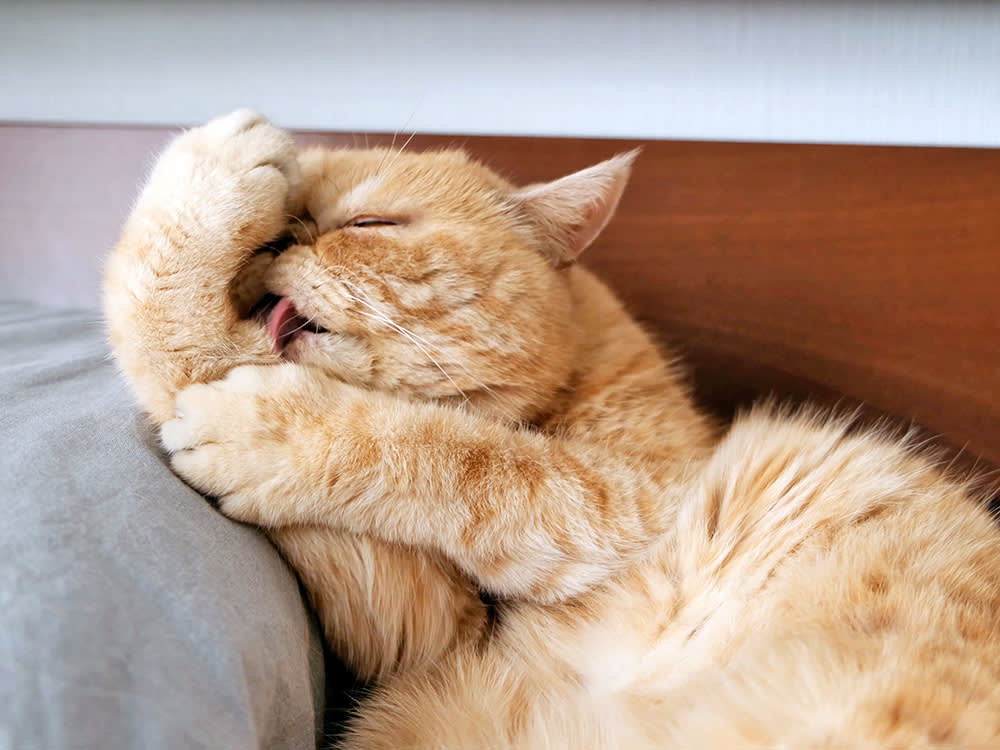
Have you ever watched your cat spend hours licking its fur and wondered, “Why are cats always grooming themselves?” It might seem like a simple habit, but your feline friend’s grooming routine is actually packed with meaning. Understanding why your cat grooms so much can help you connect better with them and even spot if something’s wrong.
Keep reading, and you’ll discover surprising reasons behind this furry ritual that will change the way you see your cat forever.
Cats’ Grooming Habits
Cats are known for their meticulous grooming habits, which might leave you wondering why they spend so much time cleaning themselves. This behavior goes beyond just looking neat; it plays a crucial role in their health and well-being. Understanding these habits can help you better care for your feline friend and recognize what’s normal or when to seek help.
Frequency And Duration
Your cat probably spends about 30 to 50 percent of its waking hours grooming. That might sound like a lot, but this time is spread throughout the day in short bursts. Some cats groom themselves more frequently when they feel stressed or after eating.
Have you ever noticed your cat pausing mid-groom to look around? This cautious behavior helps them stay alert to their surroundings while keeping clean. It’s a natural balance between self-care and survival.
Common Grooming Techniques
Cats use a combination of techniques to keep their fur in top shape. The most familiar one is licking their fur with their rough tongues, which remove dirt and loose hair. They also use their front paws to wipe their face and head, adding moisture with saliva for better cleaning.
- Scratching with claws helps remove debris and stimulate skin circulation.
- Nibbling or biting at mats or tangles to untangle fur.
- Rubbing against objects to spread natural oils evenly across their coat.
These grooming habits do more than keep cats clean. They regulate body temperature and reduce the scent that predators or prey might detect. Next time you see your cat grooming, ask yourself: could this be their way of staying safe as well as looking good?
)
Credit: www.northroadvet.com.au
Health Benefits Of Grooming
Cats spend a significant part of their day grooming themselves, and this habit does more than keep them looking good. Grooming is essential for their health, serving multiple important purposes that support their well-being. Understanding these benefits can help you appreciate why your cat seems so dedicated to this activity.
Skin And Coat Care
Grooming helps cats keep their skin and coat in top shape. When your cat licks its fur, it removes dirt, dead skin, and loose hair. This not only keeps their coat shiny but also prevents matting and skin infections.
Have you noticed your cat’s coat becoming dull or patchy when they’re stressed or sick? That’s because grooming slows down. Regular self-cleaning supports healthy skin by distributing natural oils evenly across their fur.
Temperature Regulation
Ever wonder how cats stay comfortable in different weather? Grooming plays a role in regulating their body temperature. When cats lick their fur, saliva evaporates and cools them down, much like sweat does for humans.
In colder weather, grooming fluffs up their fur to trap heat close to the skin. This natural temperature control helps your cat maintain comfort without needing extra layers.
Parasite Control
Parasites like fleas and ticks can cause serious discomfort and health problems for cats. Grooming acts as a first line of defense by physically removing these pests and their eggs from the fur.
By regularly licking and cleaning, cats reduce the chance of parasites settling and multiplying. If you’ve ever seen your cat suddenly scratch or lick a specific spot, it might be their way of trying to get rid of an unwelcome parasite.
Behavioral Reasons
Cats groom themselves for many behavioral reasons. Grooming is more than just cleaning. It plays a key role in their mental and social life. Understanding these reasons helps explain why cats spend so much time licking their fur.
Stress Relief
Grooming helps cats calm down. It reduces anxiety and tension in their bodies. When cats feel stressed, they lick their fur to relax. This action releases endorphins that soothe their nerves. Grooming becomes a way to handle fear or discomfort.
Social Bonding
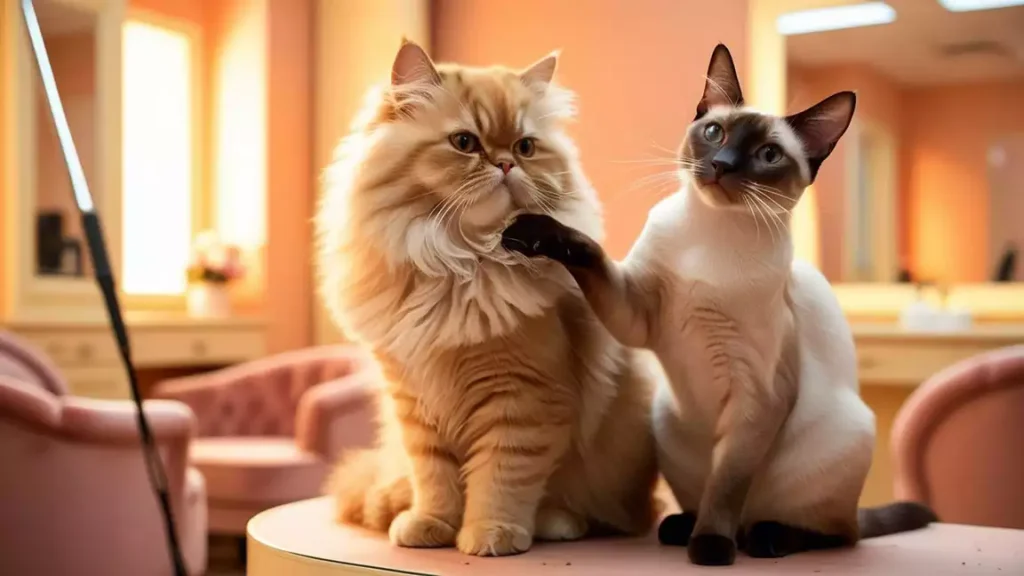
Cats groom each other to build strong bonds. This behavior is called allogrooming. It shows trust and friendship between cats. Grooming helps cats feel connected and safe. It also reduces tension in groups and creates harmony.
Territory Marking
Grooming spreads a cat’s unique scent on its fur. This scent marks their territory and warns others. It helps cats feel secure in their space. By grooming, cats signal ownership to other animals. This behavior helps avoid conflicts over territory.

Credit: medium.com
Grooming And Communication
Cats are famous for their frequent grooming habits. These actions go beyond keeping their fur clean. Grooming plays a key role in their communication. Through grooming, cats share messages with themselves and others. It’s an essential part of their daily routine.
Scent Distribution
Cats have scent glands located in various parts of their bodies. While grooming, they spread their scent over their fur. This scent marks their territory. It acts as a personal signature. Other animals recognize this signature. It tells them a cat claims the area. This scent distribution helps cats feel secure in their environment.
Signaling Mood
Grooming also signals a cat’s mood. A relaxed cat grooms itself calmly. Fast, frantic grooming may indicate stress. A cat might groom itself more when anxious. This behavior helps soothe their nerves. Observing a cat’s grooming patterns reveals its emotional state. Understanding this helps pet owners provide better care.
When Grooming Becomes Excessive
Cats groom themselves to stay clean and comfortable. Grooming is normal and healthy. But sometimes, cats groom too much. This can cause skin problems and stress. Recognizing when grooming turns excessive helps protect your cat’s health.
Signs Of Overgrooming
- Hair loss in patches or large areas
- Red, irritated, or raw skin
- Constant licking or biting of the same spot
- Scabs or sores on the body
- Restlessness or anxiety behaviors
Possible Medical Causes
- Fleas, mites, or other parasites
- Allergies to food or environment
- Skin infections caused by bacteria or fungus
- Stress or anxiety from changes or boredom
- Pain from arthritis or injury
When To Seek Help
Visit a vet if your cat shows signs of overgrooming. Early diagnosis can prevent serious problems. The vet will check for parasites, allergies, or infections. They may suggest treatments or changes in diet.
Do not wait if your cat has open wounds. Excessive grooming can worsen wounds and cause infections. Professional help ensures your cat feels better fast.
Credit: catgroomerla.com
Tips To Support Your Cat’s Grooming
Supporting your cat’s grooming habits helps keep them healthy and happy. Grooming is natural for cats, but they sometimes need a little help. You can make grooming easier and more comfortable for your pet. Small changes in your routine and environment benefit your cat’s coat and skin.
Regular Brushing
Brushing your cat removes loose fur and prevents hairballs. It also reduces shedding around the house. Use a brush that suits your cat’s fur type—soft brushes for short hair, combs for long hair. Brush gently to avoid hurting your cat’s skin. Regular sessions build trust and improve your bond.
Creating A Stress-free Environment
Cats groom more when they feel calm and safe. Loud noises and sudden changes can stress them out. Provide a quiet, cozy spot for your cat to relax. A calm environment encourages natural grooming and reduces over-grooming caused by anxiety. Keep their routine steady and avoid frequent disruptions.
Diet And Hydration
A balanced diet supports healthy skin and fur. Nutrients like omega-3 fatty acids keep the coat shiny and soft. Make sure your cat drinks plenty of water daily. Proper hydration prevents dry skin and irritation. Consider wet food options to increase water intake if your cat drinks little water.
Frequently Asked Questions
Why Do Cats Groom Themselves So Often?
Cats groom to keep their fur clean, remove dirt, and control parasites. Grooming also helps regulate body temperature and reduce stress.
How Does Grooming Benefit A Cat’s Health?
Grooming removes loose fur, dirt, and prevents skin infections. It stimulates blood flow and keeps the coat shiny and healthy.
Can Grooming Indicate A Cat’s Mood Or Health?
Yes, excessive grooming may signal stress or illness. Lack of grooming can indicate pain, depression, or other health issues.
Do Cats Groom To Bond With Other Cats?
Yes, cats groom each other to strengthen social bonds and show affection. This behavior is called allogrooming.
Conclusion
Cats groom themselves to stay clean and healthy. This behavior helps remove dirt, loose fur, and parasites. Grooming also cools them down and reduces stress. It’s a natural habit that keeps their coat shiny and soft. Watching a cat groom shows how much they care for their body.
Understanding this helps us appreciate their unique nature. Cats truly know how to take care of themselves.



Leave a Reply