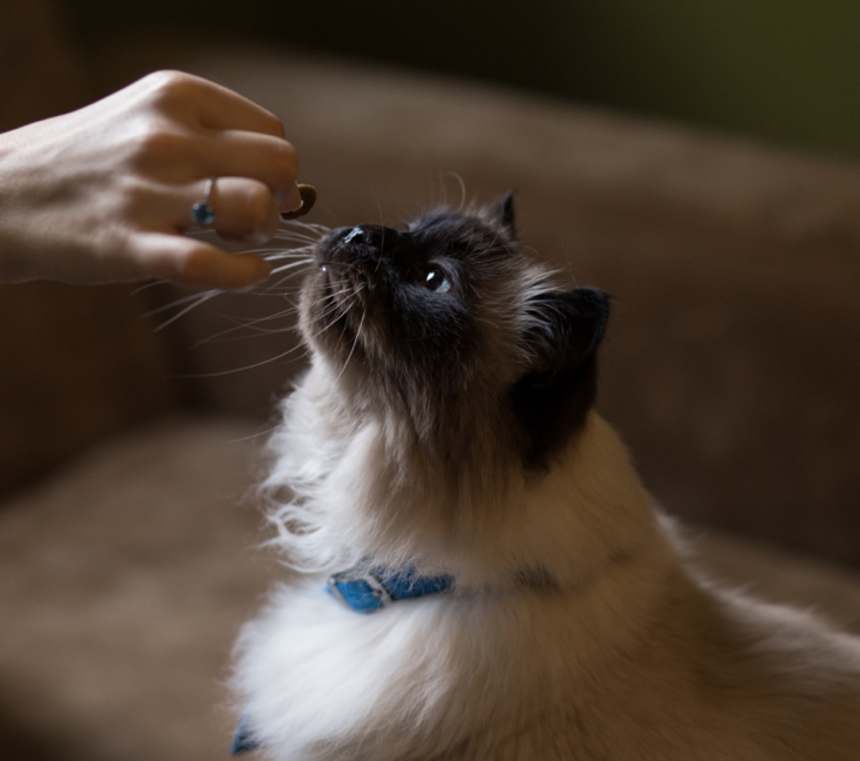
If you own a Himalayan cat, you know how beautiful and unique they are. But keeping their fur soft and tangle-free can be a challenge.
Grooming your Himalayan isn’t just about looks—it helps keep them healthy and happy. In this guide, you’ll discover simple, effective steps to make grooming easy and enjoyable for both you and your cat. Ready to learn how to care for your Himalayan’s stunning coat like a pro?
Let’s dive in.

Credit: zigly.com
Choosing The Right Grooming Tools
Choosing the right grooming tools is key to keeping your Himalayan cat’s coat healthy and beautiful. Using the wrong brush or comb can cause discomfort or even damage to their delicate fur. You want tools that glide smoothly through thick hair, removing tangles without pulling or hurting your cat.
Think about the texture and thickness of your Himalayan’s fur. Their long, dense coat needs gentle yet effective grooming tools to prevent mats and keep shedding under control. Have you ever noticed how some brushes just seem to pull and annoy your cat? Finding the right ones can make grooming a calming bonding time rather than a struggle.
Brush Types For Himalayan Fur
For your Himalayan’s long, silky fur, a slicker brush is a must-have. It has fine, short wires close together that catch loose hairs and untangle knots gently.
You might also want to try a pin brush with rounded tips. It works well on the topcoat without scratching your cat’s sensitive skin.
- Slicker Brush:Best for removing mats and loose fur.
- Pin Brush:Ideal for smoothing and fluffing the coat.
- Bristle Brush:Great for finishing touches and adding shine.
Use a combination of these brushes depending on what your cat’s coat needs that day.
Selecting Combs And Scissors
Metal combs with both wide and narrow teeth are essential for Himalayan grooming. The wide teeth help detangle large mats, while the narrow teeth remove small knots and loose hairs.
Scissors should be sharp and rounded at the tips to safely trim problem areas or excess fur around paws and ears. Avoid dull or pointed scissors to prevent accidents.
Keep a small pair of grooming scissors handy for trimming fur that tends to tangle easily. Have you checked your scissors lately? Dull blades can pull hair instead of cutting cleanly, causing discomfort.
Using Grooming Gloves
Grooming gloves are a gentle alternative if your cat dislikes brushes or combs. They feel more like a petting session, which can reduce stress for your Himalayan.
These gloves have soft rubber tips that remove loose fur while massaging your cat’s skin. They’re especially useful for quick grooming sessions or when you want to bond with your cat.
Try using a grooming glove during playtime or when your cat is relaxed. You might find it easier to keep up with daily grooming without a fuss.
Establishing A Grooming Routine
Establishing a grooming routine for your Himalayan cat is essential to keep their luxurious coat and overall health in top shape. Consistency helps your cat feel comfortable and reduces stress during grooming sessions. Let’s break down how often you should brush, bathe, and trim your cat’s nails to maintain their well-being.
Frequency Of Brushing
Himalayan cats have thick, long fur that can easily mat without regular brushing. You should brush your cat at least 3 to 4 times a week, but daily brushing is ideal if you want to prevent tangles completely.
Use a wide-toothed comb first to detangle knots, then follow with a soft-bristle brush for a smooth finish. Pay special attention to areas behind the ears and under the legs, as these spots are prone to mats.
Have you noticed your cat’s mood change during grooming? Many cats relax more with gentle, routine brushing, turning a chore into bonding time.
Bathing Schedule
Bathing a Himalayan cat isn’t necessary every week but plan on giving them a bath every 4 to 6 weeks. This helps remove oils and dirt that brushing alone can’t reach.
Use a mild cat-specific shampoo to avoid skin irritation. Make sure to rinse thoroughly and dry your cat completely to prevent chills or skin issues.
If your cat hates water, try using waterless shampoos or wipes between baths. Could a calm environment and treats turn bath time into a positive experience for your cat?
Nail Trimming Tips
Regular nail trimming keeps your cat comfortable and prevents scratches on furniture and skin. Check your cat’s nails every 2 weeks and trim the sharp tips as needed.
- Use a pair of sharp cat nail clippers for clean cuts.
- Hold your cat gently but firmly to avoid sudden movements.
- Trim only the transparent tip, avoiding the pink quick to prevent pain and bleeding.
If you’re nervous about trimming, try clipping one nail at a time or seek help from a professional groomer. Have you found any tricks that help your cat stay calm during nail trims?
Brushing Techniques For Tangle-free Fur
Brushing your Himalayan cat regularly keeps its fur soft and healthy. This breed has thick, long hair that can easily tangle. Using the right brushing techniques helps avoid painful knots and mats. Gentle care makes grooming a calm experience for your pet.
Detangling Knots Safely
Start by using a wide-tooth comb or a detangling brush. Gently work through small sections of fur. Hold the base of the hair to avoid pulling the skin. Use slow, short strokes to loosen knots. If a knot is tight, apply a little water or detangling spray. Never force the comb through stubborn tangles. Patience prevents discomfort and skin damage.
Preventing Mat Formation
Brush your Himalayan cat daily to stop mats from forming. Focus on areas prone to tangles like behind the ears and under the legs. Use a slicker brush to smooth the coat and remove loose fur. Regular grooming reduces shedding and prevents hair from clumping. Keep your cat’s fur clean and dry to lower mat risk. Consistency is key for a tangle-free coat.
Handling Sensitive Areas
Be extra gentle around the face, belly, and tail. These spots have thinner skin and delicate fur. Use a soft-bristled brush or your fingers to ease tangles here. Speak softly to keep your cat calm. Stop if your cat shows signs of stress or pain. Respecting your cat’s comfort builds trust during grooming.

Credit: www.youtube.com
Bathing Your Himalayan Cat
Bathing a Himalayan cat requires gentle care to keep its thick fur clean and soft. Use lukewarm water and mild shampoo, avoiding the eyes and ears. Dry the coat thoroughly to prevent matting and maintain its silky texture.
Bathing Your Himalayan Cat can be a rewarding experience for both you and your feline friend. While these fluffy companions are known for their luxurious coats, they require a bit of extra care to maintain their beauty. Regular baths help prevent matting and reduce shedding, keeping your Himalayan cat looking their best. The key to a successful bath lies in preparation and patience. Let’s dive into the essentials of bathing your Himalayan cat.Choosing Cat-friendly Shampoos
Selecting the right shampoo is crucial. You want a product that’s gentle on your cat’s sensitive skin and designed specifically for felines. Avoid shampoos with harsh chemicals or strong fragrances, as these can irritate your cat’s skin and coat. Opt for a mild, hypoallergenic formula. Personally, I’ve found that oatmeal-based shampoos work wonders for soothing and moisturizing. Always test a small amount on your cat before fully committing to a new product.Step-by-step Bathing Process
Preparation is key. Gather all your supplies before you start—shampoo, a cup for rinsing, and a towel. Fill a tub with a few inches of lukewarm water. Gently place your cat in the tub, keeping a calm demeanor to reassure them. Wet their fur thoroughly, taking care to avoid the face. Apply shampoo, lathering from neck to tail. Massage gently, and then rinse thoroughly to remove all soap residues. Always keep your cat’s head dry to prevent discomfort.Drying Methods To Avoid Stress
Drying your Himalayan cat can be a bit tricky. Towel drying is the safest method, as it reduces noise and stress. Gently pat their fur with a soft towel to absorb excess water. If your cat is comfortable with it, use a hairdryer on a low, cool setting. Keep the dryer at a safe distance, and constantly move it to prevent overheating any area. Always prioritize your cat’s comfort and peace during this process. Remember, patience and positive reinforcement are your best tools. How does your cat react to bath time? Share your experiences and tips in the comments!Maintaining Eye And Face Cleanliness
Keeping your Himalayan cat’s eyes and face clean is key to its health and comfort. Their beautiful, long fur needs special care to prevent dirt and stains. Regular cleaning helps avoid infections and keeps your cat looking its best. This section covers simple ways to maintain eye and face cleanliness for your Himalayan cat.
Dealing With Tear Stains
Tear stains are common in Himalayan cats due to their facial structure. These stains appear as dark marks under the eyes. Gently wipe the area daily with a soft, damp cloth. Use a product made for pets if needed, but avoid harsh chemicals. Clean tear stains promptly to prevent buildup and bad odor.
Cleaning Around The Eyes
Use a clean, warm cloth or cotton ball to clean around the eyes. Wipe gently from the inner corner outward. Avoid touching the eyeball directly. Check your cat’s eyes for redness or discharge regularly. If you notice anything unusual, consult a vet immediately.
Managing Facial Fur
Trim long fur around the eyes carefully to keep it neat and clear. Use blunt-ended scissors or grooming tools designed for pets. Brush the face daily with a soft brush to remove loose hair and dirt. This also helps prevent mats and tangles near the eyes and nose.
Diet And Hydration For Healthy Fur
Healthy fur on a Himalayan cat starts with what they eat and drink. A balanced diet and proper hydration keep their coat shiny and soft. Feeding the right nutrients helps reduce shedding and tangles. Clean water supports skin health and fur growth. Focus on quality food and adequate water for your Himalayan’s beautiful coat.
Nutritional Needs Of Himalayans
Himalayan cats need high protein for strong fur and muscles. Animal-based proteins like chicken, fish, and turkey work best. Include healthy fats such as omega-3 and omega-6 fatty acids. These fats improve skin moisture and fur shine. Avoid fillers like corn or soy that offer little nutrition. Choose cat food rich in vitamins A, E, and biotin for coat health.
Supplements For Coat Health
Supplements can boost fur quality in Himalayan cats. Omega-3 fish oil helps reduce dryness and itching. Vitamin E supports skin repair and fur growth. Biotin strengthens hair follicles and prevents breakage. Use supplements made for cats, following vet advice. Too much supplementation can cause health problems. Monitor your cat’s coat and consult a vet for guidance.
Hydration Tips
Proper hydration keeps Himalayan skin soft and fur healthy. Provide fresh water at all times. Use water fountains to encourage drinking. Wet cat food adds moisture to their diet. Avoid sugary or flavored drinks that harm health. Regular water intake prevents dry skin and dull fur. Check water bowls daily and clean them often.
Common Grooming Challenges
Grooming a Himalayan cat brings unique challenges. Their thick, long fur mats easily and needs regular care. Some cats resist grooming, making the process tough. Skin problems can also appear under their dense coats. Knowing how to handle these issues helps keep your cat healthy and comfortable.
Handling Resistant Cats
Many Himalayan cats dislike grooming sessions. They may scratch, bite, or run away. Stay calm and patient during grooming. Use a soft brush and gentle strokes. Try short sessions to build trust. Offer treats to encourage good behavior. Create a quiet and comfortable space. Avoid forcing your cat into grooming. This can increase stress and fear.
Dealing With Skin Issues
Himalayan cats often develop skin problems under their fur. Look for redness, bumps, or scabs. Check for signs of fleas or ticks. Regular brushing helps spot skin issues early. Use a mild shampoo designed for cats. Avoid harsh chemicals that irritate skin. Keep grooming tools clean to prevent infections. Watch for excessive scratching or hair loss. These signs may need special care.
When To Seek Professional Help
Some grooming challenges need expert attention. Persistent mats that won’t brush out require a groomer. Skin infections or wounds need a vet’s care. If your cat is very stressed or aggressive, ask for professional advice. Regular check-ups ensure your cat stays healthy. Professionals can provide safe grooming and treatment options.
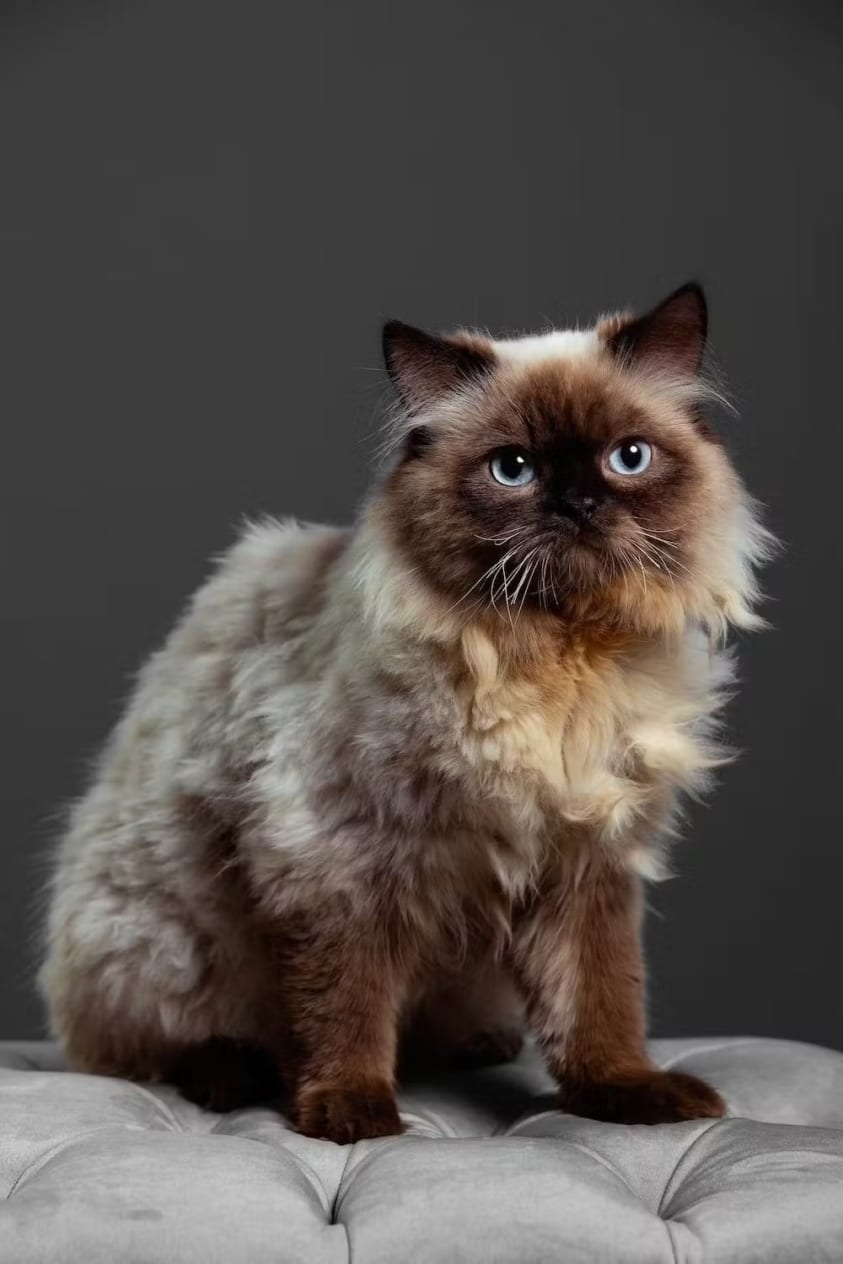
Credit: vogdog.com
Frequently Asked Questions
How Often Should I Groom A Himalayan Cat?
Himalayan cats require grooming at least 3-4 times weekly. Regular brushing prevents matting and reduces shedding. Frequent grooming keeps their coat healthy and shiny.
What Tools Are Best For Grooming Himalayan Cats?
Use a wide-toothed comb and a soft-bristle brush. These tools gently detangle fur and remove loose hair. Avoid harsh brushes to protect their sensitive coat.
How Do I Prevent Matting In A Himalayan Cat?
Brush your cat’s fur daily, focusing on dense areas. Use detangling spray if needed. Regular grooming sessions help avoid painful mats and skin issues.
Can I Bathe My Himalayan Cat Safely?
Yes, bathe your Himalayan cat every 4-6 weeks. Use cat-specific shampoo and lukewarm water. Proper drying prevents skin irritation and maintains coat softness.
Conclusion
Grooming a Himalayan cat keeps its coat soft and healthy. Regular brushing stops mats and reduces shedding. Clean their eyes gently to avoid stains. Trim nails carefully to prevent scratching. A calm routine helps your cat enjoy grooming time. Remember, patience and kindness build trust.
A well-groomed Himalayan looks beautiful and feels happy. Start small and stay consistent for best results. Your cat will thank you with purrs and love. Simple care makes a big difference every day.


Leave a Reply