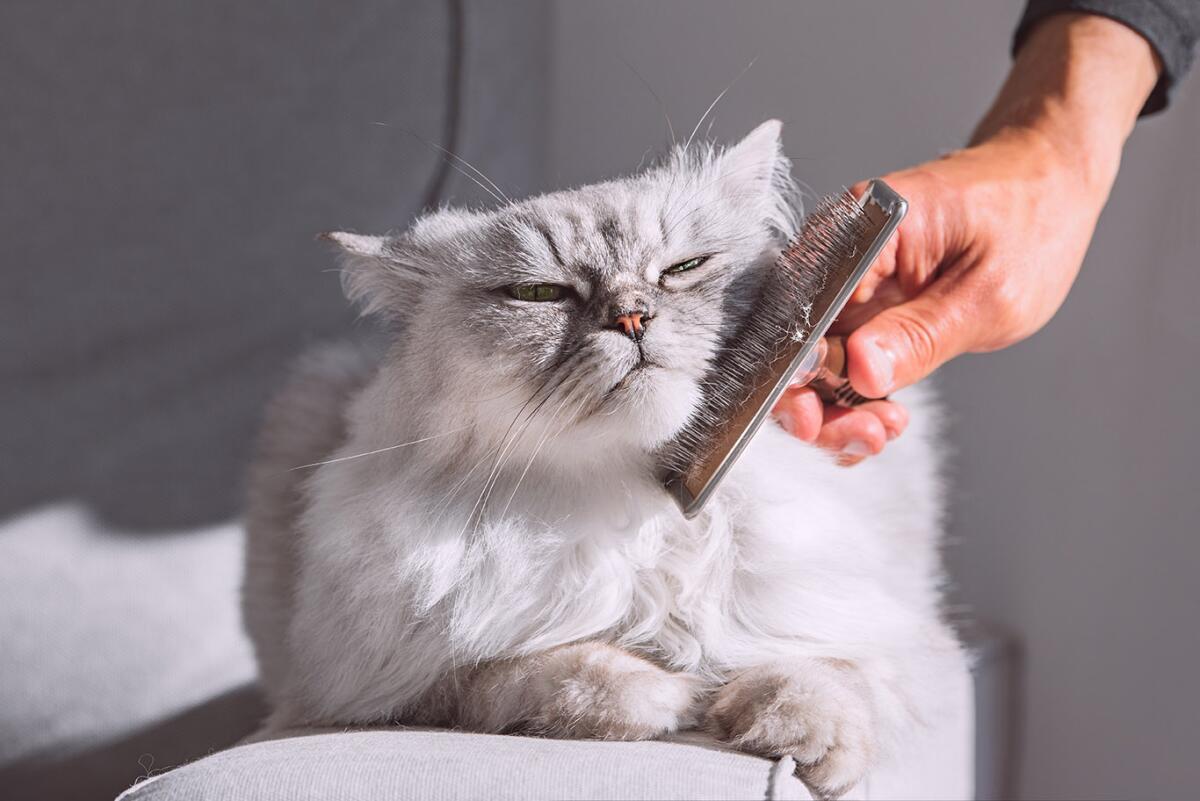
Are you wondering if you can get your cat groomed and what it really involves? Taking care of your cat’s fur and hygiene isn’t always easy, especially if they don’t like being handled.
But grooming can make a huge difference in their health and happiness. You’ll discover how professional grooming works, why it might be just what your furry friend needs, and simple tips to keep your cat looking and feeling great. Keep reading to find out how you can make grooming stress-free for both you and your cat.
Benefits Of Grooming Cats
Grooming your cat offers more than just a neat appearance. It plays a vital role in keeping your feline friend healthy and comfortable. Regular grooming sessions help you spot issues early and improve your cat’s overall well-being.
Health And Hygiene
Grooming helps maintain your cat’s skin and coat in top condition. Brushing removes dirt, debris, and dead skin cells that can cause irritation or infections. It also allows you to check for ticks, fleas, or unusual lumps that might need veterinary attention.
Have you ever noticed how your cat seems more relaxed after a good brushing? That’s because grooming stimulates blood circulation and can reduce stress. It’s a simple way to boost your cat’s health without medication.
Reducing Shedding
Shedding can be frustrating for both you and your cat. Regular grooming reduces loose fur around your home by catching it before it falls off. This is especially helpful during seasonal changes when cats shed more heavily.
Imagine cutting down on the amount of fur on your furniture just by spending a few minutes grooming your cat daily. It’s a small effort that saves you time cleaning and keeps your living space tidier.
Preventing Hairballs
Cats groom themselves constantly, which means they swallow a lot of fur. This can lead to hairballs that cause discomfort or digestive problems. Brushing your cat regularly removes loose fur, reducing the amount they ingest.
Have you ever seen your cat struggle with hairballs? Preventing them through grooming is easier than dealing with the aftermath. It helps your cat stay comfortable and reduces trips to the vet for related issues.
When To Groom Your Cat
Knowing when to groom your cat is key to keeping them happy and healthy. Cats may groom themselves, but they often need a helping hand, especially if their fur gets tangled or dirty. Paying attention to specific signs and understanding your cat’s coat type can guide you on the best grooming schedule.
Signs Your Cat Needs Grooming
Does your cat’s fur look dull or have mats? These are clear signals it’s time for grooming. You might also notice your cat scratching more than usual, which can mean their skin is irritated or their coat is uncomfortable.
Another sign is if your cat starts shedding excessively or if you find clumps of fur around the house. Cats with longer hair might struggle to clean hard-to-reach spots, leading to dirt buildup or knots.
Behavior changes can also hint at grooming needs. If your cat becomes restless or seems bothered when you touch certain areas, it might be due to tangled fur or skin issues under the coat.
Frequency Based On Coat Type
Short-haired cats usually need grooming once every two weeks. Their coats don’t tangle easily, but regular brushing helps reduce shedding and keeps their fur shiny.
Medium-haired cats benefit from grooming once or twice a week. This helps prevent mats and reduces hairballs, which can be uncomfortable for your cat.
Long-haired cats often require daily grooming. Their fur tangles quickly and can trap dirt or moisture, leading to skin problems. Regular brushing keeps their coat smooth and comfortable.
| Coat Type | Recommended Grooming Frequency | Why |
|---|---|---|
| Short-haired | Every 2 weeks | Reduces shedding, maintains shine |
| Medium-haired | 1-2 times per week | Prevents mats, reduces hairballs |
| Long-haired | Daily | Prevents tangles, avoids skin issues |
Have you noticed how your cat reacts during grooming? Tailoring your schedule to their coat type and needs can make the process smoother for both of you. When was the last time you checked your cat’s fur for hidden mats or dryness?
Preparing Your Cat For Grooming
Preparing your cat for grooming is key to a smooth experience. Cats can feel nervous about new things. Taking time to get your cat ready helps reduce stress. It also makes grooming easier and safer for both of you.
Creating A Calm Environment
Choose a quiet room with few distractions. Soft lighting helps your cat relax. Avoid loud noises or sudden movements. Keep the room warm and comfortable. Use a soft blanket or towel for your cat to sit on. Speak in a gentle, calm voice to soothe your cat. Keep sessions short at first to avoid overwhelming your cat.
Getting Your Cat Comfortable With Tools
Introduce grooming tools slowly and gently. Let your cat sniff and explore brushes and combs. Reward your cat with treats for calm behavior near tools. Start with soft brushing for a few seconds. Gradually increase brushing time as your cat gets used to it. Show clippers or nail trimmers without using them. Patience helps your cat trust the grooming process.
Credit: hellopetsinc.com
Essential Grooming Tools
Grooming your cat is not just about maintaining their appearance—it’s a vital part of their overall health and well-being. Having the right tools can make this task easier and more enjoyable for both you and your feline friend. But what exactly do you need in your grooming kit to keep your cat looking their best?
Brushes And Combs
Brushes and combs are essential for keeping your cat’s coat healthy and free of tangles. If your cat has a short coat, a rubber brush can help remove loose fur and reduce shedding. For long-haired cats, a slicker brush is ideal to gently remove knots and prevent matting.
Remember, regular brushing not only keeps your cat’s fur smooth but also helps you bond with your pet. Have you ever noticed how your cat purrs contentedly while being brushed? That’s a sign you’re doing it right!
Nail Clippers
Keeping your cat’s nails trimmed is crucial to prevent them from getting too long and causing discomfort. Using a pair of cat-specific nail clippers ensures you can safely and effectively trim their claws. Be gentle, and reward them with treats to make the experience positive.
Have you ever seen your cat snagging its claws on the carpet or furniture? Regular nail trimming can help avoid such mishaps and keep your home intact.
Shampoos And Wipes
Cats are generally great at keeping themselves clean, but sometimes a bath is necessary. Use a cat-friendly shampoo to ensure their skin and coat are treated gently. For quick clean-ups, especially if your cat isn’t fond of water, grooming wipes can be a lifesaver.
Have you ever tried giving your cat a bath only to be met with resistance? Wipes can be a fantastic alternative for those less-than-cooperative bath times.
By equipping yourself with these essential grooming tools, you’re taking a proactive step in caring for your cat’s health. Which tool do you find most useful in your grooming routine?
Step-by-step Grooming Process
Getting your cat groomed at home can be a rewarding experience for both of you. It not only keeps your feline friend clean and comfortable but also strengthens your bond. The grooming process involves a few simple steps that you can easily manage with patience and care.
Brushing Techniques
Start by choosing the right brush for your cat’s fur type—slicker brushes work well for long-haired cats, while rubber brushes suit short-haired breeds.
Gently stroke your cat in the direction of hair growth. Watch your cat’s reaction; if they seem uncomfortable, slow down or try a different spot.
Brush in small sections and use slow, smooth motions to remove loose hair and prevent mats. Regular brushing helps reduce shedding and hairballs.
Bathing Tips
Not all cats need frequent baths, but if your cat is dirty or has a skin condition, a bath can help. Use lukewarm water and a cat-specific shampoo to avoid irritation.
Place a rubber mat in the sink or tub to prevent slipping. Speak softly and move slowly to keep your cat calm throughout the process.
Rinse thoroughly to remove all shampoo, then gently towel dry. Avoid using a hairdryer unless your cat is comfortable with the noise and air.
Nail Trimming
Trim your cat’s nails regularly to prevent scratching injuries and damage to furniture. Use a pair of clippers designed specifically for cats.
Hold your cat’s paw firmly but gently, and press the pad to extend the claws. Trim just the sharp tip, avoiding the pink quick inside the nail.
If your cat resists, try trimming one or two nails at a time and reward them with treats. Patience and positive reinforcement make this task easier over time.

Credit: services.petsmart.com
Handling Difficult Cats
Handling difficult cats during grooming can be a real challenge. Cats may react with fear or aggression. Staying calm and patient helps both you and your cat. Understanding your cat’s behavior can make grooming easier and safer.
Recognizing Stress Signals
Cats show stress in many ways. Watch for these signs:
- Flattened ears
- Hissing or growling
- Swishing or thumping tail
- Wide eyes with dilated pupils
- Trying to hide or escape
Spotting these signals early helps you avoid sudden reactions. Stop grooming if your cat seems too stressed. Give your cat time to calm down before trying again.
Using Gentle Restraint
Sometimes gentle restraint is necessary to keep your cat safe. Use a soft towel to wrap your cat securely but not too tight. This limits movement and prevents scratches.
Hold your cat’s head gently but firmly to avoid sudden bites. Speak in a soft voice to calm your cat. Take breaks often to reduce stress.
When To Seek Professional Help
Some cats resist grooming no matter what you try. Professionals have experience with difficult cats. They use special tools and techniques to keep cats calm and safe.
Visit a groomer or vet if grooming causes too much stress. They can also check for health issues that make grooming painful. Your cat’s comfort and safety come first.
Professional Grooming Services
Professional grooming services can make a big difference in your cat’s comfort and health. Groomers have the right tools and know how to handle cats gently, making the experience less stressful. They can also spot early signs of skin problems or parasites that you might miss at home.
Choosing The Right Groomer
Finding a groomer who truly understands cats is key. Look for someone with experience specifically in cat grooming, not just dogs. Ask about their training and how they handle nervous or aggressive cats.
Visit the grooming salon beforehand to check cleanliness and safety. Notice if the staff are patient and calm with cats. You want a place where your cat feels secure, not scared.
Also, check reviews or get recommendations from other cat owners. A groomer with positive feedback and referrals is more likely to provide a good experience.
What To Expect During A Visit
Your cat might feel uneasy at first, but a skilled groomer will work to keep them calm. Expect a gentle approach with plenty of breaks if your cat gets stressed. Many groomers use treats and soft voices to ease anxiety.
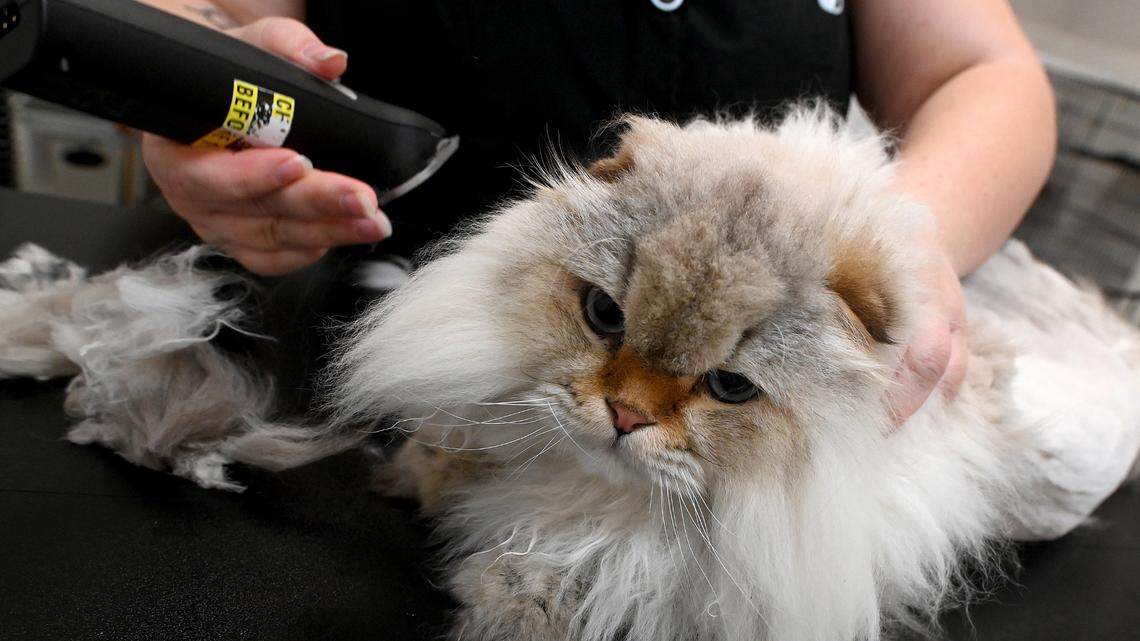
The visit usually includes brushing, nail trimming, ear cleaning, and sometimes bathing. If your cat has matted fur, the groomer will carefully work to remove it without causing pain. You can ask for specific services based on your cat’s needs.
After the session, your cat will likely look and feel refreshed. You might notice a shinier coat and less shedding. How often you take your cat depends on their breed and lifestyle, but a professional groom can help keep your cat comfortable year-round.
Credit: www.bradenton.com
Maintaining Grooming At Home
Maintaining grooming at home keeps your cat healthy and happy. Regular care prevents mats, dirt, and shedding. It also strengthens the bond between you and your pet. Simple routines help your cat feel comfortable during grooming sessions.
Daily And Weekly Routines
Daily brushing removes loose fur and reduces hairballs. Use a soft brush to avoid hurting your cat’s skin. Check the ears and eyes for dirt or redness every day. Clean them gently with a damp cloth if needed.
Weekly routines include a deeper brush to prevent mats. Trim your cat’s nails carefully to avoid overgrowth. Wipe the paws to remove any dirt or debris. Bathing is rarely needed but can be done if your cat gets very dirty.
Building Positive Grooming Habits
Start grooming early to help your cat get used to it. Use treats and praise to create a positive experience. Keep sessions short and calm to avoid stress. Stop if your cat shows signs of discomfort and try again later.
Use gentle movements and speak softly to soothe your cat. Let your cat explore the grooming tools before starting. Consistency helps your cat feel safe and secure during grooming. Over time, grooming will become a pleasant routine for both of you.
Frequently Asked Questions
Can You Get Cats Professionally Groomed?
Yes, many pet salons offer professional grooming for cats. Trained groomers handle cats carefully, providing baths, haircuts, and nail trims. Professional grooming helps maintain your cat’s hygiene and reduces shedding. Always choose groomers experienced with cats for a stress-free experience.
How Often Should Cats Be Groomed?
Cats with long hair benefit from weekly grooming, while short-haired cats need it less often. Regular grooming prevents matting and hairballs. Frequency depends on your cat’s breed, age, and health. Consult your vet or groomer for personalized advice.
Is It Safe To Groom Cats At Home?
Yes, home grooming is safe with proper tools and patience. Use a soft brush and nail clippers designed for cats. Be gentle to avoid causing stress or injury. Regular home grooming keeps your cat comfortable and healthy between professional sessions.
What Are The Benefits Of Grooming Cats Regularly?
Regular grooming improves your cat’s coat health and reduces shedding. It helps spot skin issues, parasites, and injuries early. Grooming strengthens your bond with your cat and promotes overall well-being. It also reduces hairballs and keeps your home cleaner.
Conclusion
Cats can enjoy grooming just like dogs do. Regular grooming keeps their fur clean and healthy. It also helps reduce hairballs and matting. Many cats feel relaxed after grooming sessions. You can groom your cat at home or visit a professional.
Start slowly and use gentle tools to keep your cat calm. Grooming strengthens your bond and supports your cat’s health. Remember, every cat is different and needs care that suits them best. Grooming is a simple way to show love and keep cats happy.


Leave a Reply