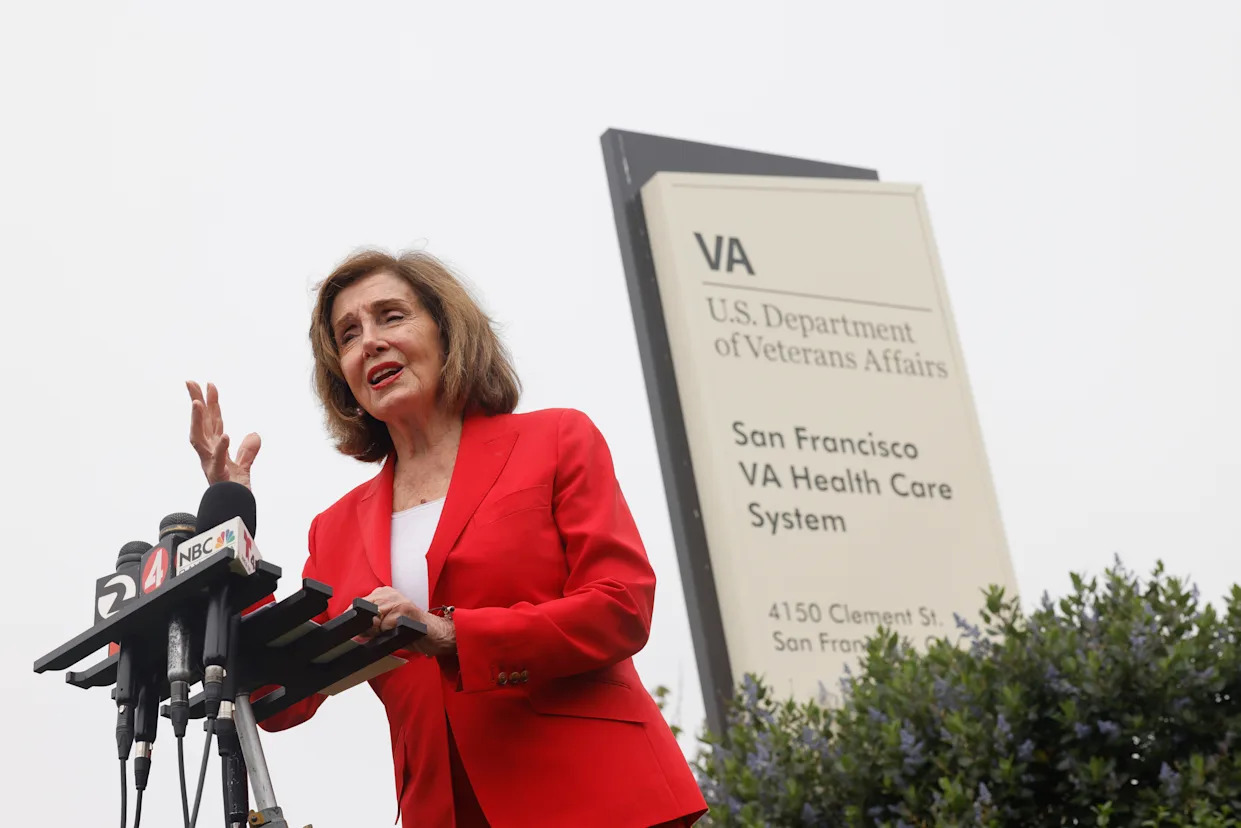
Have you ever wondered why important changes in Veterans Health Care seem to stall? You’re not alone.
Many people ask, “Who blocked the Veterans Health Care Nill? ” This question strikes at the heart of a system meant to serve those who served us. If you want to understand what’s really going on behind the scenes—and how it affects you or your loved ones—keep reading.
We’ll break down the key players and hidden reasons that slowed progress, so you get the full story without confusion. Your veterans deserve clarity, and so do you.
Background Of Veterans Health Care
The background of veterans health care is complex and rooted in decades of service and sacrifice. Veterans often face unique medical and mental health needs. These needs require specialized care that respects their experiences and challenges. Understanding the history and importance of veterans health care helps explain current debates and obstacles.
Historical Challenges
Veterans health care has faced many challenges over time. After wars, large numbers of veterans needed medical help. Systems struggled to keep up with demand. Funding shortages and bureaucracy slowed progress. Access to timely care was often limited. Mental health services were especially lacking. Many veterans fell through the cracks without proper support.
Importance To Veterans
Veterans health care is vital to those who served. It provides treatment for injuries and illnesses tied to military service. It also offers counseling for trauma and stress. Good health care helps veterans live fuller, healthier lives. Reliable care shows respect for their sacrifices. It supports their transition back to civilian life. Health care access remains a top concern for veterans nationwide.
Key Stakeholders Involved
The issue of who blocked the Veterans Health Care bill involves a complex web of key stakeholders. Each group plays a distinct role and has different motivations, making the situation more complicated than it appears at first glance. Understanding who these stakeholders are helps you see the bigger picture and why progress can stall.
Government Agencies
Several government agencies are central to the Veterans Health Care debate. The Department of Veterans Affairs (VA) is the primary agency responsible for delivering healthcare services to veterans. Their policies and budget priorities heavily influence the availability and quality of care.
Congress also plays a crucial role since they control funding and legislation. Sometimes, political disagreements within Congress can delay or block important healthcare bills. Have you ever wondered how much influence individual lawmakers have over veterans’ health benefits?
Veterans Organizations
Veterans organizations act as the voice for those who served. Groups like the American Legion and Veterans of Foreign Wars (VFW) advocate for improved healthcare access and resources. They bring firsthand knowledge of veterans’ needs to lawmakers and the public.
However, these organizations don’t always agree on the best solutions. Conflicting priorities among them can create divisions, making it easier for bills to be blocked. If you’re a veteran, which group’s stance do you find most aligned with your experiences?
Healthcare Providers
Healthcare providers who serve veterans are another vital stakeholder. This includes VA hospitals, private clinics, and individual doctors. Their ability to deliver timely and effective care depends on adequate funding and clear policies.
Providers often face challenges like staffing shortages and outdated facilities, which can impact care quality. When healthcare workers speak out about these problems, it can pressure lawmakers to act—or sometimes cause more political pushback. How do you think frontline providers’ voices should influence healthcare legislation for veterans?
Political Barriers And Opposition
The journey to improve Veterans Health Care Nill has faced significant political barriers and opposition. These obstacles often come wrapped in complex legislative challenges and driven by deeper political motivations. Understanding these elements helps you see why progress stalls and what forces are at play behind the scenes.
Legislative Roadblocks
Many bills aimed at enhancing veterans’ health care get stuck in committees or face repeated delays. Lawmakers may introduce well-meaning legislation, but it rarely moves forward without strong bipartisan support.
Sometimes, the sheer volume of proposed changes overwhelms the system. This creates a bottleneck where even critical reforms fail to pass, leaving veterans waiting for essential services.
Think about how frustrating it is when your urgent needs are sidelined by bureaucracy. Veterans experience this delay firsthand, which raises the question: how can the legislative process become more responsive?
Political Motivations
Behind the scenes, political agendas often shape decisions more than veteran welfare. Some politicians prioritize budget cuts or ideological stances over expanding healthcare access.
Lobbying from various interest groups also influences which policies get promoted or blocked. This means veterans’ needs sometimes compete with other powerful forces.
Have you ever wondered why support for veterans’ care fluctuates with changing administrations? It highlights how political priorities can overshadow consistent care for those who served.
Financial Constraints And Budget Issues
The challenges facing Veterans Health Care are complex. Financial constraints and budget issues often hinder progress. These financial hurdles affect services and resources for veterans. Understanding these barriers helps in addressing them effectively.
Funding Cuts
Funding cuts significantly impact veterans’ health services. Reduced budgets mean fewer resources. Services like mental health support and rehabilitation face limitations. These cuts create gaps in essential health care. Veterans often experience delays and reduced quality in care.
Allocation Disputes
Allocation disputes arise from budget distribution disagreements. Different priorities lead to uneven resource allocation. Some areas receive more funds, while others suffer shortages. These disputes affect the overall efficiency of health care systems. Veterans feel the impact when necessary services lack funding.
Impact On Veterans And Their Families
The blocking of the Veterans Health Care Nill has had a profound impact on veterans and their families, touching every aspect of their healthcare experience. Veterans often rely heavily on timely and effective medical services, so any disruption can create significant stress and uncertainty. Families, too, feel the ripple effects, as they frequently support their loved ones through recovery and ongoing care.
Access To Care
Access to care became more complicated and unpredictable after the block. Many veterans found themselves facing longer wait times and difficulty scheduling appointments. Imagine needing urgent care and being told to wait weeks—that delay can worsen health conditions.
Some veterans had to travel farther to find available healthcare providers. This added cost and time burdens on families who often juggle work and caregiving responsibilities. When you can’t easily get the care you need, how does that affect your recovery and peace of mind?
Quality Of Services
The quality of services also took a hit. Overcrowded facilities and stretched staff meant veterans sometimes received rushed or less personalized attention. This can lead to missed symptoms or incomplete treatment plans, which undermine trust in the healthcare system.
Family members noticed changes too, often stepping in to catch errors or follow up on care details. Their role became more critical but also more stressful. When the system falters, it’s not just the veteran who suffers—it’s the entire support network around them.

Credit: northdakotamonitor.com
Media And Public Response
The media and public response to the blocking of the Veterans Health Care bill has been intense and varied. News outlets across the country gave the issue wide attention, sparking debates and discussions. Public reactions showed a mix of frustration, support, and calls for action. The topic touched many, especially veterans and their families.
Coverage Of The Issue
Major news networks reported the story extensively. They focused on the reasons behind the block and its impact on veterans. Newspapers published editorials questioning the decision. Social media platforms saw trending hashtags related to the bill. Many journalists interviewed veterans to share their personal stories.
- Television news highlighted political arguments.
- Online news sites provided live updates.
- Local newspapers emphasized community effects.
- Radio shows hosted expert panels.
Public Opinion Trends
Public opinion polls showed growing concern for veterans’ health care. Many citizens expressed disappointment with lawmakers blocking the bill. Supporters of veterans demanded quicker solutions. Some groups organized peaceful protests and letter-writing campaigns. The issue united people across different backgrounds.
- Strong support for improved veterans’ services.
- Frustration over political gridlock.
- Calls for accountability from elected officials.
- Increased awareness of veterans’ challenges.
Efforts To Overcome The Blockade
The blockade of the Veterans Health Care Bill Nill has sparked a wave of determined efforts aimed at breaking down barriers. Supporters understand that change requires more than just hope—it demands action. These efforts combine passion with strategy, aiming to secure the healthcare rights veterans deserve.
Advocacy Campaigns
Advocacy groups have been relentless in raising awareness. They organize rallies, social media drives, and community meetings to bring the issue into the public eye.
One campaign shared stories of veterans denied timely care, making the problem personal and urgent. This tactic helps you connect emotionally and understand the stakes involved.
They also lobby politicians directly, pushing for amendments or repeal of the blockade. Your voice can join these movements through petitions and local events.
Legal Actions
Legal teams have stepped in to challenge the blockade through the courts. They argue that denying healthcare violates constitutional rights and federal laws protecting veterans.
Some lawsuits target specific agencies or officials responsible for enforcing the blockade. These cases often include evidence from veterans who faced harm due to denied services.
By pursuing legal avenues, advocates hope to create binding decisions that force change. Have you ever wondered how legal pressure can shift political roadblocks?

Credit: www.youtube.com
Lessons Learned And Future Directions
The Veterans Health Care Nill incident offers clear lessons on the challenges and barriers within our healthcare system for veterans. Recognizing these hurdles helps us shape a better future where veterans receive the respect and care they deserve. Reflecting on what went wrong pushes us to think about actionable steps you and policymakers can support to improve the system.
Policy Recommendations
One critical lesson is the need for transparent policies that prioritize veterans’ health without unnecessary delays. Policies must ensure accountability from healthcare providers and administrators. You might ask, how can clearer guidelines prevent future blockages in care?
- Introduce mandatory reporting systems for any delays in veteran healthcare services.
- Strengthen oversight committees that include veteran representatives to voice concerns directly.
- Allocate dedicated funding to improve infrastructure and reduce wait times.
These steps make the system more responsive and reduce the chances of veterans falling through the cracks.
Strategies For Improvement
Improving veterans’ healthcare requires practical changes you can support, from community involvement to better resource management. Real improvement happens when care becomes more accessible and personalized.
- Expand telehealth services to reach veterans in remote areas more efficiently.
- Train healthcare professionals specifically in veterans’ unique health needs to increase empathy and effectiveness.
- Develop partnerships between VA centers and local clinics to share resources and knowledge.
Imagine a system where you or your loved one could access help without long waits or confusing bureaucracy. This vision can become reality with focused effort and community support.
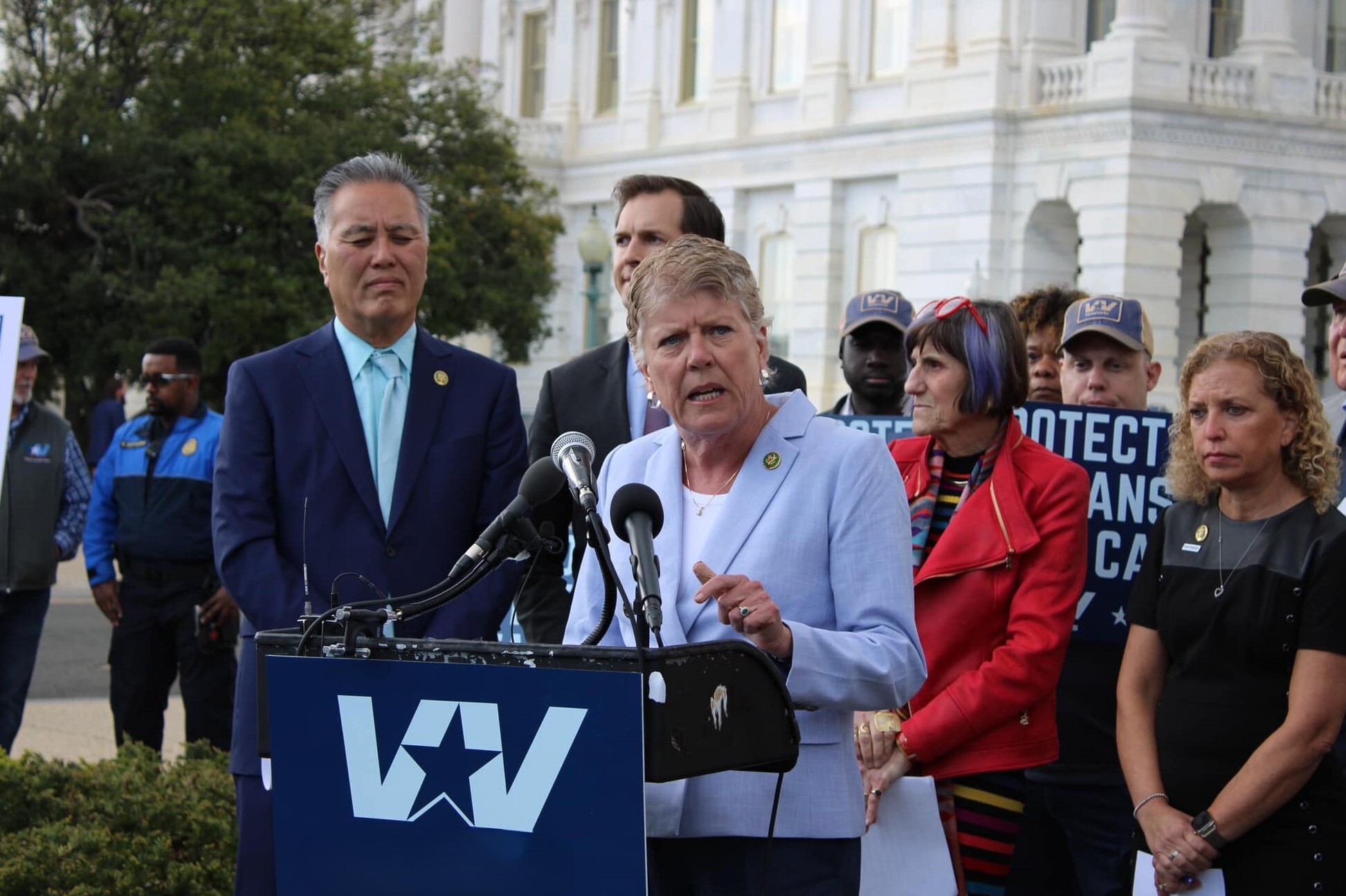
Credit: juliabrownley.house.gov
Frequently Asked Questions
Who Blocked The Veterans Health Care Bill?
The Veterans Health Care bill was blocked by certain lawmakers concerned about budget impacts. Some opposed due to policy disagreements over healthcare provisions.
Why Was The Veterans Health Care Bill Opposed?
Opposition stemmed from concerns over funding, potential inefficiencies, and political disagreements on veterans’ healthcare priorities.
What Impact Did Blocking The Bill Have On Veterans?
Blocking the bill delayed improvements in healthcare services for veterans, affecting timely access to medical support and resources.
Which Politicians Played Key Roles In Blocking The Bill?
Several senators and representatives voiced objections, primarily those worried about federal spending and healthcare policy changes.
Conclusion
The Veterans Health Care bill faced many obstacles and delays. Some politicians blocked it for various reasons. These actions affected veterans who need better health services. Many people want to see changes soon. The fight for veterans’ care continues. Awareness and support can help push the bill forward.
Everyone deserves respect and care after serving their country. The story is not over yet. Stay informed and keep asking questions.



Leave a Reply