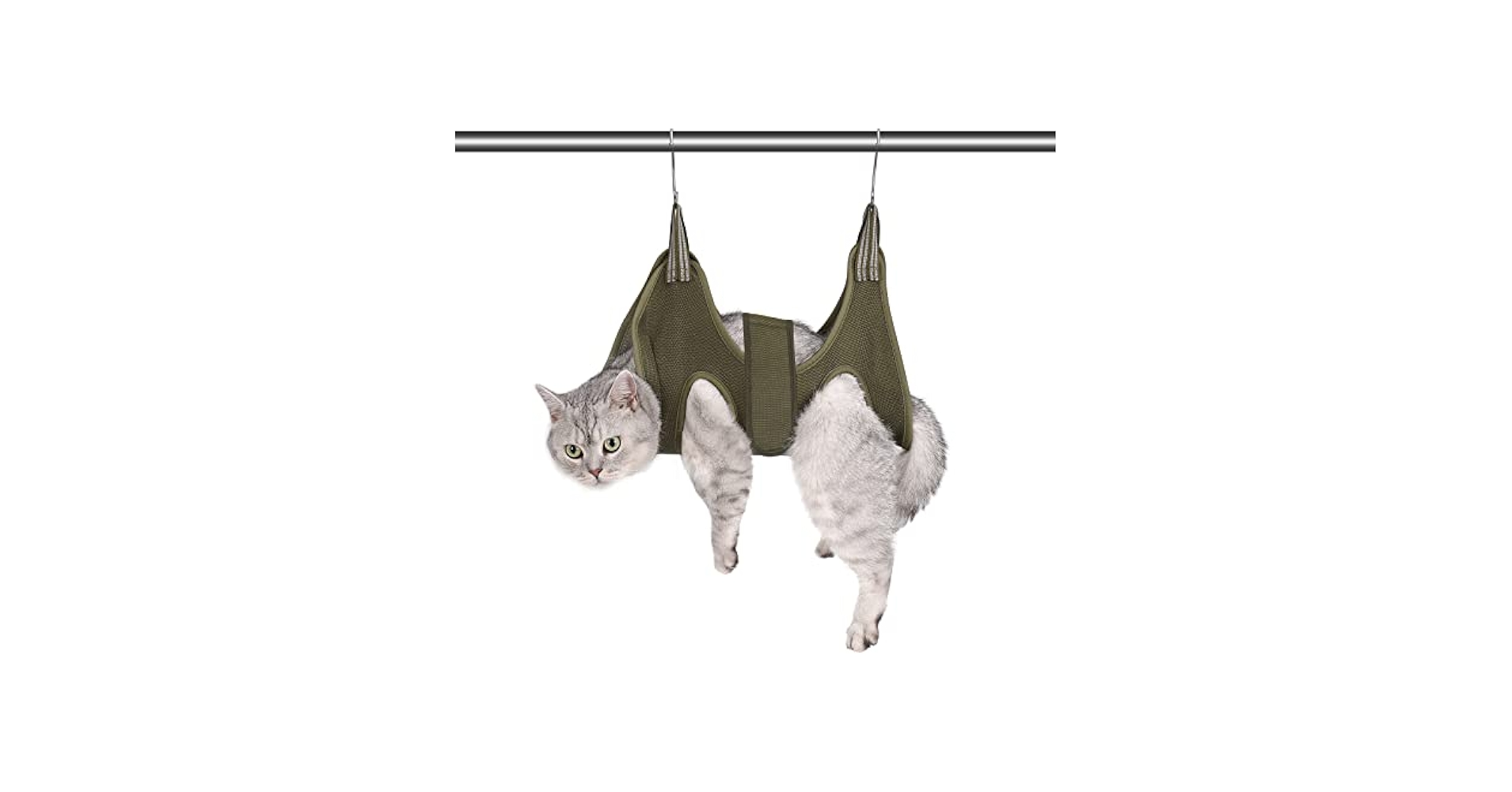
Grooming your cat can be tricky, especially when they don’t want to stay still. You might feel frustrated or worried about hurting them by accident.
But what if you could learn simple, gentle ways to hold your cat calm and steady during grooming? This guide will show you exactly how to do that, making grooming easier and less stressful for both you and your furry friend.
Keep reading to discover tips that will change the way you care for your cat forever.

Credit: www.purina.com
Preparing Your Cat
Preparing your cat before grooming helps make the process smooth and safe. A calm cat stays still and feels less stressed. Taking small steps before grooming builds trust and cooperation. Preparation is key to gentle and effective grooming sessions.
Choose The Right Time
Pick a time when your cat feels relaxed and sleepy. Avoid grooming right after meals or playtime. Quiet moments in the day work best. A calm cat is easier to hold still and groom.
Create A Calm Environment
Set up a quiet space with no loud noises or distractions. Soft lighting helps keep your cat relaxed. Speak in a gentle voice and move slowly. A peaceful area reduces stress and helps your cat stay calm.
Gather Necessary Grooming Tools
Prepare all grooming supplies before you start. Common tools include:
- A soft brush or comb
- Cat-safe nail clippers
- Pet wipes or a damp cloth
- Towels to wrap your cat if needed
Having everything ready prevents interruptions and keeps your cat comfortable.

Credit: www.amazon.com
Safe Holding Techniques
Holding your cat safely during grooming is crucial for both your comfort and your pet’s well-being. Cats are naturally sensitive to touch, so using the right techniques can make the experience less stressful and more effective. Here are some safe holding methods that help keep your cat calm and secure without causing discomfort.
Use A Towel Wrap
A towel wrap can be your best friend when trying to keep a wriggly cat still. Gently wrapping your cat in a soft towel helps limit movement while providing a sense of security.
Make sure to leave the cat’s head exposed so it can breathe easily and see what’s going on. This method worked wonders for me when my cat panicked during nail trims—she calmed down quickly once snug in the towel.
Support The Cat’s Body
Always support your cat’s entire body to prevent any sudden jerks or injuries. Use one hand to hold the chest or under the front legs and the other hand to support the hindquarters.
This balanced hold distributes your cat’s weight evenly and feels less like restraint. Have you noticed how cats relax more when they feel fully supported rather than just grabbed?
Avoid Restricting The Neck
Never hold your cat by the neck or collar during grooming—it can cause pain and stress. Cats are sensitive around their necks, and restricting this area can trigger defensive behaviors.
Instead, focus on gentle but firm holds around the torso and hips. Respecting this boundary shows your cat you’re not a threat and builds trust over time.
Gentle Restraint Methods
Holding a cat gently but securely during grooming is key to making the experience calm and safe for both of you. Cats are sensitive creatures, and even a little too much pressure or sudden movements can cause stress or resistance. Using gentle restraint methods helps keep your cat comfortable while giving you enough control to groom effectively.
Use Minimal Pressure
Apply just enough pressure to keep your cat steady without causing discomfort. Think of it like a firm but gentle hug—enough to prevent slipping but not tight enough to alarm your pet.
For example, resting your hand lightly on your cat’s shoulders or holding their front paws softly can provide enough control. Avoid squeezing or gripping too hard, as this can make your cat tense up or try to escape.
Keep Movements Slow
Slow, deliberate movements help your cat feel safe and reduce the chance of sudden reactions. Rapid or jerky motions can startle your cat and make grooming more difficult.
Try to move your hands smoothly and predictably, almost like you’re gently guiding your cat rather than forcing them. Have you noticed how your cat relaxes when you pet them slowly? The same principle applies here.
Watch For Stress Signals
Pay close attention to your cat’s body language throughout grooming. Signs like flattened ears, twitching tail, or wide eyes indicate stress.
If you see these signals, pause and give your cat a break or adjust your hold. Remember, your goal is cooperation, not control through force. Have you ever stopped just in time to prevent your cat from bolting? That awareness makes all the difference.
Using Distractions
Grooming a cat can sometimes be a challenge. Cats are naturally curious and can get restless. Using distractions is a smart way to keep them calm. It helps the grooming process go smoothly. Here are some effective distraction techniques to try.
Offer Treats
Use tasty treats as a distraction. Keep a few treats nearby during grooming. Give your cat a treat before you start. It helps them associate grooming with positive experiences. Reward them with more treats as you go along. This keeps them engaged and still. It also makes grooming time enjoyable.
Use Toys Or Sounds
Interactive toys can capture your cat’s attention. Use a toy they love to keep them focused. You can also try gentle sounds. Play soft music or use a calming app. These distractions help soothe your cat. They make the grooming session peaceful and relaxing.
Involve A Helper
Having a helper can make a big difference. A helper can hold the cat gently. They can also offer treats and toys. This allows you to focus on grooming. Your cat feels more secure with a familiar person nearby. Teamwork makes the grooming process easier and faster.
Handling Different Cat Behaviors
Handling different cat behaviors during grooming requires patience and care. Cats react to grooming in many ways. Understanding their mood helps keep both you and your cat safe. Each type of behavior calls for a different approach. Learning to recognize these signs improves the grooming experience. Here are tips for calm, anxious, and aggressive cats.
Calm Cats
Calm cats are easier to groom. They trust you and stay still. Gently stroke them before starting. Use slow, soft movements to keep them relaxed. Speak in a quiet, soothing voice. Let them sniff the grooming tools first. This builds comfort and reduces surprise. Always reward calm behavior with treats or praise.
Anxious Cats
Anxious cats may fidget or try to run away. Keep the environment quiet and free of distractions. Use a towel to gently wrap them if needed. This provides a sense of security. Take short breaks to avoid overwhelming your cat. Slowly build trust by grooming in small sessions. Be patient and calm, showing no frustration. Use treats to encourage cooperation.
Aggressive Cats
Aggressive cats may hiss or scratch during grooming. Avoid forcing the grooming, which can make behavior worse. Wear protective gloves if necessary. Try wrapping your cat in a thick towel to limit movement. Use calm but firm handling to reduce resistance. Work quickly and efficiently to minimize stress. Consider asking a professional groomer or vet for help if aggression continues.

Credit: www.ebay.com
Post-grooming Care
After you finish grooming your cat, the care doesn’t stop there. Post-grooming care is essential to keep your furry friend comfortable and healthy. It also helps build trust, making future grooming sessions easier for both of you.
Praise And Reward
Immediately after grooming, offer your cat gentle praise and a favorite treat. Positive reinforcement helps your cat associate grooming with good experiences. You might say softly, “Good job,” while petting them calmly.
Try to observe what your cat enjoys most—some prefer a specific treat or a brief play session. This personal touch can make a big difference in how your cat feels about grooming next time.
Check For Skin Issues
Take a close look at your cat’s skin once the grooming is done. Look for redness, bumps, or any unusual patches that might indicate irritation or infection. Grooming can sometimes reveal problems hidden under fur.
If you spot anything suspicious, it’s a good idea to consult your vet promptly. Early detection can prevent minor issues from becoming serious health problems.
Clean And Store Tools
Cleaning your grooming tools is just as important as grooming itself. Remove any hair stuck in brushes or combs and wipe blades with alcohol to prevent bacteria growth. Proper maintenance keeps your tools effective and safe.
Store everything in a dry, clean place away from moisture. This simple habit extends the life of your grooming supplies and ensures they’re ready for the next session.
Frequently Asked Questions
How Can I Safely Hold My Cat For Grooming?
Gently wrap your cat in a towel to limit movement. Support its body firmly but gently. Use calm, soothing tones to keep your cat relaxed during grooming.
What Tools Help Keep A Cat Still While Grooming?
Use a grooming table with a non-slip surface. A grooming loop or harness can provide gentle restraint. Soft towels also help to wrap and calm the cat.
How Do I Calm A Nervous Cat Before Grooming?
Speak softly and pet your cat gently. Offer treats to create positive associations. Allow short grooming sessions to build trust gradually.
When Is The Best Time To Groom A Cat?
Choose a quiet time when your cat is naturally calm or sleepy. Avoid grooming right after meals or playtime to prevent restlessness.
Conclusion
Holding a cat still for grooming takes patience and care. Use gentle touch and calm voices to keep your cat relaxed. Small, slow movements help avoid sudden scares. Remember, safety comes first for both you and your cat. Practice often to build trust and make grooming easier.
Every cat is different; find what works best for yours. Stay calm and stay safe. Grooming can become a peaceful time for you both.



Leave a Reply