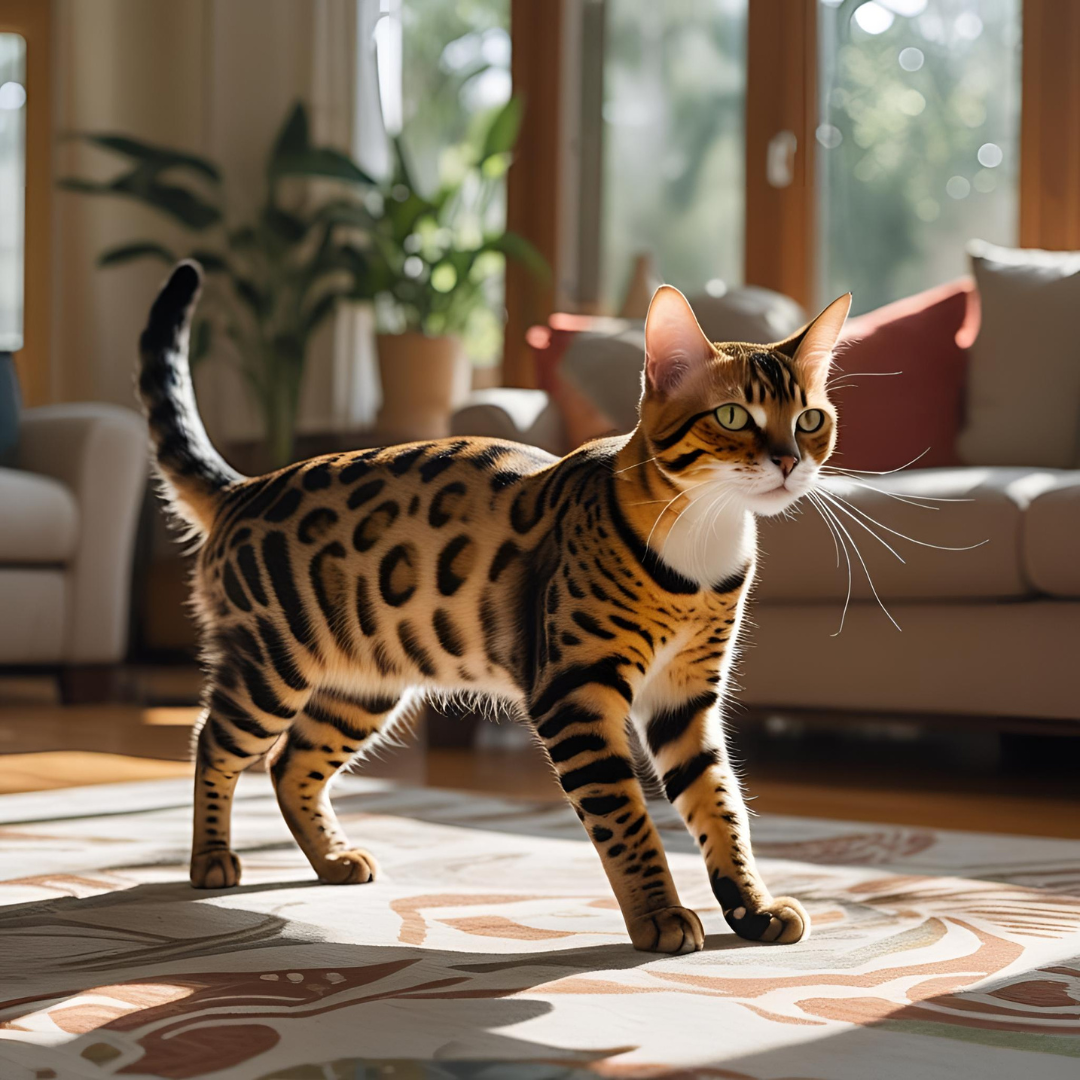
Have you ever noticed how little people actually care about cat breeds? You might wonder why so much attention goes to dog breeds, but cats don’t get the same love.
Maybe you’ve asked yourself if it even matters what kind of cat you have. Well, this is exactly why you should keep reading. Understanding why nobody seems to care about cat breeds could change the way you see your furry friend—and how you connect with them every day.
Stick around, and you’ll discover some surprising truths that might just shift your perspective.
Popularity Of Cat Breeds
Cat breeds gain popularity for many reasons. Some people love the look of certain breeds. Others prefer specific behaviors or personalities. Popularity often shapes which cats people choose as pets. This affects breeders, shelters, and even cat food markets. Understanding why some breeds become popular helps explain many trends in pet ownership.
Trends In Cat Ownership
Many cat owners follow trends when choosing pets. Some breeds become fashionable due to their unique features. Small or hypoallergenic cats often attract more buyers. Urban living also influences preferences. People may pick breeds that fit apartment life. Trends can shift quickly with new cat shows or events. This causes some breeds to rise or fall in popularity.
Media Influence On Breed Preferences
Movies, TV shows, and social media shape breed choices. Famous cats in media can boost a breed’s fame. Viral videos often feature certain cat types. This can lead to sudden spikes in demand. Advertisements and celebrity pets add to this effect. Media creates an image of what the “ideal” cat looks like. This image influences many new cat owners.
Common Misconceptions
Many people believe certain cat breeds come with fixed traits. This idea often leads to misunderstandings. It makes people judge cats based on breed alone. These misconceptions can affect how people treat and choose cats. Knowing the truth helps us appreciate each cat’s uniqueness.
Breed Vs. Personality
People often think a cat’s breed defines its personality. This is not always true. Cats from the same breed can behave very differently. Personality depends on many things, like environment and upbringing. Breed gives only a general idea, not a rule.
For example, a Siamese cat may be talkative, but some are quiet. A Maine Coon might be friendly, but some prefer solitude. Each cat’s character grows from its life and experiences.
Appearance Over Behavior
Many focus on how a cat looks, ignoring its behavior. People choose cats by fur color or size instead of temperament. This can lead to unhappy pets and owners. A cat’s needs and habits matter more than looks.
Choosing a cat should include observing how it acts. A gentle, calm cat fits some homes better than a playful one. Appearance is easy to see, but behavior shapes daily life together.
Emotional Bonds With Cats
Emotional bonds with cats go far beyond their looks or breed. People connect with cats through shared moments, comfort, and companionship. This bond is unique and personal, shaped by time and trust. It makes the cat a true friend, not just a pet.
Attachment Beyond Breeds
Attachment to cats depends on their personality and behavior. Cats show love in many ways, like purring, rubbing, or sitting close. These actions build trust and warmth between owner and cat.
Breed does not decide how strong this bond will be. Cats of all kinds can become loyal companions. Their love and affection come from their nature, not their breed.
Adopting Mixed-breed Cats
Mixed-breed cats often have wonderful, unique personalities. Many people find joy and comfort with them. Adopting mixed-breed cats supports animal shelters and saves lives.
These cats are just as loving and playful as purebreds. Their mix of traits makes every cat special and full of character. The bond you build with a mixed-breed cat can be deep and lasting.

Credit: weareallaboutcats.com
Cultural Attitudes Toward Cats
Cats have been companions to humans for centuries, yet they often evoke a wide range of cultural attitudes. While some societies revere them as symbols of good fortune, others might see them as mere pests. This varied perception raises the question: why does nobody seem to care about cat breeds?
Regional Differences In Cat Preferences
Cultural norms significantly influence how cats are perceived around the world. In Japan, for example, the Maneki-neko, or “beckoning cat,” is a popular symbol of luck. Meanwhile, in some parts of Europe, black cats are still associated with superstition and bad luck.
These regional differences shape how much attention is paid to specific cat breeds. In Egypt, cats are celebrated for their historical significance, while in the U.S., many people are more concerned with a cat’s personality than its pedigree. Does your region have its own unique view of cats?
Social Media And Cat Fame
Social media has revolutionized how we engage with cats, turning ordinary felines into internet celebrities. Think of Grumpy Cat or Lil Bub—cats whose fame transcends their breed. Their unique features or quirks capture attention, overshadowing traditional breed recognition.
Platforms like Instagram and TikTok offer a stage for cats to shine, regardless of lineage. This shift raises a question: do we care more about a cat’s breed or its social media appeal? You might find that a cat’s personality and online presence matter more than ever.
As you explore your own views on cats, consider how culture and technology shape your preferences. Are you more drawn to a specific breed or a cat’s unique charm? Your answer might reveal more about societal values than you think.
Pet Industry Influence
The pet industry plays a huge role in shaping how people view cat breeds. It pushes certain breeds into the spotlight, often based on trends and market demand rather than the needs of the animals themselves. This influence affects not only what cats people want but also how many cats get adopted or left behind.
Marketing Of Purebred Cats
Purebred cats get a lot of marketing attention. Breeders and pet stores use sleek photos and appealing stories to make these cats look irresistible. You’ve probably seen ads highlighting a breed’s unique looks or personality traits, making them seem like the perfect pet.
This focused marketing creates a sense of exclusivity and status around purebred cats. It makes people believe these cats are more valuable or special than mixed breeds. But this also means that many wonderful cats without a fancy pedigree get ignored.
Impact On Adoption Rates
Because purebred cats are heavily marketed, adoption centers often struggle to find homes for mixed-breed cats. You might visit a shelter and see many cats waiting for adoption while the demand for purebreds keeps growing.
Have you ever wondered why shelters are always full despite the obvious love and loyalty mixed-breed cats offer? The pet industry’s focus on purebreds plays a big part in this. It shifts attention and resources away from shelter cats, making adoption less popular.
What if more people saw the value in adopting any cat, regardless of breed? Changing this mindset could help reduce overcrowded shelters and give more cats a chance at a happy home.
Ethical Considerations
Ethical considerations play a crucial role when we think about why nobody should care excessively about cat breeds. Beyond looks and pedigree, the well-being of cats must come first. Focusing too much on breeds can lead to harmful practices that affect animal welfare and responsible ownership.
Breeding Practices And Welfare
Many popular cat breeds are the result of selective breeding, often prioritizing appearance over health. This can lead to genetic issues like respiratory problems or weakened immune systems. Have you ever wondered what happens behind the scenes in some breeding operations?
Some breeders prioritize profit and breed standards instead of the cat’s quality of life. This often results in overcrowded shelters and abandoned pets who don’t fit the “ideal” breed look. You can help by questioning where your cat comes from and avoiding supporting unethical breeders.
Encouraging Responsible Pet Ownership
Owning a cat means caring for its needs, regardless of breed. Emphasizing breed over personality or health can distract you from the real responsibility: ensuring your pet is happy and healthy. What matters more—your cat’s color or its well-being?
Choosing a cat should involve considering temperament, health history, and your living situation. Many wonderful cats in shelters are waiting for a loving home, and they don’t come with breed labels. By focusing less on breed, you open the door to more meaningful and ethical pet adoption.
Future Of Cat Appreciation
The future of cat appreciation is moving beyond traditional boundaries. People are starting to see cats as unique companions rather than just representatives of specific breeds. This shift changes how we connect with and care for our feline friends.
Shifting Focus To Individual Cats
More cat lovers now celebrate the personality and quirks of each cat instead of their breed. You might find yourself drawn to a cat’s playful nature or calm demeanor rather than its pedigree. This makes adopting cats from shelters more popular, as people look beyond appearance to find a furry friend that fits their lifestyle.
Think about your own cat or one you know well. What makes them special isn’t their breed but their unique behavior and bond with you. This approach encourages people to appreciate cats as individuals, fostering deeper connections and better care.
Promoting Inclusivity In Cat Communities
Cat groups and online forums are becoming more inclusive, welcoming all cats regardless of breed or background. This creates a sense of community where stories and tips focus on shared experiences rather than breed status. You’ll find discussions about health, training, and affection that apply to every cat.
Inclusivity also means reducing the stigma against mixed-breed cats and those with less “desirable” traits. It opens doors for more people to feel valued as cat owners and share their love without judgment. How would your cat community change if everyone felt accepted no matter their cat’s breed?

Credit: www.reddit.com

Credit: uk.news.yahoo.com
Frequently Asked Questions
Why Do People Ignore Cat Breeds’ Importance?
Many people focus on a cat’s personality over its breed. Personality and behavior often matter more than breed traits. This makes breed less relevant to many cat owners.
Are Cat Breeds Less Popular Than Dog Breeds?
Yes, cat breeds generally receive less attention than dog breeds. Cats’ independent nature makes breed distinctions less significant to many. Dog breeds often have clearer roles and traits that attract more focus.
Does Cat Breed Affect A Cat’s Health?
Breed can influence health risks, but many cats are mixed breeds. Mixed cats often have fewer breed-specific health problems. Regular vet care and attention matter more than breed alone.
Why Don’t Cat Breeds Define A Cat’s Value?
People value cats for companionship, not pedigree. Love, care, and bonding matter more than breed. This is why many don’t prioritize breed in cats.
Conclusion
People love cats for their personality, not just breed. A cat’s charm comes from its actions and love. Many focus on how cats make them feel. Breed matters less than kindness and company. Caring for any cat brings joy and comfort.
Pets are family, no matter their background. This shows why breed is often overlooked. What truly counts is the bond you share. Cats teach us to enjoy simple moments. That’s why breed rarely steals the spotlight.



Leave a Reply