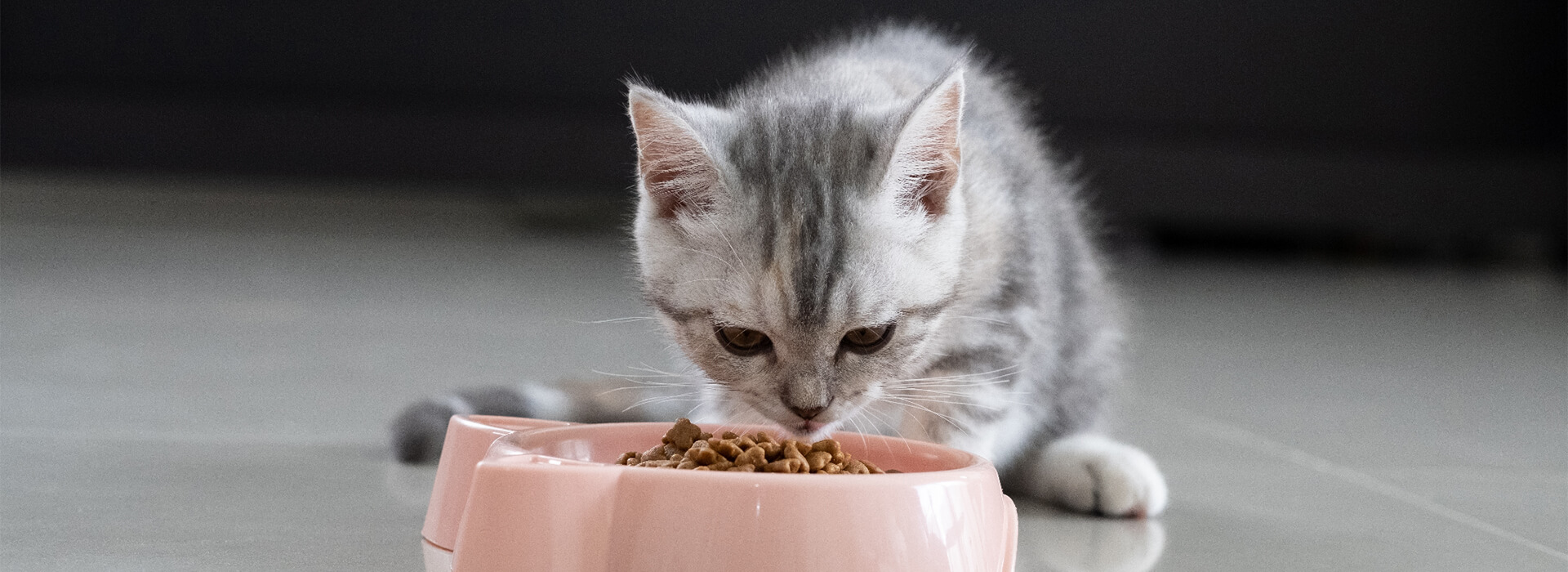
Have you ever wondered if feeding your adult cat dry kitten food could harm her? You want the best for your furry friend, but with so many food options, it’s easy to get confused.
What if that special kitten formula isn’t right for her anymore? The truth might surprise you, and it could make a big difference in your cat’s health and happiness. Keep reading to find out why what you feed your adult cat matters more than you think—and how to make the best choice for her well-being.
Credit: untamed.com
Differences Between Kitten And Adult Cat Food
Understanding the differences between kitten and adult cat food is key when deciding what to feed your furry friend. Kitten food is specially designed to support rapid growth and high energy needs, while adult cat food focuses on maintaining health and weight. Feeding your adult cat dry kitten food might seem harmless, but it’s important to know what sets these two apart.
Nutrient Composition
Kitten food contains higher levels of essential nutrients to fuel growth. It is rich in vitamins like A, D, and E, which support bone development and immune health. Adult cat food, on the other hand, offers nutrients balanced to maintain your cat’s overall wellness without promoting unnecessary weight gain.
Calorie Content
One major difference is calorie density. Kitten food packs more calories per serving to meet their energy demands. If your adult cat eats kitten food regularly, she might consume more calories than she needs, leading to weight gain. Have you noticed your cat’s weight creeping up after switching to kitten food?
Protein And Fat Levels
Kitten food is higher in protein and fat to support muscle growth and brain development. Adult cat food has moderate protein and fat, tailored for maintenance rather than growth. Feeding your adult cat kitten food could overload her system with rich nutrients, potentially causing digestive upset or obesity over time.

Credit: www.thehonestkitchen.com
Potential Risks Of Feeding Adult Cats Kitten Food
Feeding adult cats dry kitten food might seem harmless at first, but it can bring some unexpected risks to your feline friend’s health. Kitten food is designed with a kitten’s growing body in mind, which means its nutrient profile is quite different from what an adult cat needs. Understanding these risks can help you make better choices for your cat’s diet and well-being.
Obesity And Weight Gain
Kitten food is higher in calories to support rapid growth and energy needs. If your adult cat regularly eats this calorie-rich diet, it can easily lead to excess weight gain. Over time, carrying extra pounds puts your cat at risk for serious problems like diabetes and joint pain.
Have you noticed your adult cat gaining weight without a change in activity? It could be the kitten food fueling that extra fluff.
Digestive Issues
Adult cats have different digestive systems compared to kittens. The rich fats and proteins in kitten food may be harder for them to digest properly. This can cause symptoms like diarrhea, vomiting, or upset stomach.
Pay close attention if you switch your cat’s food and see any sudden tummy troubles. It might be a sign that kitten food isn’t the best fit.
Nutritional Imbalance
Kitten food contains more protein, fat, and certain vitamins to help kittens grow. Adult cats, however, require a balanced diet tailored to maintain their health, not to promote growth. Feeding kitten food long-term can lead to an imbalance where your cat gets too much of some nutrients and not enough of others.
Could this imbalance be silently affecting your cat’s health? Regular vet checkups and proper feeding choices are key to avoiding hidden nutritional problems.
When Kitten Food Might Be Safe For Adults
Feeding an adult cat dry kitten food isn’t always harmful. There are specific situations where kitten food can actually support your adult cat’s health and wellbeing. Understanding these moments helps you make better feeding choices tailored to your cat’s unique needs.
Pregnant Or Nursing Cats
Pregnant or nursing cats need extra calories and nutrients to support themselves and their kittens. Kitten food is richer in protein and fats, which can help meet these increased demands. If your adult cat is expecting or feeding kittens, offering kitten food can boost her energy and nutrient intake safely.
Have you noticed how your cat’s appetite changes during pregnancy? This is a good time to consider kitten food to keep her strong and healthy.
Cats With High Energy Needs
Some adult cats are more active or have higher energy requirements due to their lifestyle or medical conditions. Kitten food’s nutrient-dense formula can help maintain their weight and muscle mass. If your cat regularly hunts, plays vigorously, or has a fast metabolism, kitten food might be a good option.
Think about how your cat behaves daily. Is she more energetic than others? This might justify the extra nutrition found in kitten food.
Transition Periods
Switching your cat from kitten food to adult food should be gradual. During this transition, mixing kitten food with adult food can ease digestive adjustments. It helps your cat get used to new flavors and nutrient balances without stress.
Have you ever tried changing your cat’s food abruptly? If yes, you likely saw some tummy troubles. Using kitten food during this period can prevent those issues and keep your cat comfortable.
Signs Your Cat Is Reacting Negatively
Feeding an adult cat dry kitten food might seem harmless. Yet, it can lead to negative reactions. Watch closely for any signs of discomfort or health issues. Recognizing these signs early can help you address potential problems quickly.
Changes In Weight
An adult cat eating kitten food might gain weight quickly. Kitten food contains higher calories and fats. This can lead to unwanted weight gain in adult cats. If your cat’s weight increases rapidly, check her diet. Conversely, if she loses weight, it may signal a nutritional imbalance. Monitor her weight regularly for any drastic changes.
Digestive Distress
Kitten food can upset an adult cat’s stomach. Look for signs like vomiting or diarrhea. These symptoms indicate digestive distress. Your cat might also refuse food. This could mean she’s uncomfortable or in pain. Ensure her diet suits her age and health needs.
Behavioral Changes
Behavioral shifts can signal dietary issues. Your cat might become lethargic or less playful. She could also display increased aggression or anxiety. These changes may result from discomfort or nutritional deficiencies. Pay attention to her mood and energy levels. Adjust her diet if you notice unusual behavior.
Choosing The Right Food For Your Adult Cat
Choosing the right food for your adult cat is more important than you might think. Their nutritional needs change as they grow, and feeding them the wrong type of food can cause health problems. Understanding what to look for and how to balance their diet will keep your cat happy and healthy.
Reading Labels
Start by carefully reading the labels on cat food packages. Look for foods specifically formulated for adult cats, as these contain the right balance of nutrients your cat needs. Avoid kitten food for adults because it often has too many calories and nutrients meant for growing cats.
Check for high-quality protein sources like chicken, turkey, or fish listed as the first ingredient. Also, watch out for fillers like corn or wheat that add little nutritional value. Do you know what exactly is in your cat’s food?
Consulting Your Veterinarian
Your vet is a valuable resource when deciding on the best diet for your cat. They can recommend foods based on your cat’s age, weight, and any health conditions. Don’t hesitate to ask about switching foods and how to do it safely.
Sometimes, a food that works well for one cat may not suit another. Your vet can help you navigate these differences and suggest alternatives if your cat has special dietary needs. Have you asked your vet about your cat’s current diet recently?
Balancing Treats And Meals
Treats are a fun way to bond with your cat, but they shouldn’t make up a large part of their diet. Too many treats, especially if they’re kitten food or human snacks, can upset their nutrition balance. Keep treats to less than 10% of your cat’s daily calories.
Focus on feeding complete meals that meet all their dietary needs first. Use treats sparingly and choose those made for adult cats. How often do you check the calories your cat gets from treats?
Credit: www.petmd.com
Frequently Asked Questions
Can Adult Cats Eat Dry Kitten Food Safely?
Adult cats can eat dry kitten food occasionally. However, kitten food has more calories and nutrients, which may cause weight gain if fed regularly.
What Risks Come From Feeding Adult Cats Kitten Food?
Feeding adult cats kitten food regularly can lead to obesity and digestive issues. It lacks the balanced nutrients suited for adult cats’ needs.
How Does Kitten Food Differ From Adult Cat Food?
Kitten food has higher protein, fat, and calorie content to support growth. Adult cat food is formulated for maintenance and lower calorie intake.
Will Dry Kitten Food Affect My Adult Cat’s Health?
Occasional feeding is generally safe, but consistent feeding can cause nutritional imbalances. Always provide age-appropriate food for optimal adult cat health.
Conclusion
Feeding an adult cat dry kitten food now and then is usually safe. Kitten food has more calories and nutrients for growth. Too much can cause weight gain or upset stomach. Watch your cat’s health and energy closely. Choose food made for adult cats for regular meals.
Your cat will stay happy and healthy with the right diet. Small changes can make a big difference. Keep your cat’s needs in mind every day.


Leave a Reply