
Are you thinking about breeding Bengal cats and wondering if it can be profitable? Breeding three Bengal cats might sound like a simple way to make extra money, but there’s more to it than meets the eye.
You need to consider costs, care, and the market demand before jumping in. If you want to know whether this venture could really bring you profit or just end up costing you, keep reading. This article will give you clear answers and practical tips to help you decide if breeding three Bengal cats is the right move for you.
Bengal Cats At A Glance
Bengal cats stand out with their striking looks and lively personalities. Understanding their traits and market appeal is key if you’re considering breeding three Bengals. Let’s take a closer look at what makes these cats unique and how popular they are among pet lovers.
Breed Characteristics
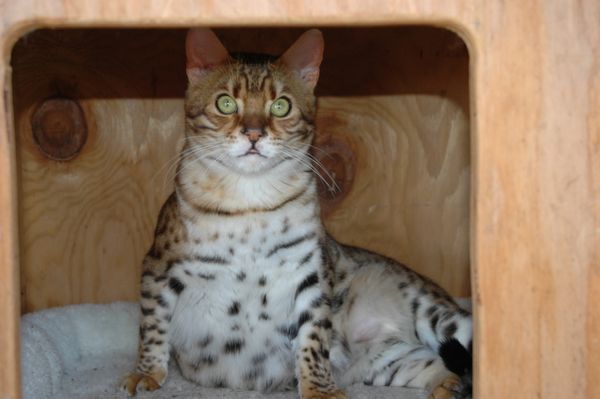
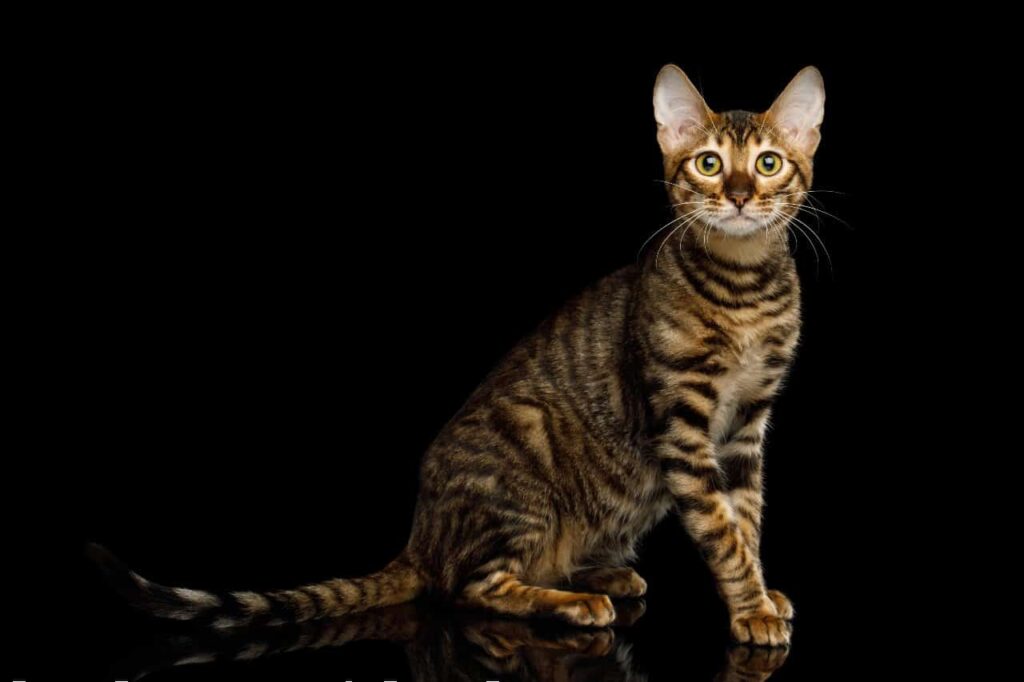
Bengal cats are known for their beautiful spotted or marbled coats that resemble wild leopards. They have a muscular build and are incredibly agile, making them active and playful pets.
Besides their appearance, Bengals are intelligent and curious. They often enjoy interactive play and can even learn tricks, which makes them quite engaging companions.
However, their high energy means they need plenty of stimulation and attention. Are you prepared to meet their physical and mental needs consistently?
Popularity And Demand
Bengal cats have grown steadily in popularity over the past decade. Their exotic look and friendly nature attract many pet owners searching for a unique feline friend.
Demand varies by location but generally remains strong in urban areas where people seek distinctive pets. This demand can influence the profitability of breeding Bengals.
Yet, popularity alone doesn’t guarantee success. You must consider the costs of health care, quality breeding practices, and finding responsible buyers who value the breed’s traits.
Credit: quality-bengal-kittens.com
Initial Investment Costs
Starting a Bengal cat breeding project involves several upfront costs. These initial investments influence the potential profits later. Understanding these costs helps prepare for the financial demands and care quality needed.
Purchasing Breeding Cats
High-quality Bengal cats with good genetics cost a lot. Price varies based on pedigree, health, and breeder reputation. Expect to pay between $1,500 and $4,000 per cat. Choosing healthy cats reduces future vet expenses. Investing in proven breeders ensures better kittens and higher sale prices.
Setting Up Proper Facilities
Proper housing is essential for Bengal cats’ wellbeing. A clean, safe, and comfortable space costs money. Setup includes:
- Spacious cages or rooms with good ventilation
- Quality bedding and litter boxes
- Heating or cooling systems for comfort
- Feeding stations and water bowls
- Cleaning supplies and storage areas
These items may cost several hundred to over a thousand dollars. Good facilities help reduce stress and illness in cats.
Breeding Process Essentials
Breeding Bengal cats can be rewarding, but it demands careful attention and knowledge. Understanding the essentials of the breeding process helps you avoid common pitfalls and ensures the health and well-being of both the mother and her kittens. Let’s dive into the key steps that set the foundation for a successful Bengal cat breeding experience.
Mating And Gestation
Timing is crucial when planning to mate your Bengal cats. Female Bengals typically come into heat every two to three weeks, so you need to monitor her cycle closely to identify the best days for mating.
Once mating occurs, the gestation period lasts about 63 to 68 days. During this time, your female cat’s behavior and nutritional needs will change significantly.
Keep an eye on her weight and appetite, and be prepared to provide a quiet, comfortable space for her to rest. Have you considered how you’ll track these changes to catch any early warning signs of complications?
Care For Pregnant Cats And Kittens
Caring for a pregnant Bengal cat means extra nutrition and gentle handling. Switch to a high-quality kitten food, which provides the extra protein and calories she needs for the growing babies.
Regular vet check-ups are essential to monitor the health of both mother and kittens. You’ll want to watch for any signs of distress or illness, such as loss of appetite or unusual behavior.
When the kittens arrive, keep the nesting area warm and quiet. Make sure you have everything ready: clean towels, a heating pad, and a scale to weigh the kittens daily. How prepared are you to handle the unexpected during those first critical days?
Health And Genetic Considerations
Breeding Bengal cats can be exciting, but health and genetic factors play a huge role in determining if it’s truly profitable. You need to prioritize your cats’ well-being to avoid costly health issues down the line. Ignoring these factors can not only reduce your profits but also affect the quality of your breeding line.
Screening For Hereditary Diseases
Genetic screening is essential before breeding Bengals. Certain hereditary diseases, like hypertrophic cardiomyopathy (HCM) and progressive retinal atrophy (PRA), are common in this breed.
By testing your cats early, you can prevent passing these conditions to kittens. Reliable breeders share health test results openly—why not follow their lead to protect your investment and reputation?
- Use DNA tests to identify carrier cats.
- Avoid breeding cats with known genetic defects.
- Keep detailed health records for each cat.
Vaccination And Veterinary Care
Keeping your Bengals vaccinated is non-negotiable if you want healthy kittens. Vaccines protect against deadly diseases like feline leukemia and distemper that can wipe out entire litters.
Regular vet check-ups help catch health problems early, saving you money and heartache. Have you scheduled your cats’ vaccinations and health exams on time?
- Follow a vet-approved vaccination schedule.
- Monitor cats closely for any signs of illness.
- Keep emergency vet contacts handy.
Proper health management isn’t just about saving money—it’s about building trust with buyers and sustaining your breeding program long-term.
Market Pricing And Sales Strategies
Setting the right price for Bengal kittens is key to making breeding profitable. Pricing affects how fast kittens sell and the type of buyers attracted. A clear sales strategy helps connect with buyers who value the breed’s unique traits. Understanding market pricing and sales channels leads to better decisions and higher returns.
Determining Kitten Prices
Kitten prices vary widely based on several factors. Age, health, and pedigree influence the price. Bengal cats with show-quality markings or champion bloodlines command higher prices. Prices also depend on local demand and breeder reputation.
Typical Bengal kitten prices range between $1,000 and $3,000. Limited editions or rare colors can go beyond this range. Offering a health guarantee or initial vaccinations can justify higher prices. Researching local and online competitor prices helps set competitive rates.
Effective Selling Channels
Choosing the right selling channels increases visibility and sales chances. Direct sales through personal websites or social media build trust and show authenticity. Reputable cat shows and breeder associations provide quality buyer leads.
- Online platforms like specialized pet marketplaces attract wide audiences.
- Local pet stores or veterinary clinics can offer referral opportunities.
- Word of mouth and repeat buyers build a loyal customer base.
Clear, honest communication and sharing detailed kitten profiles improve buyer confidence. Prompt responses and good after-sale support encourage positive reviews and referrals.
Credit: rawznaturalpetfood.com
Potential Earnings And Profit Margins
Breeding three Bengal cats can offer a chance to earn money, but understanding potential earnings and profit margins is crucial. Profit depends on many factors, such as selling price, litter size, and costs. Knowing these details helps plan and manage the breeding business effectively.
Calculating Revenue
Revenue comes from selling Bengal kittens. Prices vary by kitten quality and market demand. On average, a Bengal kitten sells for $1,000 to $2,500.
Each Bengal cat can produce one to two litters yearly. A litter typically has four to six kittens. For three cats, yearly kittens range from 12 to 36.
| Number of Cats | Litters per Year | Kittens per Litter | Total Kittens per Year | Price per Kitten | Potential Revenue |
|---|---|---|---|---|---|
| 3 | 1.5 (average) | 5 (average) | 22.5 | $1,500 | $33,750 |
This table shows a rough estimate. Actual revenue can be higher or lower.
Managing Expenses
Expenses affect the profit margin. Common costs include:
- Quality food and supplements
- Veterinary care and vaccinations
- Breeding supplies and equipment
- Registration and documentation fees
- Unexpected health issues
On average, expenses per cat can range from $1,000 to $2,000 annually. For three cats, expect $3,000 to $6,000 yearly.
Good care reduces health risks and improves kitten quality. This can increase selling price and demand.
Legal And Ethical Factors
Breeding Bengal cats requires following laws about animal care and sales. Ethical breeding means keeping cats healthy and happy, not just making money. Respecting these rules helps ensure responsible and safe breeding practices.
Breeding Bengal cats can be a rewarding venture, but understanding the legal and ethical factors involved is crucial. Legal obligations and ethical considerations ensure the well-being of the cats and the credibility of your breeding practice. Let’s explore the key aspects you need to consider to run a responsible and profitable breeding business.Licensing And Regulations
Before starting your breeding journey, research the licensing requirements in your area. Many regions mandate specific permits for breeding animals, which might involve inspections of your facilities. Neglecting these regulations can lead to hefty fines or legal action. Always check with your local animal control or regulatory body to stay compliant.Animal Welfare Responsibilities
Your primary responsibility is the well-being of your Bengal cats. Ensure they have a healthy environment, proper nutrition, and regular veterinary care. Think about how you would feel if your cats were treated unfairly. Would you want them living in cramped, unclean conditions? Implementing ethical breeding practices not only benefits the cats but also enhances your reputation as a breeder. Happy, healthy cats often mean satisfied customers and positive word-of-mouth for your business. These responsibilities might seem overwhelming, but they are essential for a successful and ethical breeding operation. Are you ready to take on this rewarding challenge with the care it deserves?Challenges In Bengal Cat Breeding
Breeding Bengal cats can seem like a promising venture, but it comes with its own set of challenges that can affect your success and profitability. The process requires more than just pairing cats and waiting for kittens. You need to be prepared for health issues, market dynamics, and breeding complexities that demand attention and resources.
Common Breeding Issues
Bengal cats are generally healthy, but breeding them isn’t without risks. You might face genetic disorders like hypertrophic cardiomyopathy or progressive retinal atrophy. These conditions require careful screening and sometimes specialized veterinary care, which can add to your costs.
Another challenge is ensuring proper mating. Bengals can be temperamental, and not all pairs will breed successfully on the first try. You may need to manage behavioral issues or even involve a vet for artificial insemination in difficult cases.
Are you ready to invest the time and money needed for health testing and managing breeding difficulties? Ignoring these issues can lead to poor litter quality and financial losses.
Market Competition
The Bengal cat market is competitive. You’ll find many breeders offering similar kittens, so standing out is tough. Pricing your kittens too high can scare buyers away, but pricing them too low may hurt your profit margins.
Building a reputation for healthy, well-socialized Bengals can take years. You need to invest in marketing, social media presence, and customer trust. Have you considered how you will differentiate your Bengal kittens from others in the market?
Also, the demand for Bengals can fluctuate with trends and economic shifts. Being prepared for slower sales periods will help you maintain stability in your breeding business.
Tips For Successful Breeding
Breeding three Bengal cats can be profitable with proper care and planning. Focus on health, genetics, and finding good buyers to ensure success. Understanding costs and market demand helps avoid losses and maximize gains.
Breeding Bengal cats can be a rewarding venture, both emotionally and financially. However, to ensure success, it’s crucial to approach the task with a well-thought-out strategy. Here are some tips to guide you through the process, helping you navigate the complexities of breeding these beautiful felines.Building Reputation
Your reputation is your most valuable asset in the breeding world. Ensure your Bengal cats are well-cared for, healthy, and raised in a loving environment. Document every aspect of your breeding process, including health checks and lineage details. Transparency builds trust and sets you apart from other breeders. Engage with your community by sharing your experiences and insights. A personal story about a challenge you overcame can resonate with potential buyers and other breeders.Networking With Buyers And Breeders
Networking is crucial for finding the right homes for your cats and learning from others in the field. Attend cat shows and join online forums dedicated to Bengal cats. Create connections with other breeders who can offer advice and potential breeding opportunities. Don’t hesitate to reach out to potential buyers through social media platforms. Ask yourself: What makes your Bengals unique? Highlight these features when communicating with interested parties. Building a strong network can lead to word-of-mouth recommendations, ensuring your breeding efforts are both sustainable and profitable.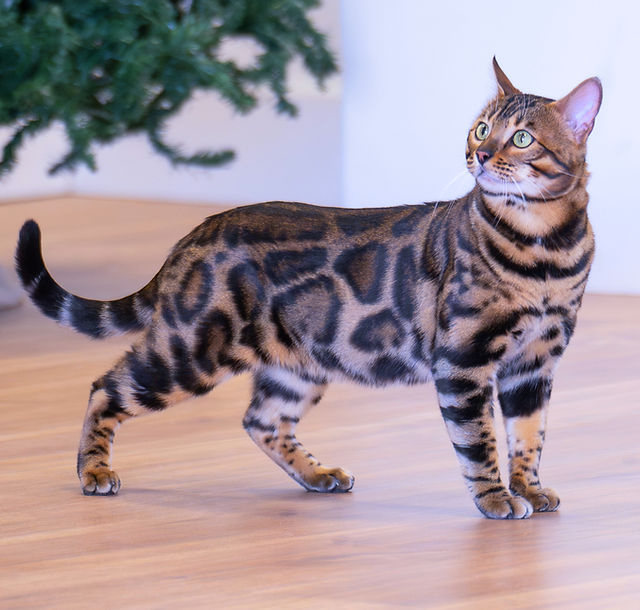
Credit: www.amarillobengals.com
Frequently Asked Questions
Is Breeding 3 Bengal Cats Financially Profitable?
Breeding 3 Bengal cats can be profitable if managed well. Costs like vet care and feeding must be controlled. High demand and proper marketing increase profit chances. However, expenses often reduce earnings, so careful planning is essential for profitability.
What Are The Main Costs Of Bengal Cat Breeding?
Main costs include health check-ups, vaccinations, quality food, and breeding supplies. Registration and genetic testing add expenses. Unexpected vet bills can also occur. Budgeting for these costs is crucial to avoid losses when breeding Bengal cats.
How Long Does It Take To See Profits From Bengal Cat Breeding?
Profit timelines vary but usually take 6 to 12 months. This includes mating, pregnancy, and selling kittens. Delays in sales or health issues can extend this period. Patience and good management help achieve profits faster.
What Factors Affect Bengal Cat Breeding Profitability?
Factors include breeding pair quality, kitten health, and market demand. Proper care and socialization increase kitten value. Marketing skills and breeder reputation also impact sales prices. Managing expenses effectively boosts overall profitability.
Conclusion
Breeding three Bengal cats can bring profits with proper care and effort. Costs for health, food, and space must be considered. Success depends on knowledge of the breed and market demand. Patience and responsibility play key roles in this venture.
Not everyone will find it easy or quick to earn money. Still, with hard work, it can be a rewarding activity. Think about your time, costs, and passion before starting. This helps ensure a better chance of making breeding Bengal cats profitable.


Leave a Reply