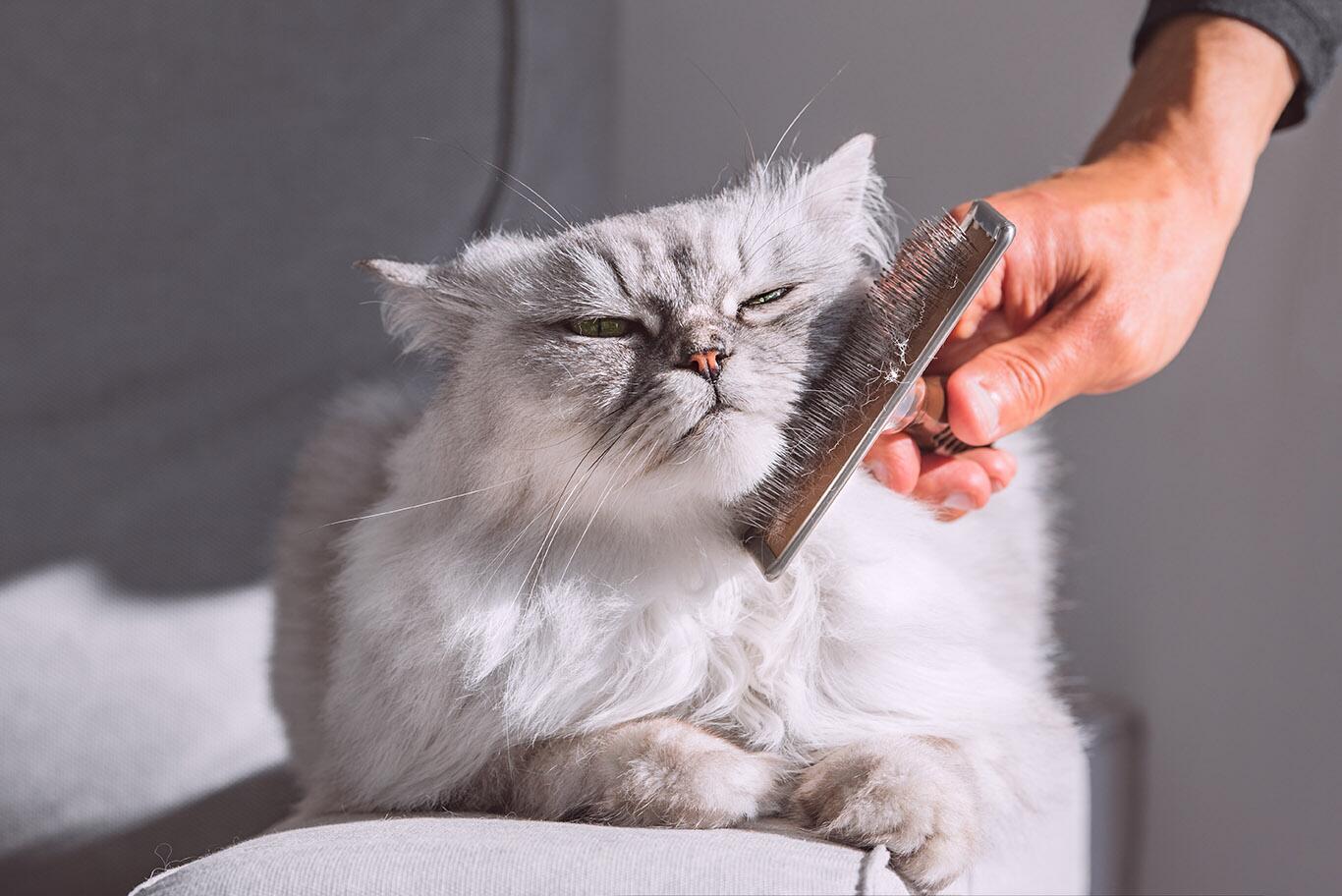
If you have a long-haired cat, you might wonder if grooming is really necessary. You love your furry friend, but dealing with mats, tangles, and shedding can feel overwhelming.
What if grooming could make your cat happier and healthier? Understanding why and how to groom your long-haired cat can save you time, keep your home cleaner, and strengthen the bond you share. Keep reading to discover the simple steps you can take to keep your cat’s coat beautiful and comfortable every day.
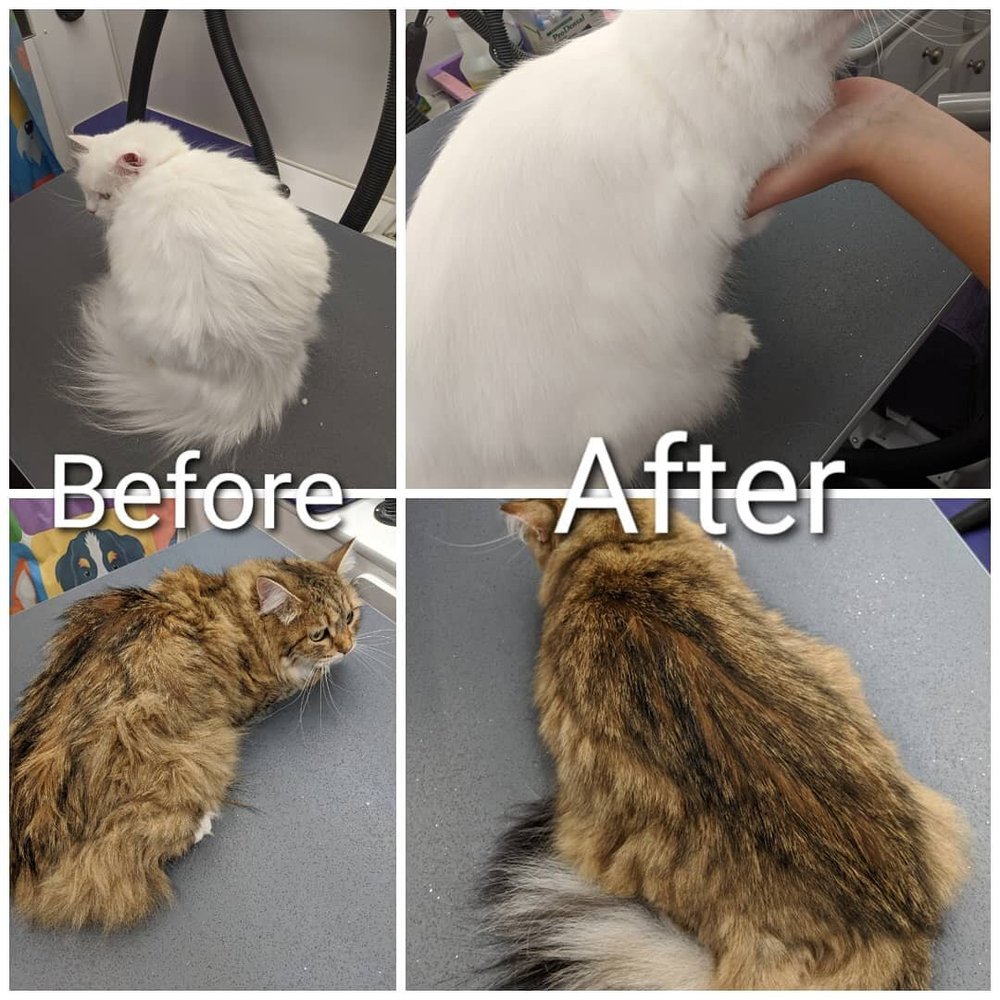
Credit: www.squeakycleangrooming.com
Benefits Of Grooming Long Hair Cats
Grooming long hair cats isn’t just about keeping them looking beautiful. It plays a crucial role in their overall health and comfort. Regular grooming sessions can save you and your feline friend from many common problems that arise with long fur.
Preventing Matting And Tangles
Mats and tangles can cause your cat significant discomfort. They pull on the skin, creating painful spots and sometimes even leading to skin infections. By brushing your cat regularly, you keep their fur smooth and free of knots.
Think about the last time you had to untangle a stubborn knot in your hair. It’s uncomfortable and time-consuming. Your cat feels the same, so preventing mats means a happier, more relaxed pet.
Reducing Shedding And Hairballs
Long-haired cats shed more than their short-haired counterparts. Grooming helps remove loose fur before your cat swallows it while cleaning itself. This reduces the chances of hairballs forming in their stomach.
Less shedding also means less fur on your furniture and clothes. Wouldn’t you prefer your cat’s beautiful coat on them, rather than scattered around your home?
Maintaining Skin Health
Grooming stimulates your cat’s skin, encouraging healthy oil production. This natural oil keeps their coat shiny and prevents dryness or flakiness. Plus, while grooming, you can check for any unusual bumps, parasites, or skin issues early.
Have you ever noticed how cats seem to enjoy being brushed? It’s not just about looks—it’s a chance for you to bond and keep a close eye on their health. Regular grooming is a simple way to ensure your cat stays comfortable and healthy every day.
Grooming Tools For Long Hair Cats
Long hair cats need special grooming tools for their thick, tangled fur. The right tools make grooming easier and more comfortable. They help prevent mats and keep your cat’s coat healthy and shiny.
Types Of Brushes And Combs
Choose brushes and combs designed for long hair cats. Slicker brushes remove loose hair and untangle knots. Wide-tooth combs help gently detangle matted fur without pulling. Pin brushes work well for daily grooming and spreading natural oils.
- Slicker brush: removes mats and loose hair
- Wide-tooth comb: detangles without pain
- Pin brush: smooths coat and spreads oils
Clippers And Scissors
Clippers help trim thick fur safely. Use quiet, pet-friendly clippers to avoid scaring your cat. Scissors are useful for precise trimming around sensitive areas like paws and face. Rounded tip scissors reduce the risk of injury.
- Quiet clippers: safe and stress-free trimming
- Rounded tip scissors: safe for delicate spots
- Regular trimming: prevents mats and tangles
Choosing The Right Products
Select grooming products made for cats with long hair. Use gentle shampoos that clean without drying skin. Conditioners help soften fur and make brushing easier. Avoid products with harsh chemicals or strong scents.
- Gentle shampoo: cleans without irritation
- Conditioner: softens and detangles fur
- Cat-safe formulas: protect sensitive skin
How Often To Groom
Knowing how often to groom your long-haired cat helps keep its coat healthy. Grooming prevents mats, reduces shedding, and keeps skin clean. The frequency depends on your cat’s hair type, activity, and environment. Regular checks help decide the best grooming schedule.
Daily Vs Weekly Grooming
Daily grooming works well for cats with very long or thick fur. It stops tangles and mats before they form. A quick brush each day keeps fur soft and shiny. Weekly grooming suits cats with medium-long fur or less active cats. It helps remove loose hair and dirt. Choose daily or weekly based on your cat’s coat and comfort.
Signs Your Cat Needs Grooming
- Fur looks tangled or matted.
- Excessive shedding around your home.
- Cat scratches or bites at its fur often.
- Skin appears dry, flaky, or irritated.
- Cat resists grooming or cleaning itself.
- Dull or greasy coat texture.
Spotting these signs early helps prevent bigger problems. Groom your cat promptly to keep it happy and healthy.

Credit: www.reddit.com
Step-by-step Grooming Process
Long-haired cats need regular grooming to prevent mats and tangles. Begin by gently brushing their fur, then trim any knotted areas carefully. Finish with a gentle wipe of the face and ears to keep them clean and comfortable.
Long-haired cats require regular grooming to maintain their beautiful coats. Proper grooming keeps their fur healthy and reduces the risk of matting. Follow this step-by-step process to ensure your feline friend stays comfortable and clean.Preparing Your Cat
Create a calm environment. Choose a quiet room with minimal distractions. Gather grooming tools like brushes, combs, and clippers. Have treats ready to reward your cat. Speak softly to keep them relaxed.Brushing Techniques
Brush daily to prevent tangles. Use a wide-toothed comb for knots. Start from the head and move to the tail. Be gentle around sensitive areas like the belly and tail. Regular brushing reduces shedding and hairballs.Bathing Tips
Bathe your cat only if necessary. Use cat-specific shampoo for safety. Fill a shallow tub with warm water. Wet the fur thoroughly, avoiding the face. Apply shampoo and rinse well. Dry with a soft towel.Trimming And Nail Care
Trim fur around the ears and paws. Use blunt scissors for safety. Check nails every two weeks. Use a cat nail clipper to trim carefully. Avoid cutting too close to the quick. Regular trimming prevents scratches and injuries.Common Grooming Challenges
Grooming long-haired cats can be a tough task for many pet owners. Their thick fur often causes knots and mats that need regular care. Cats may not enjoy the grooming process, making it harder for owners to keep their coats healthy. Understanding common grooming challenges helps keep your cat comfortable and clean.
Dealing With Resistant Cats
Some cats dislike brushing or bathing. They may scratch or try to escape. Patience and calm tones help ease their stress. Use gentle movements and short grooming sessions. Offering treats can create a positive experience. Never force grooming; it can cause fear or aggression.
Handling Mats And Tangles Safely
Mats form when fur twists and sticks together. They can hurt your cat if pulled too hard. Use a wide-tooth comb to gently work through tangles. Hold the fur close to the skin to avoid pulling. For stubborn mats, try using a detangling spray made for cats. Avoid cutting mats yourself; it can lead to injury.
When To Seek Professional Help
Some mats become too tight or large for home care. Cats with sensitive skin or health issues may need expert grooming. Professional groomers have tools and experience to handle tough cases. Regular grooming appointments prevent serious matting. Consult your vet if grooming causes stress or skin problems.
Health Benefits Beyond Appearance
Grooming your long-haired cat isn’t just about keeping their fur shiny and tangle-free. It plays a crucial role in their overall health and well-being. Paying attention to grooming can help you catch potential health issues early, improve your cat’s comfort, and even strengthen the bond you share.
Detecting Skin Problems Early
Regular grooming sessions give you a chance to closely inspect your cat’s skin. You can spot redness, bumps, or unusual lumps before they turn into serious problems. Early detection of skin infections or parasites like fleas can save your cat from discomfort and costly vet visits.
Have you ever noticed your cat scratching more than usual? Grooming helps uncover hidden irritations or wounds that might be causing this behavior. Catching these signs early means you can act quickly and keep your cat healthy.
Improving Comfort And Mobility
Long hair can easily mat and tangle, pulling on your cat’s skin and causing pain. Mats can restrict movement and make your cat less active. Regular grooming removes these tangles, allowing your cat to move freely and feel comfortable again.
Think about how you feel wearing tight, itchy clothes all day. Your cat experiences something similar with matted fur. By grooming, you help your cat avoid unnecessary stress and maintain their natural agility.
Enhancing Bonding Time
Grooming is a wonderful opportunity to deepen your connection with your cat. It’s a quiet time where your cat feels safe and cared for. Many cats learn to enjoy brushing, turning it into a relaxing and enjoyable experience for both of you.
Have you noticed how your cat purrs or nudges you during grooming? Those moments build trust and affection. By making grooming a positive routine, you create lasting memories and a stronger relationship with your furry friend.

Credit: meowcove.com
Frequently Asked Questions
Why Do Long Hair Cats Need Regular Grooming?
Long hair cats require grooming to prevent mats and tangles. Grooming also reduces shedding and hairballs. It keeps their coat healthy and clean. Regular grooming helps detect skin issues early. It improves the cat’s comfort and overall hygiene.
How Often Should Long Hair Cats Be Groomed?
Long hair cats should be groomed at least 3-4 times weekly. Daily grooming is ideal during shedding seasons. Regular brushing prevents mats and reduces hairballs. It also keeps the coat shiny and soft. Consistent grooming supports the cat’s skin health.
Can Grooming Reduce Hairballs In Long Hair Cats?
Yes, grooming significantly reduces hairballs. Brushing removes loose fur before the cat swallows it. This prevents fur accumulation in the stomach. Regular grooming also promotes a healthy coat. It decreases the frequency of hairball-related issues.
What Tools Are Best For Grooming Long Hair Cats?
Use a wide-toothed comb and slicker brush for long hair cats. These tools detangle knots gently and remove loose hair. A metal comb can help with stubborn mats. Choose grooming tools that suit your cat’s coat type. Regular tool cleaning is important for hygiene.
Conclusion
Long hair cats need regular grooming to stay healthy and happy. Grooming helps prevent mats and keeps their coat soft. It also reduces shedding and hairballs. Cats enjoy gentle brushing, which builds trust and comfort. Skipping grooming can cause skin problems and discomfort.
Make grooming a calm and fun time for your cat. Regular care supports their well-being and beauty. Keep your long-haired cat looking and feeling great with simple grooming habits. Easy to do, good for your cat.


Leave a Reply