Have you ever noticed your cat growling while playing with their favorite toy and wondered why? It can be surprising, even a little worrying, to hear those low sounds coming from your playful pet.
But don’t jump to conclusions just yet. Understanding why your cat growls during play can help you connect better with them and ensure their playtime stays fun and safe. Keep reading to discover the reasons behind this curious behavior and what it means for your furry friend.
Common Cat Growling Sounds
Cats use growling sounds to express different feelings while playing with toys. Understanding these sounds helps you know what your cat feels. Growling during play can mean excitement, frustration, or warning. Recognizing common growling sounds gives insight into your cat’s mood.
Different Types Of Growls
Cats make various growling sounds during play. Each sound tells a different story.
- Low growl:A deep, quiet growl shows mild irritation or focus.
- Short growl:A quick growl means surprise or slight annoyance.
- Long growl:A drawn-out growl signals strong displeasure or warning.
- Mixed growl:Growls combined with hisses or meows show mixed emotions.
When Growling Is Normal
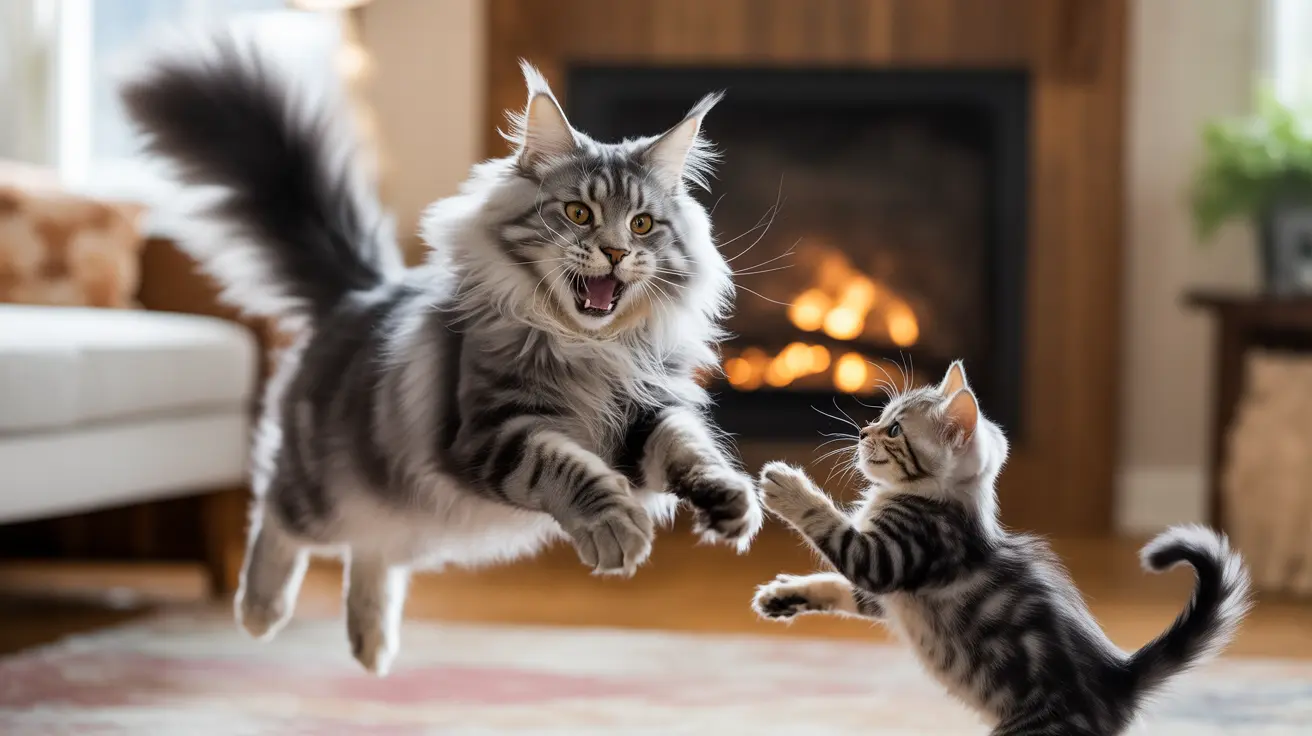
Growling is normal during active play or hunting practice. It helps cats release energy and stay alert. Play growling often comes with tail flicks and quick movements. It rarely means real aggression if your cat returns to playing happily. Watch for signs like raised fur or biting to know when growling means stress.
Credit: www.petscare.com
Cats’ Play Behavior
Cats’ play behavior is a mix of fun and natural instincts. Play helps cats practice skills needed for hunting and survival. It also keeps them active and mentally sharp.
Understanding why cats growl during play reveals how deeply their wild nature influences them. Their actions show instincts rather than anger or fear.
Hunting Instincts In Play
Cats use play to mimic hunting. They chase, pounce, and bite toys just like prey. This behavior helps them stay alert and ready.
Even indoor cats carry strong hunting drives. Toys act as targets to satisfy these natural urges. Playtime is practice for real-life hunting skills.
Growling can happen during intense moments of play. It signals focus and excitement. Your cat might sound fierce but is actually enjoying the game.
Role Of Vocalizations
Vocal sounds like growls, chirps, and meows add meaning to play. Growling often means concentration or mild frustration. It is not always a warning.
Some cats use growls to express excitement or to scare off their “prey.” These sounds help them communicate emotions during play sessions.
Listening to your cat’s sounds gives clues about their mood. Growling while playing usually shows engagement, not aggression. It is part of their natural behavior.
Reasons Behind Growling While Playing
Cats use growling to express different feelings during play. This sound might seem strange during fun moments. Understanding why cats growl helps in knowing their mood and needs. Growling is a way cats communicate excitement, frustration, or protectiveness. Observing your cat’s behavior can reveal the reason behind the growling.
Excitement And Overstimulation
Playing can make cats very excited. Growling sometimes shows high energy and focus. When a cat chases a toy, it might growl from excitement. Overstimulation happens if play lasts too long. The cat’s body reacts with sounds like growling to release energy.
Territorial Feelings
Cats feel protective about their toys and space. Growling warns others to stay away. This behavior shows the cat’s need to guard its play area. Territorial growling means the cat views the toy as its possession. This is normal in multi-cat homes or busy environments.
Frustration Or Annoyance
Sometimes, a cat growls out of frustration. The toy might be hard to catch or move. This can cause the cat to feel annoyed. Growling signals that the cat wants to stop or change the game. Watching for this helps keep playtime fun and stress-free.
Credit: www.chewy.com
Emotional Signals In Cat Growls
Cats express a lot through their growls. These sounds carry emotional messages. A growl might mean they’re feeling playful, anxious, or even defensive. Understanding these signals helps in building a better bond with your cat. Recognizing the difference in growls can improve playtime experiences.
Warning Signs To Watch
Watch for changes in your cat’s growl intensity. A soft growl during play might signal excitement. A louder, more intense growl could indicate discomfort or stress. Notice if your cat’s ears flatten or if their tail swishes aggressively. These are signs of a potential shift in mood.
Distinguishing Play From Aggression
Playful growls are often lower in pitch. They come with relaxed body language. Aggressive growls are deeper, and your cat’s body may become tense. Observe your cat’s eyes. Wide eyes with dilated pupils can suggest overstimulation. Recognizing these cues can prevent unwanted aggression.
How To Respond To Growling During Play
Responding to your cat’s growling during play can feel confusing. Is your furry friend upset, or is this just part of their playful nature? Understanding how to react can help you keep playtime fun and safe for both of you.
Adjusting Playtime Techniques
Notice how your cat reacts to different types of play. If growling happens when you use fast, erratic movements, try slowing down your actions. Cats often prefer a more controlled pace that mimics natural hunting without overwhelming them.
Try switching from using your hands to toys like wands or feathers. This keeps a safe distance and reduces the chance of accidental scratches or bites. Have you tried letting your cat initiate the chase? It can make them feel more in control and less defensive.
Choosing Appropriate Toys
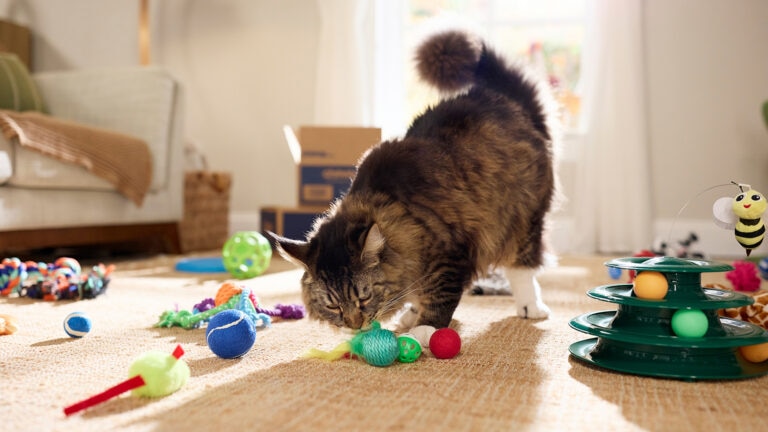
Not all toys are equal in your cat’s eyes. Some cats growl because a toy feels too aggressive or threatening. Soft, plush toys or interactive puzzle feeders might be less likely to trigger growling than noisy or sharp-edged toys.
Pay attention to your cat’s preferences and switch toys accordingly. You might find that a simple crinkly ball is more enjoyable than a motorized mouse. What kinds of toys does your cat seem to prefer? Keep a variety on hand to see what sparks the best reactions.
Recognizing When To Stop
Growling is your cat’s way of communicating discomfort or overstimulation. If the growling escalates or is accompanied by hissing or swatting, it’s time to pause. Ignoring these signals can lead to stress or even aggression.
Observe your cat’s body language carefully. Signs like flattened ears, dilated pupils, or a twitching tail indicate they need a break. Respecting these limits builds trust and keeps playtime enjoyable for both of you.
Health Issues That Cause Growling
Growling during play may signal underlying health issues in cats. Understanding these health problems helps protect your pet’s well-being. Cats often hide pain or stress, but growling can be a clear sign something is wrong. Observing your cat’s behavior closely can reveal important clues.
Pain And Discomfort
Pain can cause a cat to growl while playing. Injuries, arthritis, or dental problems create discomfort. Even small aches make your cat less tolerant of touch or movement. Toys might hit a sore spot, triggering growls. Watch for other signs like limping or avoiding activity. A vet visit can diagnose and treat pain effectively.
Stress And Anxiety Factors
Stress often leads to unusual growling during play. Changes in the home, loud noises, or new pets increase anxiety. An anxious cat may react defensively, even with favorite toys. Stress lowers their tolerance for interaction. Creating a calm environment and routine helps reduce anxiety. Sometimes, professional advice is necessary to manage stress properly.
Preventing Negative Play Growls
Negative growling during play can signal that your cat feels stressed or overwhelmed. Preventing these growls helps make playtime enjoyable and safe for both of you. Understanding how to create a positive play environment and keeping your cat engaged regularly can reduce frustration and encourage healthy interaction.
Creating A Safe Play Environment
Your cat needs a space where it feels secure and free from sudden interruptions. Choose a quiet room without loud noises or sudden movements that might startle your cat. Remove fragile items and anything that could harm your cat if it gets overly excited.
Use toys that match your cat’s energy level and preferences—soft plush toys for gentle players or feather wands for active hunters. Watch your cat’s body language closely. If you notice stiffening or ears flattening, pause the game to let your cat calm down.
Regular Interaction And Stimulation
Daily play sessions help your cat release energy in a controlled way. Aim for short, frequent playtimes rather than long, exhausting ones. This keeps your cat interested without causing frustration.
Vary the types of toys to keep your cat curious and mentally stimulated. Puzzle feeders, interactive toys, or even simple household items like paper balls can add variety. Have you noticed how your cat reacts to different toys? Tailor play to what excites them most.

Credit: www.reddit.com
Frequently Asked Questions
Why Does My Cat Growl During Playtime?
Cats may growl while playing to show excitement or assertiveness. It’s a natural way to express emotions and simulate hunting behavior.
Is Growling A Sign Of Aggression In Cats?
Not always. Growling can indicate mild irritation or overstimulation, but it’s often part of playful communication among cats.
How Can I Stop My Cat From Growling At Toys?
Use gentle play and avoid sudden movements. Offer interactive toys and take breaks if your cat seems stressed.
Does Growling Mean My Cat Is Unhappy With The Toy?
Sometimes. Growling can mean the toy is too rough or overstimulating. Try softer or different types of toys.
Conclusion
Cats growl while playing to show excitement or slight frustration. It is a natural way they express feelings. Watching your cat’s body language helps understand their mood. Growling does not always mean anger or danger. It can mean your cat is very focused on the toy.
Giving your cat safe and fun toys keeps playtime happy. Pay attention to their signals to keep them comfortable. Play is important for your cat’s health and happiness. Enjoy these moments; they build a stronger bond between you and your pet.

Leave a Reply