Are you wondering when it’s the right time to switch your kitten from baby food to adult cat food? Feeding your furry friend the right diet is key to their health and happiness.
Too soon, and they might miss out on important nutrients; too late, and they could gain unwanted weight or digestive issues. You’ll discover the exact signs to watch for, expert tips to make the transition smooth, and how to keep your cat thriving at every stage.
Keep reading to give your kitten the best start toward a long, healthy life.
Kittens’ Nutritional Needs
Your kitten’s nutritional needs are unique and crucial for their healthy development. Feeding them the right food at the right time supports their growth, energy levels, and immune system. Understanding these needs helps you decide when to switch from kitten food to adult cat food without compromising their health.
Growth Stages And Diet
Kittens grow rapidly, especially in the first six months. Their diet must match these growth stages to provide enough calories and nutrients. Young kittens need more protein and fat than adult cats to fuel their developing bodies and brains.
As they approach one year, their growth rate slows, and their energy needs decrease. Transitioning to adult cat food usually happens around 10 to 12 months, but watch your kitten’s size, activity, and weight. Are they still growing quickly, or have they reached a steady weight? This can guide your timing.
Key Nutrients For Kittens
Kittens need specific nutrients in higher amounts than adult cats. Protein supports muscle growth, while fats provide energy and help absorb vitamins. Essential fatty acids like DHA are vital for brain and eye development.
- Protein:At least 30% of their diet to build muscles and tissues.
- Fat:Around 15-20% for energy and healthy skin.
- Calcium and Phosphorus:For strong bones and teeth.
- DHA:Supports cognitive function and vision.
- Vitamins and Minerals:Boost immune health and overall vitality.
Have you noticed how your kitten’s appetite and energy levels change as they grow? Adjusting their food to meet these needs ensures they stay strong and playful. Ignoring these key nutrients can lead to health issues later on.
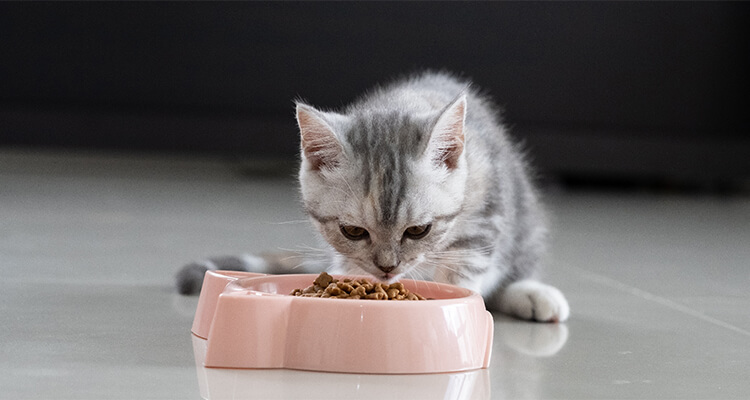
Credit: www.whiskas.co.uk
Differences Between Kitten And Adult Food
Understanding the differences between kitten and adult cat food helps you decide the right time to switch your furry friend’s diet. Kitten food is specially made to support their rapid growth and high energy needs. Adult cat food, on the other hand, focuses on maintenance and overall health once growth slows down.
Calorie Content
Kitten food contains more calories per serving compared to adult cat food. Growing kittens burn a lot of energy, so they need this extra fuel to stay active and develop properly.
Adult cat food has fewer calories to prevent weight gain since adult cats are generally less active. If you feed an adult cat too many calories, it can lead to obesity and health problems.
Protein And Fat Levels
Protein and fat are crucial for kittens because they help build muscles and support brain development. Kitten food usually contains higher levels of both to meet these needs.
Adult cat food has moderate amounts of protein and fat to maintain healthy body weight and muscle mass without overloading the cat’s system. Have you noticed how your kitten’s energy changes as they grow? Their diet should match those changes.
Vitamins And Minerals
Vitamins like A, D, and E, along with minerals such as calcium and phosphorus, are in higher amounts in kitten food. These nutrients support bone growth, vision, and immune health.
Adult cat food balances these vitamins and minerals to prevent excess intake, which can be harmful over time. Paying attention to these differences ensures your cat gets exactly what it needs at each stage.
Signs To Switch To Adult Food
Knowing when to switch kittens from their special kitten food to adult cat food matters. The change supports their growth and health. Watching for key signs helps make the switch at the right time. These signs include age, physical growth, and changes in behavior.
Age Milestones
Kittens usually start eating adult food around 9 to 12 months old. At this age, their growth slows down. Their nutritional needs shift from rapid growth to maintenance. Some cats may need adult food earlier or later. Breed and size can affect the timing.
Physical Development Indicators
- Teeth: All adult teeth have grown in fully.
- Weight: The kitten reaches about 80-90% of its adult weight.
- Body Shape: Muscles develop, and the kitten looks less round.
- Energy Levels: Activity becomes steadier, less hyperactive bursts.
Behavioral Changes
Kittens start to eat less often but in larger amounts.
They show less playful kitten behavior and more calmness.
They may show interest in adult cat food texture and taste.
These signs show readiness for the nutrient balance in adult food.
How To Transition Diets Safely
Kittens usually switch to adult cat food around one year old. Gradually mix adult food with kitten food over a week. This helps avoid stomach upset and lets cats adjust smoothly.
Transitioning your kittens from kitten food to adult cat food is a significant step in their development. It requires careful planning and attention to ensure their health and well-being. The change is necessary as your kittens’ nutritional needs evolve, but how can you make this transition as smooth as possible?Gradual Mixing Techniques
Start by mixing a small amount of adult cat food with your kitten’s regular food. Gradually increase the proportion of adult food over a week or two. This slow change helps your kitten’s digestive system adjust without causing any discomfort or upset. Some kittens may be more resistant to new food. If your kitten is hesitant, try adding a bit of warm water to the mixture to make it more palatable. This approach can help encourage them to try the new food.Monitoring Digestive Health
Keep an eye on your kitten’s stool during the transition. Changes in consistency or frequency can indicate digestive issues. If you notice any diarrhea or constipation, slow down the transition process. Maintaining regular vet check-ups can also help ensure your kitten is adjusting well. Your vet can provide personalized advice and identify any potential health concerns early on.Adjusting Portions
As you transition to adult cat food, you’ll need to adjust portion sizes. Adult cat food is typically more calorie-dense, so your kitten may need less of it. Observe your kitten’s weight and energy levels. If they seem to be gaining too much weight or losing energy, you might need to tweak portion sizes. Keeping a feeding schedule can help you manage portions effectively. Set specific meal times to prevent overfeeding and maintain your kitten’s health.Potential Risks Of Early Or Late Switching
Switching your kitten to adult cat food at the right time is more important than you might think. Doing it too early or too late can cause several issues that affect your cat’s health and well-being. Understanding these risks helps you make better decisions for your furry friend.
Nutritional Deficiencies
Kittens need more calories, protein, and specific nutrients to grow strong and healthy. If you switch to adult cat food too early, your kitten might miss out on essential vitamins and minerals. This can lead to weak bones, poor muscle development, and a weaker immune system.
On the other hand, delaying the switch too long means your cat may get excess nutrients that are unnecessary for adults. This imbalance can cause problems like obesity or kidney strain over time. Are you paying close attention to your cat’s nutritional needs as they grow?
Weight Management Issues
Feeding adult food too soon can cause your kitten to miss out on the calories it needs to grow properly. This might stunt their growth and leave them underweight. Conversely, waiting too long to switch might lead to overeating and weight gain because kitten food is richer and higher in calories.
Weight issues can affect your cat’s energy levels and overall health. You want your cat to have a healthy weight that supports an active lifestyle. Have you noticed changes in your cat’s weight or energy when you changed their diet?
Digestive Problems
Kittens have sensitive digestive systems that adapt as they mature. Switching foods abruptly or at the wrong time can cause upset stomachs, diarrhea, or constipation. Their bodies need time to adjust to different nutrient levels and food textures.
Introducing adult food too early can overwhelm their system, while switching too late can cause digestive discomfort when the transition finally happens. Gradual changes help avoid these problems and keep your cat comfortable. How do you manage food changes to keep your cat’s digestion smooth?
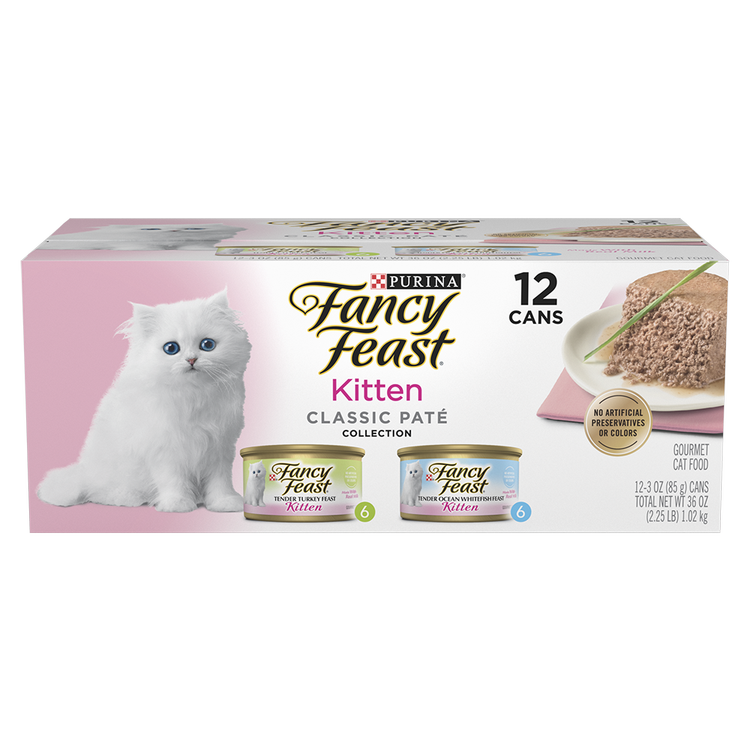
Credit: www.purina.com
Consulting Veterinarians For Guidance
Choosing the right time to switch kittens to adult cat food is important. Veterinarians offer expert advice tailored to each kitten’s needs. Their guidance helps avoid nutrition problems and supports healthy growth. Consulting a vet ensures your kitten’s diet matches their development stage and health status.
Personalized Feeding Plans
Vets create feeding plans based on your kitten’s weight, age, and health. They consider breed and activity level too. This personalized approach helps meet specific nutritional needs. It also prevents underfeeding or overfeeding. Following a vet’s plan supports smooth transitions to adult food.
Regular Health Check-ups
Routine vet visits track your kitten’s growth and health. These check-ups reveal if diet changes suit their condition. Vets can spot early signs of health issues. Adjusting food types or amounts keeps your kitten strong and healthy. Regular monitoring is key to a balanced diet and good well-being.

Credit: www.tippaws.com
Frequently Asked Questions
When Should Kittens Transition To Adult Cat Food?
Kittens should switch to adult cat food around 12 months old. This age marks the end of their rapid growth phase. Adult food meets their changing nutritional needs. Gradual transition over 7-10 days helps avoid digestive issues.
What Signs Indicate Kittens Need Adult Cat Food?
Signs include slowed growth, decreased activity, and less playful behavior. Kittens also start eating less kitten-specific food. These changes show they need adult nutrition for maintenance, not growth.
Can Kittens Eat Adult Cat Food Earlier?
It’s best to wait until 12 months. Feeding adult food too early may lack essential nutrients. This can affect growth and immune health. Always consult a vet before changing diet early.
How To Switch Kittens To Adult Cat Food Safely?
Mix adult food with kitten food gradually over 7-10 days. Increase adult food portion daily. This helps the kitten’s digestive system adjust smoothly. Monitor for any stomach upset during transition.
Conclusion
Kittens grow fast and need special food at first. Around one year old, they can switch to adult cat food. Watch your kitten’s size, energy, and health closely. Gradually change their food to avoid stomach upset. Good nutrition helps your cat live a long, healthy life.
Feeding the right food at the right time shows you care. Keep checking with your vet for the best advice. This simple step helps your kitten become a strong adult cat.


Leave a Reply