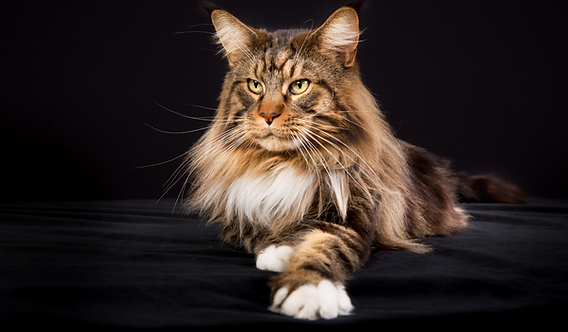
Are you curious about when your long-haired cat will grow that beautiful, flowing coat? Understanding when long-haired cat breeds develop their signature fur can help you care for your pet better and appreciate their unique charm even more.
Whether you just brought home a fluffy kitten or are thinking about adopting one, knowing the timeline of their hair growth will keep you prepared for the changes ahead. Keep reading to discover exactly when your long-haired feline friend will get their full, luxurious mane.
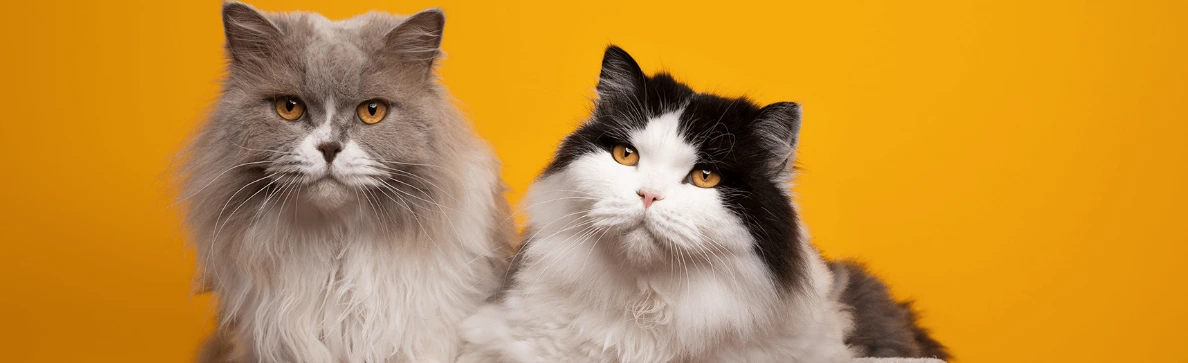
Credit: britishlonghaircat.info
Cat Fur Development Timeline
The journey of a long-haired cat’s fur from birth to adulthood is fascinating and full of subtle changes. Understanding this timeline can help you anticipate when your cat will develop that luxurious coat you admire. It also allows you to provide the right care at each stage to keep your feline friend comfortable and healthy.
Kitten Fur At Birth
When long-haired kittens are born, their fur is often soft and short, lacking the full length and thickness you’ll see later. This initial coat is called the “baby coat,” designed to keep them warm but not yet fully developed. You might notice some fuzziness, but the true length and texture are still hidden beneath.
Early Fur Changes
As your kitten grows, usually around 6 to 12 weeks, you’ll see their fur start to change noticeably. The baby coat begins to shed, making way for a thicker, fluffier undercoat. This phase can come with mild shedding and sometimes even a slight change in color or pattern as the adult fur pushes through.
Transition To Adult Coat
The full adult coat usually appears between 6 months and 2 years, depending on the breed. During this transition, your cat’s fur becomes longer, denser, and more defined in texture. Regular grooming becomes crucial now to prevent mats and tangles, especially with breeds like Persians or Maine Coons.
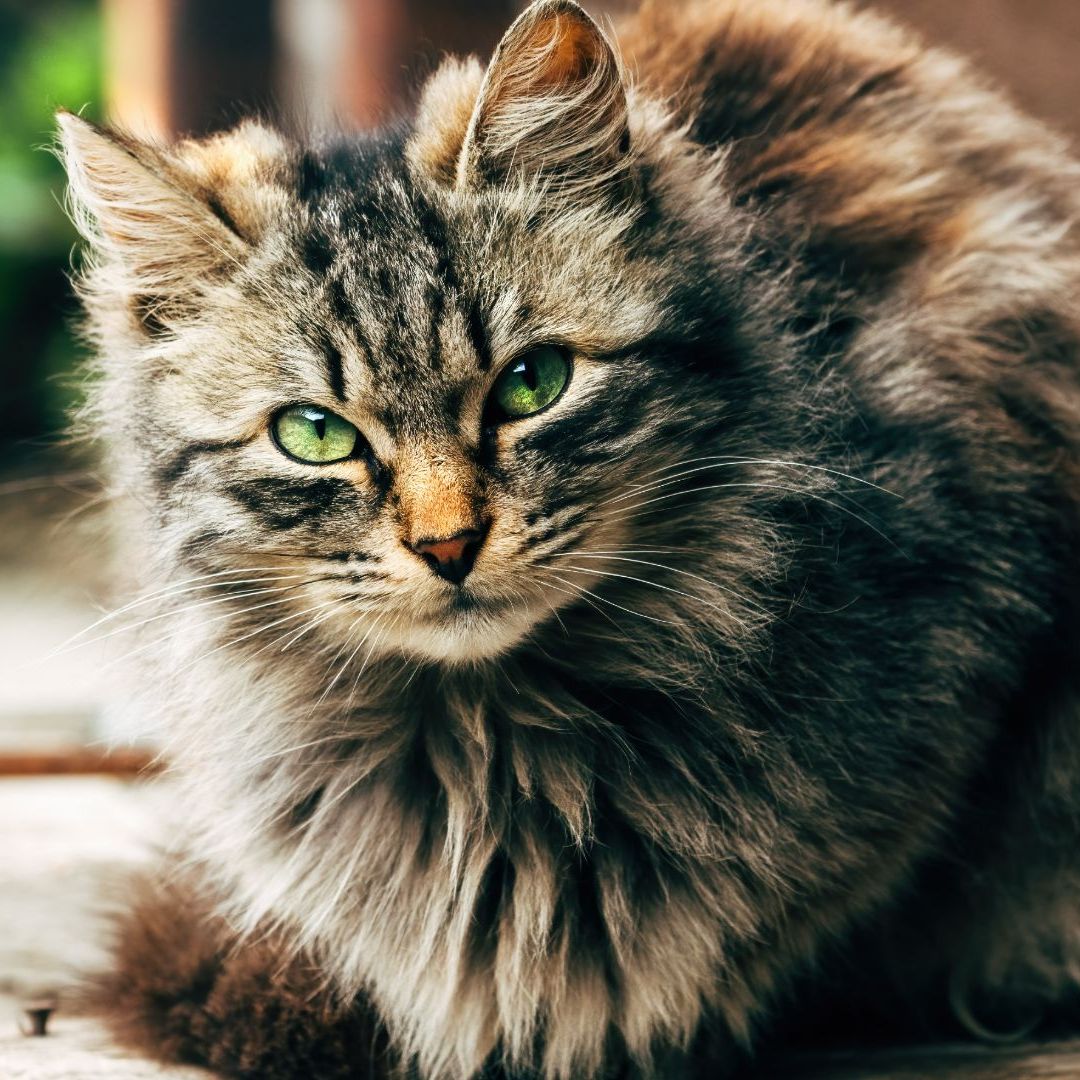
Credit: www.petsradar.com
Factors Influencing Hair Growth
Understanding the factors that influence when long-haired cat breeds develop their full coats can help you care for your feline friend better. Hair growth isn’t just about time—it depends on several key elements that work together to shape your cat’s appearance. Knowing these influences gives you insight into what to expect and how to support healthy hair growth.
Genetics And Breed Traits
Your cat’s genes largely determine the timing and quality of its long hair. Each breed has a unique timeline for hair growth; for example, Maine Coons often develop their thick fur over the first year, while Persians may take a bit longer to reach their full coat.
Genetics also influence the texture and density of the hair. If your cat’s parents had a lush, flowing coat, chances are your cat will too, but some individual variation always exists.
Nutrition And Health
The food your cat eats directly affects its hair growth. A diet rich in proteins, omega fatty acids, and vitamins like biotin supports strong, shiny hair.
If your cat is lacking essential nutrients or is dealing with health problems, hair growth can slow down or become patchy. Have you noticed your cat’s coat looking dull or thinning? It might be time to check their diet and overall health.
Environmental Effects
Environmental conditions can speed up or slow down your cat’s hair growth. Cats living in colder climates often grow thicker coats to stay warm, while those in warmer areas may have lighter, less dense fur.
Stress and changes in surroundings can also impact hair quality. If your cat has recently moved or faced a stressful event, watch for changes in fur appearance and consider ways to help them feel secure.
Popular Long Haired Breeds
Long haired cat breeds are known for their stunning coats that often become a defining feature as they grow. Each breed has its own timeline and pattern for developing that luxurious fur, which can fascinate cat lovers and new owners alike. Understanding when and how these cats get their long hair can help you provide better care and appreciate their beauty even more.
Maine Coon Fur Growth
Maine Coons start showing their thick, long fur around 3 to 4 months old, but their full coat takes up to 3 to 5 years to develop completely. The fur grows in layers, with a dense undercoat for warmth and longer guard hairs that give them their signature shaggy look.
Because they originate from cold climates, their fur thickens significantly in winter. If you notice your Maine Coon’s coat changing with the seasons, you’re seeing a natural adaptation in action. How does your Maine Coon’s fur react to temperature changes?
Persian Hair Development
Persians develop their iconic long, silky hair quite early, usually by 4 months of age, but it continues to thicken until around 2 years old. Their hair requires regular grooming from a young age to prevent matting and keep it looking healthy.
Many owners are surprised by how quickly Persian kittens’ fur can become fluffy and voluminous. Regular brushing not only helps manage their coat but also strengthens your bond with your cat. Have you tried gentle daily brushing with your Persian kitten yet?
Ragdoll Coat Changes
Ragdolls have a medium to long coat that starts to develop around 3 months and reaches full length by about 3 years. Their fur is soft and silky but less dense than Persians or Maine Coons, making grooming easier but still necessary.
Interestingly, Ragdolls’ coat colors and patterns also change as they grow, which can surprise many owners. Watching these changes unfold is part of the joy of raising a Ragdoll. Have you noticed any unique pattern shifts in your Ragdoll’s coat?
Care During Hair Growth Stages
Long-haired cat breeds usually develop their full coat between six months and two years old. Proper care during this time helps their fur grow healthy and strong. Regular grooming supports comfort and prevents mats as their hair lengthens.
Caring for long-haired cat breeds during their hair growth stages is a rewarding journey that requires patience and attention. As these adorable fluff balls transition from short to long hair, their grooming needs change significantly. Understanding these stages can help you provide the best care for your furry friend.Grooming Tips For Kittens
Kittens with long hair may not need extensive grooming right away, but starting early can help them get accustomed to the process. Use a gentle brush designed for kittens to avoid pulling on their delicate fur. Introducing grooming as a bonding activity can make it enjoyable for both of you. Regular brushing helps prevent tangles and mats from forming as their hair grows longer. Consider brushing them while they are relaxed, like after a meal, to keep them calm. Keep grooming sessions short and sweet to maintain their interest and cooperation.Managing Shedding Phases
Long-haired cats experience shedding phases that can be quite noticeable. A high-quality brush can be your best ally in managing this. Brushing your cat regularly during shedding can help reduce loose hairs and minimize hairballs. Do you notice more fur on your furniture and clothes during certain seasons? This is the perfect time to increase your grooming efforts. Regular baths, though not too frequent, can also help manage shedding by removing excess hair and dander.Maintaining Healthy Fur
Healthy fur is a sign of a happy cat. A balanced diet rich in omega-3 and omega-6 fatty acids can promote shiny and strong fur. Consider consulting your vet for dietary recommendations tailored to your cat’s needs. Hydration is crucial too. Ensure your cat always has access to fresh water, as dehydration can lead to dry, brittle fur. Regular veterinary check-ups can catch potential skin or fur issues early, keeping your cat’s coat looking its best. Caring for your long-haired cat’s fur requires dedication, but the rewards of a healthy, glossy coat and a happy kitty are worth every effort.Common Hair Growth Issues
Long-haired cat breeds may face various hair growth issues that affect their beautiful coats. Understanding these problems helps cat owners provide better care. Some cats develop their long fur later than others, while some may have skin or coat problems that slow hair growth.
Delayed Fur Development
Some long-haired cats take longer to grow their full coat. This delay can happen due to genetics or health conditions. Kittens often have softer, shorter fur that thickens with age. In some cases, the long hair may not appear fully until the cat is one year old or older.
Nutrition plays a key role in fur development. Poor diet can slow hair growth and cause thin coats. Proper food with essential nutrients supports healthy fur growth and shine.
Skin And Coat Problems
Skin issues can affect hair growth in long-haired cats. Common problems include dryness, dandruff, and irritation. Parasites like fleas cause itching and hair loss. Fungal infections, such as ringworm, also lead to patchy fur.
Allergies may cause redness and fur thinning. Grooming problems, like mats and tangles, damage the coat. Regular brushing helps prevent these issues and keeps the fur smooth.
When To Consult A Vet
Seek veterinary advice if your cat’s fur grows slowly or falls out. Watch for signs like bald spots, redness, or excessive scratching. A vet can diagnose underlying problems and recommend treatment.
Early care improves the chances of restoring a healthy coat. Proper medical attention supports your cat’s comfort and appearance.
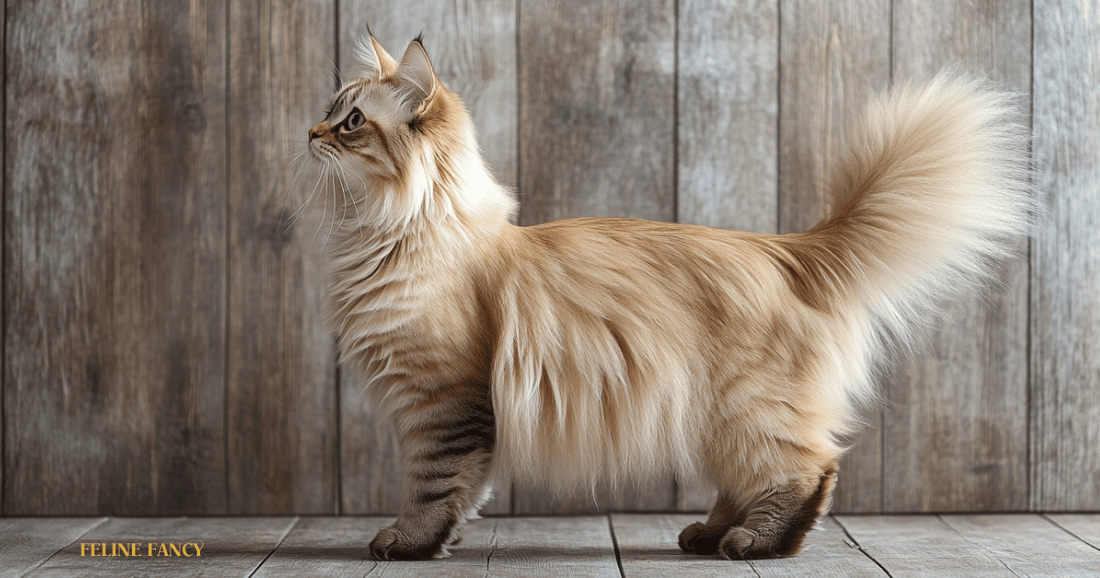
Credit: felinefancy.co.uk
Frequently Asked Questions
When Do Long-haired Cat Breeds Develop Their Full Coat?
Long-haired cats usually develop their full coat between 6 and 12 months. Some breeds take up to 2 years to reach maximum hair length and thickness.
Why Do Some Long-haired Cats Grow Hair Slower?
Genetics, nutrition, and environment affect hair growth speed. Poor diet or stress can delay the development of a cat’s long fur.
Do Kittens Have Long Hair At Birth?
No, most long-haired kittens are born with shorter, fluffier coats. Their distinctive long hair grows as they age during the first year.
How Does Grooming Affect Long-haired Cats’ Hair Growth?
Regular grooming prevents matting and promotes healthy hair growth. It also removes loose fur and distributes natural oils for a shinier coat.
Conclusion
Long-haired cats start growing their full coats after a few months. Each breed has its own timeline for hair growth. Patience helps as their fur thickens and lengthens over time. Regular grooming keeps their hair healthy and shiny. Understanding this process makes caring for your cat easier.
Watching their coat change can be a joyful experience. Enjoy the beauty of their long, soft fur as it grows.

Leave a Reply