Are you worried that feeding your kitten adult cat food might give them worms? It’s a common concern among pet owners like you who want the best for their furry friend.
You want to keep your kitten healthy and happy, but sometimes the choices around feeding can feel confusing. What if the food meant for adult cats harms your little one? You’ll discover the truth about adult cat food and worms in kittens, so you can make the safest decision for your pet.
Keep reading to protect your kitten from hidden risks you might not know about.
Cat Food And Kitten Health
Choosing the right food is vital for kitten health. Kittens need more nutrients to grow strong. Adult cat food may not meet these needs. Feeding kittens adult food can affect their development and well-being.
Nutritional Differences Between Adult And Kitten Food
Kitten food contains higher protein levels. This supports muscle and tissue growth. It also includes more fat for energy. Vitamins like A and D are added for bone health.
Adult cat food has fewer calories and less fat. It suits cats with slower metabolisms. Kittens require extra nutrients to build immunity and grow fast. Adult food lacks these essential nutrients.
Common Ingredients In Cat Adult Food
- Meat or fish as the primary protein source
- Grains or fillers like corn and wheat
- Vegetable oils for fat content
- Added vitamins and minerals for maintenance
- Preservatives to extend shelf life
These ingredients support adult cat health and maintain body condition. They do not provide enough nutrition for growing kittens. Feeding kittens adult food can lead to nutritional gaps.

Credit: www.reddit.com
Worms In Kittens
Kittens are especially vulnerable to worms, which can cause serious health issues if not caught early. Understanding the types of worms that affect kittens and recognizing the symptoms is crucial for any cat owner. This knowledge helps you protect your furry friend and ensure they grow up healthy and strong.
Types Of Worms Affecting Kittens
Several types of worms commonly affect kittens. The most frequent ones include:
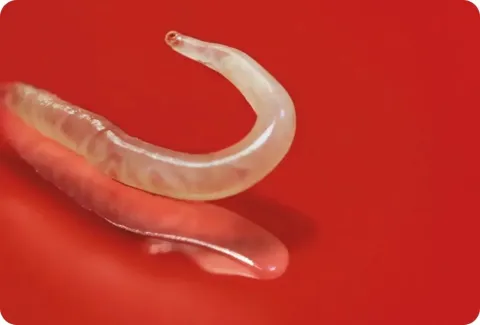
- Roundworms:These are the most common intestinal parasites in kittens. They look like spaghetti and can cause bloating and poor growth.
- Tapeworms:Often transmitted by fleas, tapeworms appear as small white segments near the kitten’s anus. They can cause itching and discomfort.
- Hookworms:These worms attach to the intestines and suck blood, leading to anemia and weakness.
- Whipworms:Less common but still harmful, whipworms cause diarrhea and weight loss.
Have you noticed your kitten scratching more than usual or showing signs of a bloated belly? These could be early signs of a worm infestation.
Symptoms Of Worm Infestation
Worm infestations can show up in different ways, and some signs might be subtle. Look out for:
- Visible worms or worm segments in your kitten’s stool or around the rear end.
- Diarrhea, sometimes with blood or mucus.
- Vomiting, especially if worms are expelled.
- A swollen or bloated abdomen, often described as a “pot-bellied” appearance.
- Loss of appetite or weight loss despite eating normally.
- Lethargy or weakness due to nutrient loss or anemia.
If you spot these symptoms, it’s important to take your kitten to the vet quickly. Waiting can lead to more serious problems, especially in young kittens whose immune systems are not fully developed.
Link Between Adult Cat Food And Worms
Understanding the link between adult cat food and worms is important for every pet owner. Many wonder if feeding kittens adult cat food could expose them to parasites like worms. Let’s look at what really matters when it comes to this connection.
Can Adult Food Cause Worms?
Adult cat food itself does not directly cause worms in kittens. Worm infections usually come from parasites passed through contaminated environments or prey animals, not the food formulation. However, feeding kittens food meant for adult cats can impact their health and immune system, making them more vulnerable to infections, including worms.
Think about your kitten’s delicate digestive system. It needs specific nutrients for growth and defense against parasites. If you feed adult cat food, which lacks these targeted nutrients, your kitten might not fight off worms as effectively. So, while adult food won’t cause worms, it can create conditions that make infections easier to happen.
Contamination Risks In Cat Food
Contamination is a real concern with any pet food, whether for kittens or adult cats. Parasite eggs or larvae can sometimes be present if the food is made with raw or undercooked ingredients. This risk is higher with raw diets but not limited to them.
Look closely at the packaging and brand reputation. Reliable companies follow strict safety standards to minimize contamination risks. Still, improper storage at home or buying from questionable sources can introduce parasites into your pet’s food.
- Always store cat food in airtight containers.
- Check expiration dates carefully.
- Avoid feeding spoiled or damaged packages to your kitten.
Have you ever noticed your kitten scratching or showing signs of discomfort after a meal? It might be worth consulting a vet to rule out worms. Feeding the right food is a key step, but hygiene and food safety play equally important roles in keeping your kitten worm-free.

Credit: nexgardforpets.com
Preventing Worms In Kittens
Ensuring the health of kittens involves many responsibilities. Worm prevention is crucial for their well-being. Worms can cause serious health problems in kittens. They can lead to weight loss, poor growth, and illness. Taking proactive steps is essential to keep your kittens safe.
Safe Feeding Practices
Feed kittens with food designed for their age. Adult cat food lacks essential nutrients for kittens. It can also carry risks of contamination. Always choose high-quality kitten food. Store the food properly to avoid spoilage. Clean their bowls regularly to prevent bacteria growth.
Regular Deworming Schedules
Deworming is vital for maintaining kitten health. Follow a vet-recommended schedule for deworming. Start deworming at two weeks of age. Continue every two weeks until they are twelve weeks old. After that, deworm every month until six months old. Regular vet visits help monitor their health.
Choosing The Right Food For Kittens
Choosing the right food for kittens is important for their growth and health. Kittens need special nutrients that adult cats do not require. Feeding adult cat food to kittens might cause nutritional gaps or health issues. Proper nutrition supports their energy, immune system, and development.
Benefits Of Kitten-specific Food
Kitten food is made with higher protein and fat levels. These nutrients help build strong muscles and keep energy high. It also contains vitamins and minerals that support bone growth and brain development.
The texture of kitten food is softer and easier to chew. This suits their smaller teeth and sensitive stomachs. Kitten formulas help maintain a healthy digestive system and reduce the risk of illness.
How To Transition From Adult To Kitten Food
Switching food slowly helps avoid stomach upset. Mix a small amount of kitten food with adult food. Gradually increase kitten food over 7 to 10 days.
- Start with 25% kitten food and 75% adult food.
- Increase kitten food to 50% after 3 days.
- Move to 75% kitten food by day 7.
- Feed 100% kitten food after day 10.
Watch your kitten’s reaction during the switch. Stop if signs of discomfort or diarrhea appear. Consult a vet for guidance if needed.
Credit: www.perfect-fit.co.uk
Veterinary Advice And Treatments
Veterinary advice plays a key role in managing kitten health, especially concerning worms. Kittens are vulnerable to parasites, which affect their growth and well-being. Professional guidance ensures safe and effective treatments. Knowing when to seek help and the right treatments helps keep kittens healthy and happy.
When To Consult A Vet
Watch for signs of worms in kittens, such as:
- Diarrhea or vomiting
- Weight loss or poor growth
- Visible worms in stool
- Swollen belly or discomfort
- Excessive scratching around the bottom
Consult a vet immediately if these signs appear. Early diagnosis prevents serious health problems. Routine vet visits help detect worms early, even without obvious symptoms. Always seek expert advice before changing diets or using treatments.
Effective Worm Treatments For Kittens
Vets prescribe safe worm treatments suited to kittens’ age and health. Common treatments include:
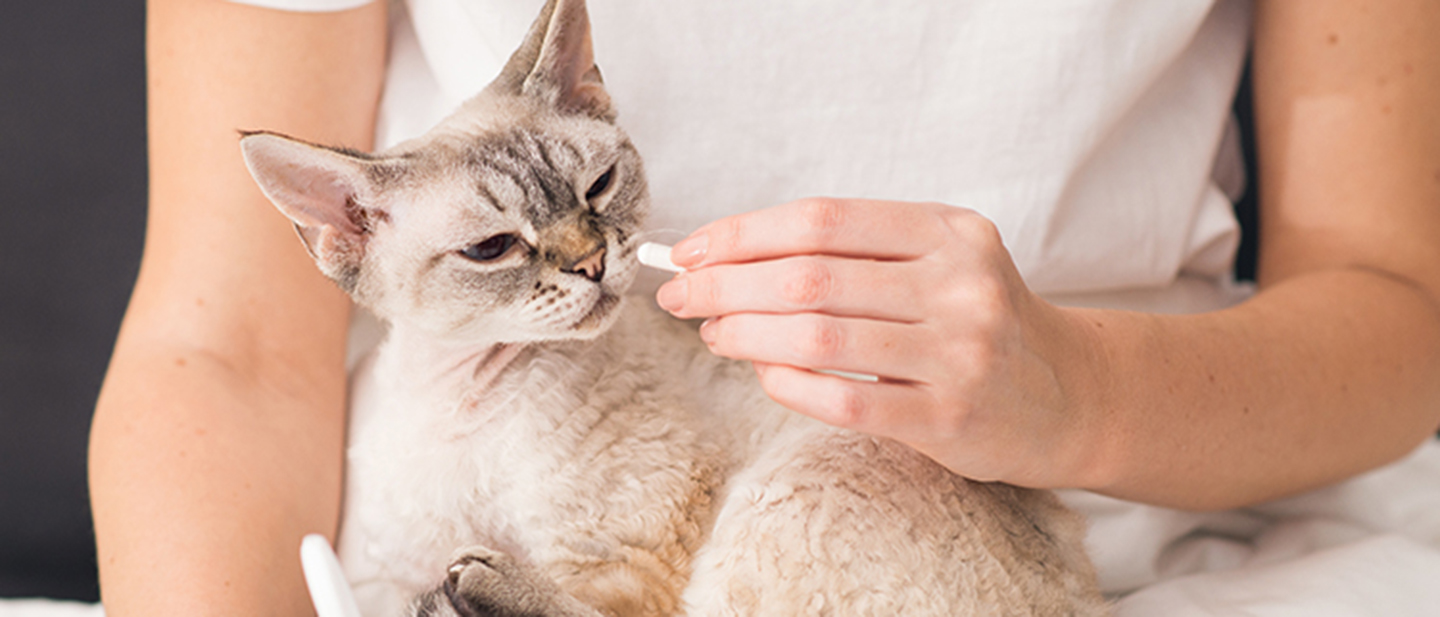
- Oral deworming tablets or liquids
- Topical medications applied on the skin
- Regular worming schedules to prevent reinfection
Follow the vet’s instructions carefully for dosage and timing. Avoid over-the-counter medications without vet approval. Proper hygiene and cleaning of the environment help stop worms from spreading. Timely treatment supports kittens’ growth and overall health.
Frequently Asked Questions
Can Adult Cat Food Cause Worms In Kittens?
Adult cat food itself does not cause worms in kittens. Worm infections come from parasites, not diet. However, adult food may lack essential nutrients for kittens’ immunity, increasing infection risks. Always feed age-appropriate, high-quality food to support kitten health and prevent worm infestations.
Why Are Kittens More Prone To Worms Than Adults?
Kittens have immature immune systems, making them more vulnerable to parasites. Their exploratory behavior increases exposure to worm eggs. Proper hygiene, regular vet check-ups, and age-specific nutrition help reduce worm risk. Timely deworming is essential to protect growing kittens from infestations.
Can Feeding The Wrong Cat Food Affect Kitten Health?
Yes, feeding kittens adult cat food can lead to nutritional deficiencies. This weakens their immune system, making them susceptible to infections, including worms. Kittens require specialized food with proper protein, vitamins, and minerals. Always choose kitten-specific food for optimal growth and parasite resistance.
How To Prevent Worms In Kittens Effectively?
Prevent worms by maintaining clean living areas and avoiding contaminated soil. Feed kitten-formulated food to boost immunity. Schedule regular veterinary check-ups for timely deworming treatments. Early prevention and proper care ensure kittens stay healthy and worm-free throughout development.
Conclusion
Feeding kittens adult cat food does not cause worms directly. Worms come from parasites, not food type. Still, adult food may lack nutrients kittens need to grow strong. Poor nutrition can weaken their immune system. A weak immune system makes kittens more likely to get infections, including worms.
Always choose food made for kittens to keep them healthy. Regular vet check-ups help catch worm problems early. Clean living spaces also reduce worm risks. Keeping kittens safe and well-fed helps them grow happy and strong.

Leave a Reply