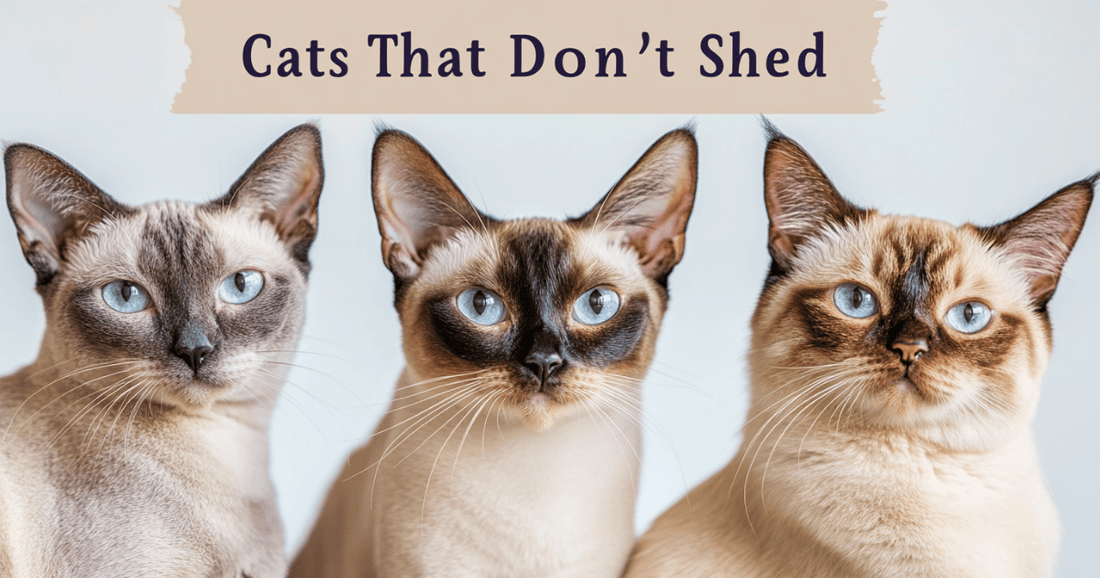
Are you tired of finding cat hair on your clothes, furniture, and everywhere in between? If shedding drives you crazy but you still want the joy of having a feline friend, you’re in the right place.
Not all cats shed the same way—some breeds lose very little fur, making them perfect for people who want a cleaner home without giving up on a lovable companion. Keep reading to discover which cat breeds shed the least and how choosing the right one can make your life easier and more enjoyable.

Credit: www.youtube.com
Low-shedding Cat Traits
Understanding the traits of low-shedding cats can help you choose a feline companion that fits your lifestyle. These cats often have unique coat characteristics and biological factors that reduce the amount of fur they lose. Knowing what to look for makes managing your home and allergies much easier.
Coat Types And Shedding
Coat type plays a major role in how much a cat sheds. Cats with short, fine fur usually shed less than long-haired breeds. Breeds like the Siamese and Russian Blue have smooth coats that hold onto their fur better, reducing loose hairs around your home.
Some cats have hair that grows continuously, similar to human hair, which means they shed less. The Cornish Rex and Devon Rex are great examples, sporting soft, wavy coats that rarely drop fur. You might notice fewer hairballs and less need for constant vacuuming with these cats.
Allergy-friendly Cats
Shedding is closely linked to allergens, but it’s not the only factor. Some breeds produce less of the protein Fel d 1, which causes allergic reactions in many people. If you’re sensitive to cats, breeds like the Balinese or Siberian might be a surprising choice because they tend to produce fewer allergens despite their longer coats.
Have you ever wondered why some cats trigger allergies more than others? It’s not just the fur but the proteins in their saliva and skin oils. Choosing a low-shedding cat with lower allergen levels can significantly improve your comfort and keep your home cleaner.
Top Low-shedding Cat Breeds
Cat lovers who want less fur around the house often choose low-shedding breeds. These cats shed very little, making them great for people with mild allergies or those who prefer a cleaner home. Each breed has unique traits beyond shedding habits. Here are some popular low-shedding cat breeds worth knowing about.
Sphynx
The Sphynx is famous for its lack of fur. This breed has soft, warm skin but no thick coat to shed. Sphynx cats require regular bathing to remove oils from their skin. They are friendly and enjoy human company. Ideal for people wanting a hairless cat with minimal shedding.
Russian Blue
Russian Blues have a short, dense double coat. Their fur is soft and fine, and they shed much less than many other cats. These cats are calm and gentle. They often form strong bonds with their owners. Their low shedding helps keep homes cleaner.
Bengal
Bengals have a short, sleek coat that sheds little. Their fur is tight and does not shed in clumps. Bengals are active and playful cats. They have a wild look but a friendly nature. This breed suits people who want a lively, low-shedding cat.
Siberian
Siberians have a thick, water-resistant triple coat. Despite this, they shed less than many other long-haired breeds. Their dense fur traps allergens better, making them better for allergy sufferers. Siberians are affectionate and enjoy attention. They adapt well to families.
Balinese
Balinese cats have medium-length fur that sheds very little. Their silky coat feels soft and smooth. These cats are social and vocal, loving to interact with people. Balinese cats bring elegance and low shedding into any home.
Devon Rex
Devon Rex cats have curly, short fur that sheds minimally. Their unique coat feels soft like velvet. This breed is playful, curious, and loves to be near people. Devon Rex cats suit those wanting an affectionate, low-shedding companion.
Care Tips For Low-shedding Cats
Caring for low-shedding cats still requires attention and effort. These cats shed less, but they need proper grooming and health care. Maintaining their coat and skin helps reduce shedding even more. A good environment keeps them comfortable and stress-free. Here are some care tips to keep your low-shedding cat happy and healthy.
Grooming Practices
Regular brushing removes loose fur and dirt. Use a soft brush designed for your cat’s coat type. Brush gently to avoid skin irritation. Bathing your cat occasionally helps keep the coat clean. Use cat-friendly shampoo for sensitive skin. Trim nails regularly to prevent scratching injuries. Check ears and eyes for signs of infection. Grooming also strengthens your bond with your cat.
Diet And Health
A balanced diet supports healthy skin and fur. Choose high-quality cat food rich in omega fatty acids. These nutrients reduce dryness and promote shiny coats. Keep fresh water available at all times. Dehydration can cause dry skin and more shedding. Regular vet visits detect skin problems early. Vaccinations and parasite control keep your cat healthy.
Environment And Comfort
Provide a calm and clean living space. Stress can increase shedding in cats. Use soft bedding to protect their skin. Keep the home temperature moderate and stable. Avoid drafts and sudden temperature changes. Provide scratching posts and toys for mental stimulation. A happy cat sheds less and stays healthier.
Benefits Of Low-shedding Cats
Low-shedding cats offer several advantages. These benefits make them appealing to many pet owners. They provide cleaner homes and comfort for allergy sufferers.
Reducing Allergies
Low-shedding cats are ideal for those with allergies. They produce fewer allergens. This means less sneezing and itchy eyes. These cats have less fur to spread allergens around. It’s easier to breathe freely with them at home.
Maintaining Clean Homes
Cats that shed less keep homes tidier. Less fur on furniture and floors. Cleaning becomes less frequent and simpler. Low-shedding breeds require less vacuuming. They help maintain a neat and pleasant environment.
Choosing The Right Low-shedding Cat
Choosing the right low-shedding cat means thinking about your daily life and preferences. Cats with less shedding can be easier to care for and better for allergy sufferers. Knowing your lifestyle helps pick a cat breed that fits well with your routine and home environment.
Lifestyle Compatibility
Consider how much time you spend at home. Active cats need space and playtime. Quiet cats suit calm homes. Some breeds require daily grooming, even if they shed less. Think about your allergies and family members’ needs. Matching a cat’s energy and care needs with your lifestyle makes pet ownership joyful.
Adoption And Breeder Advice
Adopt from shelters or trusted breeders. Ask about the cat’s shedding habits. Shelter staff and breeders know which cats shed less. They can guide you based on health and behavior. Check if the cat has any allergies or skin conditions. Proper advice helps find a healthy, low-shedding companion.

Credit: www.youtube.com

Credit: shamelesspets.com
Frequently Asked Questions
Which Cat Breeds Shed The Least Hair?
Cat breeds like the Sphynx, Russian Blue, and Siamese shed very little. These breeds have fine or minimal fur. They are ideal for people with allergies or those wanting less pet hair at home.
Are Hypoallergenic Cats Really Low-shedding?
Hypoallergenic cats often shed less fur and produce fewer allergens. Breeds like Balinese and Bengal are known for this. However, individual reactions vary, so spending time with the cat before adopting is best.
How Often Should Low-shedding Cats Be Groomed?
Low-shedding cats still need regular grooming. Brushing once or twice a week helps remove loose fur. It also supports skin health and reduces any shedding that does occur.
Do Short-haired Cats Shed Less Than Long-haired Cats?
Generally, short-haired cats shed less than long-haired ones. Their fur is easier to maintain and sheds less visibly. Breeds like the Burmese and Cornish Rex are good examples of low-shedding short-haired cats.
Conclusion
Choosing a cat that sheds less can make life cleaner and easier. Breeds like the Sphynx, Siamese, and Russian Blue offer great options. They need regular care but less hair around the house. Finding the right breed helps reduce allergies and mess.
Enjoy your time with a furry friend without constant cleaning. A low-shedding cat can fit well in many homes. Think about your lifestyle and needs before picking one. A happy cat means a happy home.

Leave a Reply