If you have a Persian cat, you know how beautiful and fluffy they are. But keeping that thick, long fur clean and tangle-free can be a challenge.
You might wonder how to bathe and groom your Persian cat without causing stress or discomfort. The good news is, with the right steps, you can make grooming a calm and even enjoyable time for both you and your furry friend.
In this guide, you’ll learn simple, effective tips to keep your Persian cat looking and feeling its best. Ready to discover how to pamper your pet like a pro? Keep reading!
Preparing For Bath Time
Preparing your Persian cat for bath time sets the tone for a smooth and stress-free grooming session. The right setup helps your cat feel secure and makes the process easier for both of you. Let’s dive into what you need to do before the water even touches your furry friend.
Gathering Supplies
Before starting the bath, collect everything within arm’s reach. You’ll need a cat-specific shampoo, a soft towel, a brush, and a cup or sprayer for rinsing.
Having these supplies ready prevents you from leaving your cat unattended mid-bath, which can increase anxiety. Don’t forget a non-slip mat for the sink or tub to keep your cat steady during washing.
Choosing The Right Location
Pick a quiet, warm spot to bathe your Persian. A bathroom or kitchen sink often works best because they are small and enclosed, helping your cat feel safer.
Make sure the area is free from loud noises and distractions. You want your cat’s focus to be on you, not the vacuum cleaner or banging doors.
Calming Your Persian Cat
Calmness is key to a successful bath. Spend a few minutes petting and talking to your cat in a soothing voice before you start.
If your cat is nervous, try wrapping them gently in a warm towel or using treats to create positive associations. Have you noticed how your cat responds to certain words or touches? Use those to your advantage.

Credit: purebredkitties.com
Bathing Steps
Bathing your Persian cat can seem challenging, but breaking it down into clear steps makes the process smoother for both of you. Each step prepares your cat’s coat and skin for a thorough wash while minimizing stress. Let’s walk through these essential bathing steps to keep your Persian looking and feeling its best.
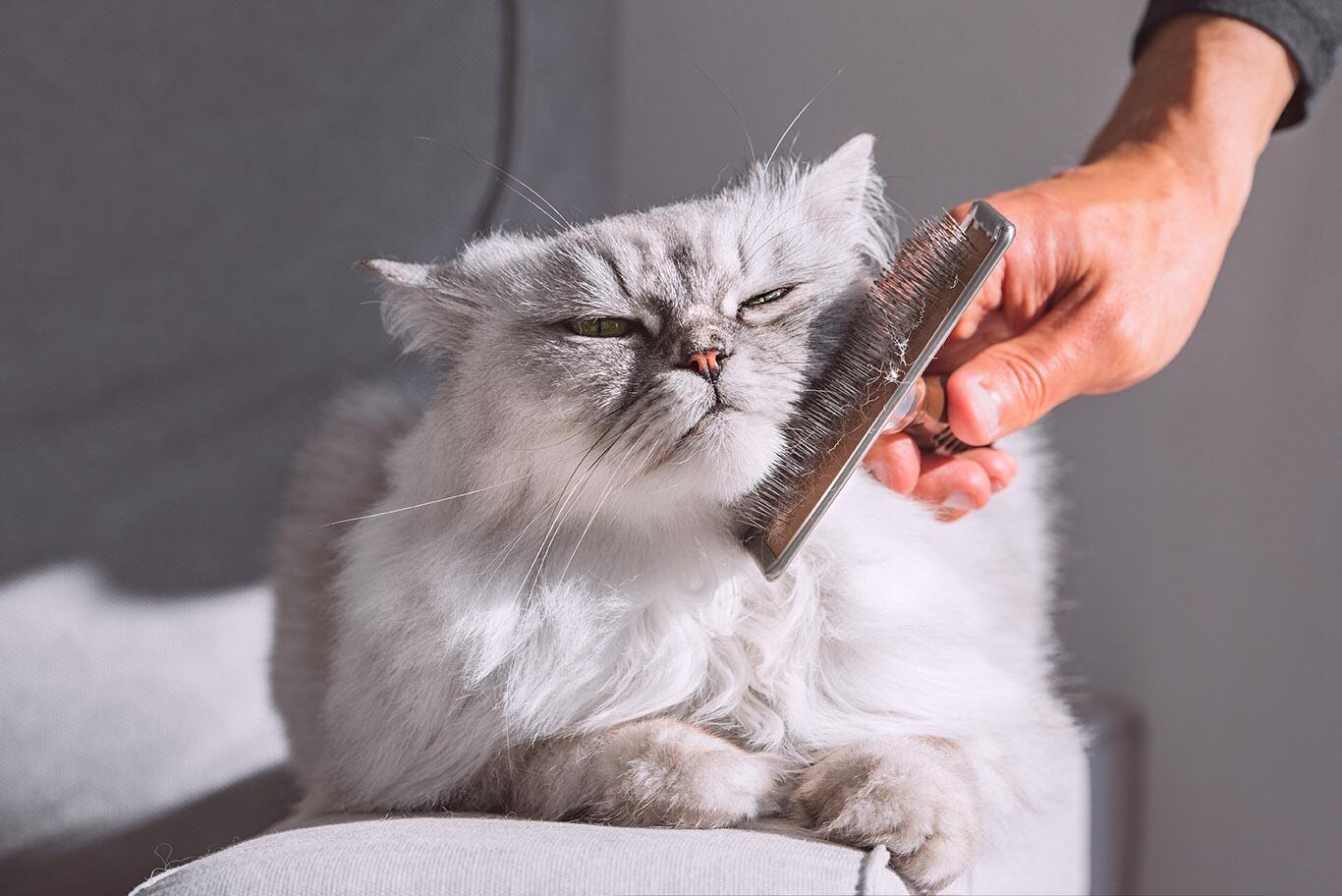
Brushing Before Bathing
Start by brushing your Persian’s fur gently to remove any tangles or mats. This prevents knots from tightening when wet, which can be painful for your cat. I noticed that spending just 10 minutes on this step made the bath less stressful and helped the shampoo reach the skin more effectively.
Water Temperature And Level
Use lukewarm water—not too hot or cold—to keep your cat comfortable. Fill the tub or sink with just a few inches of water, enough to wet your cat but not overwhelm them. Have you ever noticed how cats react differently to water levels? Keeping it shallow usually calms them down.
Using Cat-friendly Shampoo
Choose a shampoo specifically formulated for cats to protect their sensitive skin. Avoid human shampoos as they can cause irritation or dryness. Apply the shampoo gently, focusing on your cat’s neck, back, and belly, and watch their reaction—some cats prefer a quick lather while others need a slower approach.
Rinsing Thoroughly
Rinse all the shampoo out carefully to avoid residue that can cause itching. Use a cup or handheld sprayer to direct water away from your cat’s face and ears. I find that rinsing in small sections helps ensure nothing is missed and your cat feels less overwhelmed.
Drying Techniques
Pat your cat dry with a soft towel, avoiding rough rubbing that can tangle the fur. You can also use a low-heat blow dryer if your cat tolerates the noise, keeping it moving to prevent overheating. Have you tried letting your Persian air dry in a warm room? It’s gentle but takes longer, so balance what works best for your schedule and your cat’s comfort.
Daily Grooming Tips
Daily grooming is essential to keep your Persian cat comfortable and looking its best. Their long, luxurious coats can easily tangle and mat without regular care. By making grooming a part of your daily routine, you not only improve their appearance but also strengthen your bond.
Brushing Frequency And Tools
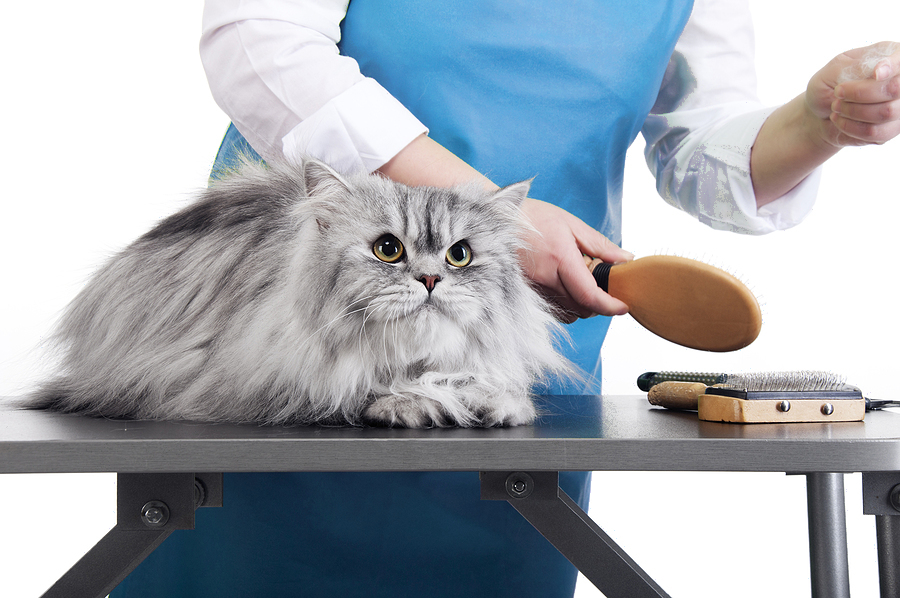
Persian cats need brushing every day to prevent mats and tangles. Use a wide-toothed comb to gently detangle knots, followed by a fine-toothed comb or slicker brush to smooth the fur. Choose tools with soft bristles to avoid irritating your cat’s sensitive skin.
Have you noticed how a quick brush can calm your cat? This small daily effort keeps their coat shiny and reduces shedding around your home.
Cleaning The Eyes And Face
Persians often have watery eyes, which can cause staining and discomfort. Use a soft, damp cloth or cotton ball dipped in warm water to gently wipe around their eyes every day. Avoid using harsh chemicals or soaps near their face.
Keeping their face clean not only prevents infections but also keeps your cat looking regal and fresh. Have you tried using separate cloths for each eye to avoid spreading any bacteria?
Trimming Nails Safely
Trim your cat’s nails once or twice a week to prevent them from becoming too sharp or causing scratches. Use a nail clipper designed for cats, and be careful to avoid the quick—the pink area inside the nail that contains nerves and blood vessels.
If your cat resists, try trimming just one or two nails at a time and reward them afterward. This makes nail care less stressful for both of you.
Ear Care Essentials
Check your Persian’s ears weekly for wax buildup, dirt, or signs of infection. Use a cotton ball moistened with a vet-approved ear cleaner to gently wipe the outer ear. Never insert anything deep into the ear canal.
Healthy ears mean your cat is comfortable and less likely to scratch or shake their head constantly. Do you notice any unusual odors or redness during your checks? If so, consult your vet promptly.
Managing Persian Cat Coat Health
Bathing a Persian cat gently removes dirt and oils to keep its coat soft and clean. Regular brushing prevents mats and tangles, promoting healthy fur and skin. Use mild shampoo and warm water, and dry carefully to avoid chills.
Managing the coat health of a Persian cat isn’t just about keeping them looking beautiful; it’s essential for their well-being. Persian cats are known for their luxurious, long coats that require regular attention to prevent issues like matting and shedding. With a little dedication and the right techniques, you can keep your Persian cat’s coat in pristine condition, ensuring they stay comfortable and happy.Preventing Matting And Tangles
Persian cats are prone to tangles due to their long, dense fur. Brushing your cat daily can help prevent these pesky knots. Use a stainless steel comb or a slicker brush specifically designed for long-haired cats. Pay special attention to areas prone to matting like behind the ears and under the legs. Have you ever noticed your cat wincing when you touch these spots? That’s a sign mats could be forming. Keeping your cat’s coat free of tangles not only improves their appearance but can also prevent skin irritations and infections.Dealing With Shedding
Shedding is a natural process for Persian cats, but it can become overwhelming if not managed properly. Regular grooming sessions can significantly reduce the amount of loose hair around your home. Consider using a de-shedding tool, which can help remove loose undercoat fur more effectively than a regular brush. Have you ever found yourself endlessly vacuuming cat hair off the furniture? A few minutes of grooming can save you from hours of cleaning. Additionally, maintaining a healthy diet rich in Omega-3 fatty acids can improve your cat’s coat and reduce excessive shedding.Maintaining Skin Health
Healthy skin is crucial for a beautiful coat, and Persian cats are no exception. Regular grooming not only keeps the coat healthy but also allows you to check for skin issues like dryness or irritation. Use a gentle cat shampoo during baths to keep your Persian’s skin moisturized. Have you ever noticed your cat scratching more than usual? This could be a sign of skin irritation that needs attention. Ensure your Persian cat is well-hydrated and consider adding a humidifier to your home if the air is dry. This can prevent your cat’s skin from becoming dry and flaky, especially during winter months.Common Grooming Challenges
Grooming a Persian cat can be a rewarding experience, but it often comes with its own set of challenges. Their long, dense fur and sensitive skin require extra care and patience. Understanding these common grooming obstacles will help you keep your feline friend looking and feeling their best.
Handling Resistant Cats
Many Persian cats don’t enjoy baths or grooming sessions. They may squirm, scratch, or hide as soon as they sense a grooming tool. Staying calm and gentle can help ease their anxiety.
Try using soothing tones and slow movements to gain their trust. Wrapping your cat in a soft towel can limit movement without causing distress. Have treats ready to reward good behavior—this can turn grooming into a positive experience.
Identifying Skin Issues
Persian cats’ thick fur can hide skin problems like dryness, redness, or infections. Regularly part their fur and check the skin closely. Look for signs such as flaking, bumps, or unusual odors.
If you notice your cat scratching excessively or grooming a certain area obsessively, it might indicate discomfort. Early detection of skin issues prevents them from worsening and keeps your cat comfortable.
When To Visit A Professional Groomer
Sometimes, grooming challenges become too difficult to handle alone. Matted fur can cause pain and health problems if not removed carefully. A professional groomer has the right tools and experience to manage stubborn mats and sensitive spots.
If you’re struggling with your cat’s behavior or skin conditions, seeking expert help can save time and reduce stress. Would you rather risk injury trying to groom at home, or ensure your Persian cat’s safety with a professional touch?

Credit: cats.com
Credit: tipptotail.com
Frequently Asked Questions
How Often Should I Bathe My Persian Cat?
Bathing your Persian cat every 4 to 6 weeks keeps its coat clean and healthy. Regular baths prevent matting and reduce shedding, enhancing overall hygiene.
What Grooming Tools Are Best For Persian Cats?
Use a wide-tooth comb, slicker brush, and stainless steel comb. These tools help detangle fur, remove loose hair, and prevent mats effectively.
How Do I Prevent Matting In Persian Cats?
Brush your Persian cat daily to prevent mats. Regular grooming breaks up tangles and keeps the coat smooth and healthy.
Can I Use Human Shampoo On My Persian Cat?
No, always use shampoo formulated for cats. Human shampoos can irritate your cat’s skin and damage its fur.
Conclusion
Bathing and grooming a Persian cat takes time and care. Regular brushing stops mats and keeps fur soft. Use gentle shampoo made for cats to avoid skin problems. Always dry your cat well to prevent chills. Stay calm and patient during the process.
Clean eyes and ears often to keep your cat healthy. A clean, well-groomed Persian looks happy and feels comfortable. Small steps make a big difference in your cat’s care. Enjoy the bonding moments while grooming your furry friend.

Leave a Reply