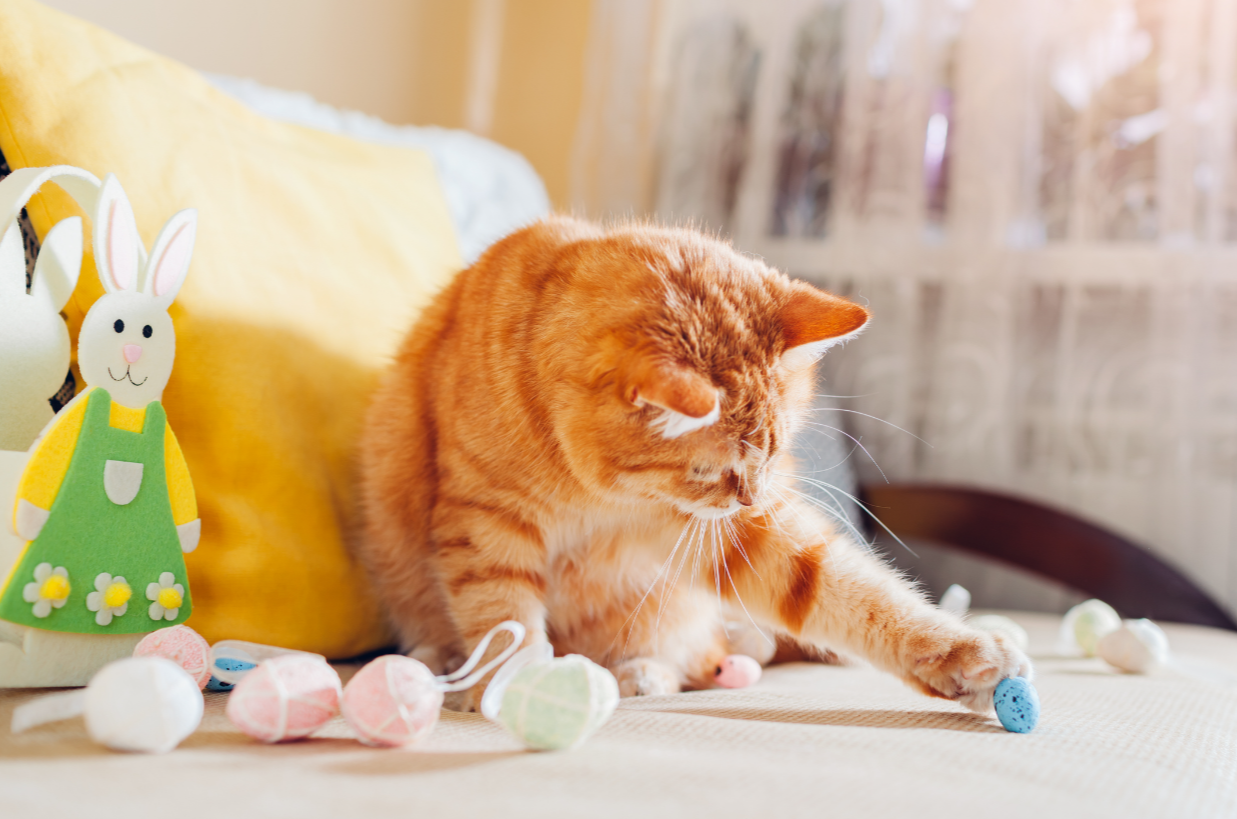
Has your cat lost interest in their favorite toy? You’re not alone.
Cats can suddenly stop playing, leaving you wondering how to spark their curiosity again. But don’t worry—there are simple tricks you can use to make your cat excited about playtime once more. If you want to see your furry friend pounce, chase, and have fun like before, keep reading.
This guide will show you exactly how to bring the joy of play back into your cat’s life.

Credit: www.amazon.com
Reasons Cats Lose Interest
Understanding why your cat suddenly loses interest in their favorite toy can help you bring back the fun. Cats have unique reasons for their change in behavior, and spotting the cause is the first step to rekindling their playfulness. Let’s look at some common reasons cats stop engaging with toys.
Age And Energy Levels
Cats’ energy naturally changes as they get older. A kitten that once chased a feather wand for hours might slow down as it matures. Older cats often prefer shorter play sessions or different types of interaction.
You may notice your cat resting more and playing less. Adjusting playtime to match their current energy can make a big difference. Have you tried offering gentler, slower toys or interactive play that requires less running?
Boredom And Routine
Even the most active cats can get bored with the same toy day after day. Repetition makes toys less exciting. Your cat might ignore the toy simply because it’s predictable.
Try rotating toys to keep things fresh. Hiding a new toy or changing where you play can spark curiosity. What new textures or sounds could you introduce to your cat’s playtime?
Health Issues
Sometimes, a sudden disinterest in play signals health problems. Pain, dental issues, or other discomforts can make your cat less willing to move or engage. If your cat seems lethargic or changes behavior, a vet visit is important.
Even subtle signs, like limping or reduced appetite, matter. Could your cat’s toy aversion be a cry for help? Paying close attention to overall health ensures your cat stays happy and playful.

Credit: www.youtube.com
Choosing The Right Toys
Choosing the right toys can make a huge difference in getting your cat excited to play again. Cats have unique preferences, and picking toys that match their interests can reignite their natural hunting instincts. Understanding what types of toys they enjoy, what materials are safe, and how they like to play will help you select the perfect playthings to keep them engaged.
Types Of Toys Cats Prefer
Most cats love toys that mimic prey, such as small balls, feather wands, or mice-shaped objects. Soft toys that they can carry or bats around appeal to their hunting instincts.
Some cats prefer toys that make noise, like crinkly balls or toys with bells. Others enjoy toys that move unpredictably, such as battery-operated mice or laser pointers.
Have you noticed your cat chasing shadows or pouncing on moving fingers? Those behaviors hint at the types of toys they might enjoy the most.
Material And Safety Considerations
Choosing toys made from non-toxic, durable materials is crucial for your cat’s safety. Avoid toys with small parts that can be swallowed or easily torn off.
Natural materials like cotton, wool, or untreated wood can be safer options. Stay away from toys with harmful dyes or loose strings that might cause choking or intestinal blockages.
Think about your cat’s chewing habits—do they tend to chew aggressively? If yes, pick tougher toys that won’t break apart easily.
Interactive Vs. Solo Play
Some cats love to play alone, batting around balls or chasing toys across the floor. Solo toys keep them entertained when you’re busy or away.
Interactive toys, like feather wands or laser pointers, encourage bonding and exercise. Playing together can reignite your cat’s interest and provide mental stimulation.
Ask yourself: Does your cat get bored quickly during solo play? If so, adding interactive sessions could make a big difference in their enthusiasm.
Creating A Playful Environment
Creating a playful environment helps your cat feel excited and curious. Cats need spaces that invite them to explore and interact. A well-designed area encourages your cat to chase, pounce, and have fun with their toys again.
Setting Up Play Zones
Designate specific spots in your home for playtime. Choose quiet corners or sunny windows where your cat can focus. Keep toys in these zones to make play easy and inviting. Rotate toys often to keep interest high. Play zones give your cat a safe place to enjoy active moments.
Incorporating Cat Furniture
Cat furniture adds fun and climbing options. Use scratching posts, tunnels, and cat trees for variety. These pieces create vertical space, which cats love. They help your cat stay active and curious. Place furniture near play zones to create a complete play area.
Using Scents And Sounds
Introduce scents like catnip to attract your cat to toys. Use toys that make soft sounds or crinkle when moved. These sensory cues increase interest and excitement. Avoid loud noises that might scare your cat. Scents and sounds make playtime more engaging and fun.
Techniques To Reignite Interest
Keeping a cat interested in toys can be challenging. Cats often lose interest quickly. Using specific techniques helps bring back their excitement. These methods stimulate their natural curiosity and play instincts. Try different ways to make playtime fun again.
Rotating Toys Regularly
Cats enjoy new and different toys. Keep only a few toys out at a time. Store the rest in a box. Every few days, swap the toys in and out. This makes old toys feel fresh and exciting. It stops boredom and keeps your cat curious.
Engaging In Interactive Play
Spend time playing with your cat using toys. Use wand toys or laser pointers to move toys around. Let your cat chase, pounce, and catch. This mimics hunting behavior and keeps them active. Your attention also makes playtime more fun and rewarding.
Using Treats And Rewards
Offer small treats during play sessions. Treats encourage your cat to interact with toys. Reward your cat when they show interest in toys. This builds positive connections with playtime. Use treats to motivate and praise good play behavior.
Involving Multiple Cats
Involving multiple cats in play can be both fun and challenging. Cats have different personalities and play styles. This means some may enjoy playing together, while others prefer solo time. Encouraging group play helps build bonds and keeps toys interesting. Careful management prevents fights and stress during play sessions.
Encouraging Social Play
Use toys that promote group interaction. Wand toys and laser pointers work well. Move toys slowly to attract all cats. Praise them when they play nicely together. Short play sessions are better than long ones. Rotate toys to keep interest high. Watch their body language to see comfort levels.
Managing Competition
Competition over toys can cause tension. Provide multiple toys to avoid conflicts. Place toys in different areas of the room. Let each cat have its own space to play. Separate cats if they show signs of aggression. Reward calm behavior around toys. Keep playtime positive and stress-free.
Sharing Toys Safely
Teach cats to share toys by supervising play. Introduce new toys slowly to the group. Clean toys regularly to prevent spread of germs. Use toys that are safe and durable. Avoid toys with small parts that could break off. Offer plenty of toys to reduce guarding. Encourage gentle play and respect between cats.
Monitoring Progress And Adjusting
Watch your cat’s interest closely and note any changes. Change toys or play style if your cat seems bored or distracted. Adjusting quickly keeps playtime fun and engaging for your pet.
Monitoring your cat’s playtime is crucial for keeping it engaged. Understanding its behavior helps tailor activities to its needs. As you introduce new toys or games, observe how your cat reacts. This will guide you in making necessary adjustments. With patience and keen observation, you can revive your cat’s interest in toys.Tracking Playtime Behavior
Keep a journal of your cat’s play habits. Note the time of day it plays most. Record which toys it prefers. Observe its energy levels during play. Does it lose interest quickly? This data helps identify patterns and preferences.Adjusting Strategies
Switch toys regularly to maintain interest. Rotate toys every few days. Introduce new textures and sounds. If a toy is ignored, modify its presentation. Try dangling it or placing it at different heights. Experiment with interactive toys. They might stimulate your cat’s curiosity.When To Consult A Vet
Persistent disinterest in play may signal health issues. If behavior changes suddenly, consult a vet. Look for signs of pain or discomfort. A vet can rule out medical conditions. They can also suggest ways to encourage play. Your cat’s health is essential for active play.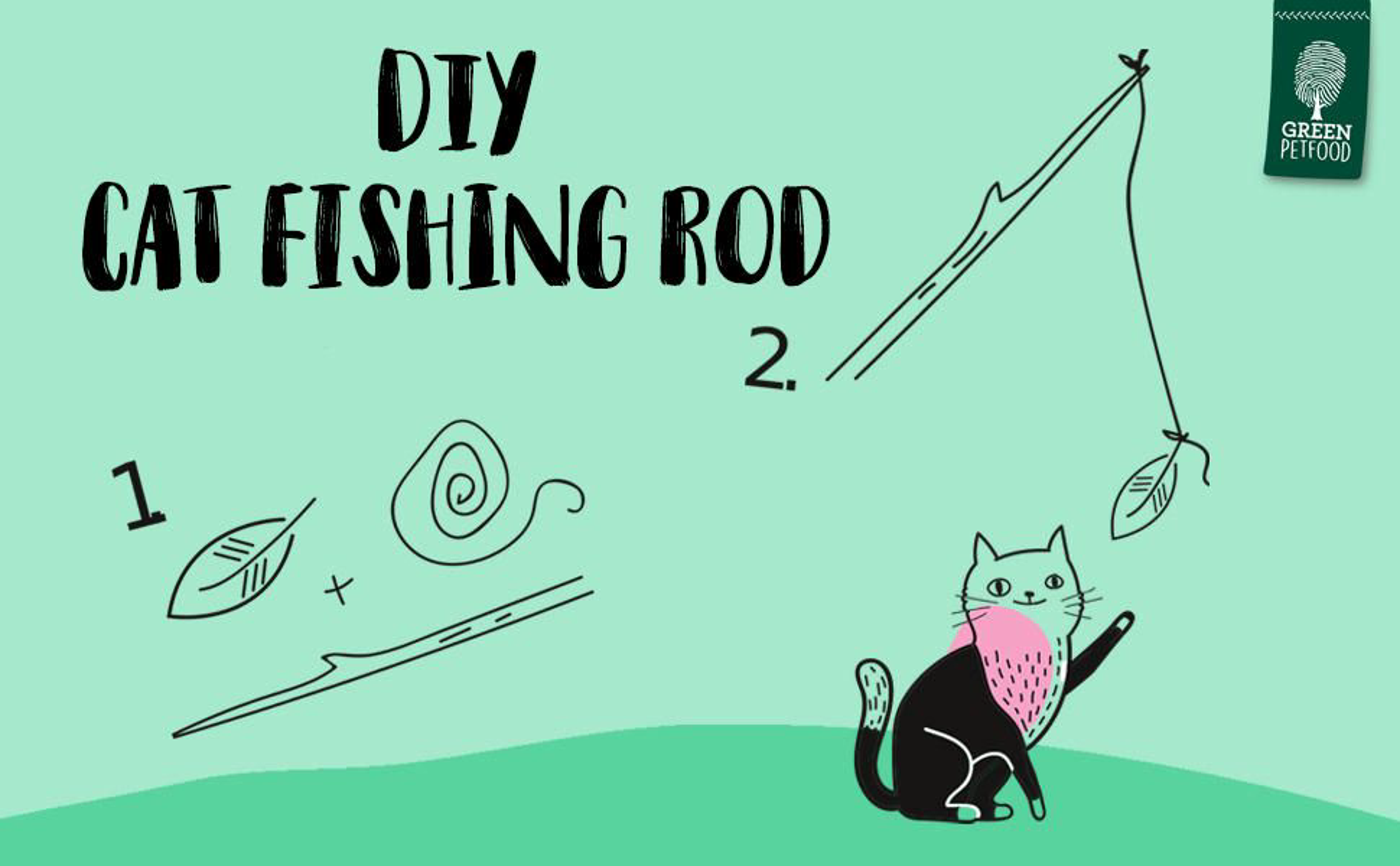
Credit: www.green-petfood.com
Frequently Asked Questions
How To Encourage A Cat To Play With Toys Again?
Reintroduce toys by playing together daily. Use interactive toys like feathers or lasers. Rotate toys to keep interest fresh. Praise and reward your cat for playing. Create a fun, safe environment to boost engagement.
Why Do Cats Lose Interest In Their Toys?
Cats may get bored with the same toys. Toys can lose their scent or novelty. Health issues or age may reduce playfulness. Stress or environmental changes can affect interest. Regularly changing toys and playtime helps maintain excitement.
What Types Of Toys Attract Cats The Most?
Cats prefer toys that mimic prey, like feathers or small balls. Interactive toys that move or make noise are engaging. Soft, lightweight toys are easy to bat and carry. Variety keeps cats curious and eager to play.
How Often Should I Rotate My Cat’s Toys?
Rotate toys every 1 to 2 weeks. This keeps toys novel and interesting. Regular rotation prevents boredom and maintains playfulness. Store unused toys out of sight to renew appeal. Frequent changes stimulate your cat’s natural hunting instincts.
Conclusion
Keeping your cat interested in toys takes patience and care. Try different toys to find what excites them. Play together often to build their trust and fun. Remember, cats need time to warm up to toys again. Small treats can help make playtime more inviting.
Watch your cat’s mood and change toys if needed. Enjoy these moments to strengthen your bond. Play is important for your cat’s happiness and health. Keep trying, and your cat will start playing again soon.

Leave a Reply