Have you ever wondered when your cat might start showing signs of health issues? Knowing when most health problems appear can help you catch them early and keep your furry friend happy and safe.
Your cat can’t tell you when something feels wrong, so it’s up to you to watch for the right signs at the right time. You’ll discover the key stages in your cat’s life when health problems are most likely to show up—and what you can do to protect your companion every step of the way.
Keep reading to learn how to spot trouble before it becomes serious.
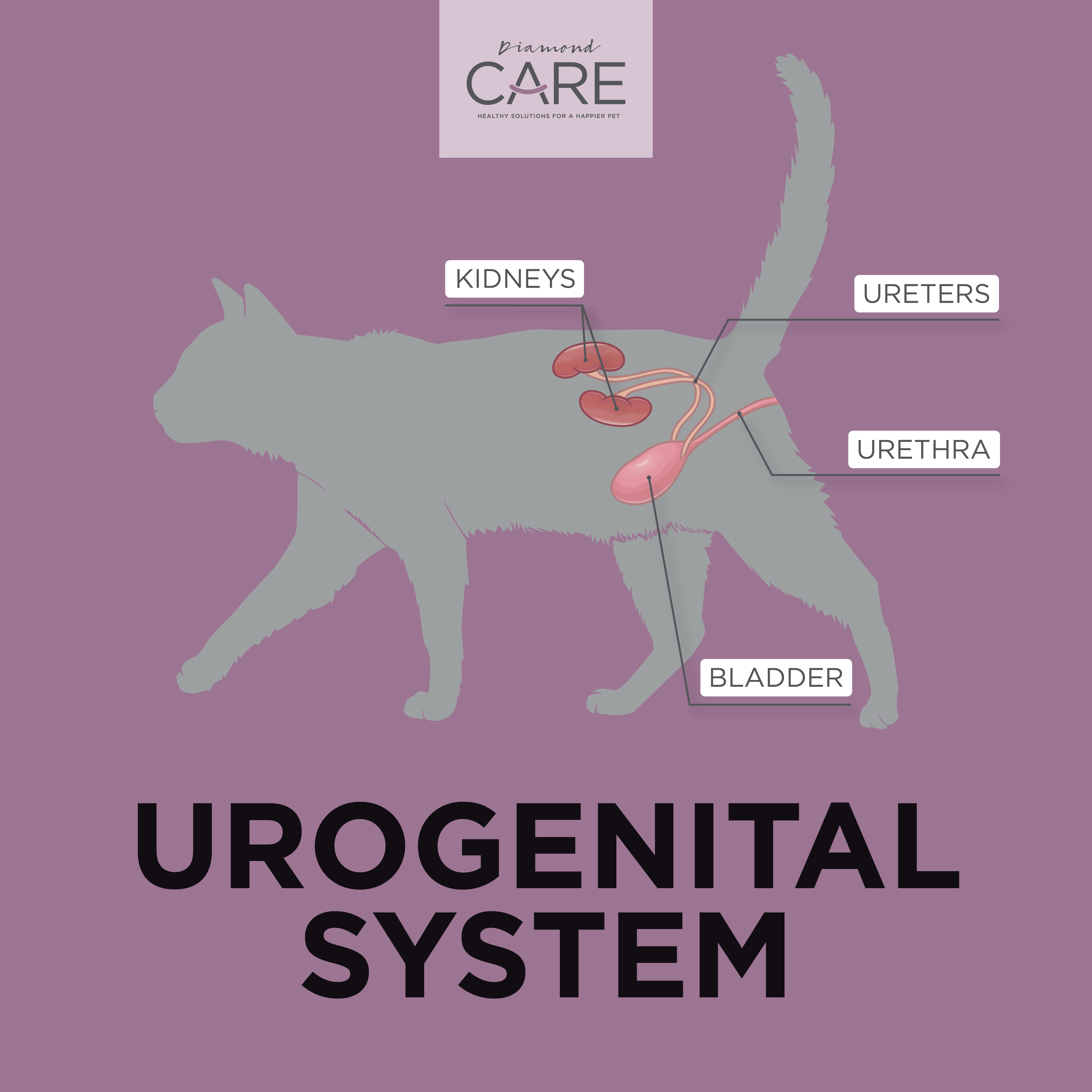
Credit: www.diamondpet.com
Early Life Health Concerns
Early life is a critical time for a cat’s health. Many health issues appear during kittenhood. Understanding these concerns helps ensure your cat grows strong and healthy.
Common Issues In Kittens
Kittens often face health problems such as:
- Respiratory infections causing sneezing and coughing
- Parasites like fleas, ticks, and worms
- Diarrhea from dietary changes or infections
- Eye infections leading to discharge and irritation
Early detection and treatment can prevent serious complications.
Vaccination And Preventive Care
Vaccinations protect kittens from dangerous diseases. Core vaccines include:
- Feline distemper (panleukopenia)
- Feline herpesvirus and calicivirus
- Rabies
Regular vet visits ensure timely vaccines and health checks. Preventive care also includes flea control and proper nutrition.
Genetic Disorders
Some health problems come from inherited traits. Common genetic disorders in cats include:
- Hypertrophic cardiomyopathy affecting the heart
- Polycystic kidney disease causing kidney failure
- Progressive retinal atrophy leading to blindness
Breeders often screen for these conditions to reduce risks. Early diagnosis helps manage symptoms better.
Health Challenges In Adult Cats
Adult cats face a unique set of health challenges that often go unnoticed until they become serious. Understanding these common issues can help you catch warning signs early and support your cat’s well-being effectively. Let’s look at some health concerns typical for adult cats and how you can manage them.
Nutrition And Weight Management
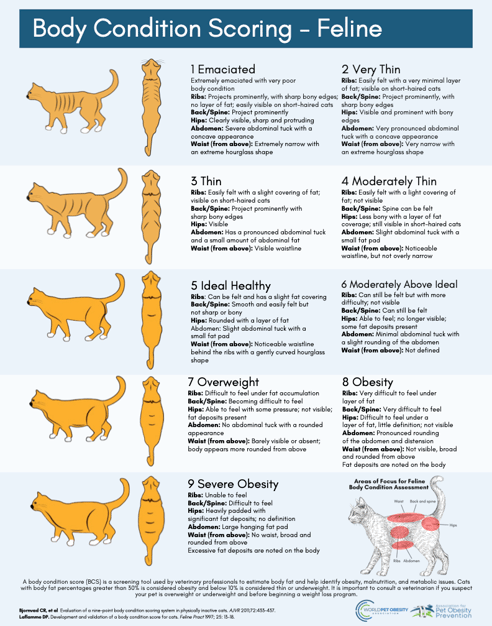
Adult cats’ metabolism slows down, so their dietary needs change. Overfeeding or feeding inappropriate food can lead to obesity, which increases the risk of diabetes and joint problems.
Have you noticed your cat gaining weight or becoming less active? Adjusting their diet by choosing balanced cat food and controlling portion sizes can make a big difference. Regular playtime also helps maintain a healthy weight and keeps your cat engaged.
Dental Problems
Dental issues often start appearing in adult cats but are easy to overlook. Bad breath, difficulty eating, or drooling can signal problems like gingivitis or tooth decay.
Cleaning your cat’s teeth or providing dental treats can prevent these issues. It’s worth asking your vet for a dental check during annual visits to avoid painful complications later.
Chronic Conditions Onset
Chronic diseases such as kidney disease, hyperthyroidism, and arthritis often begin in adult cats. Early signs might be subtle, like increased thirst or changes in behavior.
Do you monitor your cat’s habits closely? Catching these conditions early can improve quality of life dramatically. Regular vet check-ups and blood tests are crucial tools to detect these problems before they worsen.
Senior Cat Health Risks
Senior cats face several health risks as they age. These risks can affect their quality of life and need careful attention. Understanding common health problems helps owners provide better care.
Age-related Diseases
Older cats often develop chronic diseases. Kidney failure, diabetes, and hyperthyroidism are common. Regular vet visits help detect these early. Early treatment improves comfort and lifespan.
Mobility And Joint Issues
Arthritis affects many senior cats. Stiffness and pain reduce movement and play. Cats may hide or avoid jumping. Weight management and medication can ease symptoms.
Cognitive Decline
Some senior cats show signs of cognitive decline. Confusion, disorientation, and changes in sleep patterns occur. Mental stimulation and a calm environment support brain health.
Monitoring And Early Detection
Health issues in cats often appear during middle to old age. Watching for early signs helps catch problems sooner and keeps cats healthier. Regular check-ups and careful observation are key to spotting changes early.
Monitoring and early detection of health problems in cats can make a world of difference in their quality of life. Cats are known for their stoic nature and often hide signs of illness. This makes it crucial for you as a pet owner to be vigilant. The sooner you notice changes or issues, the better your chances are of addressing potential health problems before they become serious.Regular Vet Checkups
Regular vet checkups are essential for maintaining your cat’s health. These visits allow your vet to perform routine health screenings, vaccinations, and dental assessments. Your vet can detect issues early, often before they become apparent to you. During a checkup, your vet might suggest blood tests or X-rays to get a clearer picture of your cat’s health. This proactive approach can lead to early diagnosis and treatment, potentially saving your cat from severe health issues down the line.Behavioral Changes To Watch
Pay close attention to any changes in your cat’s behavior. If your cat suddenly becomes withdrawn or unusually aggressive, it might be a sign of discomfort or pain. Changes in appetite, grooming habits, or litter box use can also indicate health issues. For example, if your cat stops grooming, it could be due to arthritis pain making it difficult to reach certain areas. By noting these changes early, you can seek veterinary advice and address any underlying health problems.Diagnostic Tools
Utilize diagnostic tools to stay informed about your cat’s health. Blood tests, X-rays, and ultrasounds are common tools vets use to diagnose health issues in cats. These tools help in identifying conditions like kidney disease, diabetes, or tumors early. Consider home monitoring tools, such as pet health trackers, which can alert you to changes in your cat’s activity level or sleep patterns. These insights can be invaluable and prompt you to schedule a vet visit sooner rather than later. Are you observing any subtle changes in your cat? Early detection and monitoring can be your best ally in ensuring your feline friend lives a long, healthy life.Preventive Strategies By Age
Preventive care changes as cats grow. Different ages need different focus. Kittens, adults, and seniors all require special attention. Adapting strategies helps keep cats healthy longer. Awareness of age-related needs can reduce health problems. Simple, consistent care makes a big difference.
Diet Adjustments
Young cats need food rich in protein and fats. Their diet supports growth and energy. Adult cats require balanced meals to maintain weight. Overfeeding can cause obesity and related issues. Senior cats benefit from diets with fewer calories. Added fiber helps digestion in older cats. Special diets may support kidney or joint health.
Exercise And Enrichment
Kittens are very playful and need lots of activity. Toys and climbing structures keep them busy. Adult cats need daily exercise to stay fit. Interactive play prevents boredom and stress. Older cats may slow down but still need movement. Gentle play helps maintain muscle and joint health. Puzzle feeders and safe toys stimulate their mind.
Medication And Supplements
Vaccines and deworming are vital for young cats. Adults might need flea and tick prevention year-round. Senior cats often require joint supplements or vitamins. Regular vet visits help track health changes. Medication can manage chronic diseases in older cats. Always consult a vet before adding supplements.
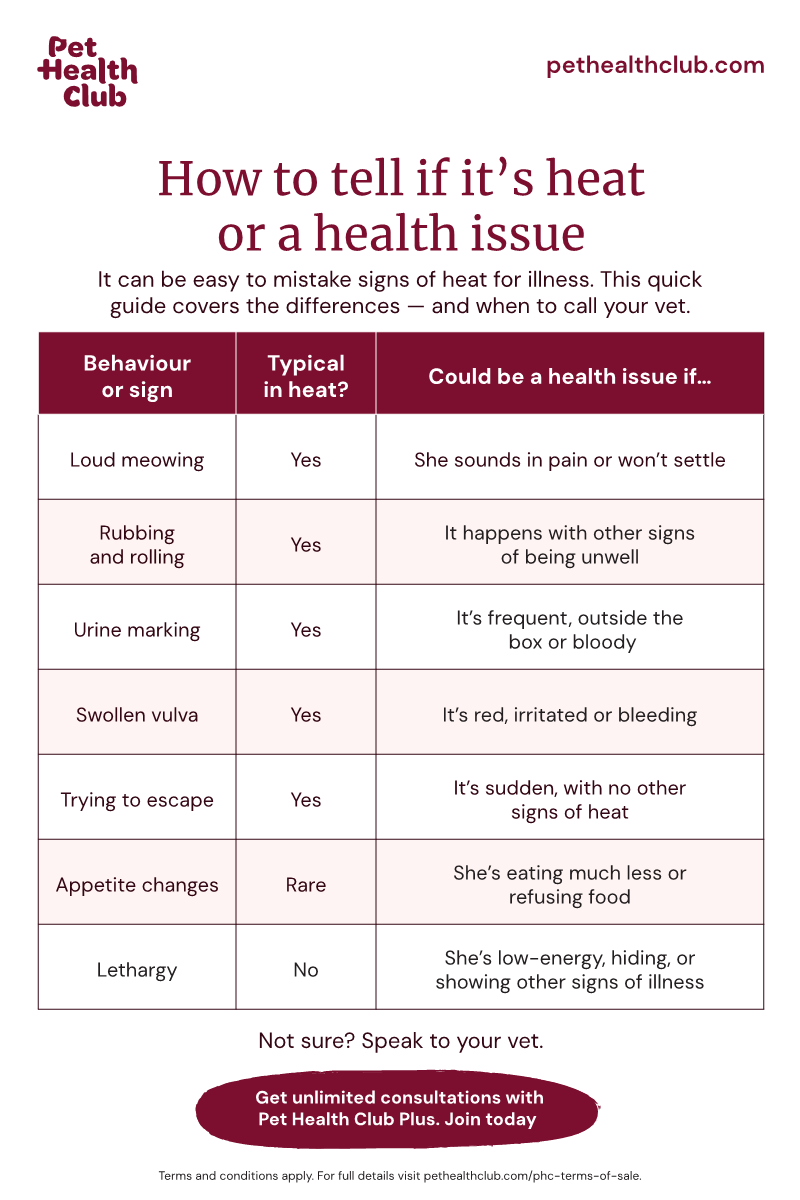
Credit: www.pethealthclub.com
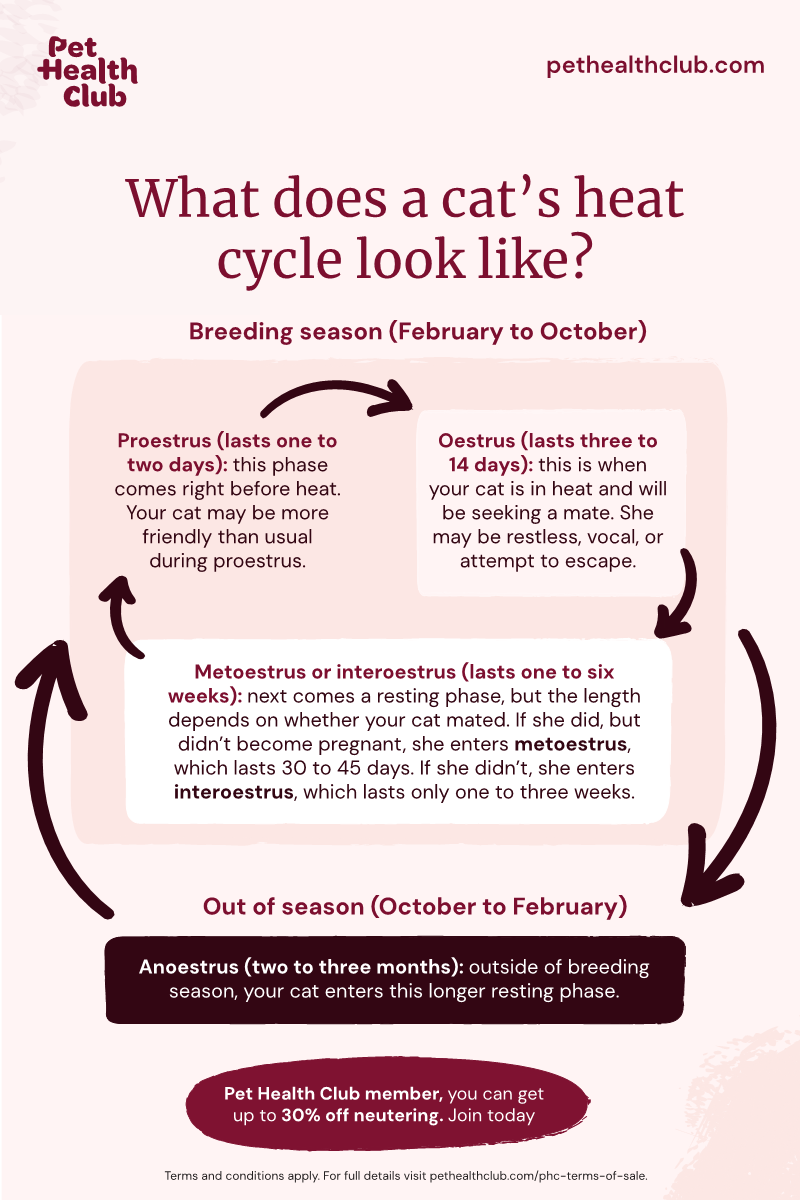
Credit: www.pethealthclub.com
Frequently Asked Questions
When Do Most Health Issues Appear In Cats?
Most health problems in cats commonly appear between 7 to 10 years old. Early detection improves treatment success. Senior cats are more prone to chronic diseases. Regular vet check-ups help identify issues early and maintain your cat’s health.
What Are Early Signs Of Cat Health Problems?
Early signs include changes in appetite, weight loss, lethargy, vomiting, and behavioral changes. These symptoms often indicate underlying health issues. Prompt veterinary attention can prevent worsening and ensure timely treatment for your cat.
How Can I Prevent Health Problems In Cats?
Prevent health problems by providing balanced nutrition, regular exercise, and routine vet visits. Vaccinations and parasite control also protect cats. Early detection through regular check-ups is essential for long-term health and wellbeing.
At What Age Should Cats Start Health Screenings?
Cats should start health screenings at 1 year old, then annually after age 7. Early screenings help detect diseases before symptoms appear. Regular vet visits are critical for monitoring aging cats’ health and preventing complications.
Conclusion
Cats can show health problems at different ages. Kittens often face infections and parasites. Adult cats may get dental issues or obesity. Older cats usually have kidney or joint problems. Watch your cat’s behavior and body closely. Early care helps catch problems fast.
Regular vet visits keep cats healthy longer. Knowing when issues appear helps you act. Keep your cat happy and safe every day.




Leave a Reply