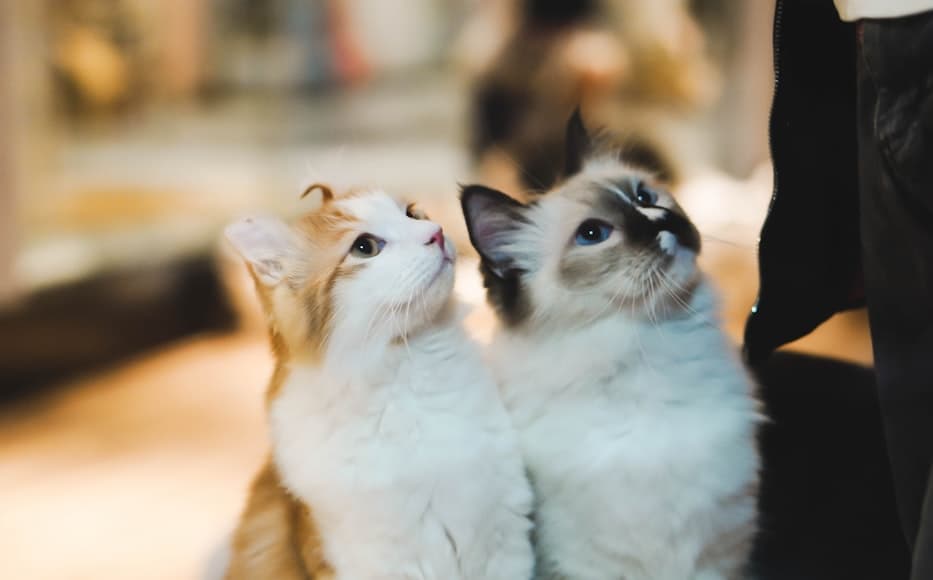
Have you ever noticed one cat in your home always cleaning the others? That’s not just a cute habit—it’s a sign of dominance.
Understanding which cat is dominant grooming can reveal a lot about your pets’ relationships and behavior. If you want to know why your cats groom each other and what it says about their social order, keep reading. This insight can help you create a calmer, happier environment for your furry friends.
Let’s dive into the fascinating world of cat grooming dominance and uncover what it means for your cats.

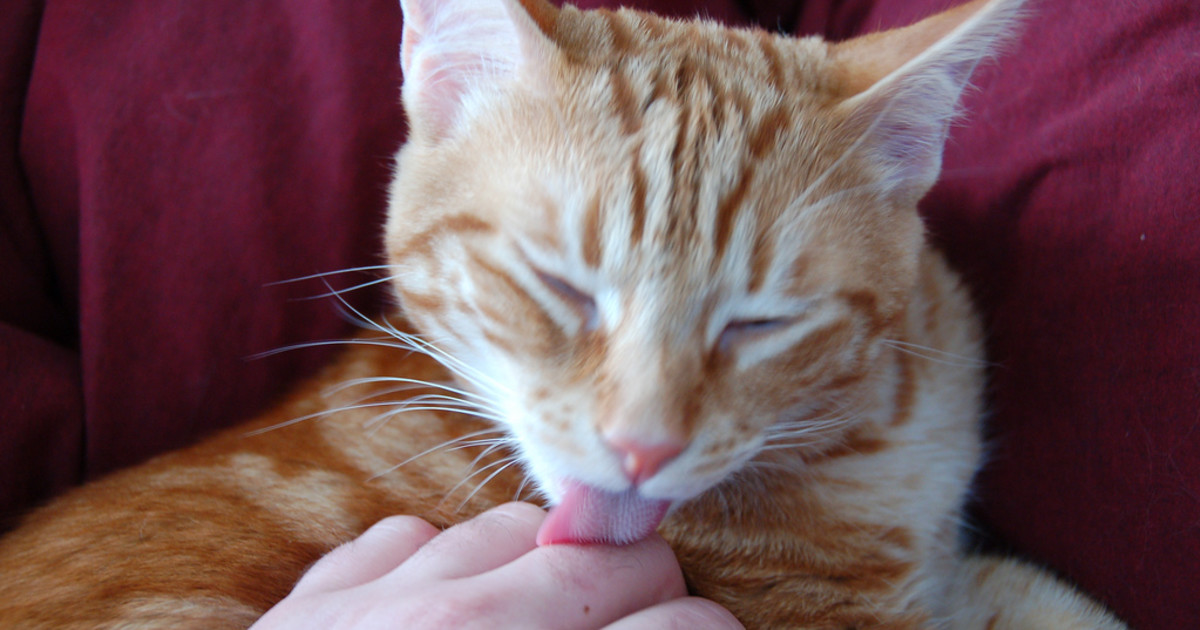
Credit: basepaws.com
Feline Social Behavior
Cats may seem independent, but their social world is rich and complex. Understanding feline social behavior helps you see why some cats take the lead in grooming others. This behavior isn’t just about cleanliness; it’s a social tool that shapes relationships and status within a group.
Hierarchy In Cat Colonies
Cat colonies often have a clear social order, even if it’s subtle. The dominant cats usually have priority access to resources like food, resting spots, and grooming partners. This hierarchy reduces conflicts and helps the group live together more peacefully.
You might notice the dominant cat initiates grooming sessions and decides who gets groomed. It’s their way of showing control and reinforcing their place in the group. Have you seen your cat patiently grooming others or being groomed by multiple cats? That’s a sign of social ranking at play.
Role Of Grooming In Social Bonds
Grooming goes beyond hygiene for cats; it strengthens social bonds. When one cat grooms another, it builds trust and friendship. This mutual grooming, called allogrooming, is a powerful way to reduce tension and increase cooperation.
Dominant cats often use grooming to calm lower-ranking cats and maintain peace. They might focus on sensitive areas like the head and neck, showing care and leadership. Next time you watch cats grooming, ask yourself: who started it, and what message are they sending?

Credit: tryfurgo.com
Dominant Grooming Patterns
Dominant grooming patterns reveal a lot about cat social behavior. These behaviors show which cat leads the group. Grooming is not just about cleanliness. It is also about power and trust. The dominant cat often controls grooming sessions. This control helps establish social ranks among cats.
Identifying The Alpha Cat
The alpha cat usually starts grooming others. This cat picks who gets groomed and when. Watch for a cat that grooms more than it gets groomed. The alpha often grooms around the head and neck first. This area is hard for cats to reach themselves. Being groomed here shows trust and submission. The alpha cat’s body language is confident. It may stand tall or use steady eye contact. Other cats often stay close but avoid challenging this cat.
Grooming Frequency And Control
The dominant cat controls grooming frequency and duration. It decides when grooming stops or continues. This cat may groom multiple cats in one session. Grooming is a tool to calm or assert control. The dominant cat’s grooming sessions are longer and more deliberate. Submissive cats tend to groom less and accept grooming quietly. Interrupting the alpha’s grooming can cause tension or conflict. Observing grooming patterns helps understand the social order in a group.
Body Language And Signals
Body language plays a key role in showing which cat is dominant during grooming. Cats use their posture, movements, and signals to communicate power and control. Observing these signs helps understand their social dynamics.
Postures During Grooming
Dominant cats often take the lead in grooming sessions. They stand or sit tall with a relaxed but confident stance. Their bodies are steady and calm, showing control.
Submissive cats usually lower their heads and bodies. They may crouch or turn away slightly. This posture signals respect and acceptance of the other cat’s dominance.
Watch for raised tails and forward ears in the dominant cat. These signs show alertness and authority. The submissive cat might keep its tail down or tucked close.
Vocalizations And Facial Cues
Dominant cats may use soft purring or gentle meows to assert their presence. Their faces appear calm and focused. Eyes might be half-closed, signaling comfort and control.
Submissive cats often make quieter sounds or remain silent. Their eyes can be wide open or averted. This shows they do not want to challenge the dominant cat.
Facial expressions like slow blinking from the dominant cat can mean trust. In contrast, quick glances or avoiding eye contact suggest submission or nervousness.

Credit: basepaws.com
Benefits Of Dominant Grooming
Dominant grooming shows which cat leads in social groups by cleaning others more often. This behavior helps build trust and reduce conflicts among cats. Recognizing the dominant groomer reveals the cat’s role in their group hierarchy.
Understanding the dynamics of cat grooming, particularly dominant grooming, can reveal fascinating insights into feline behavior. Dominant grooming is not just about keeping clean; it plays a pivotal role in maintaining social bonds and harmony within a group. Let’s explore the benefits of this intriguing behavior.Reinforcing Social Status
Dominant grooming helps cats establish and reinforce their social hierarchy. In a multi-cat household, the cat that engages in grooming others often holds a higher social rank. This is similar to human social cues, where a leader may guide or assist others, establishing their role within the group. Imagine your cats, where one typically initiates grooming sessions. This cat may be subtly asserting its leadership. Understanding this can help you better manage interactions, ensuring all cats feel secure in their social standing.Stress Reduction And Group Harmony
Grooming acts as a stress reliever for cats, much like a comforting hug or a friendly pat on the back for humans. When one cat grooms another, it can significantly reduce tension and anxiety within the group. This act of care promotes a peaceful coexistence, preventing potential conflicts and misunderstandings. Have you noticed your cats appearing more relaxed after grooming sessions? This soothing ritual not only strengthens their bond but also enhances the overall harmony in your home. By recognizing and encouraging these natural behaviors, you contribute to a stress-free environment for your feline friends. Engaging with your cats and observing these grooming behaviors can offer more than just a clean coat. It reveals a world of communication, hierarchy, and emotional well-being. What other subtle behaviors have you noticed that speak volumes about your cats’ interactions?Factors Influencing Grooming Dominance
Grooming dominance among cats depends on several key factors. These influence which cat leads in grooming sessions and how they interact. Understanding these elements helps reveal social patterns in feline groups.
Age And Experience
Older cats often take the lead in grooming. Their experience gives them confidence in social settings. Younger cats tend to follow and learn grooming habits. Age creates a natural hierarchy in grooming roles. Experience also helps cats judge when to groom or be groomed.
Gender And Personality Traits
Gender can affect grooming dominance. Male cats may be more assertive in some groups. Female cats often show nurturing behaviors that include grooming. Personality traits like confidence and friendliness play a big role. Bold cats usually dominate grooming, while shy ones prefer to be groomed.
Observing Grooming In Multi-cat Homes
Observing grooming behavior in a home with multiple cats offers a unique window into their social dynamics. Grooming is more than just cleanliness; it’s a language of trust, hierarchy, and sometimes tension. Paying close attention to who grooms whom, and how, can tell you a lot about which cat is dominant and how your pets relate to each other.
Signs Of Healthy Interactions
Healthy grooming usually looks calm and mutual. You’ll see cats taking turns licking each other’s heads, necks, and backs gently. This reciprocal grooming helps build bonds and shows acceptance between cats.
Look for relaxed body language during grooming—soft eyes, still tails, and no sudden movements. If one cat initiates grooming and the other leans in or purrs, it’s a clear sign of trust. This behavior often means your cats feel comfortable and secure together.
Have you noticed your cats grooming each other right before they settle down for a nap? That peaceful moment reflects a strong social connection. Healthy grooming can even reduce stress, making your home more harmonious.
When Grooming Indicates Conflict
Not all grooming is friendly. Sometimes, a dominant cat forces grooming on a submissive one to assert control. This can look like one cat licking another’s face aggressively or holding the other still.
Watch for signs of discomfort—such as the groomed cat trying to escape, flattening ears, or flicking its tail. These signals mean the grooming is unwanted and may be a power play rather than an act of affection.
If grooming sessions end with hissing, swatting, or avoidance, tension is likely brewing. You might see a dominant cat monopolizing grooming time or interrupting others. This behavior can indicate stress or imbalanced social structure that you may need to address.
Frequently Asked Questions
Which Cat Usually Dominates Grooming Sessions?
The dominant cat often initiates and controls grooming. This cat shows confidence and social status. Grooming is a bonding and hierarchy tool among cats.
How Does Dominant Grooming Affect Cat Relationships?
Dominant grooming establishes social order and trust. It reduces conflicts and strengthens bonds. Subordinate cats accept grooming to maintain peace.
Can Grooming Dominance Change Over Time?
Yes, grooming dominance can shift with age or health. New cats or changes in environment also influence grooming roles. Dominance is flexible, not fixed.
Why Do Cats Groom Each Other So Often?
Cats groom to clean and bond. Mutual grooming reduces stress and strengthens social ties. It also establishes dominance and trust within the group.
Conclusion
Cats often show who is dominant through grooming habits. The dominant cat usually grooms others more often. This behavior builds bonds and shows trust. Watching how cats groom helps understand their social roles. Every cat group has its own grooming rules.
Recognizing dominant grooming can improve how you care for your pets. It also keeps your cats happy and calm. Pay attention to these signs in your home. Understanding cat grooming strengthens your connection with them.

Leave a Reply