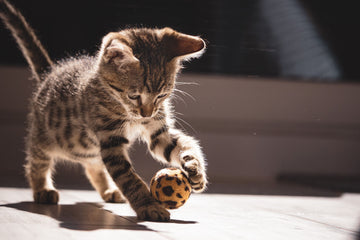
Have you ever noticed your cat carrying around the same toy, batting it gently, or even curling up next to it? It makes you wonder—do cats actually get attached to their toys like we do?
Understanding this connection can change how you choose and care for your cat’s playthings. If you want to discover the surprising reasons behind your feline’s favorite toy and how it affects their happiness, keep reading. You might just find the secret to making playtime more meaningful for your furry friend.
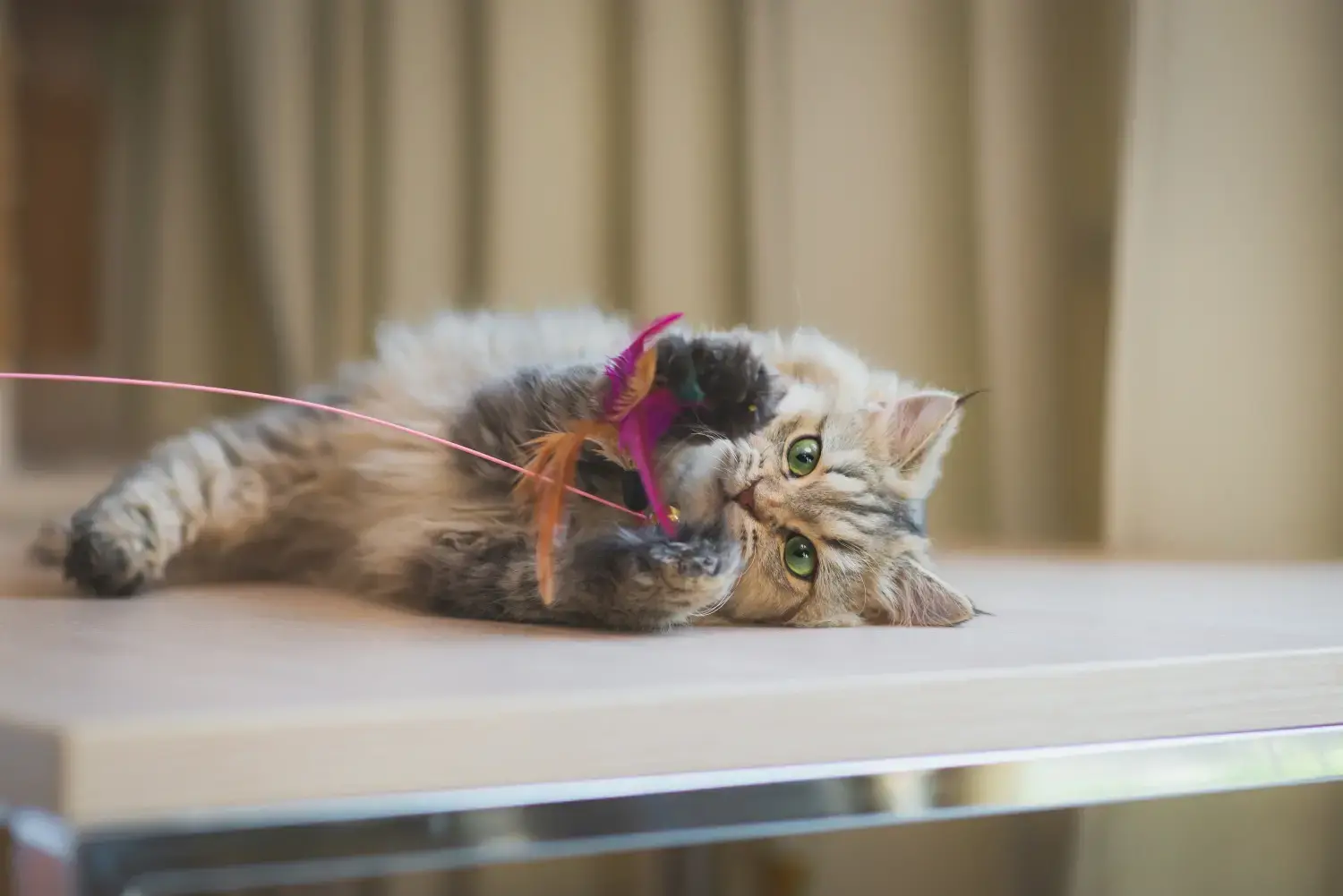
Credit: blog.homesalive.ca
Emotional Bonds In Cats
Cats show deep emotional bonds, not just with humans but also with objects. Their toys often become more than playthings. Toys can offer comfort, security, and joy. Understanding these bonds helps owners care better for their pets.
Signs Of Attachment
- Your cat carries a toy around like a prized possession.
- They sleep with the toy or bring it to their favorite spots.
- Purring or kneading near the toy indicates comfort and happiness.
- Your cat might groom the toy, treating it like a friend.
- Repeated play with the same toy shows strong preference and connection.
Why Toys Matter
Toys help cats express natural hunting instincts. They provide mental and physical exercise. Toys reduce stress and prevent boredom. A favorite toy can be a source of emotional support.
Having toys encourages cats to stay active and healthy. It also strengthens the bond between cats and their owners. Toys become part of a cat’s daily routine, making life richer and happier.
Types Of Cat Toys That Build Bonds
Cats form attachments to toys that engage their senses and curiosity. Toys that feel soft or move can create strong connections. These toys offer comfort and fun, helping cats feel safe and happy.
Choosing the right toy can encourage play and trust between you and your cat. Toys that respond to your cat’s actions often become favorites. Here are two main types that help build strong bonds.
Soft And Plush Toys
Soft toys provide comfort like a small companion. Cats often carry them around or cuddle with them. Plush toys can mimic prey, making play feel natural and satisfying.
Many cats enjoy kneading and biting soft toys. These actions release stress and create a sense of security. The texture and size of these toys make them easy to carry and snuggle.
Interactive And Moving Toys
Interactive toys grab a cat’s attention quickly. Toys that move or react spark a cat’s hunting instincts. This makes playtime exciting and mentally stimulating.
Examples include balls that roll, feather wands, and battery-powered mice. These toys encourage cats to chase, pounce, and explore. They help build a stronger bond by involving you in the play.
How Cats Show Attachment
Cats can form strong bonds with their toys. They show attachment in many clear ways. These behaviors help owners understand how much their pets value certain objects. Watching these signs reveals a cat’s affection for its favorite toy.
Carrying And Grooming Toys
Cats often carry toys in their mouths. This action mimics how they would carry prey in the wild. It shows the toy is special and important to them.
Grooming toys is another sign of attachment. Cats lick or nibble their toys gently. This behavior is similar to how they groom themselves or other cats. It creates comfort and a sense of security.
Sleeping With Favorite Toys
Many cats like to sleep with their favorite toys nearby. The toy becomes a source of comfort and safety. It helps the cat feel calm and relaxed during rest.
Sleeping with a toy also shows trust. The cat feels safe enough to rest while holding or lying next to the object. This attachment is a sign of emotional bonding.
Benefits Of Toy Attachment
Cats often find comfort in their favorite toys, which can reduce stress and provide mental stimulation. These attachments encourage play, helping cats stay active and happy. Toys can also offer a sense of security, especially when owners are away.
Cats often form attachments to their toys, and this connection offers several benefits. These attachments can improve their well-being and bring joy. Understanding the advantages of toy attachment can help you support your feline friend better.Comfort And Security
Toys provide comfort during lonely times. They become a source of security, acting like a companion. Cats find solace in the familiar scent and texture of their favorite toy. This comfort reduces anxiety and stress, creating a calm environment.Mental Stimulation
Toys challenge a cat’s mind. They keep them alert and engaged. Puzzles and interactive toys encourage problem-solving skills. This mental exercise prevents boredom and promotes a healthy lifestyle. Engaging with toys can improve cognitive function over time.Tips To Encourage Toy Attachment
Encouraging cats to bond with their toys can make playtime more fun and satisfying for them. A strong attachment to toys keeps cats active and mentally sharp. It also helps reduce stress and boredom. Simple steps can make a big difference in how cats view their playthings.
Choosing The Right Toys
Select toys that mimic prey animals to spark your cat’s natural hunting instincts. Soft, small toys that cats can carry in their mouths often become favorites. Toys with feathers, bells, or crinkly sounds attract attention and invite play. Rotate toys regularly to keep them interesting and avoid boredom. Consider your cat’s age and personality when picking toys—some prefer chasing, others like pouncing.
Creating Playtime Rituals
Set a regular time each day for play. Cats enjoy routine and will look forward to these moments. Use toys to engage your cat in interactive play, such as wand toys or laser pointers. Praise or gently pet your cat after play sessions to build positive associations. Short, frequent playtimes work better than long, occasional ones. This helps your cat develop a habit of enjoying toys and feeling attached.

Credit: www.alanastevenson.com
When Toy Attachment Becomes A Concern
Noticing your cat constantly clinging to a single toy might seem cute at first, but it can sometimes signal a deeper issue. Toy attachment becomes a concern when it starts affecting your cat’s well-being or daily routine. Understanding the signs helps you ensure your furry friend stays happy and balanced.
Obsessive Behavior
Obsessive behavior around a toy can look like your cat carrying it everywhere, refusing to engage with anything else, or becoming aggressive if someone tries to take it away.
One cat I know would guard her favorite mouse toy like a treasure, growling and hissing if anyone got too close. This kind of fixation can indicate stress or anxiety.
Ask yourself if your cat shows signs of distress without the toy. If yes, it might be time to gently redirect their attention to other activities.
Balancing Play And Rest
Healthy playtime includes a mix of active and quiet moments. If your cat only plays with one toy and skips breaks, it could lead to burnout or frustration.
Try rotating toys to keep things fresh. This not only prevents boredom but also encourages your cat to explore new textures and sounds.
Watch for signs of tiredness or irritability during play. Encouraging regular rest helps maintain your cat’s physical and mental health.

Credit: www.reddit.com
Frequently Asked Questions
Do Cats Form Bonds With Their Toys?
Yes, cats can form strong attachments to their toys. Toys provide comfort, stimulate hunting instincts, and offer a sense of security. This attachment helps reduce stress and boredom, making toys an important part of a cat’s emotional well-being.
Why Do Cats Prefer Certain Toys?
Cats prefer toys that mimic prey, like small, moving objects. Texture, size, and scent also influence their preference. Toys that encourage interactive play and mental stimulation become favorites, strengthening their attachment.
How Can I Tell If My Cat Loves A Toy?
Signs include carrying, kneading, and sleeping with the toy. Cats may also bat or gently bite it repeatedly. These behaviors indicate emotional attachment and comfort derived from the toy.
Can Toys Help Reduce A Cat’s Anxiety?
Yes, toys help alleviate anxiety by providing mental and physical stimulation. Engaging with toys distracts cats from stressors and promotes positive behaviors. Regular playtime with favorite toys supports emotional health.
Conclusion
Cats often form bonds with their favorite toys. These toys bring comfort and joy to them daily. Toys can keep cats active and mentally sharp. Watching a cat play shows their unique personality. Give your cat different toys to find their favorite.
A well-loved toy helps cats feel safe and happy. Remember, a toy is more than just an object. It becomes a friend your cat trusts and enjoys.

Leave a Reply