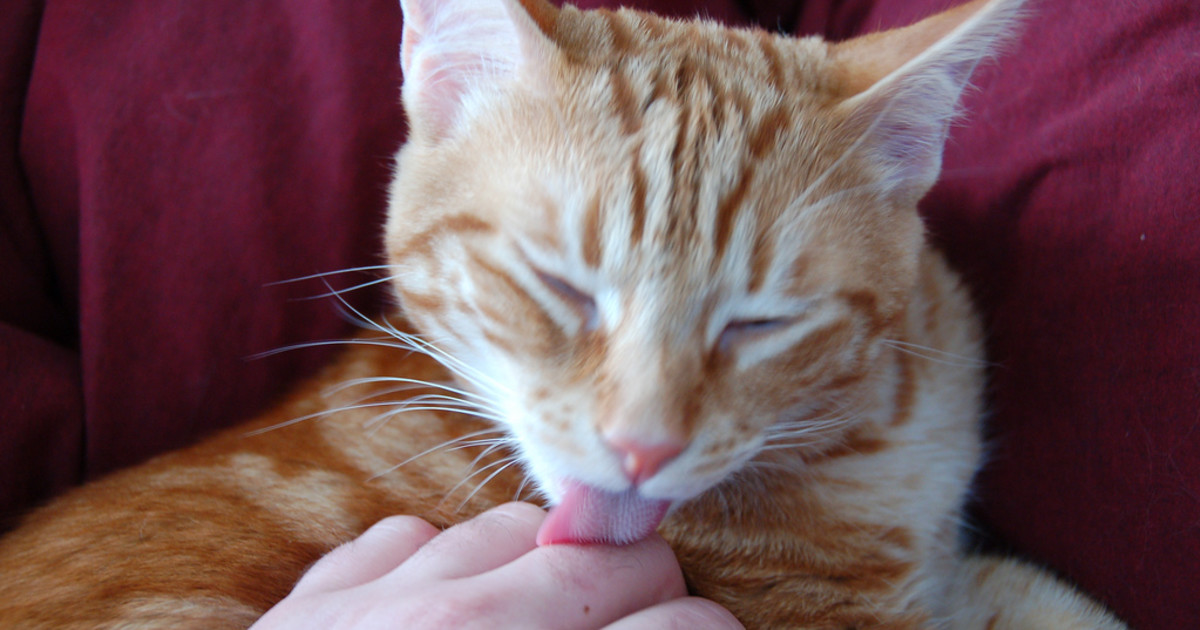
Have you noticed your cat licking or biting its fur more than usual? Over grooming in cats can be a sign of stress, allergies, or even health problems that need your attention.
If you’re worried about your furry friend, it’s important to spot the signs early. You’ll learn how to tell if your cat is over grooming, what causes it, and what steps you can take to help your pet feel comfortable and happy again.
Keep reading—your cat’s well-being depends on it.
Signs Of Over Grooming
Noticing signs of over grooming in your cat early can save you a lot of worry and help your furry friend feel comfortable again. Over grooming happens when your cat licks, bites, or scratches their fur too much. This behavior might be a response to stress, allergies, or even pain. Watch closely for these signs to know when your cat needs a little extra care.
Bald Patches And Hair Loss
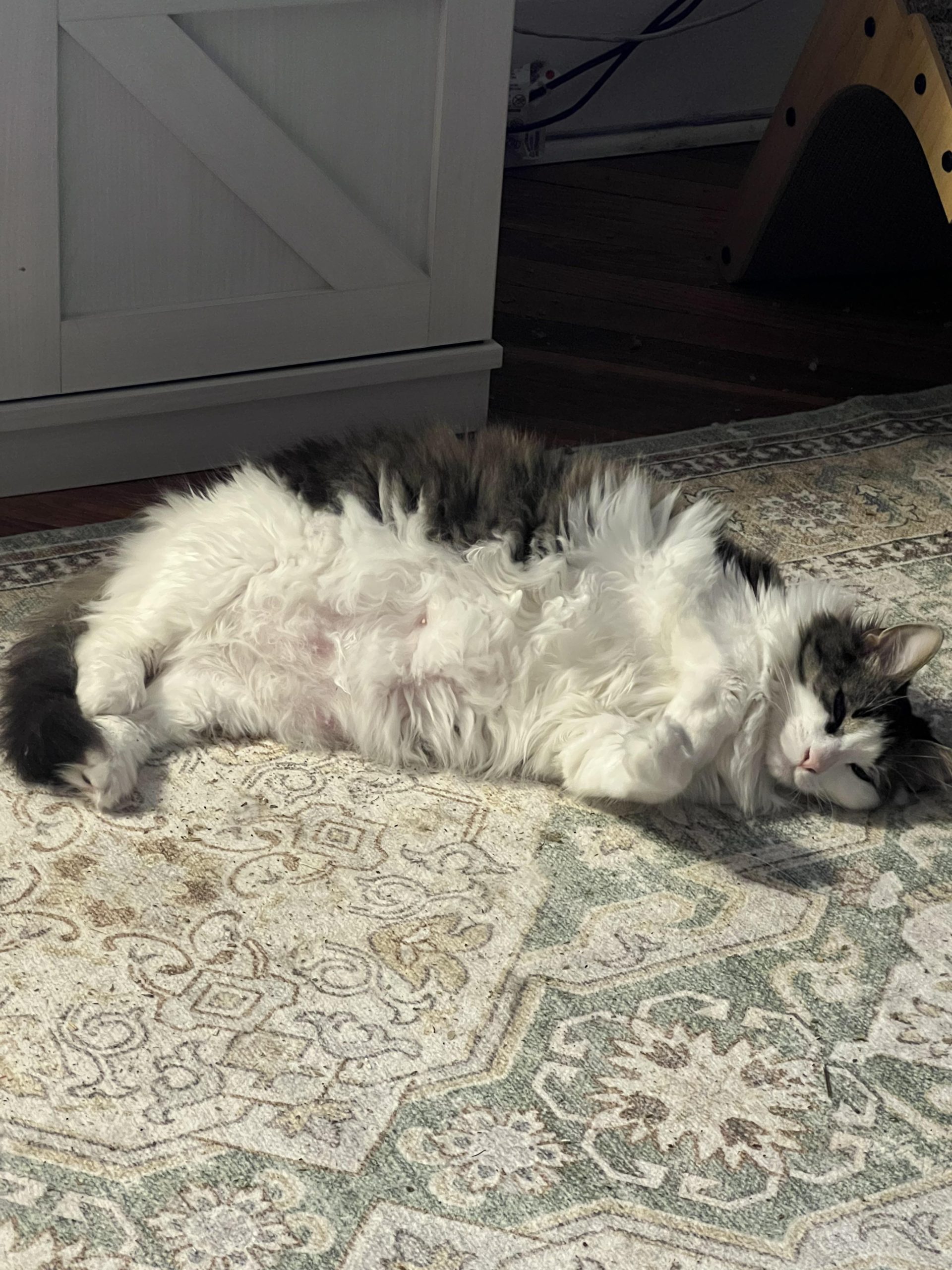
One of the clearest signs of over grooming is bald patches. You might spot areas where the fur is thinning or completely missing. These patches often appear on the belly, legs, or around the neck. If you notice your cat’s fur looking uneven or missing, it’s time to pay attention to their grooming habits.
Redness And Skin Irritation
Red or inflamed skin under the fur is another warning sign. Constant licking or scratching can cause your cat’s skin to become irritated. This might look like pink or red patches that feel warm to the touch. Keep an eye out for any changes in your cat’s skin color or texture—they often can’t tell you when something hurts.
Scabs And Sores
Repeated over grooming can lead to scabs or open sores. These can develop if your cat bites or scratches themselves aggressively. Scabs might look crusty or raw, and sores can be painful or itchy. If you spot these, your cat may be stuck in a cycle of discomfort that needs to be broken.
Excessive Licking Behavior
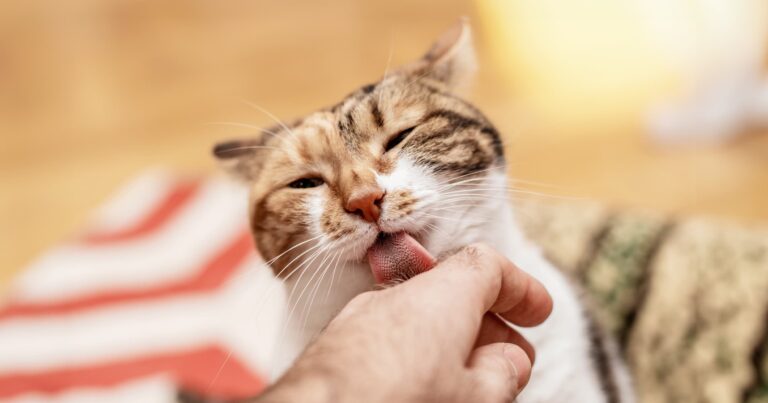
You might catch your cat licking certain spots way more than usual. This repetitive behavior often causes damage to their skin and fur. If your cat spends a lot of time focused on one area, it could be a sign they’re over grooming. Ask yourself: is this licking normal grooming, or is it becoming a problem?

Credit: www.reddit.com
Common Causes Of Over Grooming
Over grooming in cats is often a sign of an underlying issue. Understanding the common causes helps in identifying the problem early. Cats groom themselves to stay clean, but too much grooming can cause harm. Several factors can trigger this behavior, affecting their health and happiness.
Stress And Anxiety
Stress is a major cause of over grooming. Changes in the home, new pets, or loud noises can make cats anxious. They may lick or bite their fur excessively to cope. This behavior often worsens if the stress continues.
Allergies And Skin Conditions
Allergies cause itching and irritation in cats. Food ingredients, pollen, or dust mites may trigger allergic reactions. Skin conditions like dermatitis also lead to constant grooming. Cats try to relieve their discomfort by licking or scratching.
Parasites And Infections
Parasites such as fleas and mites irritate the skin. These tiny creatures cause itching and discomfort. Infections from bacteria or fungi can also cause over grooming. Cats focus on affected areas to ease the pain or itch.
Pain Or Discomfort
Pain from injuries or arthritis can make cats groom more than usual. They try to soothe sore spots by licking. Internal problems may also cause discomfort that leads to over grooming. Observing their behavior helps spot these issues early.
Behavioral Changes To Watch
Noticing behavioral changes in your cat can be one of the earliest signs that they are over grooming. These shifts often reveal discomfort or stress before physical symptoms become obvious. Watching closely can help you catch the problem early and provide the right support.
Restlessness And Agitation
Your cat may pace around more than usual or seem unable to settle down. They might scratch or lick themselves repeatedly, even in places not normally targeted. Have you seen your cat suddenly jump or twitch as if something is bothering them? These signs often point to anxiety or irritation linked to over grooming.
Changes In Appetite
A drop or increase in eating habits can signal stress in cats. If your cat starts eating less or seems uninterested in their favorite treats, it could be due to discomfort from over grooming. Conversely, some cats may eat more when stressed, which you might not expect. Watch for sudden appetite shifts and consider what else might be bothering your cat.
Avoidance Of Interaction
If your cat starts hiding or avoids being petted, this change deserves your attention. Over grooming can cause soreness, making your cat less willing to engage with you or other pets. You might notice them retreating to quiet corners or refusing to come when called. Are you giving your cat enough space to feel safe while also checking on their wellbeing?
When To Visit The Vet
Excessive grooming can cause bald spots or sores on a cat’s skin. Watch for constant licking or biting in one area. Visit the vet if your cat’s fur looks thin or irritated.
Knowing when to visit the vet can be crucial if you suspect your cat is over-grooming. While grooming is a natural behavior for cats, excessive grooming may signal underlying issues that need attention. It’s essential to observe your feline friend closely to determine if a vet visit is necessary.Persistent Skin Problems
If your cat has ongoing skin issues like redness, bald patches, or sores, it might be time to consult the vet. Chronic skin problems can indicate allergic reactions, parasites, or other health concerns. Don’t wait for the condition to worsen before seeking professional advice.Signs Of Infection
Look out for signs of infection such as swelling, pus, or unpleasant odors. These symptoms often accompany over-grooming and can lead to more severe health issues if left untreated. A vet can help diagnose the cause and provide appropriate treatment to prevent complications.Behavioral Concerns
Has your cat’s grooming behavior changed suddenly? If your cat appears stressed or anxious, or if you notice an increase in grooming frequency, it might be a sign of a behavioral issue. Identifying the root cause with a vet can prevent further distress for your cat and help restore their well-being. Observing these signs in your cat can be concerning. However, timely intervention can make all the difference. Would you rather be safe than sorry when it comes to your furry friend’s health?Treatment Options
Treating a cat that overgrooms requires a careful approach. The goal is to stop excessive licking and help the skin heal. Various treatments can ease discomfort and reduce the behavior. Some treatments focus on the physical symptoms. Others target the causes, like stress or boredom. Combining treatments often works best.
Medications And Topical Treatments
Veterinarians may prescribe medications to reduce itching and inflammation. These include antihistamines or steroids. Antibiotics might be necessary if infections develop. Topical creams or sprays can soothe irritated skin. They help to speed up healing and reduce discomfort. Follow the vet’s instructions carefully for best results.
Environmental Enrichment
Providing a stimulating environment helps prevent overgrooming. Toys, scratching posts, and climbing trees keep cats busy. Playtime with owners offers mental and physical exercise. New scents or safe outdoor enclosures can add interest. A rich environment lowers boredom, which often triggers overgrooming.
Stress Reduction Techniques
Stress plays a big role in overgrooming. Creating a calm space can help your cat relax. Use pheromone diffusers designed for cats. Soft music or white noise may reduce anxiety. Keep a regular routine to avoid sudden changes. Gentle handling and quiet time support emotional health.

Credit: www.reddit.com
Preventing Over Grooming
Preventing over grooming in cats helps keep their skin healthy and fur full. It stops wounds and infections caused by excessive licking or scratching. Prevention requires attention to health, diet, and the cat’s surroundings. Small changes can make a big difference in your cat’s comfort and happiness.
Regular Vet Checkups
Regular vet visits catch skin problems early. The vet can spot allergies, parasites, or infections causing discomfort. Timely treatment prevents over grooming from becoming worse. Schedule vet checkups at least twice a year. Keep records of any skin changes or unusual behavior to share with the vet.
Balanced Diet And Nutrition
Good nutrition supports healthy skin and fur. A balanced diet includes essential fatty acids, vitamins, and minerals. These nutrients reduce itching and dryness that lead to over grooming. Choose high-quality cat food made for your cat’s age and health. Avoid sudden diet changes that might upset the stomach or skin.
Creating A Calm Environment
Stress triggers over grooming in many cats. A quiet, safe space helps your cat relax and feel secure. Provide cozy spots and hiding places for comfort. Keep a consistent daily routine to reduce anxiety. Use toys and gentle play to distract your cat from licking or biting itself.

Credit: www.reddit.com
Frequently Asked Questions
What Are Common Signs Of Cat Over Grooming?
Common signs include bald spots, redness, scabs, and constant licking. Cats may also chew or scratch excessively, leading to skin damage.
Why Do Cats Start Over Grooming Themselves?
Cats over groom due to stress, allergies, parasites, or skin infections. Behavioral issues or pain can also trigger excessive grooming habits.
How Can I Stop My Cat From Over Grooming?
Identify the cause first, then consult a vet. Use stress relief methods, treat allergies, and provide environmental enrichment.
When Should I See A Vet For Over Grooming?
See a vet if bald patches, wounds, or behavior changes appear. Early treatment prevents infections and underlying health problems.
Conclusion
Cats that groom too much need attention and care. Watch for bald spots or redness on their skin. Stress, allergies, or pain often cause over grooming. Helping your cat means finding the problem fast. Talk to a vet if you see signs.
Healthy grooming keeps cats happy and calm. Small changes in behavior can tell a lot. Keep your cat comfortable and loved every day.

Leave a Reply