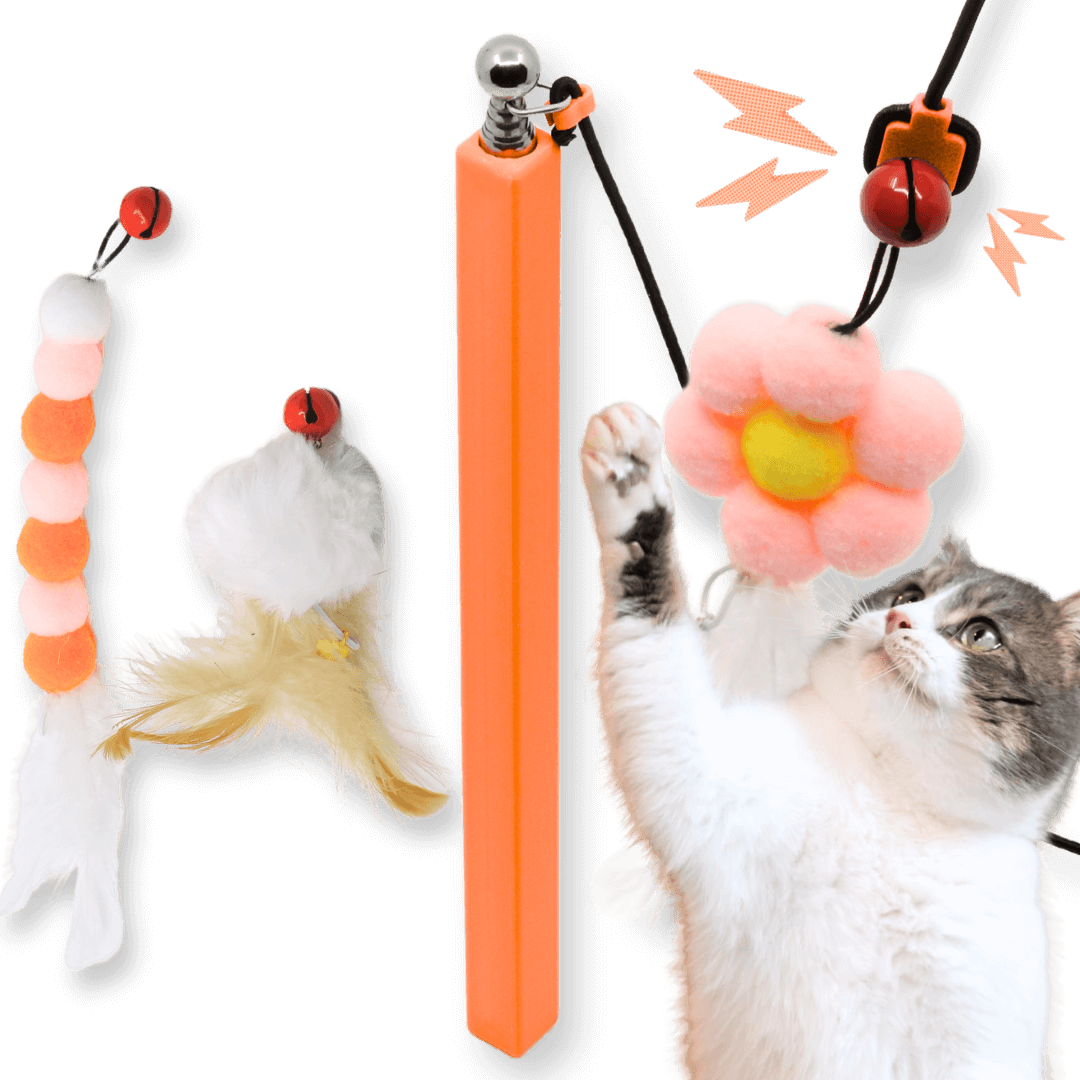
Have you ever wondered if your cat can actually catch something when playing with a toy? You might see your furry friend pounce, swipe, and chase, but does that toy ever turn into a real catch?
Understanding this can change how you play with your cat and keep them happy and active. You’ll discover what really happens when your cat goes after their toys—and how you can make playtime more exciting and satisfying for both of you.
Keep reading to unlock the secrets behind your cat’s hunting instincts and toy-catching skills!
Cat Hunting Instincts
Cats have strong hunting instincts that come from their wild ancestors. These instincts help them survive and thrive. Even indoor cats show these behaviors through play. They use toys to mimic real hunting actions.
Natural Predators
Cats are natural hunters. Their ancestors hunted birds, mice, and small animals. This instinct is still alive in domestic cats. They watch, stalk, pounce, and catch. Their eyes and ears are sharp to detect movement.
Play And Practice
Playing with toys helps cats practice hunting skills. Toys imitate prey movements, like fluttering or running. Cats chase, bat, and capture toys to simulate catching real prey. This keeps their mind and body active.
Hunting Vs Playing
Hunting is serious and focused. Playing is fun and relaxed. Cats may switch between both quickly. Play toys provide safe ways for cats to express hunting urges. It helps reduce stress and boredom.
Credit: www.amazon.ca
How Cats Interact With Toys
Cats love to play with toys. Toys help cats use their natural hunting skills. Playing keeps cats active and happy. It also reduces stress and boredom. Understanding how cats interact with toys helps choose the best ones for them.
Types Of Popular Cat Toys
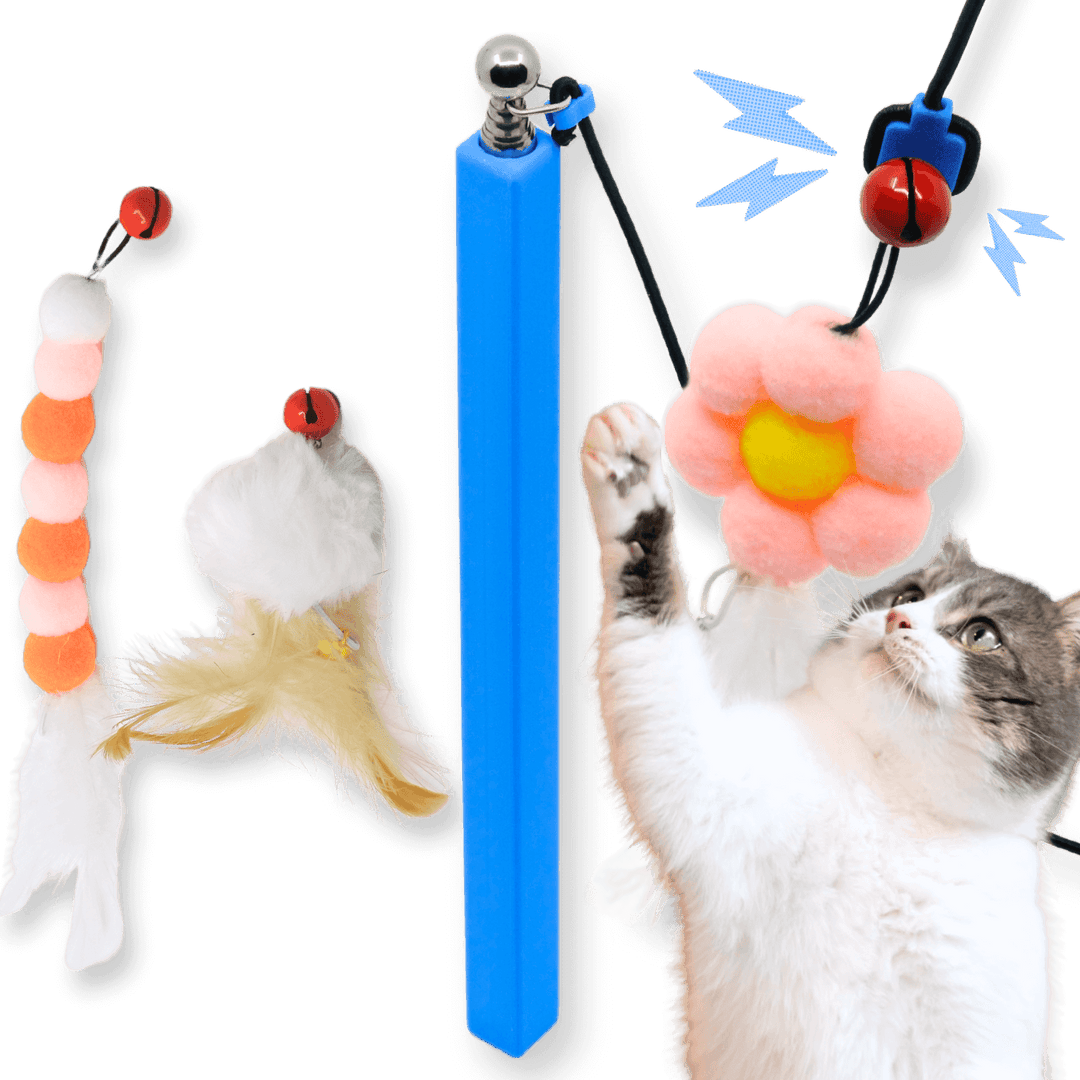
- Feather wands that move like birds
- Small balls for chasing and batting
- Laser pointers that create quick light spots
- Stuffed mice that cats can carry
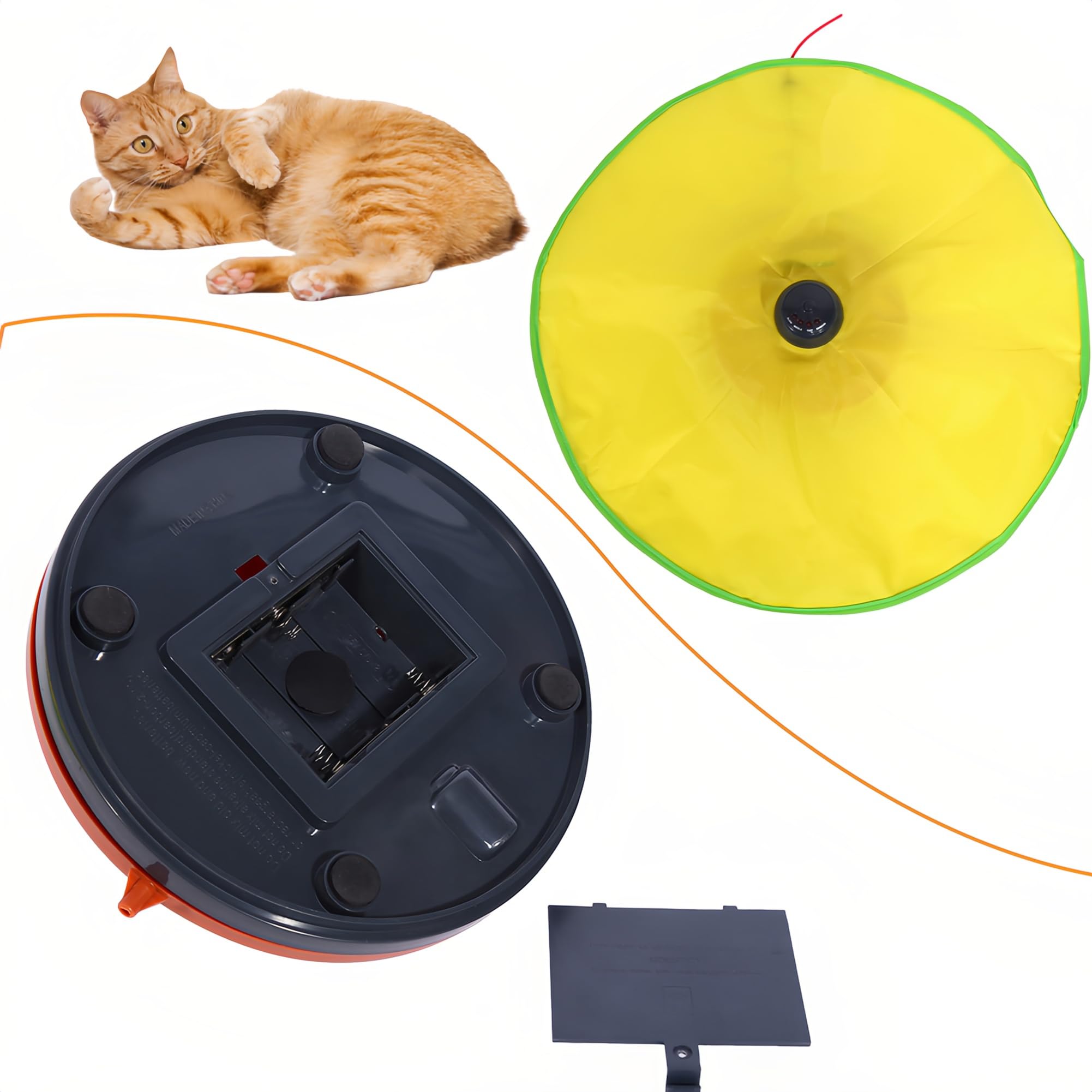
- Interactive toys that move on their own
Chasing And Catching Behavior
Cats chase toys as if hunting real prey. They stalk, pounce, and catch with their paws. This behavior comes from instincts. Catching toys gives cats a sense of success. It also satisfies their need to hunt and play.
Why Toys Mimic Prey
Toys look and move like animals cats hunt. Feathers and small sizes remind cats of birds and mice. Quick, unpredictable movements trigger their attention. These features keep cats interested and excited. Imitating prey makes playtime more natural and fun.
Can Cats Really Catch Toys?
Watching a cat chase a toy is a delightful sight. But can cats really catch toys, or is it all just playful teasing? Understanding how cats interact with their toys gives you insight into their hunting instincts and skills.
Skills Involved In Catching
Catching a toy requires a mix of sharp reflexes and keen eyesight. Cats use their strong paws and quick claws to grab moving objects. Their coordination between eyes, brain, and muscles plays a big role.
Balance is also important. Cats often leap or pounce, needing precise timing to land the catch. This skill comes from their natural hunting behavior, even when the “prey” is a simple feather or ball.
Common Success Rates
Not every attempt to catch a toy ends in success. Most cats might miss about half of their catches, especially with fast or unpredictable toys. This failure is part of the fun and learning process for them.
Some cats become experts, catching toys almost every time. Others enjoy the chase more than the actual catch. Have you noticed your cat’s patience or persistence during playtime?
Factors Affecting Catching Ability
- Age:Younger cats tend to be more agile and quicker, while older cats may have slower reflexes.
- Type of Toy:Light, erratic toys like feathers challenge cats differently than steady ones like balls.
- Environment:Open spaces let cats move freely, while cluttered areas might slow them down.
- Mood and Health:A playful, healthy cat will show better catching skills than one feeling tired or unwell.
Knowing these factors can help you choose the right toys and moments for play. It can turn catch time into a rewarding game for both you and your cat.

Credit: moderncat.com
Benefits Of Toy Catching For Cats
Catching toys helps cats stay active and sharpens their hunting skills. It also provides mental stimulation and reduces stress. Playing with toys keeps cats healthy and happy.
Cats love to play, and toy catching offers them many benefits. This simple activity can enhance their physical and mental well-being. It also strengthens the bond between cats and their owners. Let’s explore these benefits.Physical Exercise
Toy catching helps cats stay active. Chasing and pouncing on toys mimics hunting. This keeps their bodies strong and healthy. Regular play can prevent obesity and related health issues. It also improves agility and coordination. Cats need daily exercise to burn energy and maintain fitness.Mental Stimulation
Playing with toys engages a cat’s mind. It challenges them to think and plan their moves. This mental stimulation keeps their brains sharp. Puzzles and interactive toys enhance their problem-solving skills. Engaging a cat’s mind can reduce boredom and stress.Strengthening Bond With Owners
Interactive playtime strengthens the cat-owner relationship. It builds trust and affection. Spending time together shows the cat they are loved and cared for. This makes them feel secure and happy. Play sessions can be a special part of daily routines. They create joyful moments for both the cat and the owner.Tips To Improve Catching Skills
Improving your cat’s catching skills can make playtime more fun and rewarding. Cats enjoy chasing and catching toys, which also helps keep them active and sharp. Simple tips can boost their ability to catch and keep their interest high.
Choosing The Right Toys
Select toys that mimic the movement of prey. Small, lightweight toys like feather wands or soft balls work well. Avoid heavy or large toys that your cat cannot easily grab. Toys with unpredictable movement excite your cat’s senses and encourage quick reactions.
Interactive Play Techniques
Encouraging Natural Instincts
Let your cat use its hunting skills during play. Hide toys behind furniture or under blankets to inspire stalking. Praise and gentle petting after a successful catch reinforces positive behavior. Regular play sessions help sharpen reflexes and maintain natural instincts.
Fun Facts About Cat Play
Cat play is more than just fun. It shows natural hunting skills and helps them stay healthy. Watching cats chase toys reveals their clever and curious nature. Playtime is a window into how cats think and feel. It also strengthens the bond between cats and their owners. Here are some fun facts about cat play that might surprise you.
Surprising Play Behaviors
Cats use play to practice hunting. They stalk, pounce, and catch toys like real prey. Some cats hide toys and return to them later. They may even “kill” their toy with a gentle bite. Play helps cats learn important skills from a young age. It also reduces stress and boredom.
Famous Cat Hunters
Many cats become expert toy hunters. Some cats catch toys mid-air with amazing speed. Others use paws to bat and trap the toy. Cats often stalk toys silently before pouncing. Each cat has a unique hunting style. Watching them can be very entertaining and inspiring.
Playtime And Cat Personality
- Active cats love fast, moving toys.
- Shy cats prefer gentle, slow play.
- Curious cats explore new toys carefully.
- Independent cats play alone with toys.
- Social cats enjoy playing with owners or other cats.
Knowing your cat’s personality helps choose the best toys. Playtime is not just fun; it reflects who your cat really is.
Credit: turnipet.com
Frequently Asked Questions
Can Cats Catch Real Prey While Playing With Toys?
Yes, cats often simulate hunting by catching toy prey. This behavior sharpens their natural instincts and provides mental stimulation.
Do Toys Improve A Cat’s Hunting Skills?
Toys help cats practice stalking, pouncing, and catching. This improves their coordination and reflexes, mimicking real hunting scenarios.
Can Playing With Toys Reduce A Cat’s Aggression?
Interactive play with toys can reduce aggression by channeling energy. It keeps cats mentally and physically satisfied, lowering stress levels.
Are Certain Toys Better For A Cat’s Hunting Practice?
Toys that mimic prey movement, like feather wands or laser pointers, are best. These engage a cat’s natural hunting instincts effectively.
Conclusion
Cats have a natural skill for catching toys quickly. Their sharp eyes and quick paws make playtime fun. Toys help cats stay active and happy every day. Watching a cat catch a toy brings joy to any home. Giving your cat different toys can keep them interested.
Play also helps cats practice their hunting instincts safely. Keep toys small and light for easy catching. In the end, cats love to chase and catch toys. It’s a simple way to keep them healthy and entertained.


Leave a Reply