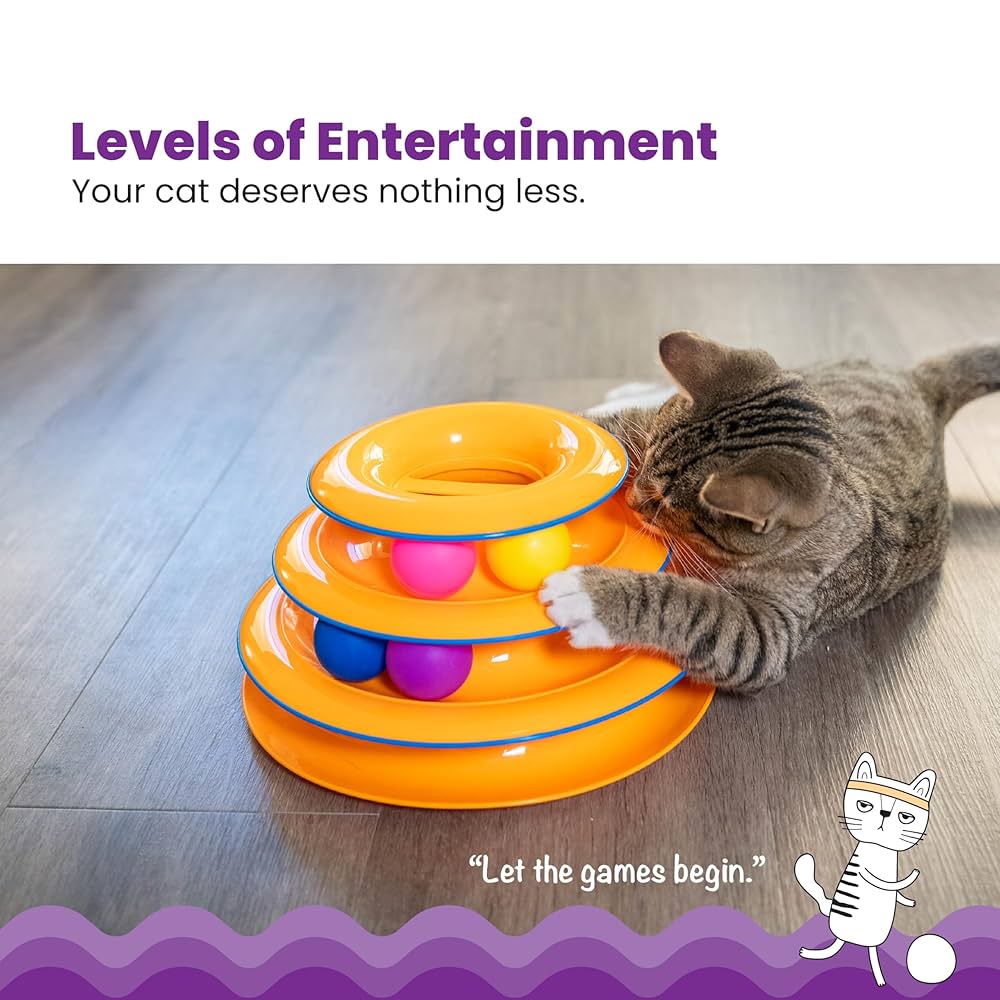
Have you ever wondered where your cats love to spend their playtime? Imagine a special spot where your furry friends come alive, chasing their favorite toys and showing off their playful side.
Creating the perfect play area for your cats isn’t just fun—it keeps them happy, healthy, and curious. You’ll discover how to set up a space that your cats will rush to, toys they can’t resist, and simple tips to turn playtime into the best part of their day.
Ready to see your cats leap, pounce, and play like never before? Let’s dive in!
Creating The Perfect Play Area
Creating the perfect play area for your cats helps keep them happy and active. A well-designed space encourages fun and exercise. It also makes your home more organized and safe for your pets.
Choosing The Right Space
Select a quiet corner or room with enough natural light. Cats like to watch outside, so near a window is ideal. Avoid high traffic areas to reduce stress and distractions. Make sure the space is easy to clean and free from hazards.
Safe And Comfortable Setup
Use soft rugs or mats to protect your cats’ paws. Keep cords and small objects out of reach to prevent accidents. Provide cozy spots like cat beds or cushions for rest. Ensure toys are non-toxic and durable to avoid choking risks.
Incorporating Cat-friendly Elements
- Include scratching posts to satisfy their natural instincts.
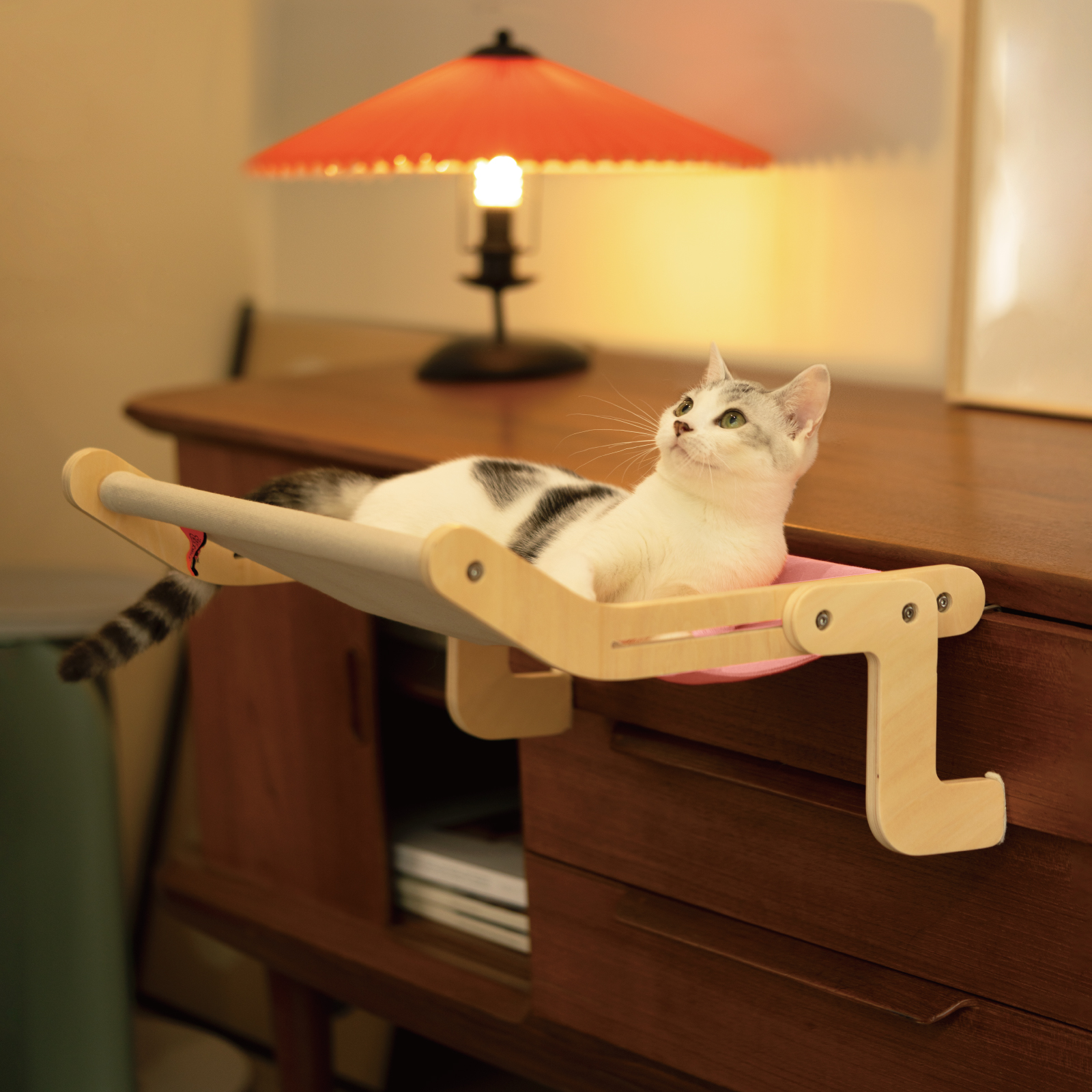
- Add climbing shelves or cat trees for exercise and exploration.
- Place interactive toys to stimulate their minds.
- Offer hiding spots like tunnels or boxes for comfort.
Combining these elements creates a fun and safe environment. Your cats will enjoy their playtime more in a well-planned area.
Credit: www.mewoofun.com
Top Toys For Endless Entertainment
Cats need toys to stay active and happy. Toys keep them busy and help their minds. Choosing the right toys makes playtime fun and exciting. The best toys offer variety and challenge. This keeps cats coming back for more. Here are some top toy types that bring endless joy.
Interactive Toys
Interactive toys move or react to your cat’s actions. They mimic prey and trigger hunting skills. Examples include:
- Laser pointers that cats chase on the floor
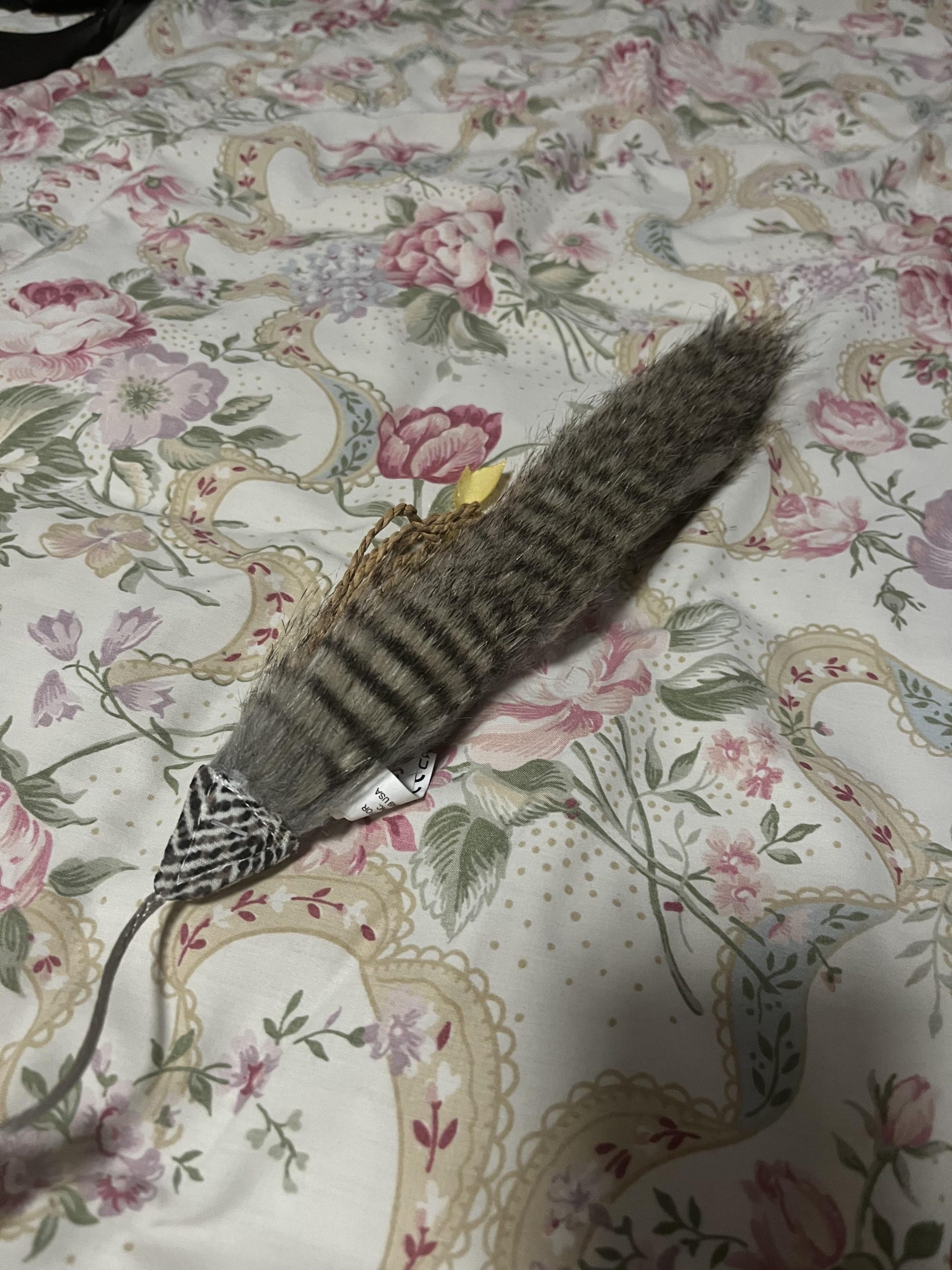
- Battery-operated mice that run around
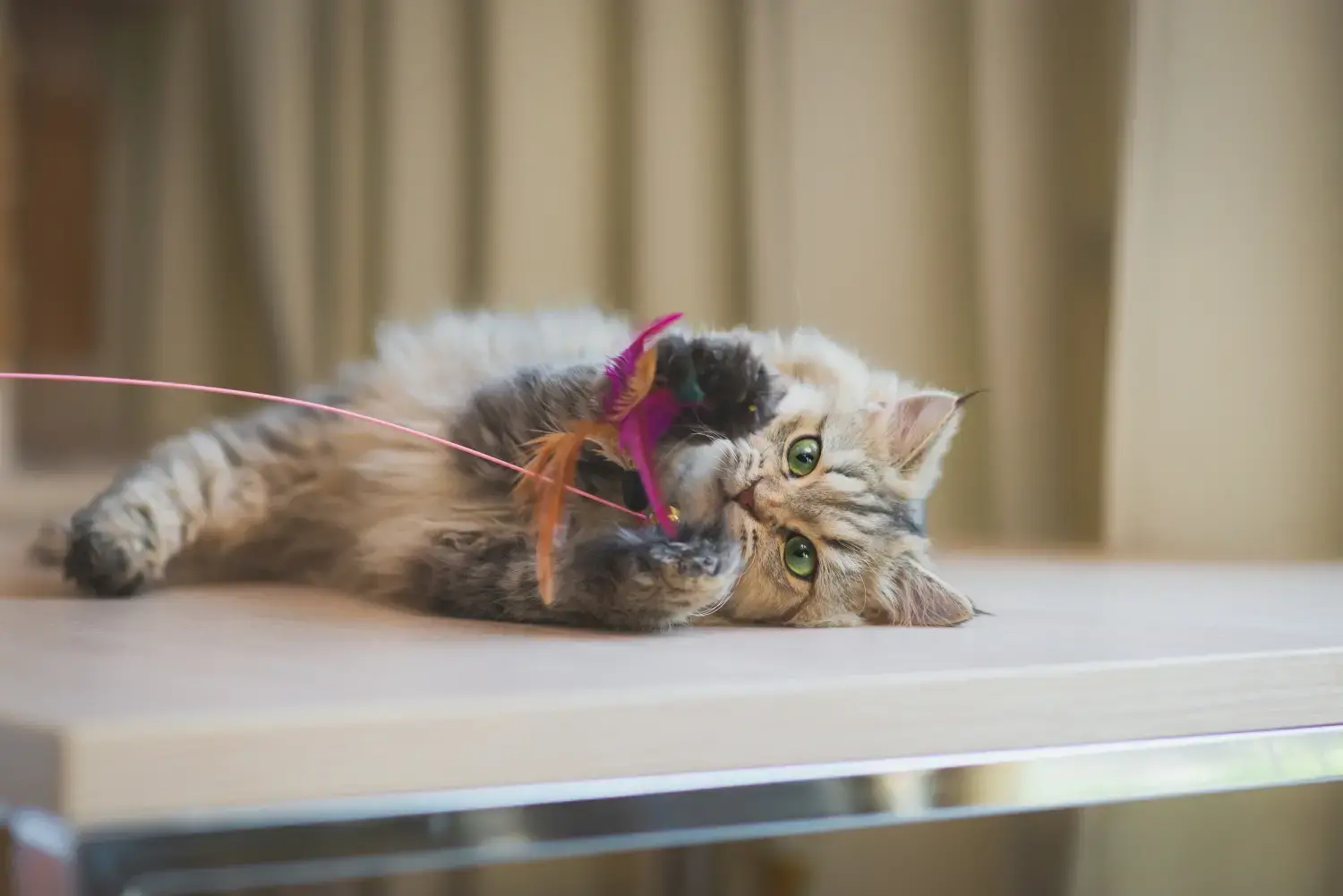
- Feather wands you can wave in the air
These toys invite cats to jump, pounce, and stalk. They build strong bonds between you and your pet.
Puzzle And Treat Toys
Puzzle toys challenge cats to solve problems for rewards. Treats hidden inside encourage clever play. Some popular designs are:
- Ball puzzles with hidden food inside
- Interactive feeders that dispense snacks slowly
- Boxes with compartments requiring paw skills
These toys sharpen your cat’s mind and keep boredom away. They also slow down fast eaters.
Classic Favorites
Simple toys never lose their charm. Cats love toys they can grab and bat around. These include:
- Soft plush mice or small balls
- Crinkly tunnels for hiding and exploring
- String or yarn for chasing and tugging
Classic toys suit all cats and encourage natural play instincts. They are easy to find and affordable.
Diy Toy Ideas
DIY toy ideas bring fun and creativity into your cat’s play area. Making toys at home saves money and lets you customize for your cat’s taste. Cats love new textures and shapes to explore. Simple materials can turn into exciting playthings. Crafting toys also builds a stronger bond with your pet. Here are some easy and fun DIY toy ideas to try.
Simple Homemade Toys
Simple homemade toys keep cats entertained with little effort. Use everyday items like paper balls or string. Cats enjoy chasing lightweight objects that move unpredictably. Try these ideas:
- Roll up a small piece of paper into a ball.
- Tie a piece of yarn to a stick for a wand toy.
- Fill a sock with catnip and tie the end.
- Cut cardboard into small shapes for scratching and batting.
Upcycling Household Items
Upcycling turns old things into new toys your cat will love. It reduces waste and gives objects a second life. Use safe, clean items like:
- Empty toilet paper rolls for tunnels or hideouts.
- Plastic bottle caps to bat around on the floor.
- Scrap fabric strips tied into knots for tug toys.
- Cardboard boxes stacked into forts or castles.
Engaging Craft Projects
Engaging craft projects add excitement and variety to playtime. They take a bit more time but offer unique toys. Try creating:
- Feather wands by gluing feathers to a wooden stick.
- Pom-pom balls using yarn wrapped around your fingers.
- Interactive puzzle feeders made from paper cups or boxes.
- Catnip-filled felt mice sewn by hand or machine.

Credit: www.catschool.co
Encouraging Active Play
Cats love a special spot filled with their favorite toys to explore and chase. Active play helps keep them happy and healthy every day. Creating a safe, fun space invites them to jump, pounce, and enjoy themselves often.
Encouraging Active Play Active play keeps cats healthy and happy. It provides them with mental stimulation. This helps reduce stress and boredom. Encouraging active play also strengthens your bond with your feline friends. Here are some ways to make playtime more engaging.Using Laser Pointers And Wands
Laser pointers captivate cats with moving lights. This simulates their hunting instincts. Always end the game with a tangible toy. It gives them a sense of completion. Wands with feathers or bells provide interactive fun. They mimic prey movements, keeping cats alert and engaged.Scheduled Playtime Benefits
Scheduled playtime creates routine and anticipation. It helps manage your cat’s energy levels. Regular play reduces unwanted behaviors. You can set aside 15 minutes twice a day. This consistency helps in building a stronger relationship.Engaging Multiple Cats
Playing with multiple cats requires balance. Use toys that can entertain more than one cat. Interactive toys like tunnels and balls work well. They encourage group play and cooperation. Ensure each cat gets equal attention. This prevents jealousy and promotes harmony.Maintaining Toy Hygiene
Keeping your cat’s toys clean is more important than you might think. Dirty toys can harbor germs and bacteria that affect your cat’s health. Plus, clean toys keep your furry friend more interested in playtime.
Cleaning And Storage Tips
Regular cleaning of toys prevents buildup of dirt and saliva. Soft toys can often be tossed in the washing machine with mild detergent. Hard toys should be wiped down with warm, soapy water and rinsed thoroughly.
After cleaning, make sure toys dry completely to avoid mold growth. Store toys in a dedicated box or basket to keep them organized and protected from dust. Have you noticed how cats are more likely to play with toys that look and smell fresh?
Replacing Worn-out Toys
Inspect your cat’s toys weekly for signs of wear like tears, loose parts, or missing pieces. Damaged toys can be a choking hazard or cause injury. If a toy looks unsafe or no longer holds your cat’s interest, it’s time to replace it.
Keeping a rotation of fresh toys can keep your cat curious and active. Have you ever seen your cat suddenly lose interest in a favorite toy? Often, it’s a sign the toy needs a refresh.

Credit: www.petscare.com
Observing Cat Preferences
Watching your cats interact with their toys reveals a lot about their personalities and preferences. Each cat has unique tastes, and understanding these can help you create a play space they truly enjoy. Paying close attention to how they engage with different toys can guide you in making their playtime more satisfying and fun.
Noticing Favorite Toys
Observe which toys your cats return to most often. Does your cat prefer soft, plush toys or something that makes noise? Some cats love chasing laser pointers, while others are drawn to feather wands or crinkly balls.
Look at how they play, too. Are they batting toys around gently or pouncing with full energy? These clues tell you what excites them and keeps them entertained longer.
Adapting Play Area To Interests
Once you know your cat’s favorite types of toys, arrange the play area to highlight those. If your cat enjoys chasing small balls, keep them scattered in an open space for easy access.
Consider adding vertical elements like shelves or cat trees if your cat likes to climb and bat at dangling toys. You can also rotate toys to keep things fresh and prevent boredom.
Ask yourself: How can you make playtime more inviting based on what you’ve learned? Simple changes might make a big difference in your cat’s happiness and activity level.
Frequently Asked Questions
Where Do Cats Prefer To Play With Their Toys?
Cats prefer quiet, safe spots with soft surfaces. They enjoy areas near windows or cozy corners. These locations offer comfort and stimulation while they play.
What Types Of Toys Attract Most Cats?
Cats love interactive toys like feather wands, balls, and laser pointers. Toys mimicking prey movements engage their hunting instincts effectively.
How Often Should I Clean My Cat’s Toys?
Clean cat toys weekly to prevent bacteria buildup. Use mild soap and water, then dry them thoroughly before reuse.
Can Cats Play Alone With Toys Safely?
Yes, many cats play safely alone with toys. However, supervise if toys have small parts or strings to avoid choking hazards.
Conclusion
Creating a special place for your cats to play makes them happy. Toys keep them active and curious every day. Cats enjoy exploring new things in their play area. Watching them have fun brings joy to any home. Small spaces filled with toys make big adventures for cats.
This helps build a strong bond between you and your pets. Remember, a playful cat is a healthy cat. Give your cats a space where their fun never ends.

Leave a Reply