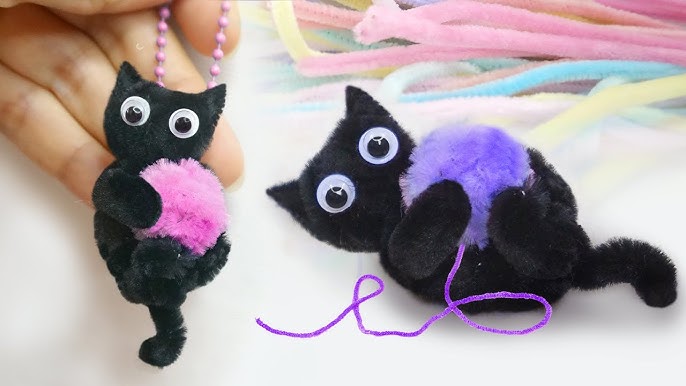
Are you looking for a fun and easy way to keep your cat entertained? Creating a cat toy yourself is a simple project that can bring endless joy to your furry friend.
Not only will you save money, but you’ll also enjoy watching your cat’s excitement as they play with something made just for them. In this guide, you’ll discover step-by-step tips to make safe, engaging toys that your cat will love.
Ready to see your cat’s eyes light up with curiosity? Let’s get started!
Choosing Safe Materials
Choosing safe materials is the foundation of creating a cat toy that your feline friend will enjoy without any risks. Your cat’s health and safety should come first, so selecting the right fabrics, fillings, and components matters a lot. Have you ever wondered what hidden dangers might lurk in seemingly harmless toys? Let’s break down how to pick materials that keep playtime fun and worry-free.
Non-toxic Fabrics And Fillings
Always opt for fabrics labeled as non-toxic and pet-safe. Cotton, fleece, and felt are great choices because they’re soft, durable, and unlikely to cause irritation.
Fillings like organic catnip, wool, or untreated cotton stuffing work well. Avoid synthetic fibers that might shed or cause allergies. My cat once rejected a toy filled with polyester stuffing—it caused sneezing and discomfort.
Think about breathability too. Materials that trap heat can make your cat uncomfortable during play.
Avoiding Small Parts
Toys with tiny buttons, beads, or glued-on eyes might look cute but pose choking hazards. Cats love to chew and bat at toys, so anything small enough to be swallowed is risky.
Instead, sew parts securely or use embroidery to create features. I learned this the hard way after my cat nearly swallowed a loose button from a toy.
Ask yourself: Could your cat easily remove any part of the toy? If yes, redesign it before letting your cat play.
Recycling Household Items
Repurposing household items can be a budget-friendly way to make toys, but safety comes first. Old socks, cardboard tubes, or fabric scraps can turn into delightful toys.
Just make sure these items are clean, free from toxic dyes or chemicals, and without sharp edges. For example, I once used a clean sock stuffed with catnip and tied it securely—my cat loved it!
Could you spot any hazards in everyday objects before turning them into toys? Always inspect carefully to avoid surprises.
Simple Toy Ideas
Simple cat toys bring joy and exercise to your furry friend. These toys are easy to make at home. They use everyday items and need little time. Cats love to chase, pounce, and bat at toys. Providing fun toys helps keep cats active and happy.
Sock Toys With Catnip
Use an old sock to create a soft toy. Fill it with dried catnip or a small sachet. Tie the open end tightly with a string or rubber band. Cats enjoy the scent and will play for hours. You can add a bell inside for extra sound.
Paper Ball Games
Crumple a piece of paper into a small ball. Make sure it is not too hard or sharp. Toss it gently for your cat to chase. Cats love the light texture and random bounce. This simple toy encourages natural hunting skills and keeps cats busy.
Feather Wand Creations
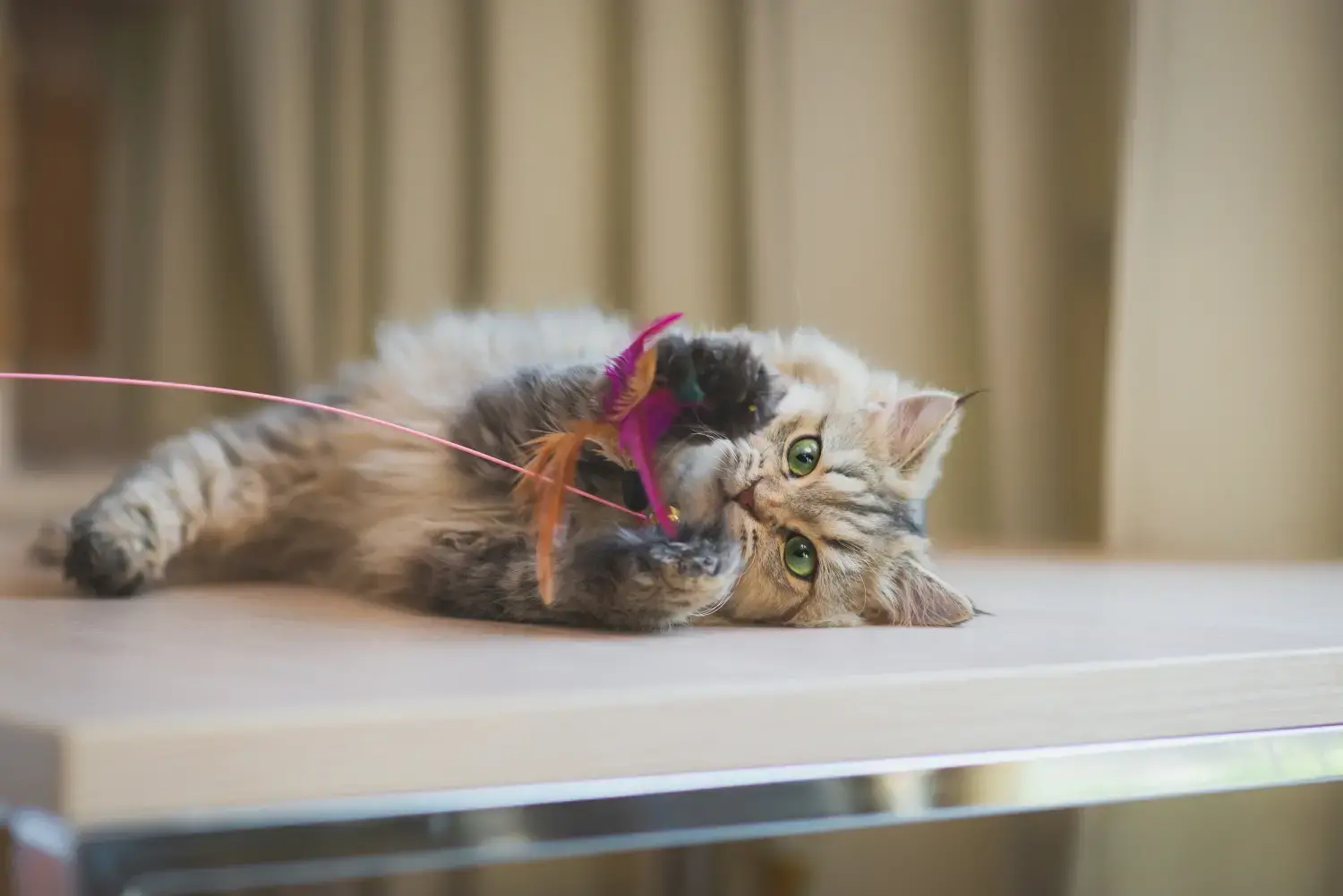
Attach feathers to the end of a stick or string. Use a lightweight rod or a wooden dowel. Move the wand slowly to mimic a bird’s flight. Cats jump and swipe at the feathers with joy. This toy strengthens your bond and gives your cat exercise.
Interactive Toys For Play
Interactive toys keep your cat engaged and mentally sharp. They encourage natural hunting instincts and provide healthy exercise. Creating your own interactive toys is rewarding and lets you customize playtime to your cat’s personality.
Diy Puzzle Feeders
Puzzle feeders challenge your cat to work for their food, making mealtime more stimulating. You can use simple household items like muffin tins or cardboard boxes to create these puzzles.
Place treats or kibble in different compartments or under small covers. Your cat will enjoy figuring out how to get to the food, which slows down eating and prevents boredom. Have you noticed how quickly cats learn to solve these puzzles? It’s a sign they love the mental workout.
String And Wand Toys
String and wand toys mimic the movement of prey, sparking your cat’s hunting instincts. You can make one using a stick, some string, and feathers or small fabric strips tied at the end.
Move the toy unpredictably to keep your cat curious and active. These toys are perfect for bonding because you control the action and your cat responds to your movements. How does your cat react when you dangle something just out of reach?
Homemade Laser Pointer Alternatives
Laser pointers excite many cats, but you can create safe alternatives at home without buying a gadget. Use a shiny object like a small mirror or a piece of foil to reflect light onto the floor or wall.
Move the light spot quickly to encourage chasing and pouncing. This simple trick can keep your cat entertained for long periods. Have you tried using natural light reflections to turn your cat into a playful hunter?

Credit: www.lemon8-app.com
Incorporating Catnip And Treats
Catnip excites cats and makes toys more fun. Hiding treats inside toys encourages playful hunting and rewards curiosity. Combining both keeps your cat active and happy.
Creating engaging toys for your feline friend can be a delightful experience, especially when you add catnip and treats into the mix. These elements not only enhance your cat’s playtime but also provide mental stimulation and joy. From fresh catnip to treat-stuffed toys, there are various ways to make playtime exciting and rewarding for your pet.Using Fresh Vs. Dried Catnip
When deciding between fresh and dried catnip, consider the different effects each type may have on your cat. Fresh catnip often has a more potent aroma, which can be especially enticing for cats. You might notice your cat becoming more animated and playful, a sight that’s sure to bring a smile to your face. Dried catnip, on the other hand, is convenient and easy to store. It can be sprinkled inside toys or even onto scratching posts. Both options are great, but pay attention to what your cat enjoys most—it’s all about their preference.Stuffing Toys With Treats
Adding treats inside toys is a fantastic way to keep your cat engaged. Consider toys that have small compartments for hiding treats. This encourages your cat to paw, bat, and nudge the toy to release the tasty reward. Do you notice your cat getting bored quickly with toys? Try changing up the treats or using a toy with a puzzle element. This can keep your furry friend entertained for longer periods.Refreshing Catnip Toys
Catnip toys can lose their appeal over time. Refreshing them is simple and can bring back the excitement. If you use dried catnip, simply refill the toy or sprinkle a bit more on the surface. For toys with fresh catnip, you might need to replace it altogether after a while. If you have access to fresh catnip plants, using new leaves can make the toy as good as new. Keeping your cat’s interest is key, so refreshing these toys regularly can make a big difference. Incorporating catnip and treats into your DIY cat toys can make playtime a highlight of your cat’s day. Consider their preferences and mix things up to keep them coming back for more.Customizing Toys To Your Cat’s Preferences
Customizing toys to fit your cat’s unique preferences creates a more engaging playtime. Each cat has different tastes in toys, shapes, and textures. Tailoring toys to your cat’s liking keeps them interested and active. It also helps build a stronger bond between you and your pet.
Observing Play Habits
Watch how your cat plays to understand what they enjoy. Some cats love chasing moving toys. Others prefer batting or pouncing on soft objects. Notice if your cat likes noisy toys or quiet ones. Pay attention to the time of day they play most. This helps you choose toys that match their energy and mood.
Adjusting Toy Size And Texture
Select toy sizes that fit your cat’s mouth and paws. Small toys work well for kittens or small breeds. Larger cats may prefer bigger toys to carry or wrestle. Texture matters too. Some cats like soft plush toys. Others enjoy crinkly or rubbery surfaces. Changing textures keeps playtime fresh and fun.
Introducing New Toys Gradually
Introduce new toys slowly to avoid overwhelming your cat. Start by placing the toy near their favorite spot. Let them sniff and explore it at their own pace. Rotate toys to maintain interest without flooding their space. Gradual introduction helps your cat accept and enjoy new playthings.
Credit: www.youtube.com
Maintenance And Safety Tips
Keeping your cat’s toy clean and safe is important. A well-maintained toy lasts longer. It also protects your cat from harm. Follow these tips to maintain and store your cat toy properly.
Regular Cleaning
Clean the toy often to remove dirt and germs. Use mild soap and warm water. Rinse well to avoid soap residue. Let the toy dry completely before giving it back to your cat. Clean fabric toys more often than hard ones.
Inspecting For Wear And Tear
Check the toy regularly for any damage. Look for loose parts, tears, or broken pieces. Small parts can be a choking hazard. Replace or repair damaged toys immediately. This keeps your cat safe during playtime.
Safe Storage
Store toys in a clean, dry place. Keep them out of reach from your cat when not in use. This prevents accidental chewing or swallowing of small parts. Use a box or basket to organize toys. Rotate toys to keep your cat interested and safe.
Credit: www.etsy.com
Frequently Asked Questions
What Materials Are Best For Making Cat Toys?
Safe, non-toxic materials like felt, cotton, and yarn work well. Avoid small parts that cats can swallow. Use soft fabrics for comfort and durability.
How Do I Make A Simple Cat Toy At Home?
Use basic supplies like string, feathers, or fabric scraps. Tie or sew them securely to create interactive toys cats love to chase and bat.
Can Homemade Cat Toys Be Safe For Cats?
Yes, if you use pet-safe materials and avoid small detachable parts. Supervise playtime to prevent accidents and replace worn toys regularly.
How Often Should I Replace Homemade Cat Toys?
Replace toys when they show wear or damage. Regularly inspect them to ensure safety and maintain your cat’s interest in playtime.
Conclusion
Creating a cat toy is simple and fun. Use safe materials that your cat enjoys. Watch your cat play and learn what they like best. Homemade toys save money and bring joy. Try different ideas to keep playtime fresh. Your cat will appreciate your effort and care.
Enjoy bonding through creative play together. Keep toys clean and replace them when worn out. Making toys shows love in a special way. Give your cat a happy and active life.


Leave a Reply