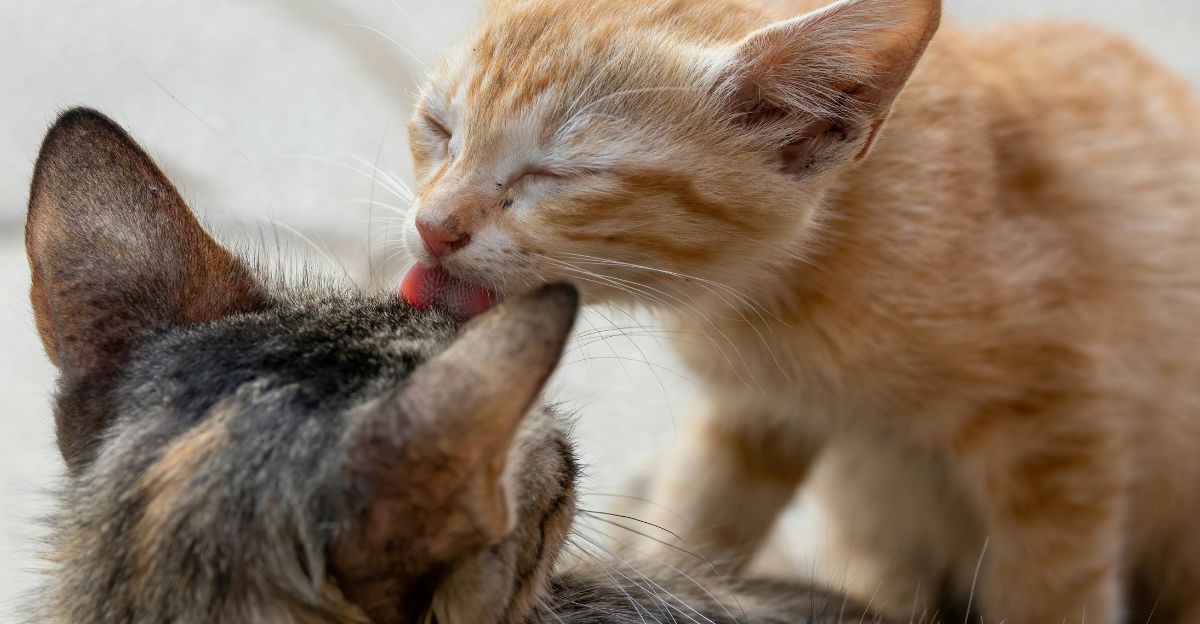
Have you ever watched cats gently licking each other and wondered, “Do all cats groom each other?” This simple act might seem just like a cute moment, but it actually reveals a lot about how cats build trust and connect with each other. If you want to understand your feline friends better and learn why some cats share this grooming habit while others don’t, keep reading.
You’re about to discover surprising facts that will change how you see your cats’ behavior forever.

Credit: catgroomerla.com
Grooming Behavior In Cats
Cats are known for their meticulous grooming habits, which play a crucial role in their health and social lives. Understanding how cats groom themselves and each other can reveal a lot about their behavior and relationships. Are all cats comfortable grooming one another, or is this behavior limited to certain situations?
Self-grooming Habits
Your cat spends a significant part of its day cleaning its fur. This self-grooming removes dirt, loose hair, and parasites while helping to regulate body temperature.
Most cats use their tongue, which has tiny hook-like structures, to comb through their fur. This action distributes natural oils, keeping the coat shiny and healthy.
Notice if your cat suddenly grooms less or more than usual; it could be a sign of stress, illness, or discomfort. Have you ever seen your cat lick a specific spot repeatedly? That might indicate an underlying problem worth checking with a vet.
Social Grooming Explained
Social grooming, also called allogrooming, is when cats groom each other. This behavior often occurs between cats that share a strong bond, such as siblings or cats living in the same household.
It’s not just about cleanliness—it also helps strengthen social ties and reduce tension. When cats groom each other, they exchange scents, which reinforces group identity.
However, not all cats engage in social grooming. Some may prefer solitude or have personalities that don’t mix well with others. If your cats don’t groom each other, it doesn’t necessarily mean they dislike one another; it might just be their way of showing affection differently.
Which Cats Groom Each Other?
Cats groom each other mainly to build bonds and show trust. Not all cats do this, but some groups and relationships make it common. Understanding which cats groom each other helps explain this social behavior.
Mother And Kitten Bonding
Mother cats groom their kittens to keep them clean and safe. This grooming starts right after birth. It helps kittens feel comforted and secure. Mothers also teach kittens how to groom themselves. This early grooming builds a strong bond between mother and kitten.
Sibling And Group Grooming
Siblings and cats living in groups often groom each other. This behavior helps reduce stress and tension. Grooming among group members creates a sense of unity. Cats use grooming to show friendship and cooperation. It can also keep the group clean and healthy.
Cats Outside Social Groups
Some cats live alone and rarely groom others. Stray or feral cats usually avoid grooming outside their family. They focus more on self-grooming for hygiene. However, some solitary cats may groom close friends or mates. It depends on how well they trust other cats.
Reasons Behind Mutual Grooming
Mutual grooming is a common behavior among cats that live together. It serves several important purposes beyond just cleaning. Cats groom each other to build trust, keep clean, and feel relaxed. This behavior helps them bond and stay healthy in their social groups.
Strengthening Social Bonds
Mutual grooming helps cats form strong friendships. It creates trust and shows affection. Cats that groom each other often have close relationships. This behavior reduces fights and makes group life peaceful.
Maintaining Hygiene
Grooming helps cats clean hard-to-reach spots. It removes dirt, loose fur, and parasites. Cats also share scent while grooming. This keeps the group smelling familiar and safe.
Stress Relief And Comfort
Grooming calms cats and lowers stress. It releases feel-good chemicals in their brain. Cats may groom each other during tense times. This comfort helps them stay relaxed and happy.
Cats That Don’t Groom Each Other
Not all cats groom each other, as some prefer to stay independent. Cats that don’t groom each other may lack a close bond or social comfort. Grooming often shows friendship, but some cats choose to keep to themselves.
Cats That Don’t Groom Each Other Not all cats groom each other. Some prefer solitude. Grooming is a social activity. It strengthens bonds among cats. Yet, some cats choose not to groom. This behavior can depend on several factors.Solitary Cats’ Behavior
Some cats are naturally solitary. They enjoy their own company. These cats may not groom others. Solitary behavior can be innate. Some breeds are more independent. They might not engage in social grooming.Aggression And Territoriality
Aggressive cats often avoid grooming others. They might see grooming as a threat. Territorial cats can be the same. They guard their space fiercely. Such cats may not groom their peers. Instead, they focus on protecting their domain.Health And Age Factors
Health issues can affect grooming. Sick cats may not groom others. They conserve energy for themselves. Older cats might also abstain. They may feel tired or have joint pain. This makes grooming a less appealing task.How To Encourage Grooming In Cats
Encouraging grooming between cats isn’t just about hygiene—it strengthens bonds and promotes a peaceful home. If your cats aren’t naturally grooming each other, you can gently guide them toward this behavior. Understanding how to create the right atmosphere and interactions makes all the difference.
Creating A Calm Environment
Your cats need to feel safe and relaxed before they’ll consider grooming each other. Loud noises, sudden movements, or unfamiliar smells can stress them out and block social behaviors.
Make sure their space is quiet and cozy. Soft bedding, familiar toys, and consistent routines help your cats settle in. Have you noticed how your cats act differently in a noisy room versus a calm one?
Introducing Cats Gradually
New cats or those not used to each other might need time to get comfortable. Don’t rush their interactions.
- Start with short, supervised meetings in neutral spaces.
- Let them sniff and observe without pressure.
- Separate them if tensions rise, then try again later.
When my two cats first met, it took several weeks of slow introductions before they started grooming. Patience here pays off big time.
Using Positive Reinforcement
Reward your cats for calm and friendly behavior to encourage grooming. Treats, gentle petting, or soft praise can make a big impact.
- Give a treat when they sit close without aggression.
- Praise softly when they show curiosity or gentle touches.
- Avoid punishment—it creates stress and blocks bonding.
Have you tried rewarding small steps? Even a glance or sniff between your cats is progress toward mutual grooming.

Credit: catcuddlezone.com
Surprising Grooming Facts
Cats grooming each other may seem simple, but it reveals a lot about their social lives. Grooming is not just about cleaning. It is a way cats talk and show feelings. Some grooming habits can surprise even cat lovers.
Understanding these grooming facts helps you see cats in a new light. Each lick or nibble carries meaning beyond hygiene.
Grooming And Communication
Cats use grooming to send messages. Grooming another cat means trust and friendship. It is a way to say, “You are part of my group.”
Sometimes, grooming calms cats down. It helps reduce stress and tension. Cats also use grooming to show care and kindness.
Grooming And Hierarchy
Not all cats groom equally. Higher-ranked cats often receive more grooming. It shows respect and social ranking.
Lower-ranked cats may groom those above them to gain favor. Grooming can keep peace in a group. It is a way to avoid fights.
Grooming Patterns And Personalities
Each cat has its own grooming style. Some cats groom often and love to be groomed. Others prefer less grooming and stay more independent.
Outgoing cats usually groom more and enjoy group grooming. Shyer cats may groom less or only with close friends. Grooming habits can reflect how a cat feels and acts.

Credit: basepaws.com
Frequently Asked Questions
Do All Cats Groom Each Other Regularly?
Not all cats groom each other regularly. Mutual grooming depends on their social bond and comfort level. Cats that live together and have a strong connection often groom each other to strengthen their relationship and share scents.
Why Do Cats Groom Each Other?
Cats groom each other to build trust and social bonds. It helps them feel secure and reduces stress. Grooming also removes dirt and loose fur from hard-to-reach areas, promoting better hygiene among feline companions.
Can Cats Groom Strangers Or Only Friends?
Cats usually groom only familiar cats they trust. Grooming strangers is rare and may indicate acceptance or submission. Most cats reserve mutual grooming for close companions, such as littermates or cats living in the same household.
Does Mutual Grooming Reduce Cat Stress?
Yes, mutual grooming helps reduce stress in cats. It releases calming pheromones and strengthens social ties. This behavior creates a relaxed environment and promotes emotional well-being among cats sharing a close bond.
Conclusion
Cats do not always groom each other. It depends on their bond and comfort level. Some cats groom their friends to show care and trust. Others prefer to groom themselves alone. Grooming helps cats stay clean and calm. Watching cats groom can reveal their feelings.
Understanding this behavior helps owners care better. Every cat is unique in how it grooms. Observing your cat’s habits can teach you a lot. This makes sharing a home with cats more enjoyable.



Leave a Reply