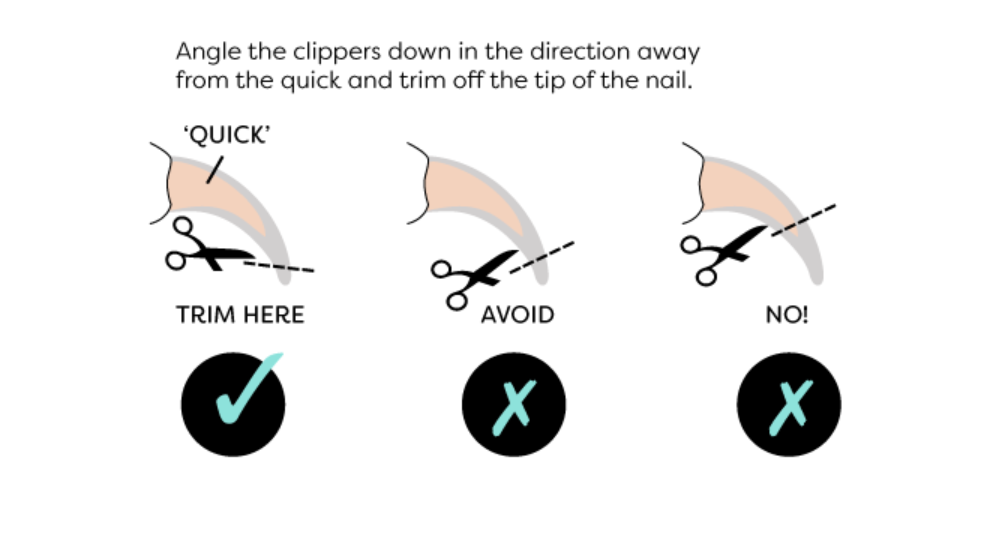
Grooming your cat with clippers might sound tricky, but it’s easier than you think. If you want your furry friend to look neat and feel comfortable, learning the right way to use clippers is key.
You might worry about hurting your cat or making them anxious, but with the right tips, you can make the experience calm and safe for both of you. Keep reading, and you’ll discover simple steps to groom your cat at home like a pro.
Your cat will thank you for it!

Credit: freshlybailey.com
Choosing The Right Clippers
Choosing the right clippers is crucial for a smooth grooming session with your cat. The wrong tool can cause discomfort or even injury, making your feline friend wary of future grooming. Understanding the types of clippers, blade sizes, and noise levels will help you pick the best fit for your cat’s unique needs.
Types Of Clippers For Cats
There are two main types of clippers you can use for cat grooming: corded and cordless. Corded clippers provide consistent power but can limit your movement, which may stress your cat if they feel trapped. Cordless clippers give you freedom to move around and are often lighter, making them easier to handle during longer grooming sessions.
Choosing a clipper designed specifically for pets is important. Human hair clippers usually run hotter and faster, which can hurt your cat’s sensitive skin. Look for clippers labeled for pet use, as they often have safety features like cooling blades and adjustable speeds.
Blade Sizes And Their Uses
Blade size affects how close the cut will be. Smaller blade numbers mean a closer cut, while larger numbers leave more fur. For example, a 10 blade cuts very short, which is great for mats or heavy shedding areas.
| Blade Size | Cut Length | Best Use |
|---|---|---|
| 10 | 1/16 inch | Close shave for mats and hygiene trims |
| 7F | 1/8 inch | General body trims |
| 4F | 1/2 inch | Longer trims for sensitive areas |
Think about your cat’s coat type. Thick or long-haired cats may need a variety of blade sizes depending on the area you’re grooming. Having multiple blades ready can save time and keep your cat comfortable.
Quiet Clippers For Sensitive Cats
Noise is a major factor for many cats. Loud buzzing clippers can cause stress or fear, making grooming a challenge. Quiet clippers operate at lower decibel levels, which keeps your cat calmer and more cooperative.
Look for clippers advertised as “quiet” or “low noise.” Some models even have vibration reduction technology. I once switched to a quiet clipper after my cat refused grooming sessions, and the difference was immediate—she stayed relaxed and still throughout.
Have you noticed how your cat reacts to sounds around the house? If they startle easily, investing in quiet clippers might be the key to a peaceful grooming routine. Your patience and the right tools will create a positive experience for both of you.
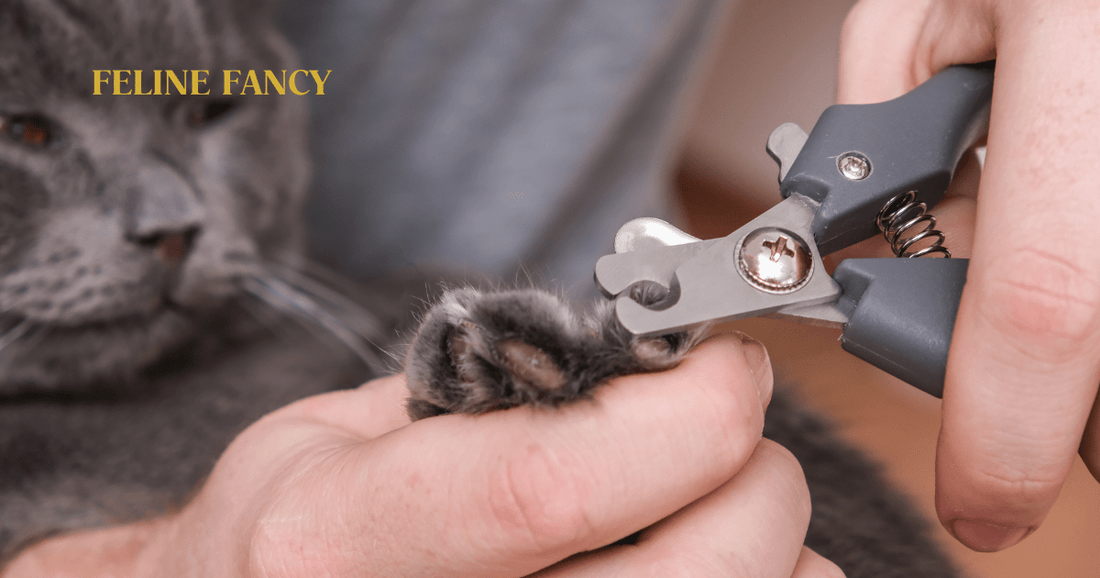
Credit: felinefancy.co.uk
Preparing Your Cat
Preparing your cat for grooming with clippers is essential to ensure a smooth and stress-free experience for both of you. Taking time to get your cat comfortable can prevent sudden movements that might cause injury or frustration. The key is to focus on creating a calm setting, checking your cat’s skin health, and brushing thoroughly before you start clipping.
Creating A Calm Environment
Your cat’s mood plays a huge role in how well the grooming session goes. Choose a quiet room with minimal distractions and soft lighting to help your cat feel safe. You might want to play gentle music or use a pheromone diffuser to ease anxiety.
Have all your tools ready before you begin. This shows your cat that you’re prepared and confident, which can help them relax too. Ever noticed how your own nerves can transfer to your pet? Keeping calm yourself is just as important.
Brushing Before Clipping
Brushing your cat before using clippers removes loose fur and tangles, making the clipping process easier and faster. Use a slicker brush or a comb suited for your cat’s fur type. Spend extra time on areas where mats tend to form, like behind the ears and under the legs.
If your cat resists brushing, try short sessions with plenty of praise or treats. This builds positive associations with grooming. What small rewards could you add to make brushing a game rather than a chore?
Checking For Skin Issues
Before clipping, carefully inspect your cat’s skin for any redness, bumps, or wounds. Clippers can irritate sensitive or damaged skin, so spotting these issues early helps you avoid causing pain. If you find anything unusual, it might be best to consult your vet before proceeding.
Look closely around common trouble spots like the belly and behind the ears. Noticing subtle changes can make a big difference in your cat’s comfort during grooming. How often do you check your cat’s skin during routine care?
Setting Up Your Workspace
Setting up your workspace prepares you and your cat for a smooth grooming session. A calm, organized area helps your cat feel safe. It also makes the clipping process easier and faster. Proper preparation reduces stress for both of you.
Choosing A Comfortable Spot
Pick a quiet place with little noise and distractions. A soft surface like a towel or blanket helps your cat relax. Make sure the spot has enough space for your tools and your cat’s movements. Avoid high places to prevent accidents.
Gathering All Necessary Tools
Collect everything before you start. Clippers, comb, scissors, and treats should be within reach. Have a brush to remove loose hair. Keep a towel handy for any mess. This saves time and keeps the process smooth.
Ensuring Good Lighting
Bright light helps you see your cat’s fur clearly. Natural daylight works best but a strong lamp can also help. Avoid shadows that hide small tangles or sensitive areas. Proper lighting prevents accidental cuts and ensures even trimming.
Clipping Techniques
Clipping your cat’s fur needs care and patience. Proper techniques make the experience calm for both you and your cat. The right approach helps avoid accidents and keeps your cat comfortable. Focus on gentle handling and clear steps for the best results.
Starting With Small Areas
Begin by clipping small, easy spots on your cat. Choose areas with less fur or where your cat feels safe. This helps your cat get used to the clippers slowly. Short sessions build trust and reduce stress.
Holding Your Cat Safely
Support your cat gently but firmly to prevent sudden moves. Use one hand to hold your cat and the other to clip. Keep your cat calm by speaking softly. A relaxed cat stays still and makes clipping easier.
Using Smooth, Gentle Strokes
Move the clippers slowly and smoothly over the fur. Avoid pressing hard or rushing through the process. Gentle strokes reduce noise and vibration, keeping your cat calm. Always clip in the direction of hair growth for a neat finish.
Handling Common Challenges
Patience helps calm your cat during grooming with clippers. Gentle handling reduces stress and prevents sudden movements. Taking breaks keeps both you and your cat comfortable.
Grooming your cat with clippers can be a rewarding experience. But, it comes with its own set of challenges. Understanding these challenges ensures a smoother grooming session for both you and your cat. Let’s explore some common issues and effective solutions.Dealing With Restless Cats
Restless cats can make grooming difficult. Start by creating a calm environment. Play soothing music or use a gentle voice. Give your cat some time to relax before starting. Use treats to encourage positive behavior. Short sessions are better for anxious cats. This keeps stress levels low.Avoiding Cuts And Nicks
Safety is a priority when using clippers. Ensure the blades are sharp and clean. Dull blades can pull on fur and cause pain. Hold the skin taut while clipping to avoid cuts. Move the clippers steadily and not too fast. Always clip in the direction of the fur growth.Managing Matted Fur
Matted fur needs special attention. Start by gently detangling with a wide-toothed comb. For severe mats, use clippers carefully to avoid skin irritation. Work slowly and patiently to prevent discomfort. Regular grooming prevents mats from forming in the future.Post-grooming Care
After you finish grooming your cat with clippers, the care doesn’t just stop there. Post-grooming care is essential to keep both your cat and your tools in great shape. It also strengthens the bond between you and your furry friend, making future grooming sessions easier.
Cleaning The Clippers
Cleaning your clippers right after use prevents hair buildup and keeps the blades sharp. Start by brushing off loose fur with a small brush or an old toothbrush. Then, wipe the blades with a cloth dampened in rubbing alcohol to disinfect and remove oils.
Don’t forget to oil the blades lightly after cleaning. This reduces friction and extends the life of the clippers. Have you noticed how a little maintenance can make your grooming tools last much longer?
Rewarding Your Cat
Your cat just went through a grooming session that might have been stressful. Offer a favorite treat or some gentle petting immediately afterward to create a positive association. This simple act encourages your cat to cooperate next time.
You can also spend a few quiet minutes playing or cuddling to help your cat relax. What kind of rewards work best for your cat’s unique personality?
Monitoring Skin Health
After clipping, keep a close eye on your cat’s skin for any signs of irritation or redness. Pay attention to scratches, bumps, or dry patches that may have been missed during grooming. Early detection helps avoid infections or discomfort.
If you notice anything unusual, a quick call to your vet can save you trouble later. How often do you check your cat’s skin between grooming sessions?

Credit: www.fancypantscatgrooming.com
Frequently Asked Questions
How Do I Safely Use Clippers On My Cat?
Start by choosing quiet, sharp clippers designed for pets. Gently hold your cat and clip slowly. Avoid sensitive areas like ears and paws. Use short sessions and reward your cat to keep them calm and comfortable.
How Often Should I Groom My Cat With Clippers?
Clip your cat’s fur every 6 to 8 weeks or as needed. Long-haired cats may require more frequent grooming to prevent mats. Regular clipping helps maintain coat health and reduces shedding and hairballs.
What Type Of Clippers Are Best For Cats?
Use clippers with low noise and vibration to reduce stress. Look for pet-specific clippers with adjustable blade sizes. Cordless models offer better control and ease of use. Always keep blades clean and sharp.
Can I Groom My Cat Alone With Clippers?
Yes, but patience is key. Ensure your cat is calm and comfortable. Start with short grooming sessions and gradually increase time. If your cat is too anxious, consider professional groomers to avoid injury.
Conclusion
Grooming your cat with clippers takes patience and care. Start slow and keep your cat calm. Use the right tools and trim small areas at a time. Regular grooming helps your cat stay clean and healthy. Watch your cat’s reactions and stop if they feel stressed.
With practice, grooming becomes easier for both of you. A well-groomed cat looks good and feels comfortable. Keep sessions short and gentle to build trust. Enjoy the bonding time while caring for your furry friend.



Leave a Reply